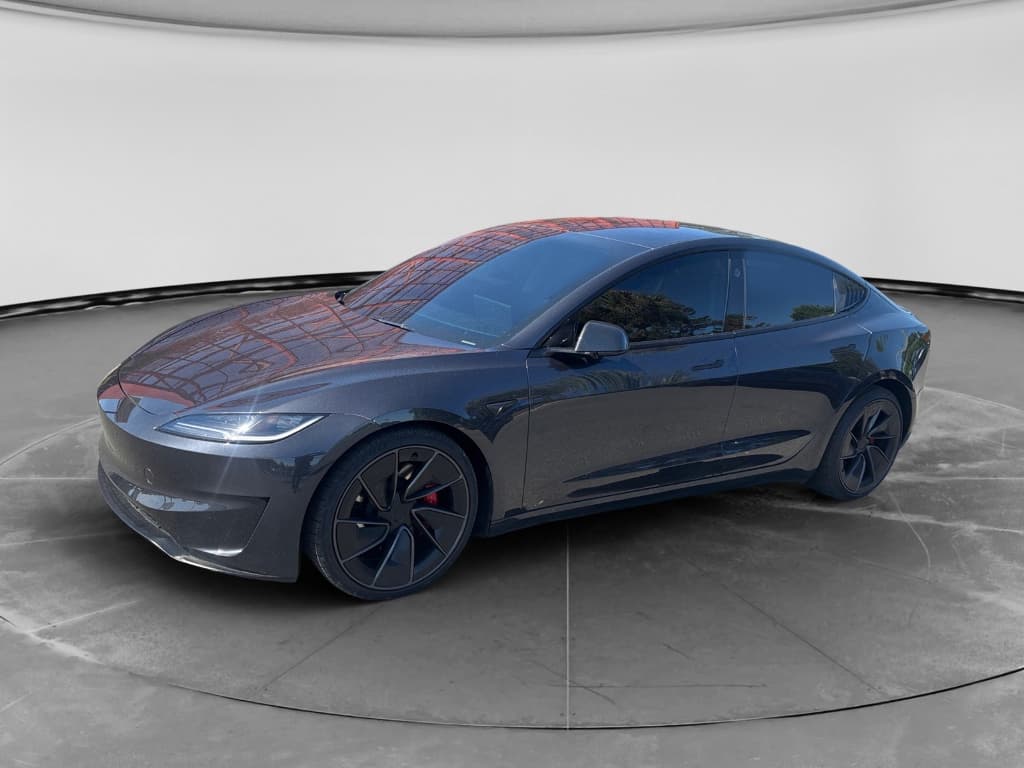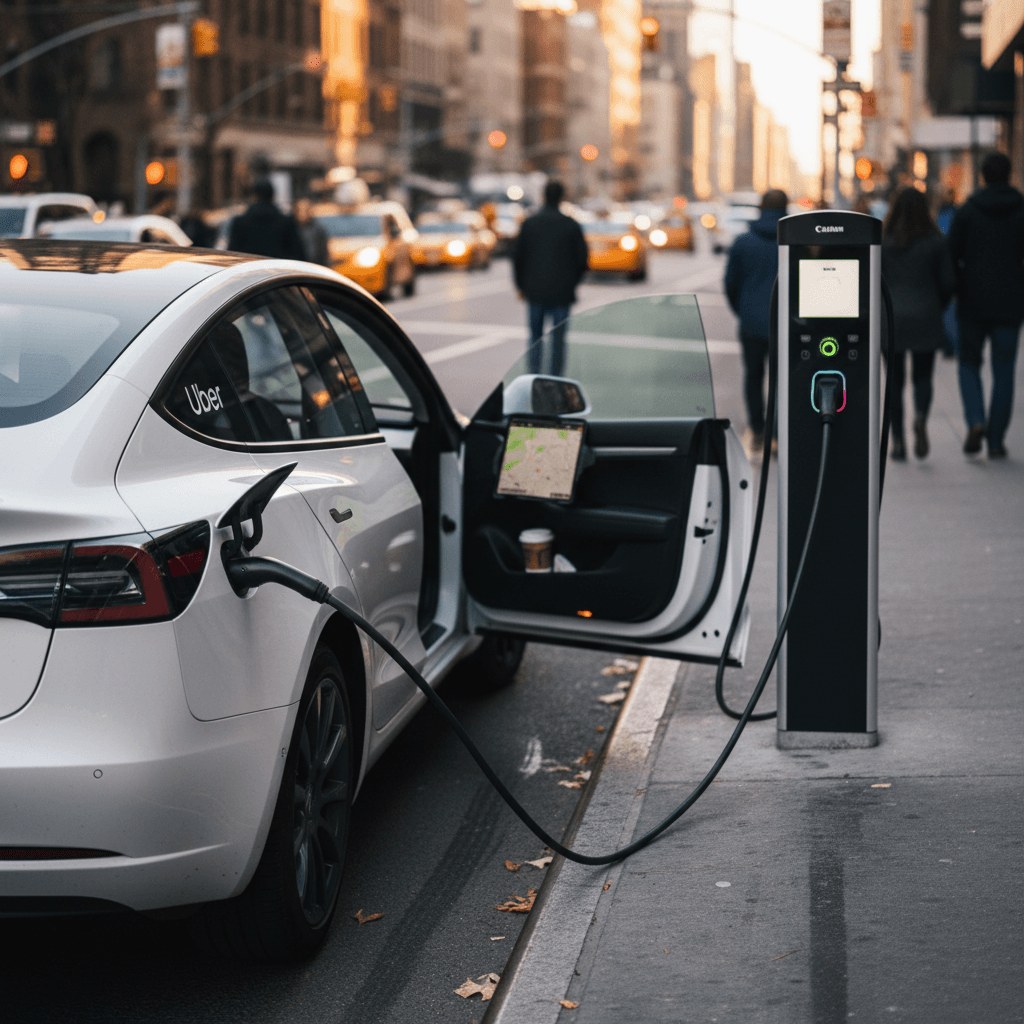
If you’re driving full-time for Uber or Lyft, you’ve probably wondered whether a Tesla Model 3 is the smart upgrade. Lower fuel costs, access to EV incentives, and a techy cabin are appealing, but there are real pros and cons to using a Tesla Model 3 for Uber, especially if you’re buying used and counting every dollar of profit.
Why this matters
Is a Tesla Model 3 good for Uber?
Short answer: a Tesla Model 3 can be an excellent Uber car in the right city and with the right driving pattern. Electricity is cheaper than gas per mile, maintenance is low, and Uber is ramping up EV incentives in several U.S. states. But the Model 3 also brings higher insurance, firm ride quality, and the reality that you’ll spend part of your shift sitting at chargers instead of moving passengers.
Key numbers for a Tesla Model 3 Uber driver
Quick pros and cons of a Tesla Model 3 for Uber
Pros of using a Model 3 for Uber
- Very low fuel cost per mile compared with gas sedans, especially if you can charge at home or access cheap public Level 2.
- Access to EV‑only ride categories (like Uber Electric / Comfort Electric in some markets), which can raise earnings per trip.
- High uptime on maintenance – no oil changes, fewer moving parts, long brake life thanks to regen braking.
- Great climate control at idle without burning fuel, which matters when you’re waiting on trips.
- Strong passenger appeal – many riders like the look, tech, and quiet acceleration.
Cons of using a Model 3 for Uber
- Higher insurance than a typical used Camry, Accord, or Prius.
- Tight rear-seat space and trunk compared to traditional midsize sedans, especially for tall riders or airport luggage.
- Charging downtime eats into earning hours if you can’t charge at home or while you sleep.
- Firm ride and cabin noise can wear on you and passengers during long highway shifts.
- Battery degradation risk matters if you’re buying used and planning to rack up 40,000+ miles per year.
Big-picture takeaway
Earnings, fuel savings, and Uber EV incentives
The main reason drivers consider a Tesla Model 3 for Uber is simple: keep more of every dollar you earn. That starts with fuel and extends into incentives.
Fuel vs. electricity: what you actually save
Why energy cost per mile is the Model 3’s superpower
Typical gas sedan
A common Uber workhorse like a Camry or Accord might average 25–30 mpg in mixed city driving with passengers.
If gas is $3.50/gal, that’s roughly 12–14¢ per mile in fuel cost.
Tesla Model 3 energy use
A Model 3 typically consumes about 0.25–0.28 kWh per mile in mixed Uber duty, depending on climate and driving style.
At $0.15/kWh, that’s about 4¢ per mile in electricity. With cheap overnight rates, some drivers get closer to 3¢/mi.
Annual savings
At 30,000 rideshare miles per year:
- Gas sedan at 13¢/mi ≈ $3,900 in fuel.
- Model 3 at 4¢/mi ≈ $1,200 in electricity.
That’s roughly $2,700/year in energy savings alone, before incentives.
Uber’s EV push can stack on top
For heavy‑duty Uber drivers, say 30,000–40,000 miles per year, those energy savings plus EV bonuses can dwarf the higher insurance and car payment. For part‑timers who only drive a few evenings a week, the payback is slower, and it may not justify the premium for a Tesla over a cheaper used hybrid.
How to maximize earnings with a Tesla Model 3
1. Target EV‑friendly markets and tiers
If your city offers Uber Electric, Comfort Electric, or similar EV tiers, your Model 3 can qualify for higher‑priced trips. Without those tiers, you’re mostly just saving on fuel.
2. Charge at home or overnight when possible
Home Level 2 charging is usually cheaper than DC fast charging and turns sleep time into refueling time. That’s key if you want your entire workday to be spent moving, not charging.
3. Work around charging peaks
Avoid fast‑charging during commuter rush or lunch hour when queues form and kWh rates may be higher. Plan shifts so you arrive with 10–20% state of charge (SoC) and leave around 60–80%.
4. Track real cost per mile
Use a spreadsheet or app to log energy, insurance, maintenance, and Uber fees. Watch your all‑in <strong>cost per mile</strong> instead of focusing only on gross revenue.
5. Leverage incentives before you buy
Check both <strong>Uber’s driver incentives</strong> and any <strong>local or utility EV rebates</strong> before committing. Sometimes the combination makes a higher‑trim Model 3 more affordable than a basic gas car.
Charging time, downtime, and infrastructure reality
The Model 3 only makes sense for Uber if you can manage charging without killing your billable hours. For some drivers that’s easy; for others, it’s the dealbreaker.
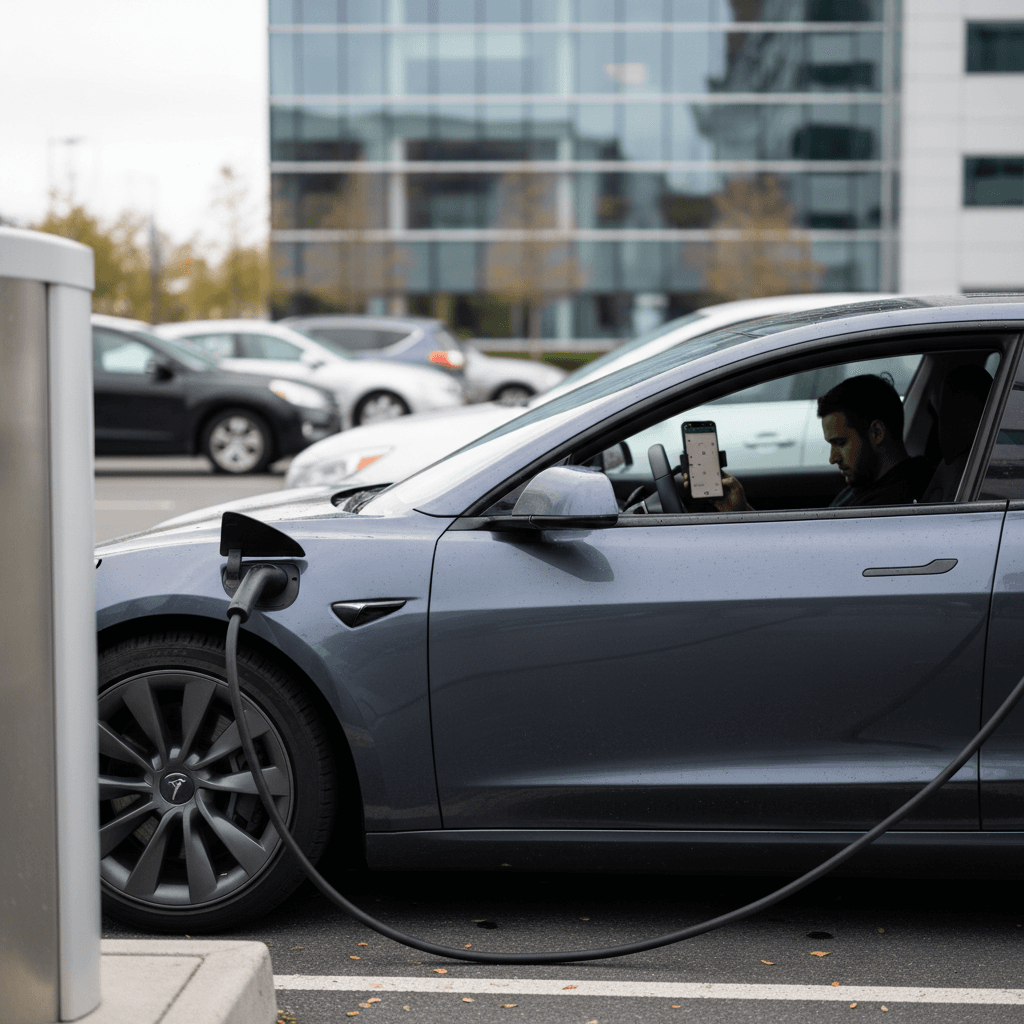
Common charging patterns for Uber drivers
Which one looks like your life?
Home charging hero
You have a driveway or dedicated parking and can install a Level 2 charger.
- Plug in every night.
- Start each morning at 80–90%.
- Maybe one short fast‑charge during a long day.
Best‑case scenario for a Model 3 Uber setup.
Apartment charger hunter
No home charger, but you have reliable nearby public Level 2, perhaps at work, a favorite coffee shop, or a garage.
You build charging into meal breaks or off‑peak hours.
Works, but takes discipline and may limit spur‑of‑the‑moment shifts.
DC fast‑charge dependent
You rely almost entirely on Superchargers or other DC fast chargers.
It can work in dense cities with abundant fast charging, but:
- kWh cost is higher,
- you compete for stalls,
- and battery wear increases.
Not ideal for long‑term TCO.
Downtime is your hidden cost
From a pure tech standpoint, the Model 3 works well here: DC fast charging can add roughly 150+ miles of range in about 15–25 minutes under good conditions. But the business question is whether those 15–25 minutes align with your natural breaks, or whether you’re babysitting the charger during prime surge hours.
Passenger comfort, space, and practicality
Most riders are thrilled to see a Tesla show up. But comfort is more nuanced than social media suggests, especially on long shifts and airport runs.
What riders usually love
- Quiet, smooth acceleration feels more premium than a worn rental‑spec sedan.
- Minimalist interior and big screen give the car a high‑tech vibe that stands out.
- Good climate control – instant heat and A/C help keep the cabin comfortable while you’re waiting.
- Glass roof gives the rear cabin an airy feeling, which helps with perceived space.
What can annoy riders (and you)
- Door handles and latches are non‑traditional. You’ll explain how to open doors dozens of times per week.
- Firm suspension and road noise are more noticeable on coarse pavement than in some softer‑tuned sedans.
- Rear seat height is relatively low over a tall floor, which can be awkward for tall or mobility‑limited passengers.
- Trunk space is fine for most rides but tight for families with multiple checked bags unless you carefully pack the trunk and frunk.
Trim and tire choice matter
Real costs: insurance, maintenance, and depreciation
A lot of online Tesla‑for‑Uber discussions stop at fuel savings. Serious drivers look at total cost of ownership: insurance, maintenance, repairs, and depreciation on top of energy.
Sample 5‑year cost comparison (high‑mileage driver)
Illustrative comparison for a driver doing 30,000 miles/year, using public data for a 2025 Model 3 vs. a comparable gas sedan. Assumes ownership from year 1–5; numbers are rounded for simplicity and will vary by driver and market.
| Cost category | Tesla Model 3 (EV) | Midsize gas sedan |
|---|---|---|
| Energy/fuel | ≈$1,200/yr in electricity (home‑weighted) | ≈$3,900/yr in gas at 30 mpg and $3.50/gal |
| Maintenance | ≈$250–$500/yr (tires, cabin filter, occasional service) | ≈$700–$1,000/yr (oil, brakes, fluids, more wear items) |
| Repairs (out of warranty) | Lower early on; can spike if out‑of‑warranty components fail | More frequent but generally cheaper repair events |
| Insurance | Often $2,300–$2,700/yr for many Model 3 drivers | $1,400–$2,000/yr typical for common gas sedans |
| Depreciation | Higher in early years but partly offset if you buy used | Steady; often easier to predict, especially on fleet‑favorite models |
This isn’t a quote, it’s a framework. Plug in your own numbers before buying.
Watch for insurance surprises
Maintenance is where the Model 3 quietly shines for rideshare. Tesla’s own guidance puts estimated annual maintenance for a Model 3 in the few‑hundred‑dollar range for normal use, mostly tires, wiper blades, a cabin air filter, and the occasional brake service. With heavy rideshare use, you’ll burn through tires faster, but you’ll also save money on the oil changes and exhaust or transmission work common on high‑mileage gas cars.
Buying a used Tesla Model 3 specifically for Uber
If you’re eyeing a used Model 3 as your Uber workhorse, you’re in the sweet spot of the market. The Model 3 has been around long enough that there are plenty of used options, and you let the first owner eat the steepest depreciation. But condition and battery health matter far more when you’re planning to add 30,000+ miles per year.
4 things to check on a used Model 3 Uber build
Especially if the car has lived a hard life
Battery health
Look for a verified battery health report rather than guessing from the dash estimate. Capacity loss directly affects how many trips you can do between charges.
Mileage & duty cycle
High miles aren’t a dealbreaker if the car was mostly highway‑driven and serviced properly. But rideshare duty can mean lots of stop‑and‑go, curb rash, and interior wear.
Suspension & tires
Rough‑riding Model 3s often need fresh tires or suspension components. Budget for a full set of decent tires right away; your comfort and safety depend on it.
Accident & service history
Look for clean structural history and documented repairs. Teslas can be expensive to repair after collisions, and poorly fixed cars are bad news when passengers are in the back.
How Recharged can help
Ready to find your next EV?
Browse VehiclesUsed Model 3 Uber‑ready checklist
Confirm it qualifies for your Uber tier
Check Uber’s current vehicle requirements for your city. Make sure the model year, trim, and interior (e.g., leather vs. cloth) meet standards for UberX, Comfort, or any EV‑specific tier you want to access.
Get a real battery and charging picture
Look at current max rated range at 100% charge and compare it to the original EPA rating. Ask how the previous owner charged, mostly home Level 2 or constant DC fast charging.
Inspect interior and touch points
You’ll have riders in and out all day. Check seats, door panels, handles, and floor mats for excessive wear that could hurt your ratings.
Price in wear items up front
Add realistic costs for tires, alignment, and potentially a 12‑volt battery or brake service in the first year. It’s better to be pleasantly surprised than blindsided.
Run multiple insurance quotes before signing
Don’t wait until after purchase to discover a painful premium. Plug the exact VIN into several insurers and compare monthly costs as part of your buying decision.
When a Tesla Model 3 makes (and doesn’t make) sense
Great fit for a Tesla Model 3 Uber car when…
- You drive full‑time or close to it, racking up 25,000–40,000 miles per year.
- You have reliable home or overnight charging, or cheap, predictable public charging near home.
- Your city offers EV‑specific or premium tiers that pay more per trip.
- You’re comfortable learning the charging network and building it into your routine.
- You’re buying used at a sensible price and have verified battery health.
Poor fit, or at least a question mark, when…
- You only drive part‑time, a few thousand miles per year. The fuel savings won’t overcome higher insurance and payment.
- You have no realistic plan for regular, convenient charging.
- Your market lacks EV incentives or higher‑paying tiers, and base fares are already tight.
- You mostly handle airport and luggage‑heavy trips where a hatchback or minivan shines.
- Insurance quotes on a Model 3 are dramatically higher than for a reliable gas sedan or hybrid.
FAQ: Tesla Model 3 for Uber and Lyft
Common questions from drivers
Bottom line: Is a used Tesla Model 3 your best Uber move?
A Tesla Model 3 can absolutely be a money‑making Uber tool, but only if the rest of the puzzle fits: strong mileage, smart charging access, realistic insurance, and a purchase price that leaves room for profit after depreciation. For many full‑time drivers in EV‑friendly cities, the fuel and maintenance savings plus incentives make the numbers work. For part‑timers or drivers in charger deserts, a less glamorous used hybrid can quietly produce better take‑home pay.
If you’re leaning toward a Model 3, treat the decision like an investment, not a lifestyle purchase. Run your own cost‑per‑mile math, shop insurance aggressively, and insist on clear battery health and pricing data when you’re buying used. Recharged was built for exactly this kind of decision: transparent used EV listings, Recharged Score battery diagnostics, financing options, trade‑in support, and nationwide delivery so you can get the right car for your routes, not just the closest one on a lot.