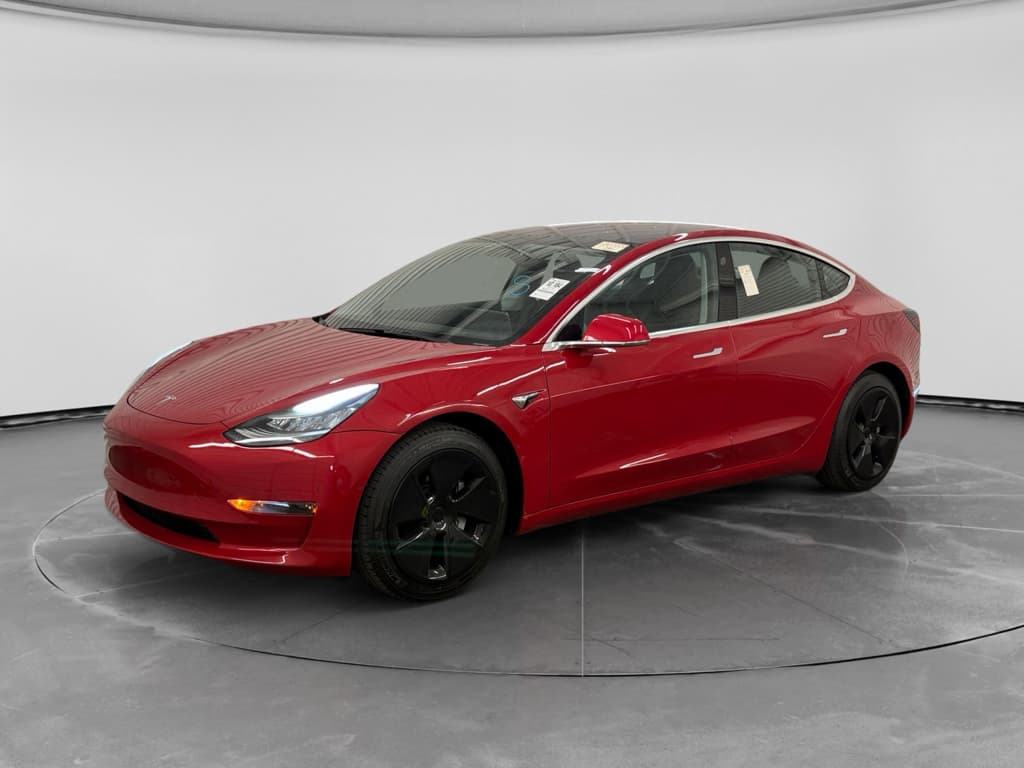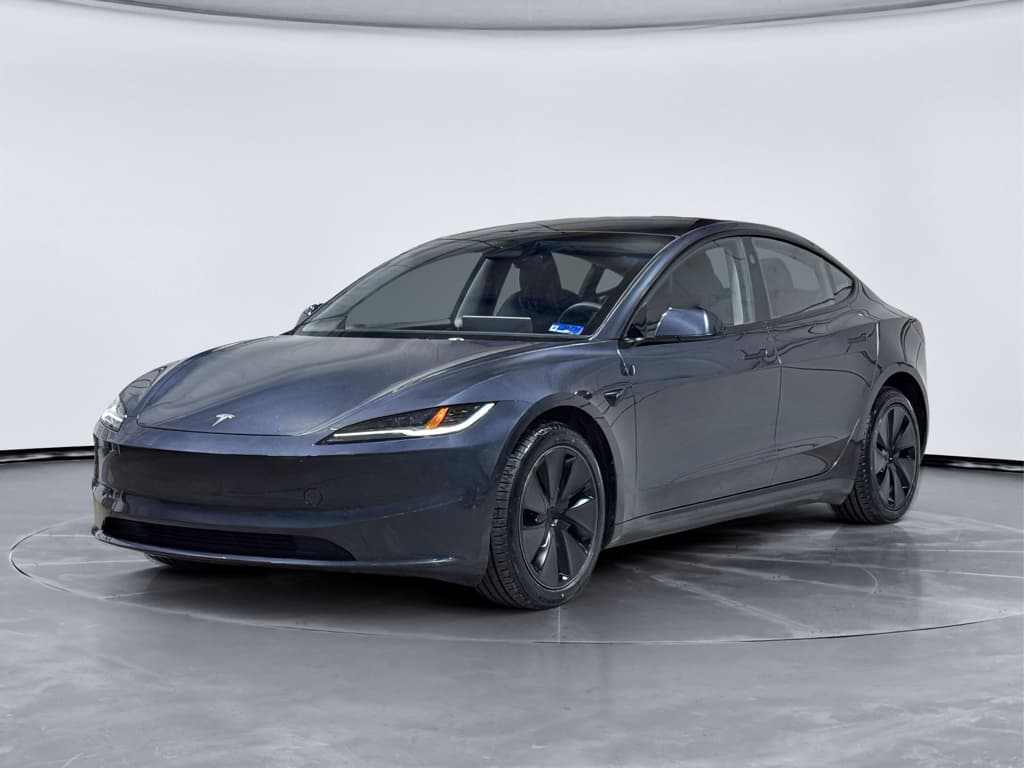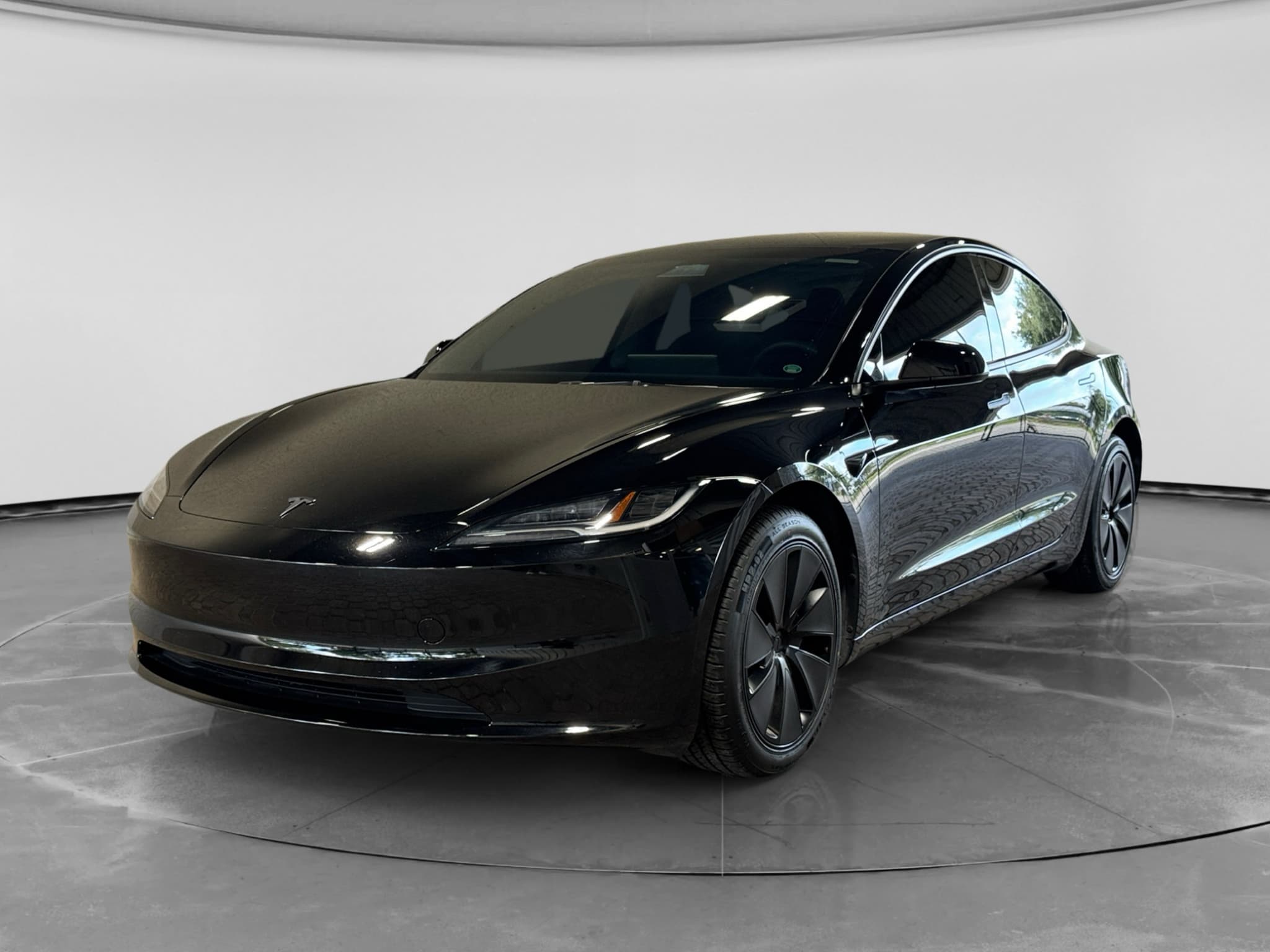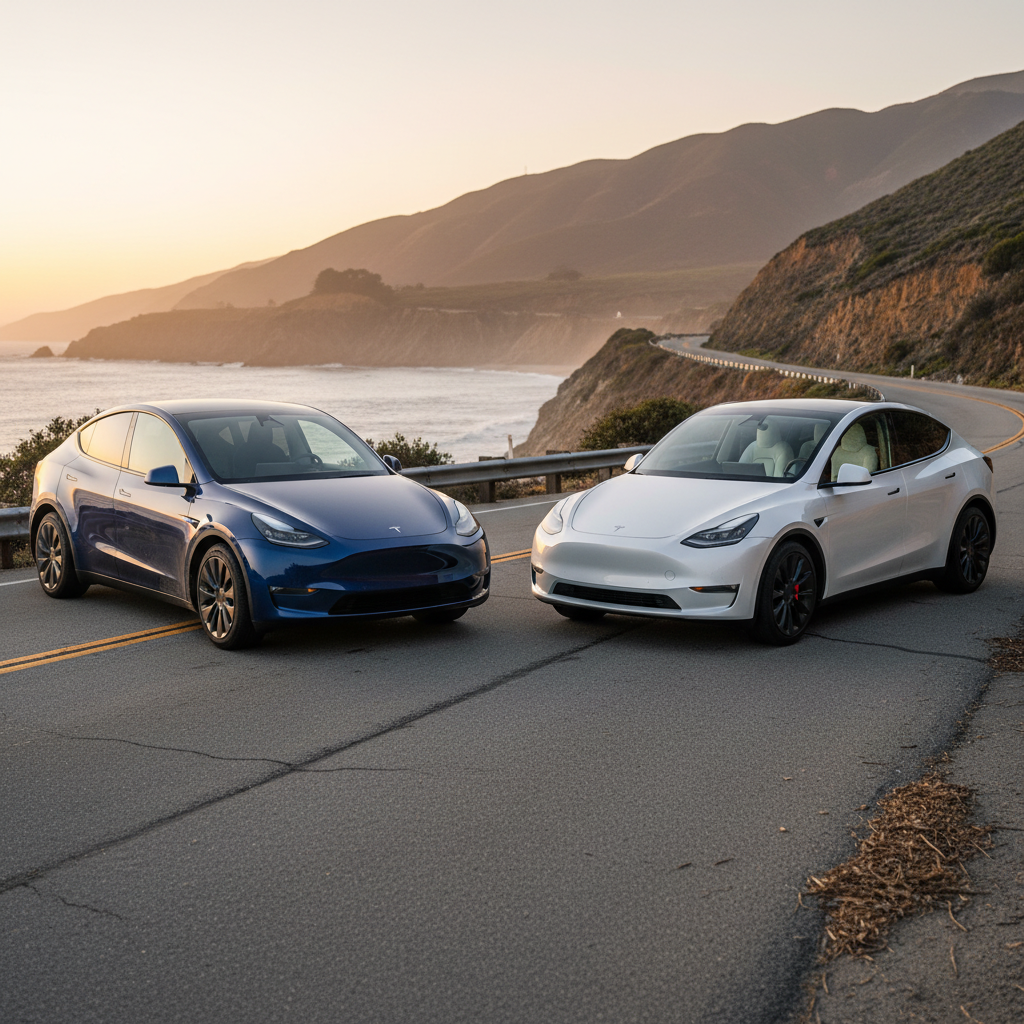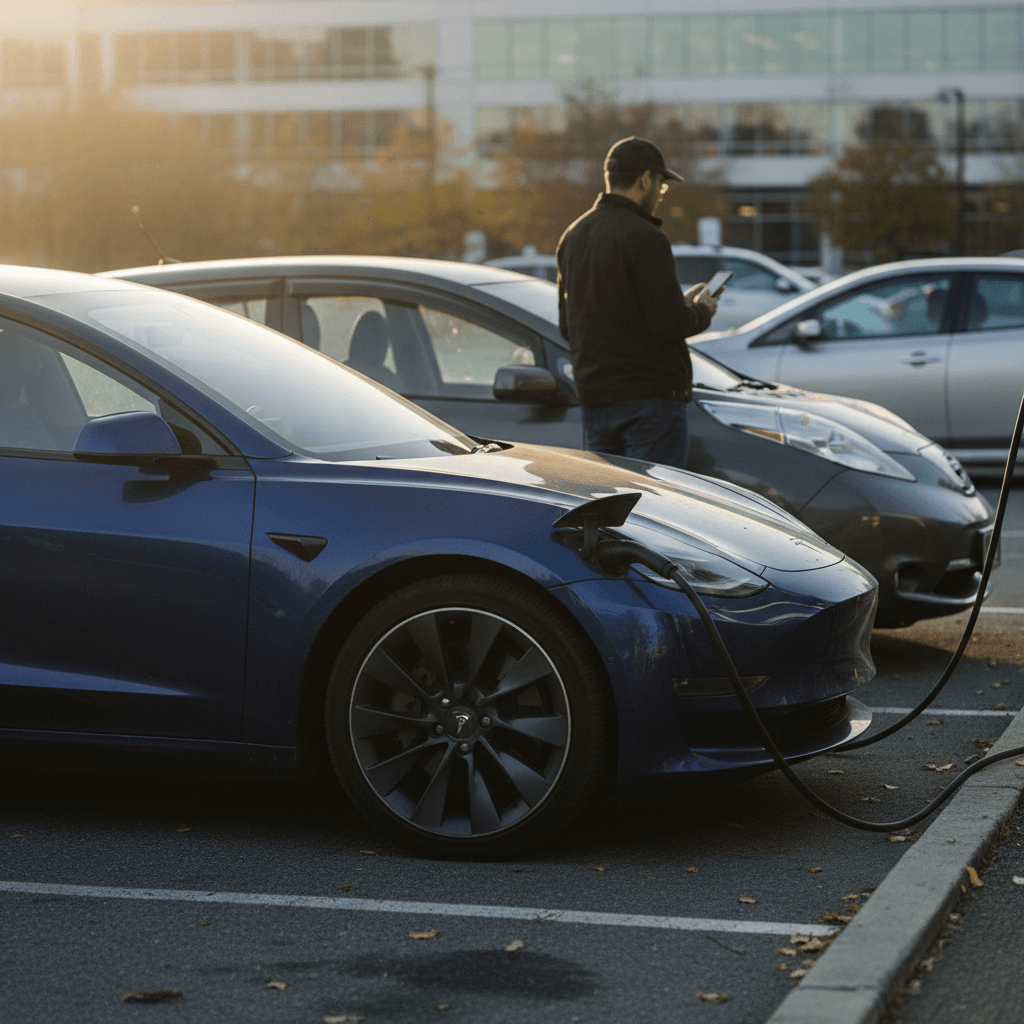
When you’re choosing a Tesla Model 3 color, you’re not just picking a vibe for your driveway. The paint you choose can sway how much your Model 3 is worth later, how fast it sells, and even how much you spend up front. This guide breaks down Tesla Model 3 color options, what they cost, and which ones tend to hold value best on the used market.
Quick take
Why Color Matters for Tesla Model 3 Resale Value
Across the broader car market, neutral “greyscale” colors, white, black, gray, and silver, dominate new-car production and used listings. Recent research shows roughly 80% of new cars fall into one of these four shades, with colors like red and blue making up a much smaller share. That pattern carries into the EV world and the Tesla Model 3 in particular.
- More popular colors = larger pool of buyers later, which usually helps resale value and days-on-market.
- Rarer colors can either become sought-after (if they stay in fashion) or discounted (if they fall out of favor).
- Certain paints show dirt, swirl marks, or rock chips more easily, which affects how “fresh” a used car looks without expensive detailing.
Because the Model 3 is produced at relatively high volume and colors have come and gone over the years, you’re really balancing three variables: upfront paint cost, ongoing maintenance, and future buyer demand. Get those roughly right, and color becomes a quiet tailwind for your car’s value instead of a drag.
Tesla Model 3 Color & Value Snapshot
The Current Tesla Model 3 Color Lineup
Tesla’s palette has changed a few times, but if you’re shopping the U.S. market for a 2018–2024 Model 3, you’ll mostly see a familiar set of five paints:
Core Tesla Model 3 Color Options (U.S., Recent Years)
Common factory colors you’ll see repeatedly on the U.S. used market, plus how they’re typically positioned.
| Color | Type | Factory Price (new) | Market Positioning | How Common It Is |
|---|---|---|---|---|
| Pearl White Multi-Coat | Multi-coat | Often included | Default "free" color for many years | Very common |
| Solid Black | Solid | Extra cost | Entry premium color | Common |
| Midnight Silver Metallic | Metallic | Included or modest upcharge | Stealthy, practical gray | Very common |
| Deep Blue Metallic | Metallic | Mid-tier upcharge | Sporty, less common than gray/white | Moderately common |
| Red Multi-Coat | Multi-coat | Highest upcharge | Flagship, “special order” feel | Least common of the five |
Exact availability and pricing vary slightly by model year and region, but these patterns hold for most Model 3s you’ll shop today.
Used buyers: watch the “free” colors
Upfront Paint Price vs Resale Value by Color
One trap new buyers fall into is assuming that paying more for paint today guarantees you’ll “get it back” at resale. In reality, the used market rarely reimburses every dollar of a premium paint option. What you’re usually doing is buying a slight edge in demand and a color you’ll enjoy living with.
How Tesla Model 3 Colors Tend to Behave on the Used Market
High-level view of how each common color balances upfront cost, demand, and value retention over time.
| Color | Upfront Cost (New) | Used Market Demand | Value Retention Tendency | Notes |
|---|---|---|---|---|
| Pearl White Multi-Coat | Lowest / often included | Very high | Strong | Safe, easy to resell, huge buyer pool. |
| Midnight Silver Metallic | Low–mid | High | Strong | Timeless gray, hides dirt and swirl marks well. |
| Solid Black | Low–mid | Medium | Average–weak | Looks great when perfect, but shows wear fastest. |
| Deep Blue Metallic | Mid | Medium–high | Moderate–strong | Less common, good choice if maintained well. |
| Red Multi-Coat | Highest | High but niche | Strong on % basis | Costs more up front; tends to keep more of that premium. |
These are directional, market-based impressions, real value still depends on mileage, battery health, region, and overall condition.
Don’t overpay just for paint
So Which Tesla Model 3 Color Holds Value Best?
For the Model S and Model X, we have hard data tying specific colors to stronger or weaker resale performance. With the Model 3, production only really ramped from 2018 onward, so the sample size is smaller and the car is still working through its first decade on the road. That means you should treat any “winner” here as a trend, not a law of physics.
Color Leaders for Tesla Model 3 Resale Value
If you care about what your car is worth five to eight years down the road, these are the standouts today.
Pearl White Multi-Coat
Why it’s strong:
- Often the default no‑cost color, so buyers are used to seeing it.
- Neutral, works for personal or business use.
- Resists looking “dated” as design trends change.
On a percentage basis, Pearl White tends to hold a solid share of original value, especially because you didn’t pay extra for it in the first place.
Midnight Silver Metallic
Why it’s strong:
- One of the most popular choices on both new and used Model 3s.
- Hides dirt and micro‑scratches better than black.
- Appeals to a wide range of buyers, from fleet to enthusiast.
If you want a color that is easy to live with and easy to sell, Midnight Silver is hard to fault.
Red Multi-Coat
Why it’s strong (with nuance):
- Lowest production volume among core colors.
- Highest new‑car paint cost, which creates a value gap over cheaper colors.
- Enthusiasts often seek it out on the used market.
Red tends to maintain more of its price premium versus white/black/gray, as long as the rest of the car is well kept.
If your goal is a rational, value-conscious choice, Pearl White and Midnight Silver are your safest bets. If you’re willing to pay more now to stand out and probably recoup some of that spend later, Red Multi‑Coat is the more speculative, but often rewarding, play.
Color Popularity, Days-on-Market & Buyer Demand
Beyond raw resale dollars, color also affects how quickly your Model 3 sells when it’s time to move on. The more buyers who are willing to consider your color, the less you’ll have to discount to get attention.
Popular, neutral colors
- Pearl White and Midnight Silver match mainstream taste and corporate fleets.
- Easier to photograph and list online without obsessive detailing.
- Used buyers often filter for these colors first, which boosts views and leads.
Result: these colors tend to have shorter days-on-market and tighter price bands.
Rarer, expressive colors
- Red and Deep Blue are less common and more emotional choices.
- They can sit a bit longer if you price at the top of the market.
- But when the right buyer appears, they’ll often pay a premium.
Result: pricing can be more volatile, great if you find the right enthusiast, weaker if you need to sell fast.
How Recharged uses color data
Recharged data
Used Tesla Model 3 battery health
88%
avg remaining capacity
From Recharged battery inspections, not manufacturer estimates.
- Lowest
- 73%
- Median
- 87%
- Highest
- 100%
- Est. range
- 277 mi avg
- Cell balance pass
- 100%
- Quick charges
- 23 avg
- Slow charges
- 75 avg
Average cell imbalance: 5.5 mV
Based on vehicles Recharged tested as of Jul 23, 2026
Recharged data
Used Tesla Model 3 prices at Recharged
$31,997
median list price
Current list prices for matching inventory at Recharged.
- Lowest
- $18,999
- Average
- $32,586
- Highest
- $51,599
Average Recharged Score on these listings
4.8 / 5
Range
4.1 – 5.0
Based on available listings as of Jul 23, 2026
Maintenance: How Each Color Ages in the Real World
Your paint’s condition is what buyers actually see. Two cars in the same color can be priced very differently if one has dull clearcoat and curb-rash and the other looks freshly detailed. Different colors also hide or highlight those flaws in very different ways.
How Tesla Model 3 Colors Age Over Time
Pearl White Multi-Coat
Excellent at hiding dust, light scratches, and minor water spots. Yellowing is rare if you avoid cheap resprays. Great candidate for owners who don’t want to detail obsessively.
Midnight Silver Metallic
Arguably the most forgiving color. Road grime and swirl marks blend into the gray. When polished, it gives a high-end, understated look that used buyers like.
Solid Black
Stunning when perfect, brutal when neglected. Shows every wash mark, pollen grain, and rock chip. Expect to invest more in washing, polishing, or even ceramic coating if you want top-dollar resale.
Deep Blue Metallic
Shows dust more than gray but less than black. When well-kept, it photographs beautifully and can look more upscale than its paint-price suggests.
Red Multi-Coat
The multi-coat finish has impressive depth but needs consistent washing to avoid visible water spots and etching. A good detail makes red cars pop in listings.
Beware cheap repaints
How Climate & Region Affect the “Best” Model 3 Color
Where you live also nudges which Model 3 colors hold value best. Sun, road salt, and local taste all play a role.
Climate & Region: How They Change the Color Math
A color that’s ideal in Seattle might be a headache in Phoenix.
Hot, sunny climates (AZ, NV, Southern CA, TX)
- Lighter colors (Pearl White, Silver/Gray) reflect more heat and help keep the cabin cooler.
- Dark colors like Solid Black can fade faster and show baked-in water spots.
- White and gray cars often feel like the default, which supports resale.
Cold/snowy climates (Upper Midwest, Northeast)
- Darker colors hide winter slush, but bright white looks clean against snow.
- Road salt shows more on black and blue, but washes off either way.
- Regional preferences tend to mirror national trends: white, gray, and black dominate listings.
On the coasts and in urban markets, you’ll also see more appetite for bold colors like Red and Deep Blue, especially on Performance trims. That local enthusiasm can support stronger resale compared with smaller markets where buyers stick to business-friendly neutrals.
Shopping Used: How to Weigh Color Against Price & Condition
If you’re shopping a used Tesla Model 3, color should come after the big value drivers: battery health, accident history, mileage, warranty status, and options like Autopilot or Long Range. Once you’ve narrowed down to a few solid candidates, color becomes a smart tiebreaker.
Used Model 3 Shopping Order of Operations
1. Start with battery health
A healthier pack is worth far more than the “right” paint. With Recharged, every car includes a Recharged Score with verified battery diagnostics so you’re not guessing.
2. Check history & structure
Avoid cars with major accident repairs or structural damage, even if they’re in your favorite color. Clean history plus original paint almost always sells stronger.
3. Evaluate mileage & usage
High highway mileage is different from hard urban use. A higher-mileage white car with great service records can still be a far better buy than a lower-mileage black car that’s been abused.
4. Compare trim, options & software
Performance and Long Range cars, or vehicles with paid FSD/Enhanced Autopilot, will often outweigh minor color preferences when it comes to future value.
5. Then factor in color & condition
Once fundamentals check out, use color to break ties: choose the shade you’ll enjoy living with that will also appeal to the broadest pool of future buyers.
Use color to your advantage
How Recharged Helps You See True Value Beyond Color
At Recharged, we love talking about paint and spec details, but we care most about making EV ownership transparent and financially sane. That’s why every used EV on our marketplace, including Tesla Model 3s in every color, comes with a Recharged Score Report that surfaces what actually drives value.
What You Get When You Buy a Used Model 3 Through Recharged
Color is just the starting point.
Verified battery health
Fair market pricing
Nationwide delivery & EV specialists
Ready to find your next EV?
Browse VehiclesIf you’re near Richmond, VA, you can also visit our Recharged Experience Center to see different EV colors and finishes in person, ask questions about long-term ownership costs, and get help comparing vehicles that have already been vetted for battery health and history.
Frequently Asked Questions About Model 3 Colors & Resale
Tesla Model 3 Color & Value FAQ
Bottom Line: Picking the Best Tesla Model 3 Color for Value
If you’re focused purely on resale value and ease of ownership, Pearl White Multi‑Coat and Midnight Silver Metallic are the safest Tesla Model 3 color options. They’re popular, practical, and supported by a deep pool of used buyers. If you’re willing to spend a little more and maintain the paint carefully, Red Multi‑Coat and Deep Blue Metallic can deliver stronger prices relative to comparable white or gray cars, especially among enthusiasts, though they may take longer to find the right buyer.
Most importantly, remember that paint is secondary. Battery health, history, mileage, and how the car has actually been used will always have a bigger impact on what your Model 3 is worth than the color alone. If you want help balancing those tradeoffs, browse used Model 3 listings on Recharged, where every car includes a Recharged Score Report, fair market pricing, and EV‑specialist support to guide you from color choice all the way through delivery.