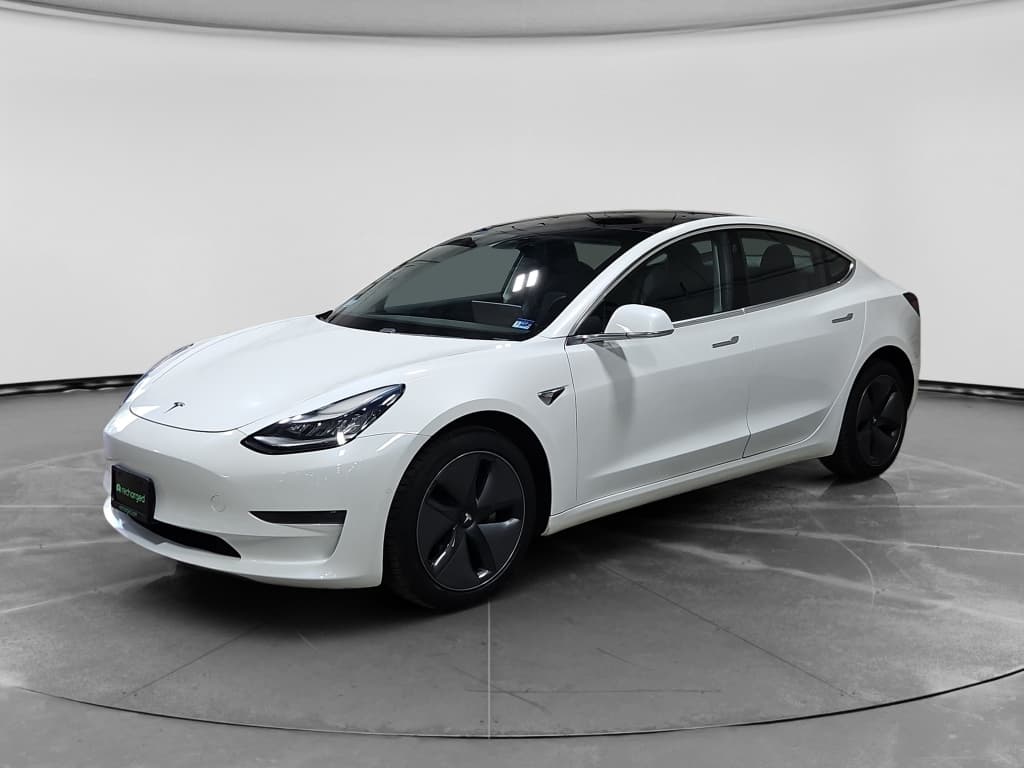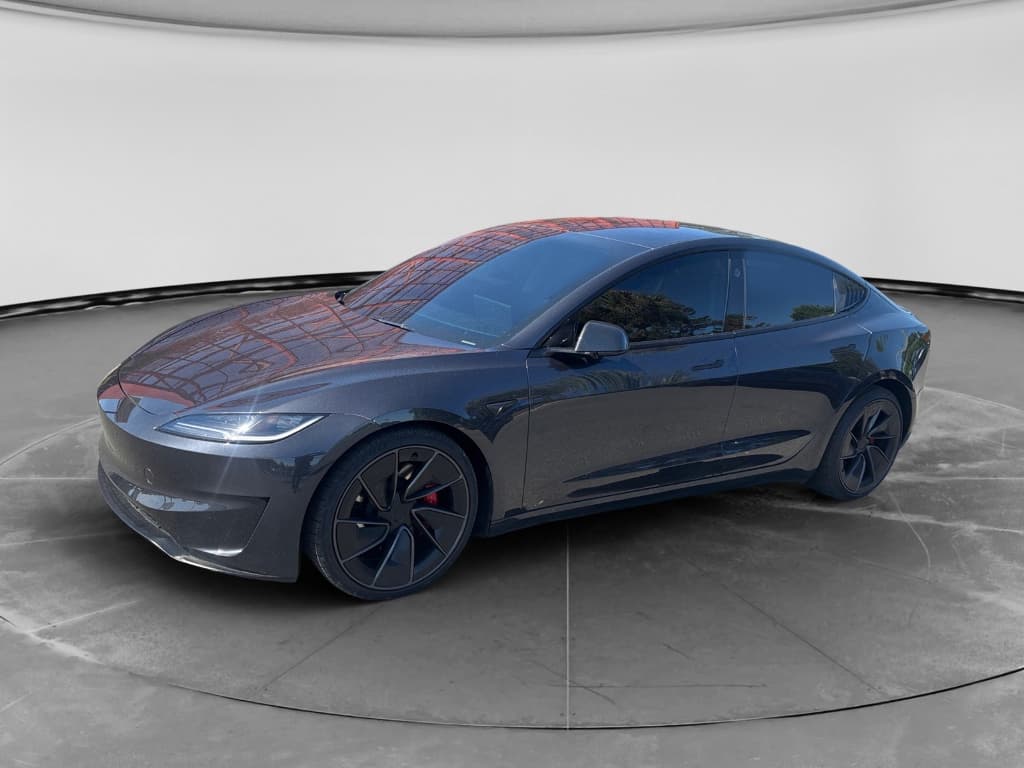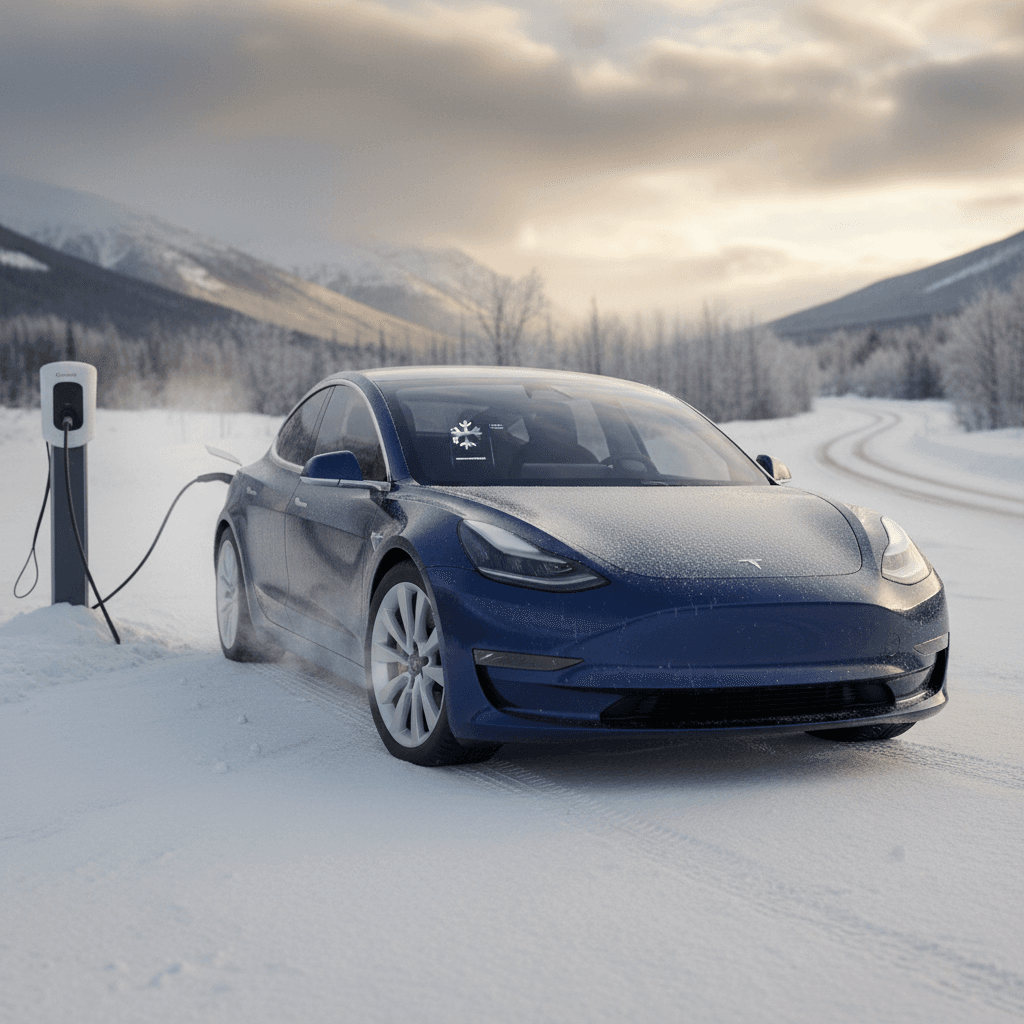
If you’ve driven a Tesla Model 3 through a real winter, you already know the headline: in cold weather, range drops. What most owners (and shoppers) really want to understand is how much Tesla Model 3 cold weather range loss is normal, how much is avoidable, and whether it should change how you buy or drive the car, especially if you’re looking at a used Model 3.
Key takeaway up front
Why the Tesla Model 3 Loses Range in Cold Weather
Cold-weather range loss isn’t a Tesla quirk; it’s basic battery physics plus cabin comfort. Lithium‑ion cells are less efficient when cold, and your Model 3 has to spend extra energy heating both the battery and the cabin before you even start moving.
- Battery chemistry slows down: In low temperatures, internal resistance rises, so you get less usable energy from the same state of charge (SOC) until the pack warms up.
- Cabin heating is energy‑hungry: Keeping the cabin at 70°F when it’s 15°F outside can draw several kilowatts, especially at startup.
- Thicker air and rolling resistance: Cold, dense air increases aerodynamic drag; cold tires and grease add rolling losses.
- More preconditioning and idling: Warming the car via the app, scraping windows, and short errand runs all consume energy without covering much distance.
What your dash is really telling you
How Much Tesla Model 3 Cold Weather Range Loss Is Normal?
Typical Tesla Model 3 Winter Range Loss
Across independent winter tests and real‑world fleet data, a Tesla Model 3 usually retains around 70–80% of its mild‑weather range in typical freezing conditions, and roughly 50–70% in very cold or mixed short‑trip use. Some Norwegian and North American winter tests have shown the Model 3 losing around a third of its EPA range in freezing temperatures, which lines up with owner reports and Recharged’s own winter driving analysis.
When to worry
City vs Highway: Why Short Winter Trips Hurt Most
One of the biggest sources of confusion is that winter range loss doesn’t scale linearly with distance. A Model 3 that looks terrible on a 3‑mile grocery run can look surprisingly good over a 150‑mile highway stint.
Short city trips
- Biggest hit comes from initial warm‑up of the battery and cabin.
- If you make many 5–10 minute trips, you’re paying that warm‑up penalty over and over.
- Wh/mi can easily spike 40–60% vs summer for these hops.
This is why some owners swear winter “cuts range in half”, their usage pattern amplifies the overhead.
Longer highway drives
- Once the battery and cabin are warm, the incremental heating load drops.
- Efficiency still takes a hit from cold air and higher speeds, but it’s steadier.
- On a 100–200 mile highway drive at 65–70 mph, many Model 3 owners see more like 20–35% loss vs similar summer trips.
For planning road trips, this longer‑drive behavior is the more relevant benchmark.
Pro tip for urban winter driving
Heat Pump vs Non–Heat Pump Model 3s
Tesla introduced a heat pump to the Model 3 and Model Y lineup, and it makes a real difference in winter efficiency. Heat pumps move heat instead of creating it purely with resistive elements, so they can deliver more cabin warmth per kWh in most conditions.
Model 3 Winter Range: Heat Pump vs No Heat Pump
Approximate real-world winter range loss based on fleet data and testing programs.
| Model 3 variant | Climate scenario | HVAC system | Typical winter range loss |
|---|---|---|---|
| Pre‑heat‑pump (older LR/RWD) | Around 20°F, mixed driving | Resistive + waste heat | ~20–30% range loss on longer drives; more on short city trips |
| Heat‑pump cars (newer builds) | Around 20°F, mixed driving | Heat pump + auxiliary | ~15–25% range loss on longer drives; still higher on short trips |
| Any Model 3 | Single‑digit °F, lots of preheating | Either system | Up to ~40–50% loss, especially with many short hops |
Numbers are illustrative averages from multiple data sources; your exact results will vary with speed, climate, and usage patterns.
How much difference does the heat pump make?
Temporary Winter Range Loss vs Long-Term Battery Health
It’s important to separate temporary cold‑weather range loss from permanent battery degradation. Cold weather makes some of the energy in the pack temporarily harder to access and increases consumption for heating, but it doesn’t, by itself, permanently damage the pack.
- When your battery is cold, your Model 3 may limit DC fast‑charge speeds and power output; this is protective behavior, not damage.
- As temperatures warm up in spring, most of the “lost” winter range returns, aside from any normal age‑related degradation.
- Permanent degradation is more about time, mileage, high‑SOC storage, and repeated deep fast‑charging than about a few cold months per year.
Good news for used‑Model‑3 shoppers
How To Set Up Your Model 3 For Winter
You can’t change physics, but you can configure your Model 3 so winter feels a lot less dramatic. Think of this as your baseline setup before you start worrying about advanced tricks.
Model 3 Winter Setup Checklist
1. Install appropriate winter or all-weather tires
Summer tires harden and lose grip, and efficiency, when it’s cold. A good set of winter or severe‑snow‑rated all‑weather tires improves safety and often reduces energy waste from traction control constantly intervening.
2. Enable Scheduled Departure with preconditioning
In the Tesla app or on the screen, use Scheduled Departure so the car finishes charging right before you leave and warms the cabin and battery from shore power. You start with a warm pack and more usable energy.
3. Use seat and steering‑wheel heaters first
Seat heaters sip energy compared to blasting cabin air heat. Set the cabin temperature a bit lower (e.g., 66–68°F) and lean more on seat and wheel heat for comfort.
4. Check tire pressure in the cold
Tire pressure can drop several PSI as temperatures fall. Underinflated tires increase rolling resistance and can cost you a noticeable chunk of range, plus they’re a safety issue.
5. Keep software and navigation up to date
Tesla continuously tweaks efficiency, battery preconditioning, and routing. Staying current ensures your Model 3 is using the latest logic for predicting charging stops and preparing the pack before fast charging.
6. Clean snow and ice from the car
Snow on the hood, roof, and wheel wells adds weight and drag. Clearing it before you drive isn’t just about visibility; it can meaningfully help efficiency, especially at highway speeds.
Driving Strategies To Cut Winter Range Loss
Once your Model 3 is set up for winter, the next lever is how you actually drive. You don’t need to crawl in the right lane, but some habits are worth adjusting when temperatures drop.
Practical Driving Tweaks That Matter Most
Low‑friction changes that improve your winter efficiency without ruining the driving experience.
Moderate your speed
Above about 65–70 mph, aerodynamic drag climbs quickly. In winter, dense air makes this worse.
- Dropping from 75 mph to 65 mph can save 10–15% range.
- Use Autopilot with a slightly lower set speed on long trips.
Avoid repeated cold starts
Each cold start burns energy to re‑warm the battery and cabin.
- Batch errands into one loop instead of several tiny trips.
- If possible, park in a garage so the car starts less cold.
Smart HVAC use
Cabin comfort is non‑negotiable, but how you get it matters.
- Use seat heaters first; they’re far more efficient.
- Dial cabin temp down a couple of degrees and avoid constant full‑blast defrost unless necessary.
Eco‑driving without misery
Smarter Winter Charging Strategy
Charging habits are where many owners either quietly fix half their winter complaints, or accidentally make them worse. In cold weather, you’re juggling three goals: comfort, convenience, and battery health.
- Charge more often, to lower SOC targets: Instead of trying to run from 100% to 5% in winter, think in smaller bites, say 70–80% down to 15–20%. This keeps you away from the extremes while leaving buffer for unexpected consumption.
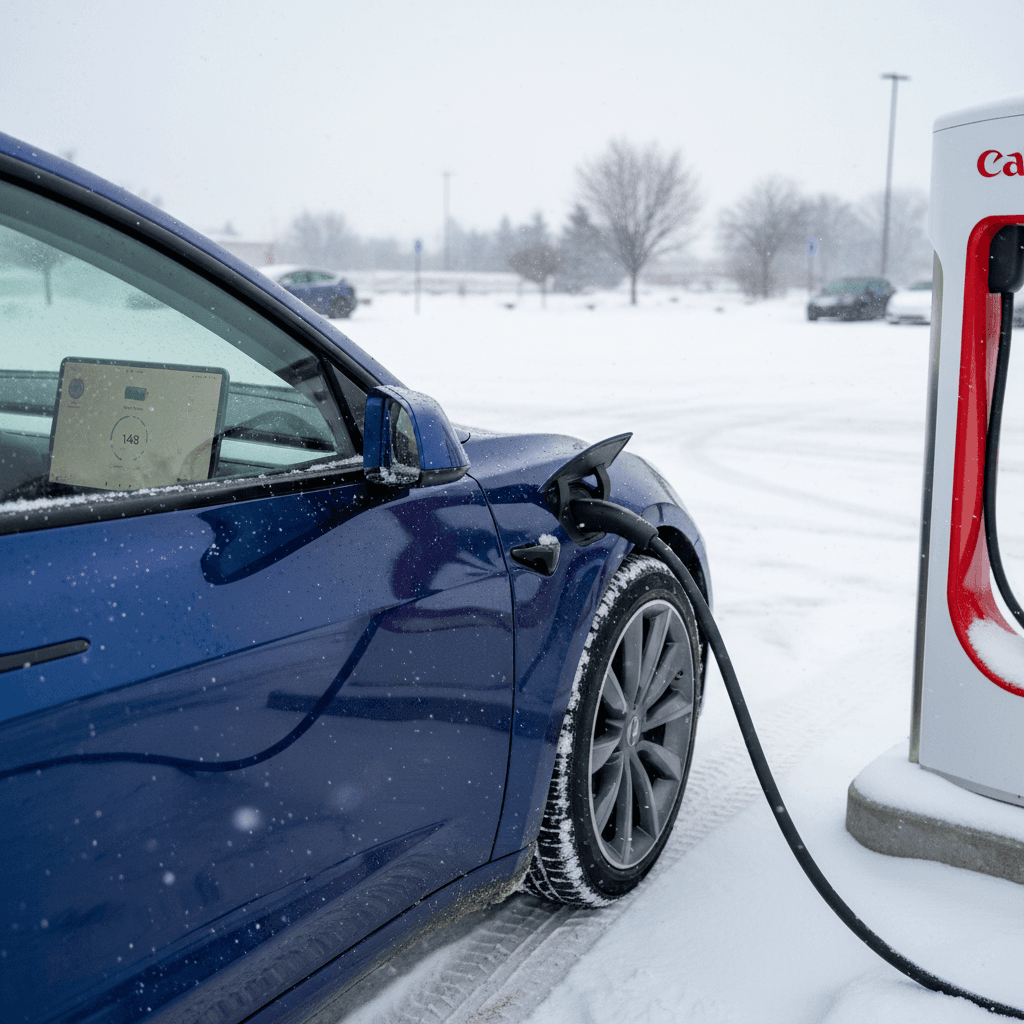
- Supercharge with a warm battery: Use the built‑in navigation so your Model 3 can precondition the pack before you reach a Supercharger. Arriving cold will slow charging dramatically and keep you in the stall longer.
- Stay plugged in at home: Leaving the car plugged in lets it draw power from the wall to maintain battery temperature and support preconditioning, rather than draining the pack.
- Time departure with charging: If your car finishes charging just before you leave, the pack is warm and you’ll get closer to the displayed range.
Don’t chase 100% charges daily
Planning Trips: Realistic Tesla Model 3 Winter Range
EPA labels are helpful for comparing cars, but you shouldn’t plan a January road trip off the sticker number alone. What matters is the realistic range band for your Model 3 in your climate and speeds.
Practical Winter Range Estimates for Tesla Model 3
Approximate usable highway range for common Model 3 variants in cold U.S. climates, assuming healthy batteries and efficient driving.
| Variant (EPA range, new) | Mild winter (~40°F) | Freezing (~25°F) | Harsh cold (~10°F & windy) |
|---|---|---|---|
| Model 3 RWD (EPA ~270 mi) | ~200–215 mi | ~175–195 mi | ~140–165 mi |
| Model 3 Long Range (EPA ~333–358 mi depending on year) | ~245–275 mi | ~215–245 mi | ~175–215 mi |
| Model 3 Performance (EPA ~303–315 mi) | ~225–245 mi | ~195–220 mi | ~160–190 mi |
Use these as planning ballparks with a 10–20% safety buffer, not as guarantees. Conditions, elevation, wind, and driving style will shift the real numbers.
How to use these numbers
When Winter Range Loss Means Something’s Wrong
Not every ugly winter efficiency number means your battery is dying. But there are patterns that should prompt a closer look, especially if you’re considering buying a used Model 3 or you’ve seen a sudden change in a car you’ve owned for years.
Red Flags vs Normal Winter Behavior
Use this as a sanity check before you panic, or before you buy.
Potential problem signs
- 50%+ range loss at moderate temps (25–35°F) on long drives, even with careful driving.
- Noticeably worse range than other Model 3s in similar conditions and spec.
- Very high Wh/mi (350–400+) at modest speeds without extreme cold or wind.
- DC fast charging remains slow even after a long highway run to warm the pack.
These patterns may indicate battery health issues, tire or alignment drag, or HVAC faults.
Likely normal behavior
- 30–40% loss on short, stop‑and‑go winter errands with lots of preheating.
- Better efficiency on longer highway drives than on city hops, even in the same temps.
- Range and charging behavior improve notably once spring temperatures return.
- Energy graph shows big early spikes that taper off as the car warms up.
Annoying? Sure. But this pattern is what healthy EVs do in cold climates.
If you suspect a real issue
FAQ: Tesla Model 3 Cold Weather Range Loss
Frequently Asked Questions
Should You Buy a Used Model 3 if You Live in a Cold Climate?
If you live in a place with real winters, a Tesla Model 3 will not deliver its EPA range year‑round, and you shouldn’t expect it to. But that doesn’t make it a bad winter car. When you size your battery with a realistic buffer, set up the car correctly, and adjust a few habits, winter range loss becomes something you plan around, not something you fear.
Where cold climates can bite shoppers is at the buying stage. Two Model 3s with the same year and trim can behave very differently in winter if one has a tired pack or mismatched tires and the other has been cared for. That’s why Recharged includes a Recharged Score battery health report, transparent pricing, and EV‑specialist guidance with every used EV we sell. If you’re weighing whether a used Tesla Model 3 fits your winter life, the right data, and a clear understanding of cold‑weather range, turns that decision from a leap of faith into a confident choice.