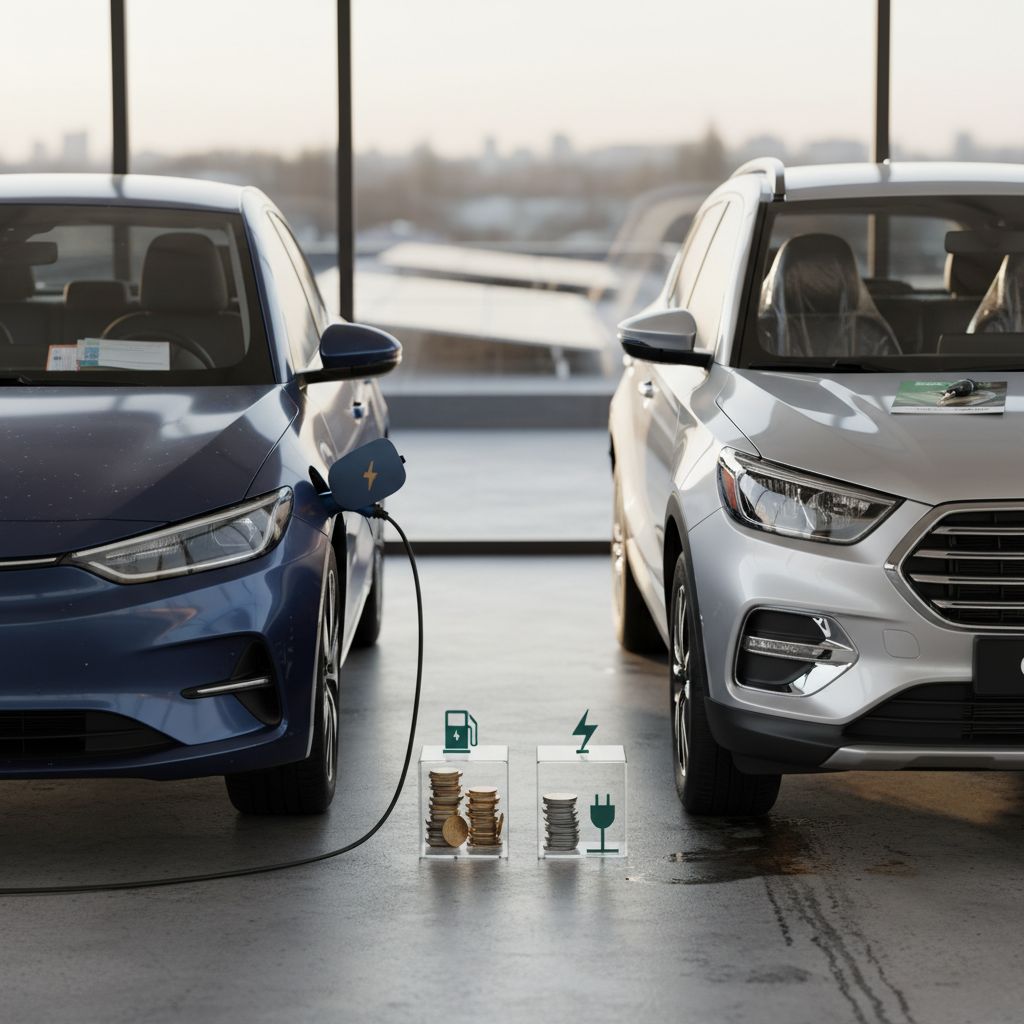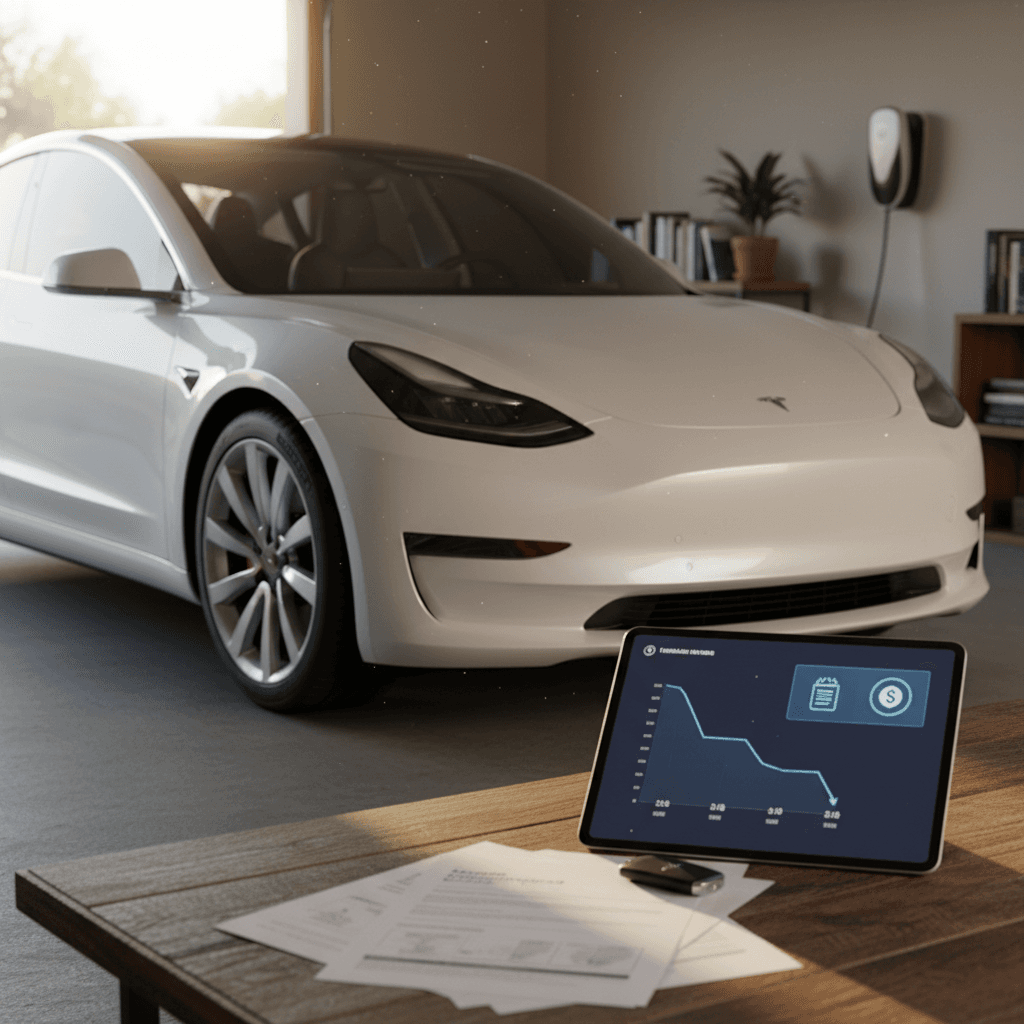
If you’ve shopped quotes lately, you already know the punchline: **Tesla Model 3 insurance is not cheap**. The good news is that "Tesla Model 3 cheapest insurance" isn’t a fantasy, drivers who understand how insurers price EVs can shave hundreds, sometimes over a thousand dollars a year off their premiums without gutting coverage.
TL;DR: Where Model 3 insurance sits today
Why Tesla Model 3 insurance feels expensive
Let’s start with the obvious question: *Why does a relatively small sedan cost as much to insure as some German luxury iron?* Insurers look at two things: **likelihood of a claim** and **cost to fix it when things go wrong**. The Model 3 isn’t a high‑theft muscle car, but it is a rolling glass-and-aluminum computer with a big, expensive battery. When these cars are hit hard, repair bills pile up quickly, and historically some have been written off as totals for damage that wouldn’t junk a conventional sedan.
There’s also a data problem. Insurers have decades of loss history for Camrys and Civics. EVs, especially Teslas, are comparatively new in large numbers. Less history means more uncertainty, and uncertainty gets priced into your premium. As more Model 3s accumulate crash and repair data, the pricing is slowly normalizing, but in 2026 you’re still paying for some of that actuarial nervousness.
EV myth check
How much does Tesla Model 3 insurance cost in 2026?
Tesla Model 3 insurance by the numbers (U.S.)
Across major studies that slice Tesla and EV insurance data, **most U.S. drivers will see full‑coverage Model 3 quotes somewhere between roughly $2,000 and $3,500 per year**, with outliers both cheaper and more punishing. That wide range is the whole game. You can’t change that your car is a Tesla, but you *can* decide whether you live at the top or bottom of that curve.
Typical Tesla Model 3 insurance ranges (ballpark, 2026)
These are rough, educational ranges for U.S. drivers with clean records. Your own quote will depend on your state, age, credit, mileage, trim and coverage choices.
| Driver profile | Coverage type | Likely annual range | What it usually means |
|---|---|---|---|
| 30s, good credit, suburban, clean record | Full coverage, 100/300/100 | $2,000–$2,800 | What many mainstream insurers quote for a base or RWD Model 3. |
| Urban, high‑cost state (CA, NY, FL etc.) | Full coverage, 100/300/100 | $2,800–$3,800+ | Dense traffic, high medical and repair costs drive rates up sharply. |
| Young driver (under 25), clean record | Full coverage, 100/300/100 | $3,000–$5,000+ | Youth surcharge plus tech‑heavy EV equals steep premiums. |
| 40s–50s, multi‑car, homeowner | Full coverage, 250/500/250 | $1,900–$2,700 | Big bundling discounts and a long clean history can more than offset higher limits. |
| Any age, minimum state limits | Liability only | $800–$1,400 | Much cheaper, but you’re on the hook for your own Model 3 if it’s wrecked. |
Use this table as a directional guide, not a guarantee, insurers reprice frequently.
Don’t chase “cheapest” by gutting coverage
Who has the cheapest Tesla Model 3 insurance?
No single company is cheapest for every Model 3 driver, but patterns do emerge. Recent nationwide comparisons often show **Nationwide, Progressive, Travelers, and some regional mutuals** quoting aggressively on Teslas in many states, while certain big legacy brands quote them like high‑end luxury cars. In some markets, **Tesla Insurance** itself undercuts everyone; in others it isn’t available at all.
Where cheap Model 3 insurance often hides
Use this as a hunting map, not gospel, always confirm with real quotes in your ZIP code.
Big national carriers
Companies like Nationwide, Progressive, Travelers and sometimes State Farm frequently surface with competitive Model 3 rates in national studies.
They win on multi‑policy discounts and broad appetite for EVs, but pricing is wildly state‑specific.
Regional & mutual insurers
Smaller regional brands and mutual companies quietly write some of the cheapest Tesla policies for clean‑record drivers.
They don’t always advertise heavily, so it’s worth checking comparison sites and local agents.
Tesla Insurance (where offered)
In states where it operates, Tesla Insurance can be very competitive for cautious drivers who benefit from its telematics‑based pricing.
It’s not always the lowest, and some regulators have raised concerns about its practices, so treat it like any other quote: compare, don’t assume.
Think of insurers less like brands and more like **risk specialists with particular tastes**. Some absolutely love late‑model EVs and reward you for driving one; others see your Model 3 and mentally tack on a glass‑roof surcharge. That’s why pulling **at least 5–8 quotes** is non‑negotiable if you’re serious about finding the cheapest option.
Factors that make Model 3 insurance cheaper or pricier
Things that usually lower your Tesla Model 3 premium
- Clean driving record (no at‑fault claims or recent tickets).
- Age 30+ with several years of continuous insurance.
- Living in a suburban or rural area with lower claim frequency.
- Driving fewer miles per year or using the Model 3 as a second car.
- Bundling home or renters insurance with the same company.
- Strong credit tier (in states where credit is allowed in pricing).
- Later‑model car with modern safety tech and good loss history.
Things that usually raise your Tesla Model 3 premium
- High‑cost states with expensive medical care and legal climates.
- Living in dense urban cores or theft‑prone ZIP codes.
- Performance trims and big wheels that boost repair costs.
- Youthful drivers, especially under 25, listed on the policy.
- High annual mileage or heavy commute use.
- Poor credit tier or recent lapses in insurance.
- Aftermarket modifications that are expensive to replace.
Spec sheet pro tip
11 ways to get the cheapest Tesla Model 3 insurance
Your step‑by‑step playbook for lower Model 3 rates
1. Decide on “good coverage at best price,” not rock‑bottom coverage
Before you start shopping, decide on realistic coverage: at least 100/300/100 liability, plus collision and comprehensive for most Model 3s. Then you hunt for the **cheapest company for that package**, rather than letting each insurer quietly strip different protections out of its quote.
2. Get 5–8 quotes, not 2–3
Insurers treat Teslas differently, and the spread can be **thousands of dollars a year**. Use at least one online comparison tool, then get a couple of quotes directly from carriers (including Tesla Insurance if it’s available in your state).
3. Compare apples to apples on deductibles
Raise physical damage deductibles thoughtfully, say from $500 to $1,000, once you have an emergency fund. That alone can drop a Model 3 premium substantially. Just be sure every quote you compare uses the **same deductible and coverage limits**.
4. Max out safe‑driver and telematics programs
Most large insurers now offer usage‑based plans that monitor your braking, cornering, late‑night miles and more. Model 3 drivers tend to score well when they keep the launch‑mode antics in check. Strong telematics scores can earn 10–30% discounts with some companies.
5. Bundle policies when it actually pays
Run the math both ways: auto‑only versus auto + home/renters with the same carrier. Bundling often saves 15–25%, but not always. If a company is just lukewarm on Teslas, a bundle discount may still leave them overpriced versus an EV‑friendly competitor.
6. Adjust annual mileage realistically
If your Model 3 is a second car, road‑trip toy, or you work from home, make sure your **annual mileage and usage type** reflect that. Many ratings systems give price breaks for low‑mileage or "pleasure use" vehicles compared with heavy commuters.
7. Add experienced drivers carefully
A mature, clean‑record partner on the policy can lower the household rate; a new teen can light it on fire. If you must add a young driver, ask your insurer whether listing them primarily on a cheaper, older car is allowed and how it affects the quote.
8. Ask about EV‑specific or safety discounts
Some carriers quietly offer **EV discounts** or price breaks for advanced safety tech like automatic emergency braking and lane‑keeping. Your Model 3 is loaded with this hardware, make sure your insurer is actually crediting it.
9. Pay in full or set up autopay
Most insurers tack on installment or billing fees if you pay monthly. Paying six or twelve months in full, or at least enabling automatic payments, can trigger small but real discounts that add up over several years of ownership.
10. Clean up tickets and old claims over time
Surcharges for at‑fault accidents and moving violations aren’t forever. Mark your calendar for the 3‑ and 5‑year anniversaries of major incidents and requote your Model 3 around those dates; drops in surcharges can translate directly into cheaper options.
11. Shop again when you change cars, or buy used
Changing trims, adding or removing a driver, moving states, even refinancing can all change your risk profile. Any time you buy a different car, including a <strong>used Tesla Model 3 from Recharged</strong>, treat it as a fresh opportunity to reshuffle your insurance and look for a better deal.
Where Recharged fits in
Ready to find your next EV?
Browse Vehicles
Special tips for used Tesla Model 3 insurance
Used EVs are where the value is right now, and the Tesla Model 3 is ground zero for that trend. The insurance story shifts a bit once depreciation has worked its magic. Your **collision and comprehensive** coverage (which protect your own vehicle) are partly priced off what the car is worth. As a 2019 or 2020 Model 3 slides down the value curve, those pieces of the premium can soften, especially if the car has a clean history and unremarkable repair record.
- Share the full vehicle history (including Recharged’s documentation) with your agent so they can rate the car correctly.
- Consider slightly higher deductibles on older Model 3s once their cash value falls below what you’d comfortably pay out of pocket.
- If your used Model 3 is financed, check the lender’s minimum coverage and gap insurance requirements before changing anything.
- Watch glass coverage: Tesla glass is expensive, and some comprehensive policies handle it differently; ask how your carrier treats panoramic roofs and large windshields.
- Requote periodically. As loss data accumulates on older Model 3s, some insurers are quietly improving pricing on them.
Why the Recharged Score helps
Tesla Insurance vs regular insurers: which is cheaper?
Tesla Insurance is the elephant in the room. Where it’s available, quotes can be very competitive, especially for calm, low‑mileage drivers who score well in Tesla’s safety‑score system. The company has deep data on how its cars behave and how Autopilot is used, and it prices your risk accordingly.
When Tesla Insurance is often cheaper
- You drive relatively few miles and mostly in daylight.
- You avoid harsh braking, rapid acceleration, phone use and tailgating.
- Your state has strong Tesla Insurance presence and competition.
- You’re comfortable with your driving being measured and scored.
When traditional insurers can win
- You dislike telematics or often drive at night and in heavy traffic.
- Your household has multiple vehicles and you want big bundle discounts.
- A regional or mutual carrier simply prices Teslas more kindly in your ZIP.
- Your state’s regulator has limited or scrutinized Tesla Insurance offerings.
Treat Tesla Insurance like any other quote
Why your state matters more than your badge
For insurance, your home address matters at least as much as the "T" on the nose. States like **Florida, New York, Louisiana and Michigan** routinely top charts for auto insurance costs, regardless of vehicle. Dense traffic, high medical costs, aggressive litigation, and severe weather all work their dark magic on premiums.
How location reshapes “cheapest” for a Model 3
Same driver and car, very different bills depending on the state.
| Scenario | Lower‑cost states (example) | Higher‑cost states (example) | Impact on Model 3 search |
|---|---|---|---|
| Clean‑record 35‑year‑old, suburban | OH, ID, VT | FL, LA, NY | A Model 3 can be fairly cheap to insure in lower‑cost states and painful in the highest‑cost ones. |
| Urban vs rural inside a state | Small‑town Texas | Downtown Houston or Dallas | Same state, same car, urban ZIPs may see 30–60% higher premiums. |
| Severe weather & hail | Temperate West Coast | Hail‑prone Plains, hurricane coasts | Comprehensive claims for storms and hail hit Tesla glass hard. |
These are illustrative gaps you’ll see across studies; always check what’s actually happening in your ZIP code.
Moving? Requote immediately
How insurance fits into total cost of ownership
There’s a temptation to stare so hard at premiums that you miss the bigger picture. Insurance is just one line item in the **total cost of owning a Tesla Model 3**, alongside payment, electricity, maintenance, taxes and depreciation. Multiple independent analyses over the last few years show that, despite sometimes higher insurance, EVs often **win the long‑game on total cost** thanks to lower fueling and maintenance bills.
Why a slightly higher premium can still pencil out
Compare the whole ownership stack, not just one painful bill.
Fuel vs electricity
A Model 3 sipping electrons can save thousands in fuel over its life versus a similarly quick gas sedan, especially if you can charge at off‑peak home rates.
Maintenance & repairs
No oil changes, fewer wear items, and regenerative braking mean **less routine service**. Major repairs can be pricey, but the day‑to‑day drip is lower than many ICE cars.
Used‑EV pricing
Used EV prices have cooled, making a used Model 3 a compelling deal up front. Pair that with shrewd insurance shopping, and the economics can be surprisingly friendly.
This is where Recharged’s whole reason for existing comes into focus. The platform is designed to make **used EV ownership financially transparent**, from battery health (via the Recharged Score) to fair pricing and expert guidance. Insurance is a key part of that story, and the more your buying decision is grounded in solid data, the easier it is to justify the premium.
FAQ: Tesla Model 3 cheapest insurance questions
Frequently asked questions about cheap Tesla Model 3 insurance
Insurance will never be the fun part of owning a Tesla Model 3. But it doesn’t have to be the part that sinks the math. Understand why insurers price the car the way they do, shop aggressively among EV‑friendly carriers, and be intentional about coverage and deductibles. If you’re hunting the used market, pair that strategy with a **well‑documented car and a clear battery‑health story from Recharged**, and you put yourself in the best possible position: the Tesla you actually want, and insurance that feels like part of a smart long‑term plan instead of a monthly ambush.