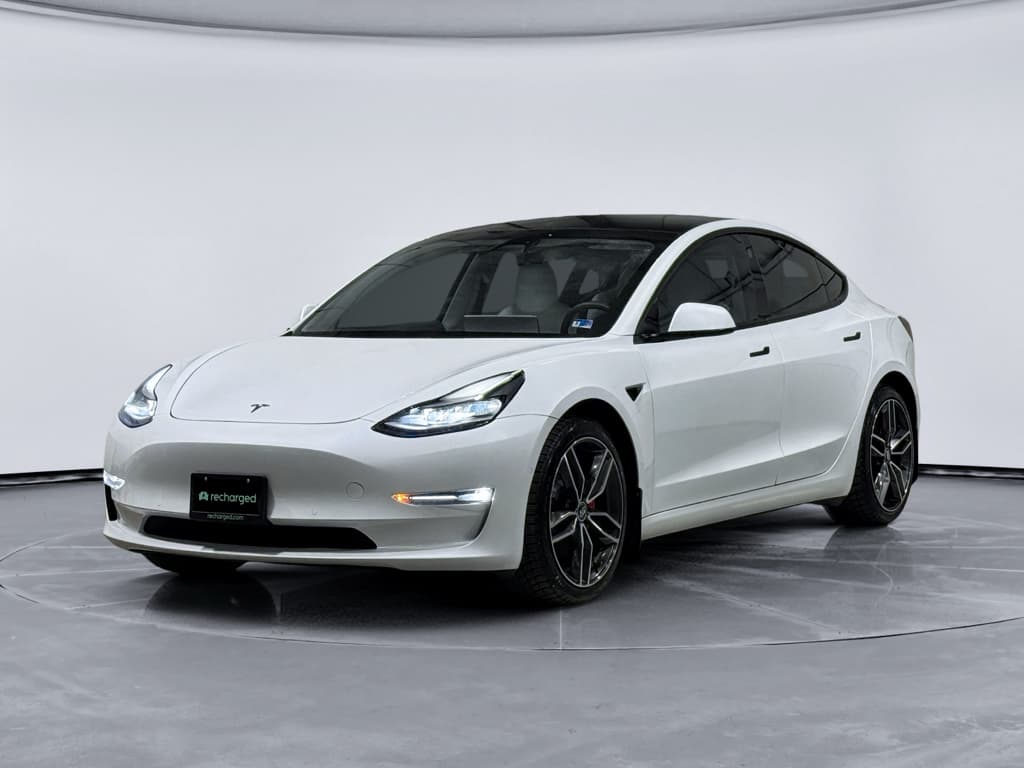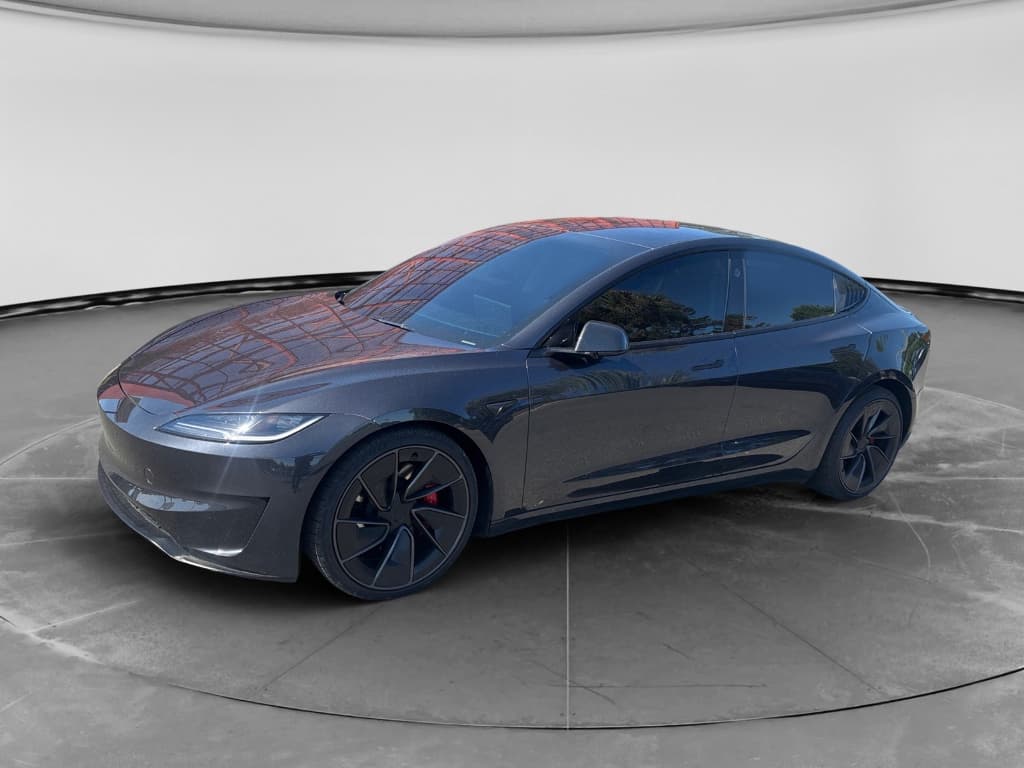
If you spend any time in Tesla forums, you’ll see the same question over and over: what are the Tesla Model 3’s biggest complaints, and should you be worried, especially if you’re thinking about buying one used?
High complaints, high satisfaction
Quick overview: the Model 3’s reputation vs. reality
Tesla Model 3 at a glance
Early Model 3s were infamous for panel gaps, paint flaws, and rattles. By 2023–2024, reliability scores had improved enough that major testing organizations restored their recommendations, but owner complaints haven’t gone away entirely. Instead, they’ve shifted toward software behavior, noise, and service more than catastrophic mechanical failures.
How to read complaints the right way
1. Build quality: paint, rattles, and wind noise
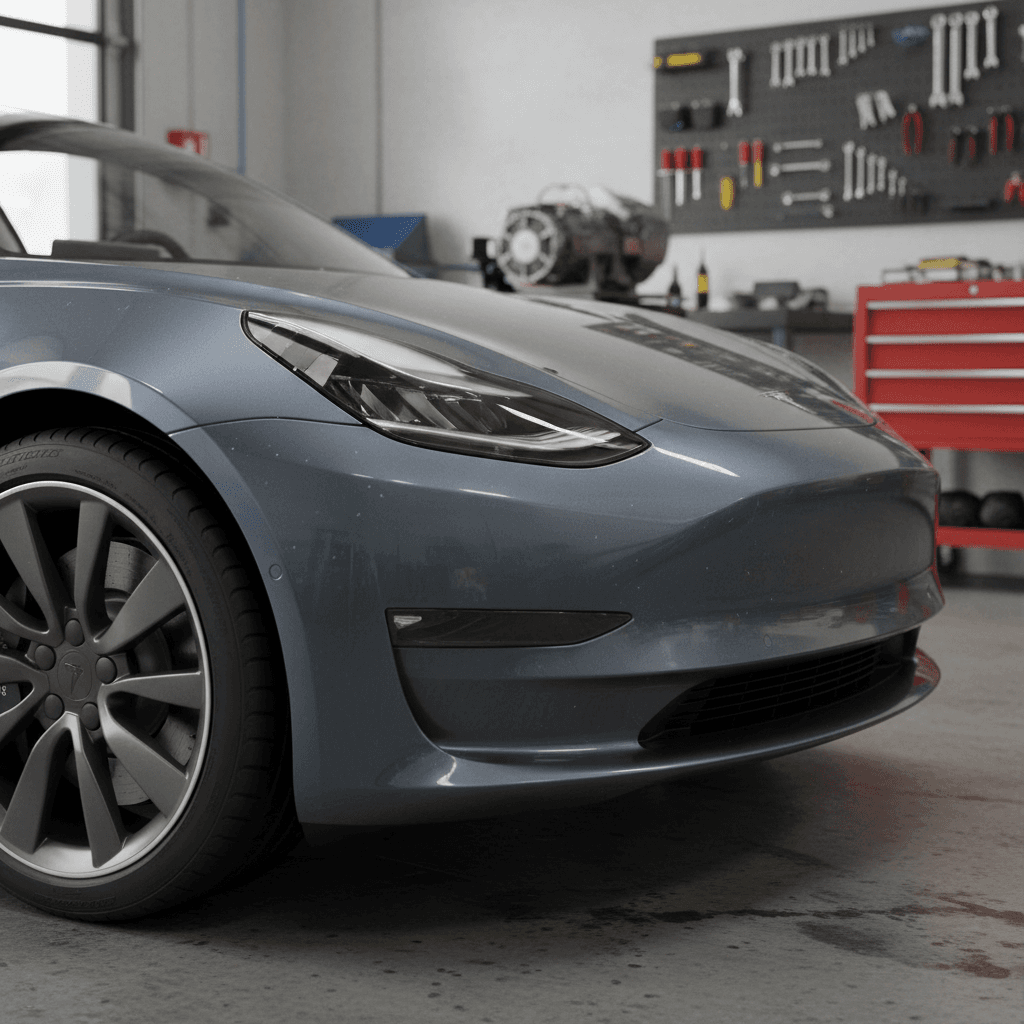
The single most persistent Tesla Model 3 complaint since launch has been inconsistent build quality. This shows up in three main ways: paint, panel alignment, and cabin noise.
Most common Model 3 build‑quality complaints
What owners notice in the first weeks and months
Thin or inconsistent paint
Owners frequently report:
- Thin clear coat and chips on lower doors/rockers
- Small paint blobs or dust under clear coat
- Color mismatch after repairs
Earlier years (2017–2020) saw more of this; newer builds have improved, but regional climate and road salt still matter.
Panel gaps and misalignment
Common examples include:
- Misaligned trunk or frunk lids
- Uneven door gaps
- Trim pieces not sitting flush
These flaws are mostly cosmetic but can affect water sealing and resale value.
Rattles and wind noise
Because the Model 3 is so quiet mechanically, you’ll hear:
- Dash and door rattles over rough pavement
- Wind noise around mirrors or glass roof
- Creaks from the suspension or seats
Later cars are better, but noisiness is still a recurring complaint, especially on coarse highways.
Why build quality matters more on a used Model 3
2. Ride comfort: road noise and rough suspension
The Model 3 is tuned more like a German sport sedan than a cushy commuter. Many owners love the handling; plenty complain about ride harshness and cabin noise, especially on 19–20" wheels.
What owners complain about
- Firm suspension: Sharp impacts over potholes and expansion joints.
- Road roar: Tire and pavement noise on coarse surfaces can be tiring on long drives.
- Seat comfort: Some drivers report fatigue from relatively flat, firm seats, especially in earlier years.
What’s actually going on
- Instant torque and low center of gravity reward a stiffer setup.
- Minimal sound‑deadening to keep weight and cost down.
- Low‑profile tires on Performance trims transmit more impact and noise.
If you’re coming from a soft crossover or luxury sedan, the Model 3 can feel surprisingly rigid and loud.
Spec choices that improve comfort
3. Software and infotainment: glitches in a screen‑dependent car
Another of the biggest Tesla Model 3 complaints is how heavily it relies on a single touchscreen for almost everything, and how often that software misbehaves.
Typical Model 3 software & infotainment issues
Annoyances that loom large when everything runs through one screen
Freezes and slowdowns
- Lag when shifting from Reverse to Drive
- Touchscreen freezing mid‑drive
- Delayed climate or defrost commands
A reboot usually fixes it, but it’s unsettling when your shifter and climate controls live inside that screen.
Connectivity quirks
- Intermittent Bluetooth pairing issues
- Wi‑Fi updates that won’t start or finish
- Streaming apps dropping audio
These are common in any connected car, but owners expect a “tech company on wheels” to do better.
OTA updates as a double‑edged sword
Over‑the‑air updates can:
- Fix bugs or recalls without a service visit
- Add features or range over time
- Introduce new bugs or regressions
Complaint spikes often follow major software releases when new behavior surprises owners.
When software complaints become safety issues
4. Autopilot and FSD: expectations vs. reality
No area generates more heated debate than Autopilot and Full Self‑Driving (FSD) on the Model 3. Technically, these are Level 2 driver‑assistance systems, you’re supposed to supervise them constantly. Practically, both the marketing and the interface encourage people to expect more than today’s technology can deliver.
- Phantom braking: Sudden, unnecessary deceleration for shadows, overpasses, or harmless vehicles in adjacent lanes is one of the top Autopilot complaints from Model 3 drivers.
- Inconsistent lane‑keeping: On winding or poorly marked roads, the car may ping‑pong within the lane or hug lines uncomfortably.
- Intersection behavior: Reports of FSD doing the wrong thing at complex intersections, rolling too aggressively, hesitating in the middle, or mis‑reading lights, have drawn regulator scrutiny.
- Driver monitoring and nags: Camera‑based monitoring can feel intrusive or inconsistent, nagging some drivers while failing to catch others zoning out.
- Value for money: Owners who paid thousands for FSD years ago still don’t have a true self‑driving car, and many feel the feature is over‑promised and under‑delivered.
Remember: it’s driver assist, not self‑driving
5. Battery degradation and charging experience
Compared with many EVs, the Model 3’s powertrain has held up well. Catastrophic battery failures are rare. But owners still complain about range loss, DC‑fast‑charging behavior, and cold‑weather performance.
Battery & charging complaints Model 3 owners talk about
Less about failures, more about expectations
Range loss over time
Most Model 3s lose some range in the first years, then plateau. Common complaints include:
- Displayed range dropping 5–15% from new
- Slower Supercharging than expected
- Range estimates that feel optimistic at high speeds
Hard driving, frequent fast‑charging, and hot climates accelerate degradation.
Cold‑weather performance
- Lower winter range than the EPA sticker suggests
- Sluggish regen until the pack warms up
- Heat pump or HVAC quirks in very cold climates
These affect all EVs, but owners new to electric driving often perceive them as “problems.”
Charging curve frustrations
Some owners complain that:
- Later software capped peak Supercharger speeds
- Charging slows aggressively above ~60–70%
- Stalls sometimes deliver less than advertised power
Again, this is standard battery protection behavior, but expectations don’t always match physics.
Good news on Model 3 batteries
6. Brakes, suspension, and TÜV findings
As European inspection data has accumulated, another pattern has emerged: brake, axle, and lighting defects showing up more often on Model 3s than on many mainstream cars. In Germany’s 2025 TÜV report, the Model 3 had one of the highest defect rates in its age classes, with particular flags for brakes, suspension components, and headlamps.
Technical issues that show up in inspections
What periodic inspections and long‑term owners tend to find
| Area | Typical complaint | Why it happens | What to check on a test drive |
|---|---|---|---|
| Brakes | Uneven wear or corrosion | Regenerative braking means friction brakes are used less, which can lead to rusted rotors in wet climates. | Listen for grinding, feel for pulsation, and inspect rotors visually through the wheels. |
| Suspension | Creaks, clunks, or loose feel | Relatively heavy car, firm tuning, and rough roads can wear bushings and links faster. | Drive over speed bumps and rough pavement at low speed with windows cracked; listen closely. |
| Lighting | Mis‑aimed or failing lamps | Moisture ingress, software glitches, or build variance. | Verify all external lights, including turn signals and brake lights; look for condensation in housings. |
Not all of these are catastrophic, but they’re worth checking carefully on a used Model 3.
Don’t ignore “just a little noise”
7. Service, body repair, and warranty frustrations
If there’s one area where Tesla consistently trails traditional automakers, it’s service and collision repair experience. On paper, over‑the‑air updates reduce the need for service visits. In reality, when you do need a human, you’re limited to Tesla’s service centers and approved body shops.
Where Model 3 owners get frustrated with service
Issues that rarely show up on a spec sheet but matter in real life
Long wait times
- Backlogged appointments for routine fixes
- Delays in getting parts, especially for bodywork
- Service centers spread thin outside major metros
Warranty gray areas
Owners report pushback when:
- Paint or glass issues are labeled “cosmetic” or “outside influence”
- Tire‑foam or suspension noises are flagged as wear‑and‑tear
- Software issues are deemed “normal behavior”
Collision repair pain
- Limited number of certified body shops
- High labor rates and lengthy repair times
- Insurance premiums reflecting those realities
A minor fender‑bender can become a months‑long saga.
Owning an EV isn’t just about what breaks, it’s about how quickly and fairly it gets fixed when something does go wrong.
Which Model 3 years are most affected?
The Model 3 has evolved a lot since 2017. Complaints tend to cluster by model year, reflecting Tesla’s rapid iteration cycle.
Model‑year complaint patterns at a glance
2017–2019: Early build and fit‑and‑finish issues
The earliest Model 3s concentrated most complaints in <strong>paint, panel gaps, weather seals, and random rattles</strong>. Software and Autopilot were less mature, and owners reported more phantom braking and mapping oddities.
2020–2022: Software maturity, still noisy
By 2020, mechanical reliability improved, but owners still flagged <strong>road noise, suspension clunks, and infotainment bugs</strong>. This era also corresponds with rising Autopilot/FSD scrutiny and more formal complaints to regulators.
2023–early 2024: Refreshed cars, lingering NVH
The refreshed Model 3 improved materials and refinement, and reliability scores climbed. Complaints shifted heavily toward <strong>noise/vibration, Autopilot behavior, and service hassles</strong> rather than failures.
Late 2024–2025+: OTA recalls and electronics
Recent recalls have focused on <strong>electronics like rear‑view cameras and power electronics components</strong>. These are usually addressed via software or targeted hardware replacements, but they add to the complaint count.
Model‑year vs. build‑date
How to avoid the worst Model 3 problems (especially used)
The good news: most of the Tesla Model 3’s biggest complaints are visible, audible, or testable before you buy, if you know what to look for. This is where a structured inspection and verified battery data make a huge difference, especially in the used market.
Pre‑purchase checklist for a lower‑drama Model 3
1. Inspect paint, panels, and glass in good light
Walk the car slowly, looking for thin paint on rocker panels, mismatched panels, or dust nibs under clear coat. Check the roof glass, windshield, and rear glass for chips, cracks, or signs of prior replacement.
2. Drive on rough and smooth roads
Take a long enough test drive to experience <strong>highway speeds and bad pavement</strong>. Listen for rattles, clunks, and wind noise around mirrors and the glass roof. Don’t let music or sales chatter cover up noises.
3. Stress‑test the screen and software
Cycle through navigation, climate, camera, and drive modes. Put the car in Reverse, then quickly back to Drive several times to see if the UI lags. Check that the rear‑view camera image appears promptly and clearly every time.
4. Check Autopilot behavior, but don’t over‑value FSD
On a safe stretch of highway, test basic Autopilot. Watch for phantom braking and lane‑centering. Treat FSD as an experimental driver‑assist option, not as a reason to pay thousands more on a used car.
5. Verify battery health and charging history
Ask for documentation of state of health, charging habits, and any battery‑related service. Tools like the <strong>Recharged Score</strong> use data‑driven diagnostics to quantify pack health and expected range rather than guessing from the dash display.
6. Review recall and service history
Confirm that software recalls, especially those affecting cameras, power electronics, or safety systems, have been applied. Look for repeat visits for the same complaint; that’s a red flag the issue may be hard to resolve.
How Recharged helps you de‑risk a used Model 3
Ready to find your next EV?
Browse VehiclesFAQ: Tesla Model 3 biggest complaints
Frequently asked questions about Model 3 complaints
Bottom line: is a Tesla Model 3 still worth it?
The Tesla Model 3’s biggest complaints are real, and you shouldn’t gloss over them. This is a car that trades some traditional refinement, quiet cabins, flawless paint, dealer ubiquity, for software‑driven features, fast charging, and EV‑native design. If you walk in expecting a silent Lexus, you’ll be disappointed. If you expect a quick, efficient EV with some rough edges, you’ll be much happier.
Where the Model 3 shines is in its core EV attributes: efficiency, charging network, and driving dynamics. Where it stumbles is in the unsexy but important details, noise, service, panel alignment, and how much trust you put in driver‑assist systems. When you shop used, those details matter even more, because you’re inheriting years of someone else’s usage and software updates.
If you’d rather not navigate that alone, buying through a specialist used‑EV retailer like Recharged can de‑risk the process. With verified battery diagnostics, transparent condition reporting, and EV‑savvy guidance, you can enjoy what makes the Model 3 great, while minimizing your exposure to the complaints you’ve just learned about.