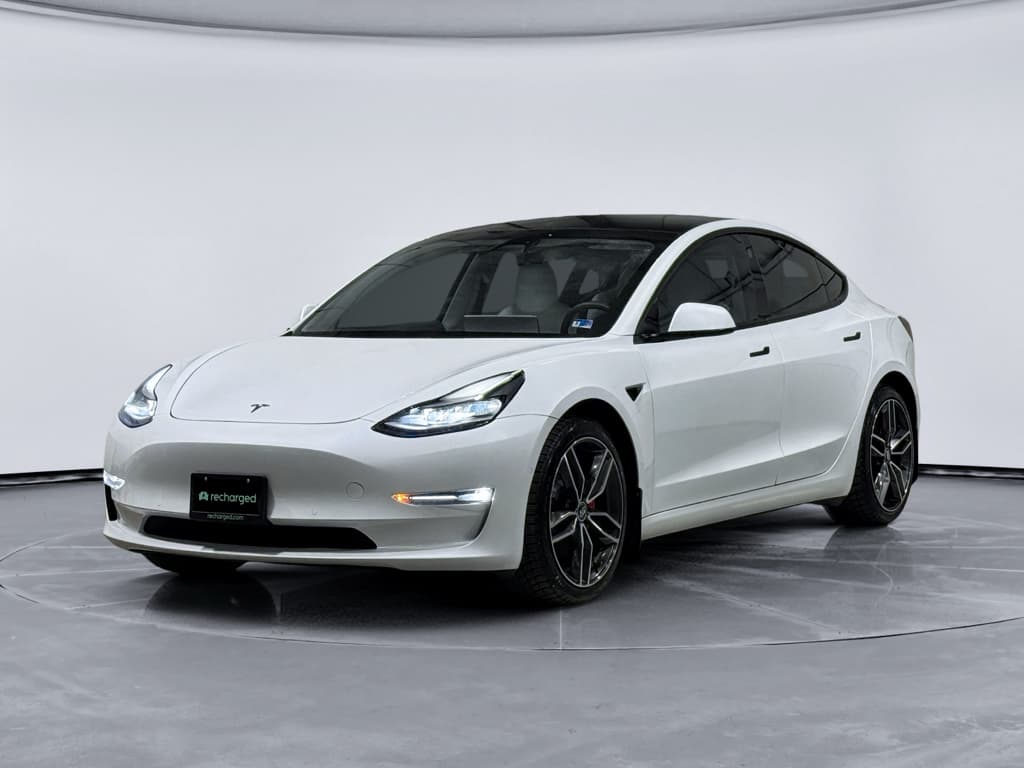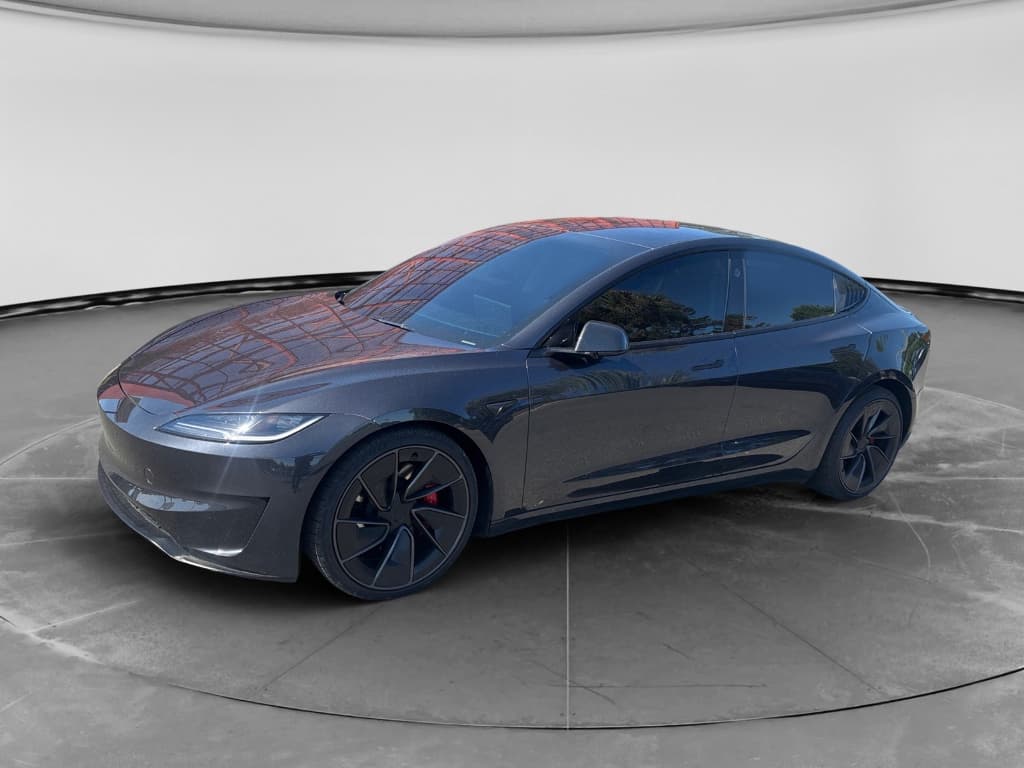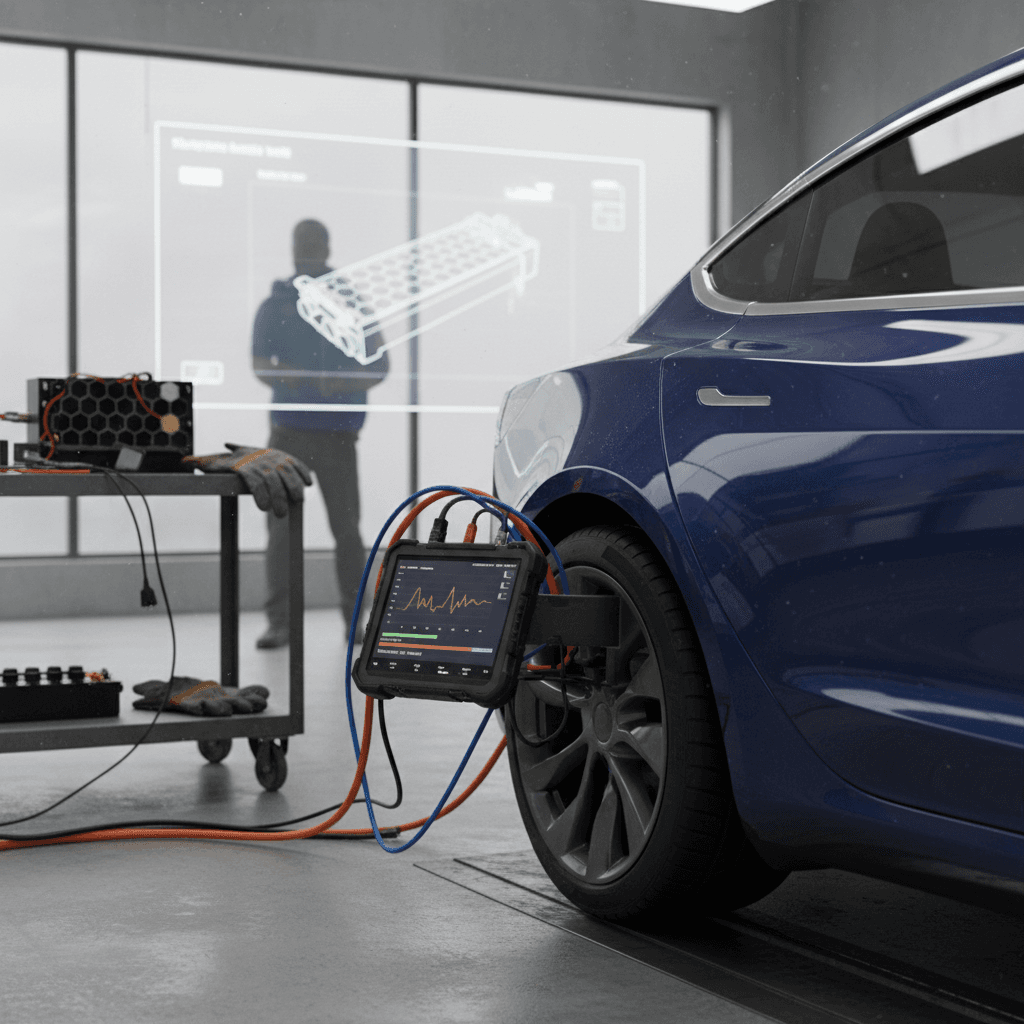
If you’re trying to understand the Tesla Model 3 battery warranty and what it actually covers, you’re not alone. The battery pack is the most expensive component in the car, and the legal language in Tesla’s warranty can feel anything but straightforward, especially if you’re buying a used Model 3. This guide breaks the warranty down in plain English so you know what’s protected, what isn’t, and how to shop confidently.
Key takeaway in one line
Overview: How the Model 3 battery warranty works
Tesla splits coverage into several pieces, but the one most Model 3 shoppers care about is the Battery and Drive Unit Limited Warranty. This is separate from the 4‑year/50,000‑mile Basic Vehicle Limited Warranty and specifically protects the high‑voltage battery pack and the drive unit (motor, inverter, and related components).
- Coverage period is the lesser of 8 years or a specific mileage cap, depending on your Model 3 trim.
- Tesla guarantees a minimum of 70% battery capacity retention over that warranty period.
- If a covered defect or excessive capacity loss occurs, Tesla will repair or replace the battery pack or drive unit at no cost, subject to exclusions.
- The warranty follows the car, so remaining coverage transfers to subsequent owners when ownership is properly transferred with Tesla.
For used buyers
Tesla Model 3 battery warranty at a glance
Warranty length by Tesla Model 3 trim
Tesla publishes warranty terms by model and battery configuration. For the current North American Model 3 lineup, the battery and drive unit coverage looks like this:
Model 3 battery & drive unit warranty by trim (North America)
Warranty terms for recent North American Tesla Model 3 configurations. Always confirm details in the PDF warranty booklet for your specific VIN and build date.
| Model 3 trim (recent years) | Battery type (simplified) | Battery & drive unit warranty | Capacity guarantee |
|---|---|---|---|
| Model 3 RWD / Standard Range | LFP or NMC pack (varies by year) | 8 years or 100,000 miles (whichever comes first) | At least 70% battery capacity retention over warranty period |
| Model 3 Long Range AWD | Long‑range NMC pack | 8 years or 120,000 miles (whichever comes first) | At least 70% battery capacity retention over warranty period |
| Model 3 Performance AWD | Long‑range NMC pack | 8 years or 120,000 miles (whichever comes first) | At least 70% battery capacity retention over warranty period |
| Older SR+/Mid Range variants | Standard or mid‑range packs | 8 years with mileage cap comparable to current RWD (check your booklet) | At least 70% battery capacity retention over warranty period |
Tesla may adjust trim names and ranges over time, but the core pattern, 8 years plus a mileage cap and 70% capacity guarantee, has remained consistent.
Always check the booklet
What the Tesla Model 3 battery warranty actually covers
Tesla’s Battery and Drive Unit Limited Warranty is broad, but it doesn’t cover “everything battery‑related.” It focuses on defects in materials or workmanship and on the capacity floor of 70%. In practice, coverage breaks down into three main buckets:
Core areas covered by the Model 3 battery warranty
Think in terms of defects, sudden failures, and extreme capacity loss, not every minor concern.
Defects & manufacturing issues
If Tesla determines a problem with the battery pack or drive unit stems from a manufacturing defect or faulty materials, repair or replacement is covered during the warranty period.
- Internal cell defects
- Pack sealing or coolant leaks from manufacturing issues
- Drive unit components with premature failures
Sudden failures under normal use
Unexpected failures that prevent the battery from operating correctly, under normal, intended use, are typically covered. Examples include:
- Car won’t charge or drive due to pack or drive unit failure
- Repeated high‑voltage isolation faults traced to the pack
- Internal contactor failures not caused by abuse
Capacity below 70% within term
The headline item: if useful battery capacity falls below 70% of original during the 8‑year/mileage window, and Tesla confirms it isn’t due to excluded abuse, they’ll usually repair or replace the pack.
Capacity is measured using Tesla’s own tests, not just the range number you see on the screen.
Good news for most owners
What the Model 3 battery warranty does NOT cover
Where many owners get tripped up is assuming that any range loss or battery‑related annoyance is a warranty claim. Tesla’s fine print lists a long set of exclusions. Here are the big categories you should know before you assume something is “under warranty.”
Normal wear, tear, and gradual loss
- Normal degradation that still leaves you above 70% capacity isn’t covered.
- Small fluctuations in displayed range as the BMS recalibrates are considered normal.
- Seasonal range swings from cold weather or HVAC use aren’t warranty issues.
Put simply: if your pack is aging gradually and still tests above 70% capacity, that’s normal and not a reason for a new battery under warranty.
Abuse, damage, and unauthorized work
- Impact or road‑debris damage to the battery pack.
- Flood, fire, or other environmental damage.
- Opening or modifying the pack or drive unit, or repairs by non‑Tesla/non‑authorized shops.
- Using the car in ways Tesla considers misuse (for example, certain forms of competition use or ignoring serious warnings).
These kinds of issues usually fall under insurance or out‑of‑pocket repairs, not Tesla warranty coverage.
Easy way to void coverage
The 70% battery capacity guarantee explained
The phrase that gets the most attention in Tesla’s Model 3 warranty is the guarantee of “minimum 70% retention of battery capacity over the warranty period.” Understanding how Tesla interprets this can help you decide when a concern is worth opening a service ticket, and when it isn’t.
- Capacity is measured using Tesla’s internal tests, not just the rated range on your screen.
- The 70% figure refers to usable energy capacity compared to the pack’s original usable capacity, not the nameplate kWh in marketing materials.
- Short‑term range swings from temperature, driving style, or BMS calibration don’t equal a capacity failure.
- Tesla’s remedy is to repair or replace the pack with a new or remanufactured unit sufficient to meet or exceed the 70% threshold for the remainder of your warranty period.
How to document a potential capacity issue
Used Model 3: How the battery warranty transfers
One of the most important points for used‑EV shoppers: Tesla’s battery and drive unit warranty follows the car, not the first owner. As long as ownership is properly transferred in Tesla’s system, the remaining 8‑year/mileage coverage still applies, whether you buy from Tesla, an independent dealer, or a private seller.
Battery warranty on a used Tesla Model 3
What carries over, and what doesn’t, when you’re not the first owner.
What transfers to you
- Remaining portion of the 8‑year battery and drive unit warranty.
- Any active recalls or campaigns related to the high‑voltage system.
- Service history visible to Tesla (when you add the car to your account).
If the original owner put 30,000 miles on the car in three years, you still have five years and 70,000–90,000 miles of battery coverage left, depending on trim.
What *doesn’t* extend
- The 4‑year/50,000‑mile Basic Vehicle Warranty may already be expired or nearly so.
- Any Tesla‑sold used‑vehicle limited warranty add‑ons are usually tied to purchases directly from Tesla.
- Aftermarket service contracts often exclude high‑voltage battery packs because Tesla already covers them for 8 years.
Battery coverage is generous, but it’s not “reset” when the car is resold, it keeps counting from the original in‑service date.
How Recharged handles used Model 3s
Real-world Model 3 battery life vs. warranty limits
The 70% capacity floor can sound scary, nobody likes the idea of losing 30% of their range. The good news is that in the wild, most Model 3 packs are doing significantly better than that.
- Many high‑mileage Model 3 owners report single‑digit to mid‑teens percentage loss of capacity after 100,000+ miles when charged and driven reasonably.
- Degradation tends to be front‑loaded: a noticeable drop in the first 20,000–30,000 miles, followed by a much slower decline.
- Cars driven mostly on DC fast charging at very high states of charge or in extreme heat see more degradation, but often still above 70% within the 8‑year window.
- Data from fleets and enthusiasts suggests Tesla set the 70% threshold conservatively; it’s a safety net, not an expectation.
Outliers do happen

How to protect your battery, and your warranty
You can’t stop lithium‑ion chemistry from aging, but your habits have a big influence on how quickly your Model 3’s battery degrades, and on how clean your story looks if you ever need to make a warranty claim.
Smart habits to stretch battery life and stay square with Tesla
1. Use moderate daily charge limits
Set your daily charge limit to around <strong>70–80%</strong> for NMC‑based packs (most Long Range and Performance cars) and avoid sitting at 100% for long periods. LFP‑equipped RWD cars tolerate more frequent 100% charges, but it’s still wise not to leave them full for days.
2. Avoid chronic deep discharges
Running the car near 0% occasionally won’t kill it, but regularly letting the battery drop into single digits will add stress. Try to keep most of your driving between about 10% and 80–90% state of charge.
3. Be thoughtful with DC fast charging
Supercharging and other DC fast charging are safe to use, but exclusively fast‑charging, especially to high states of charge in very hot conditions, can accelerate degradation. Mix in home or Level 2 AC charging when you can.
4. Don’t ignore warnings or alerts
If the car throws battery or drive unit warnings, <strong>don’t shrug them off</strong>. Document them and schedule service through the Tesla app. Ignoring persistent alerts can give Tesla grounds to deny a future warranty claim.
5. Keep software and service up to date
Install software updates promptly and follow any official service bulletins related to the high‑voltage system. Skipping critical updates or recommended inspections might hurt you later if a dispute arises.
6. Document major issues and repairs
If you experience sudden range loss or unusual behavior, take screenshots of the Tesla app, note the mileage, and retain invoices for any related service visits. A clear paper trail only helps if you need to escalate a warranty concern.
Buying used? Get an independent battery check
Battery replacement costs & why the warranty matters
The Model 3’s battery warranty isn’t just a marketing bullet, it’s real financial protection. High‑voltage battery packs are complex, expensive assemblies that can easily cost five figures to replace out of pocket, depending on parts pricing and labor at the time of failure.
Out-of-pocket reality
- Replacement packs for Model 3s are commonly quoted in the $8,000–$15,000+ range, depending on pack type and labor.
- Even partial repairs to the high‑voltage system can run into the thousands.
- Insurance usually only steps in when damage is caused by a covered event, like a crash or flood, not normal degradation.
That’s why an 8‑year battery warranty is one of the most valuable parts of the car, particularly on a used purchase.
How this affects shopping and resale
- Used Model 3s with more time and miles left on the battery warranty typically command higher prices.
- Buyers are often willing to pay more when they see proof of good battery health, not just a promise.
- When you eventually sell or trade, being able to say, “Battery still under warranty and independently tested” is a real selling point.
Recharged bakes this into every listing, so you can compare total cost of ownership, not just today’s asking price.
The single biggest fear most used‑EV shoppers have is, “What if the battery goes bad?” A clear factory warranty and real battery‑health data go a long way toward turning that fear into a manageable risk.
FAQ: Tesla Model 3 battery warranty
Frequently asked questions about the Model 3 battery warranty
The bottom line is that the Tesla Model 3 battery warranty is one of the strongest pieces of the ownership puzzle. It protects you for 8 years against major battery and drive‑unit failures and guarantees at least 70% capacity, while still allowing for the normal, gradual degradation that every EV sees. If you’re buying used, knowing exactly how much warranty is left, and how healthy that particular pack is, matters just as much as the asking price. That’s why Recharged pairs every used Model 3 with a transparent battery health score, remaining warranty detail, and expert guidance, so you can make your move into EV ownership with clear eyes instead of crossed fingers.