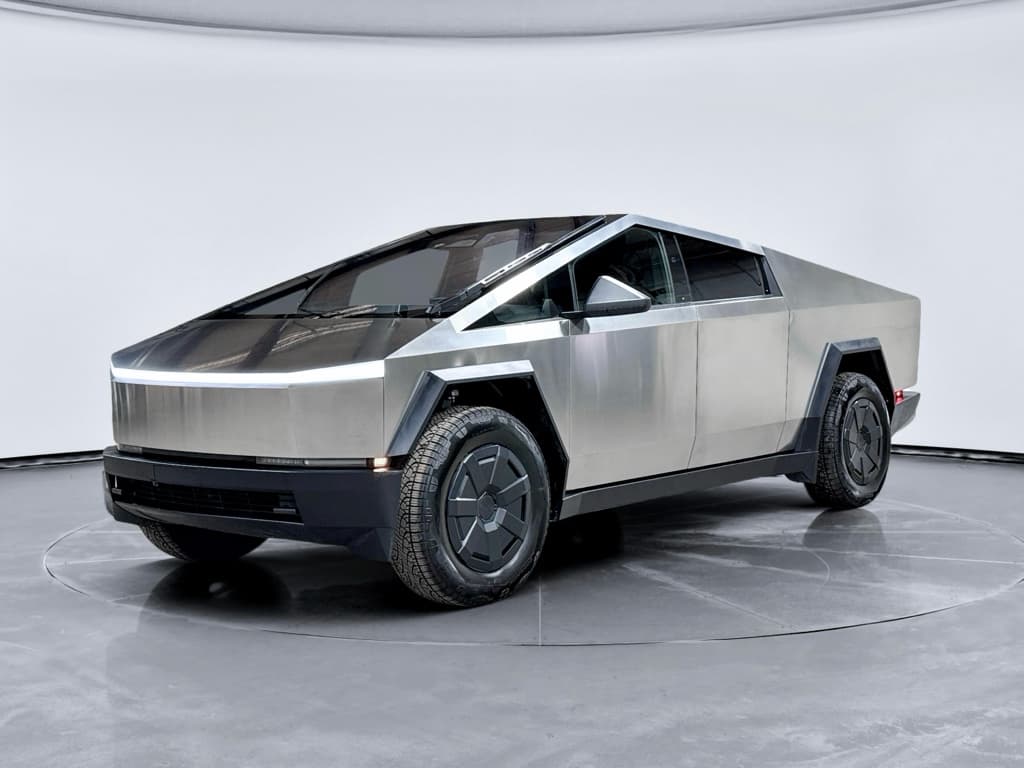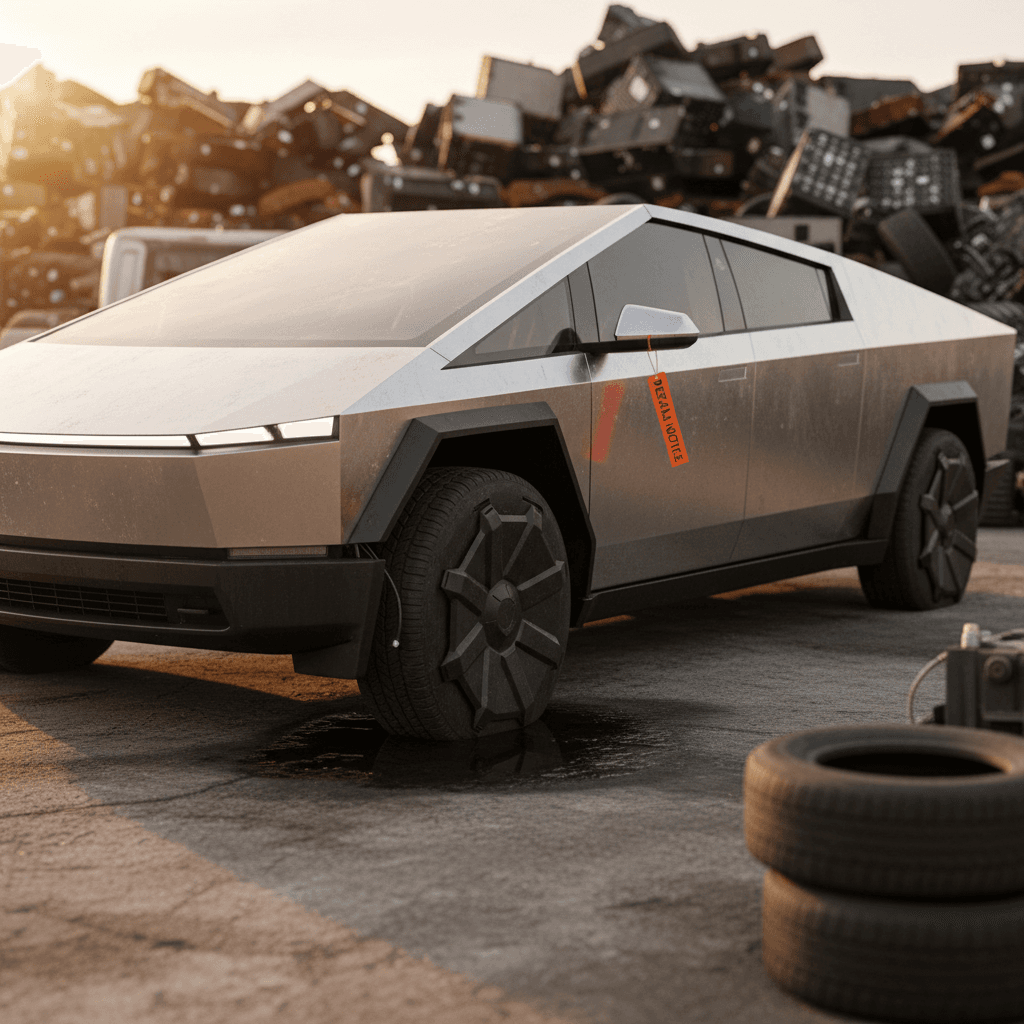
Search traffic doesn’t lie: people are typing in “2024 Tesla Cybertruck problems” because the stainless-steel space wedge has racked up a remarkable number of recalls and early-owner complaints in a very short life. If you’re Cybertruck-curious, or eyeing one on the used market, you’re right to ask what’s actually going wrong and how much of it should scare you off.
Where the Cybertruck sits today
Why people are searching for 2024 Tesla Cybertruck problems
Hype vs. reality
The Cybertruck landed under a mountain of expectations: bullet-ish body, stainless panels, towing bragging rights, and Tesla’s promise it would be the pickup that changes everything. Then owners started posting videos of stuck accelerator pedals, enormous wiper failures, and trim pieces trying to liberate themselves at highway speeds.
Why this matters to you
If you’re thinking about buying one, especially used, the question isn’t just, “Is it cool?” It’s, “Can I live with the recalls, rough edges, and service experience without losing my mind?” This guide breaks down the real problems and what they mean day-to-day, not just in YouTube thumbnails.
2024 Cybertruck at a glance: recalls & reliability
Big picture: How reliable is the 2024 Cybertruck?
If you strip away the memes and the fan wars, the 2024 Tesla Cybertruck is, in reliability terms, a first‑model‑year science experiment. Owner surveys and independent testing organizations describe it as significantly less reliable than the average new vehicle from the same year, with issues spanning electronics, body hardware, and basic things like trim and weather sealing.
- Early owner reports flag problems across electrical accessories (wipers, lights, warning systems), body hardware, in‑car electronics, and paint/trim.
- Multiple recalls hit core safety systems: accelerator pedal, wiper motor, rearview camera feed, and more.
- Complaints databases show recurring issues with doors, seat belts, tire/wheel vibration and other fundamentals you normally take for granted.
- Range, charging, and battery reliability haven’t emerged as the headline catastrophe, yet, but minor charging and software glitches are not rare.
First‑year reality check
Major 2024 Cybertruck recalls: the headline problems
The best way to understand 2024 Tesla Cybertruck problems is to walk through the big recalls. These are the issues serious enough that Tesla had to notify owners and NHTSA and offer a fix, sometimes over the air, sometimes with physical parts.
Key 2024 Cybertruck recalls and what they mean
Not every recall is a rolling disaster, but several Cybertruck campaigns touch fundamental controls and visibility, things no truck should get wrong.
| Issue | What can happen | How Tesla fixes it | Owner takeaway |
|---|---|---|---|
| Accelerator pedal pad can slip and jam | Pedal pad may slide forward and get trapped under interior trim, potentially holding the accelerator open | Replace or repair the pedal assembly with a revised design at no cost | This is the nightmare scenario people think of when they hear "stuck throttle." You want documentation this recall is done. |
| Windshield wiper motor failure | Controller can fail from electrical overstress so the single giant wiper simply stops working | Replace wiper motor with a unit that uses a more robust gate driver | Losing your only front wiper in heavy rain is not theoretical risk; make sure this fix is complete before highway driving. |
| Rearview camera delay | Backup camera image can lag after you select reverse, leaving you moving before you see what’s behind you | Software update to correct camera feed timing | Annoying in a sedan, more serious in a blocky truck with poor rearward visibility. |
| Bed/roof trim detaching | Trim along the bed and roofline can loosen and detach due to weak adhesive | Reattach trim with improved adhesive and mechanical fasteners | Chunks of stainless trim leaving at 70 mph are a safety hazard for vehicles behind you. |
| TPMS warning behavior | Tire‑pressure warning light may not stay on between trips, undercutting its purpose | Software update to comply with the tire‑pressure warning standard | On a 6,000‑lb pickup on oversized tires, you really want early warning before a marginal tire becomes a blowout. |
Always run the VIN of any Cybertruck you’re considering to confirm all recall work has been completed.
How to check a Cybertruck for open recalls
Build quality and design quirks: what owners are reporting
Even when it’s not actively trying to hurl trim at passing traffic, the 2024 Tesla Cybertruck has the hallmarks of a difficult build: big flat stainless panels that show every ripple, frameless doors, and a cabin that leans hard on clips and glue where trucks normally use bolts and brackets.
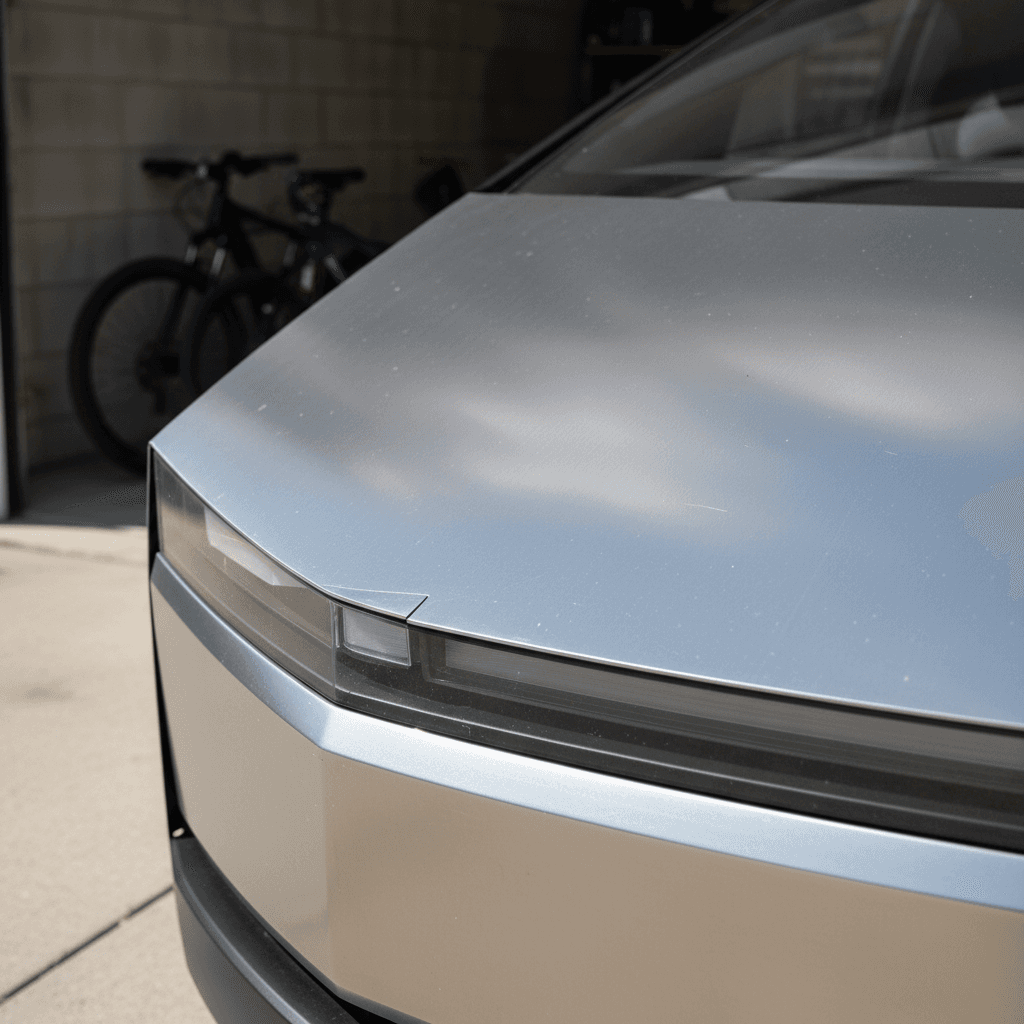
Typical 2024 Cybertruck build-quality complaints
What shoppers are seeing in person, before the first mile is even driven.
Panel gaps & finish
Large, uneven gaps where stainless panels meet, misaligned tailgates, and inconsistent door fitment. Stainless shows every imperfection; what would be a shrug on painted steel is a visual siren here.
Water & wind leaks
Owners report whistles around the A‑pillars, wind noise near the roof and mirrors, and occasional water intrusion at seals. Not every truck, but enough to be a pattern.
Loose interior hardware
Rattling overhead consoles (which house a backup gear selector), trim pieces that won’t stay clipped, and sun visors that threaten to bring half the headliner with them.
- Some trucks develop front‑end shake or vibration at highway speeds, sometimes attributed to tire and wheel issues waiting on parts.
- Rear doors and frameless windows can behave badly, windows jamming or failing to drop slightly when you shut the door, which can stress the glass and seals over time.
- Owners have reported random door unlatching events and fussy powered latches, an unnerving combination in a heavy truck with no simple mechanical handle to yank in an emergency.
- Paint is limited to black trim and small sections, but stainless can still show contamination spots (“rail dust”) and discoloration that feel alarmingly like rust on a truck marketed as future‑proof.
Why trim and hardware issues matter
Range, towing and usability: problems vs expectations
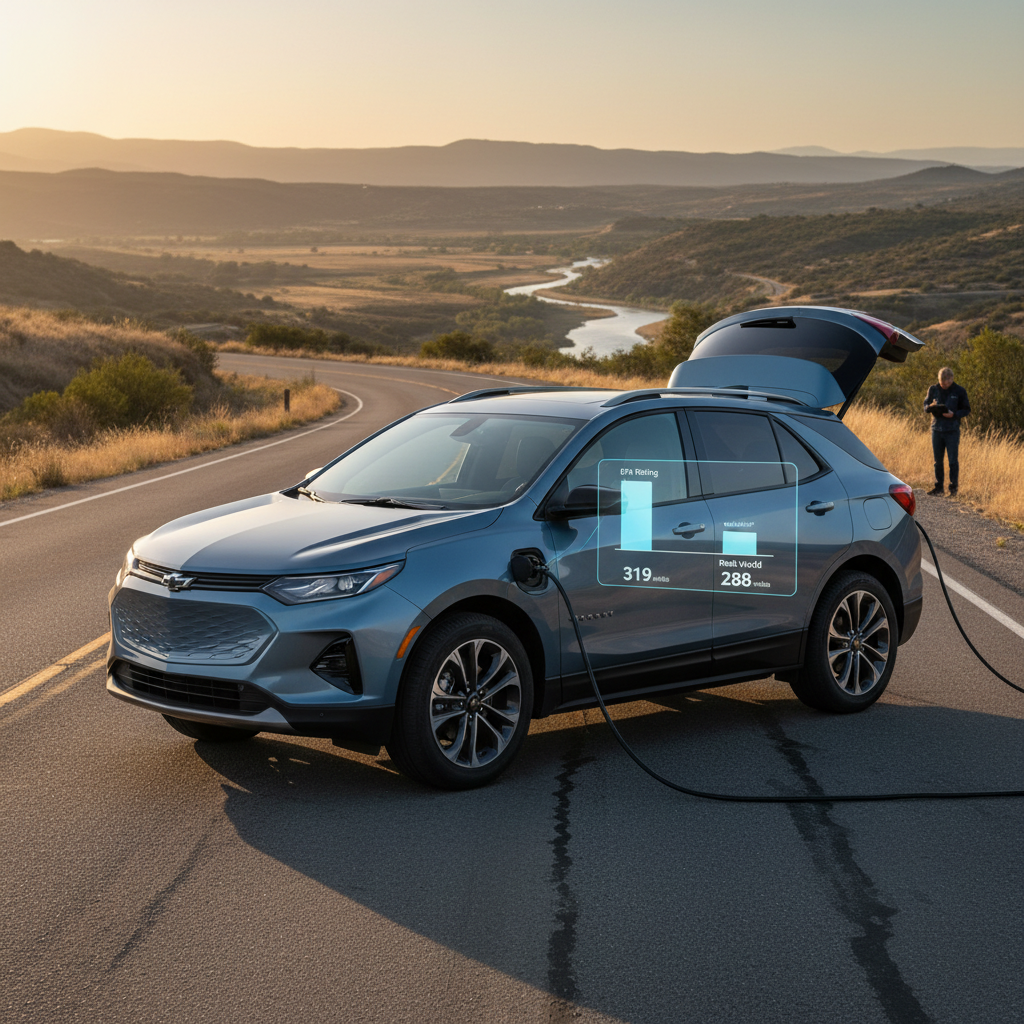
On paper, the 2024 Cybertruck promises up to the low‑300s in EPA‑rated miles of range depending on configuration. In practice, owners are discovering what every electric‑pickup owner eventually learns: range estimates are suggestions, especially once you add speed, weather, and a trailer.
Real‑world range hits
- At 75–80 mph, it’s easy to see 20–30% less range than the EPA label suggests.
- Big off‑road tires and stainless aero don’t help; this is a heavy brick pushing air.
- Cold weather can take another meaningful bite, especially if you rely on cabin heat instead of seat heaters.
Towing reality
- Like any EV pickup, towing can cut effective range in half, particularly with tall enclosed trailers.
- Plan on frequent fast‑charge stops on long‑haul towing trips and build extra time into your schedule.
- The bed and vault are genuinely useful, but the high bed sides and tall tailgate make loading awkward compared with traditional pickups.
How to sanity‑check Cybertruck range on a test drive
Software, Autopilot and FSD: where things get weird
The 2024 Cybertruck ships with the latest iteration of Tesla’s software stack, including Autopilot and the extra‑cost Full Self‑Driving (Supervised). Here, “problems” are a blend of bugs, inconsistent behavior, and owner expectations that sometimes go far beyond what the system can safely deliver.
Common Cybertruck software & driver‑assist complaints
It’s not just the stainless; the code can be sharp around the edges too.
Glitchy UI & lag
Freezes or lag in the main touchscreen, delayed camera feeds, and hiccups in climate or media. Most get patched via over‑the‑air updates, but you’re effectively beta‑testing your own truck.
Autopilot oddities
Phantom braking, odd lane positioning, and inconsistent behavior around construction zones or complex interchanges remain part of the Tesla experience, even with the latest hardware.
FSD confidence gap
Some owners report supervised FSD that doesn’t always yield gracefully to driver overrides, or that chooses strange trajectories before the human steps in. Legally it’s “driver assist,” but the branding invites over‑trust.
Don’t buy the marketing
Safety: real risks versus online horror stories
It’s easy to get lost in viral footage of Cybertrucks on fire or wild speculation about stainless‑steel crash behavior. Some of that is noise; some of it points at legitimate concerns about how this truck protects occupants and other road users.
Legitimate safety concerns
- Early recalls hit critical control and visibility systems: accelerator pedal, wiper, rearview camera.
- Complaints describe doors unlatching unexpectedly and powered latches/windows without obvious mechanical overrides, raising entrapment concerns after a crash or power loss.
- The Cybertruck’s mass and stiff bodywork mean ugly outcomes for smaller vehicles and pedestrians in any impact.
What’s mostly internet drama
- Rumors that mainstream insurers categorically won’t cover Cybertrucks have been debunked; underwriters hate uncertainty, not this truck specifically.
- Not every fiery crash involves a runaway battery pack; some high‑profile incidents resemble tragic but conventional high‑speed crashes.
- The truck will go through formal crash‑testing and regulatory scrutiny like any other; if there are structural red flags, they’ll surface there, not in memes.
What you can do as a buyer
Living with a 2024 Cybertruck: an owner’s playbook
If you already own a 2024 Tesla Cybertruck, or you decide to roll the dice on one, the trick is managing risk and frustration. You can’t change the truck’s DNA, but you can reduce how often it bites you.
Practical ways to stay ahead of Cybertruck problems
1. Treat recalls as mandatory, not optional
Schedule recall work as soon as parts are available, especially for the accelerator pedal and wiper. Don’t “wait for a convenient time” when the fix is for a fundamental control.
2. Inspect doors, latches and windows regularly
Cycle every door and window weekly. Look for random unlatching, sticking or misalignment, and document anything odd with photos and service messages.
3. Keep software updated, but read the notes
Over‑the‑air updates fix bugs, but they can also introduce new quirks. Read the release notes, and after big updates, test basic functions: cameras, wipers, turn signals, Autopilot behavior.
4. Watch tires, wheels and alignment like a hawk
High‑mass EV trucks are hard on tires and suspension. At the first hint of vibration, pull over, check pressures, and schedule an alignment or tire inspection. Don’t normalize shake at 70 mph.
5. Learn the emergency procedures
Know where the emergency releases are for doors and frunk, and teach anyone who rides with you regularly. Practice using them with the truck safely parked.
6. Document everything for warranty or lemon‑law help
If your Cybertruck turns into a full‑time service guest, keep a neat folder of dates, mileage, work orders and messages. It’s critical leverage if you ever pursue a buyback or legal remedy.
Should you buy a used 2024 Cybertruck in 2026?
This is the real question for Recharged readers. In 2026, 2024 Cybertrucks are beginning to appear on the used market at meaningful discounts from their early, hype‑tax prices. The temptation is obvious: all that torque and stainless shock‑and‑awe for less money. But it’s not a simple yes/no answer.
Who a used Cybertruck might suit
- You understand you’re buying a first‑gen experiment and you’re okay living with weirdness.
- You’re comfortable dealing with Tesla’s service ecosystem, mobile visits, app‑based scheduling, and occasional delays.
- You value performance, tech and conversation‑piece design more than old‑school refinement.
Who should probably walk away
- You need one do‑everything family vehicle that just works with minimal drama.
- You live far from a Tesla Service Center and can’t afford downtime if something goes wrong.
- You’re sensitive to squeaks, rattles and misaligned trim; this truck will drive you to drink.
Look for a well‑sorted example, not the cheapest one
How Recharged looks at a used Cybertruck
Because Recharged specializes in used EVs, not steel dinosaurs, we look at a 2024 Cybertruck differently than a traditional truck dealer. The stainless pose is fun, but underneath it’s still a complex battery‑electric platform that lives or dies on software, diagnostics and honest condition reporting.
Our playbook for evaluating a used 2024 Cybertruck
If a Cybertruck shows up in our marketplace, it’s gone through more than a lap around the block.
Battery & charging health
Every vehicle on Recharged gets a Recharged Score Report that includes verified battery health and charging behavior. On a Cybertruck, that means checking DC fast‑charging history, state‑of‑health and any charging‑system trouble codes.
Recall & repair audit
We verify that all 2024 Tesla Cybertruck recalls are addressed and review service records for chronic issues, especially around the accelerator pedal, wiper, doors, trim and tires.
Cosmetic & structural inspection
We take a hard look at stainless panels, panel gaps, glass, underbody, and tow equipment. The idea is simple: no surprises about prior damage or poor‑quality repairs once the truck is in your driveway.
From there, we layer in financing options, EV‑savvy trade‑in values, and, if you’re remote, nationwide delivery so you’re not stuck buying the only Cybertruck within 200 miles. If you ever decide the experiment isn’t for you, our selling and consignment options make getting out of it less painful than a private‑party fire sale.
FAQ: 2024 Tesla Cybertruck problems
Common questions about 2024 Tesla Cybertruck problems
The 2024 Tesla Cybertruck is not a bad idea so much as a half‑civilized prototype that escaped into the real world. It’s fast, capable and genuinely useful when it’s on its best behavior, but the recalls, quality lapses and software drama are real, and they land hardest on owners who thought they were buying an appliance instead of an adventure. If you go in with eyes open, a solid inspection, and the right support, like a Recharged Score Report, fair‑market pricing, and EV‑savvy guidance, you can decide whether this is the kind of weird you want living in your driveway, or a spectacle you’re happier watching from the sidewalk.