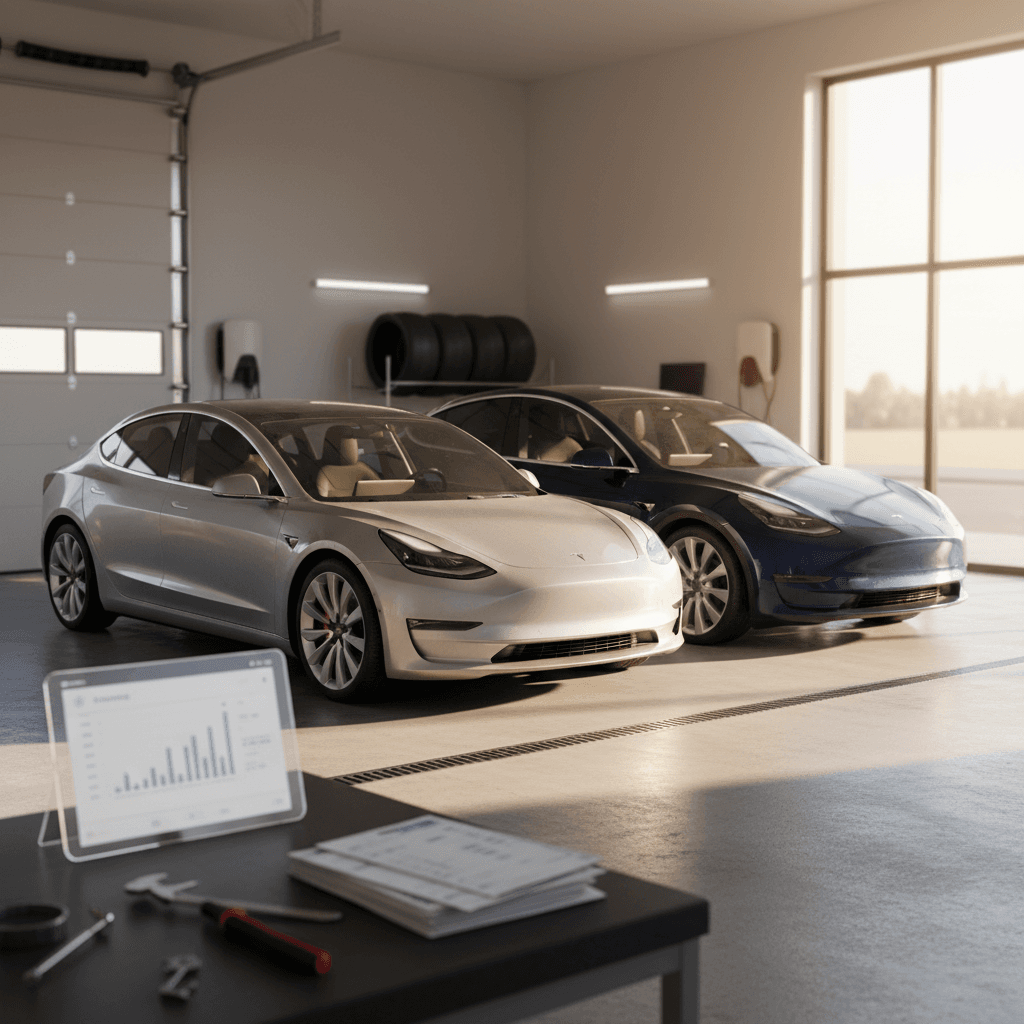
If you’re comparing a Tesla’s maintenance cost vs a gas car, you’re probably not just car‑shopping, you’re doing math on your future. The sticker price is one thing, but it’s the oil changes, brake jobs, and surprise repairs that make or break your budget over five to ten years. The good news: when it comes to routine maintenance, Teslas play a very different, and often much cheaper, game than internal‑combustion cars.
At a glance
Why Tesla maintenance costs matter more than ever
New EV prices are still higher than their gas counterparts, and incentives in the U.S. are scheduled to phase out for many buyers after September 30, 2025. That makes long‑term running costs, fuel and maintenance, one of the biggest levers in the decision. If a Tesla saves you thousands in upkeep, it can offset a higher purchase price, especially if you buy used and let the first owner absorb the steepest depreciation.
Tip for value‑focused shoppers
Quick answer: Tesla maintenance cost vs gas car
Typical annual maintenance: Tesla vs gas car
Different sources slice the numbers differently, but they all point in the same direction: Tesla maintenance costs are lower than gas‑car maintenance costs, often by thousands of dollars over a typical ownership period. Where things get interesting is what you do, and don’t, have to service.
What maintenance do you skip with a Tesla?
Maintenance items a Tesla doesn’t need
This is where most of the savings come from
Oil changes & engine service
Exhaust & emissions parts
Traditional transmission work
The quiet savings
Tesla maintenance schedule and real‑world costs
Tesla’s official maintenance schedule is surprisingly short. For a Model 3 or Model Y, the most common tasks are tire rotations, air filters, brake fluid checks, and the occasional wiper blade. That’s about it for routine service.
Typical Tesla maintenance schedule (Model 3/Y)
Approximate service intervals and ballpark costs for common items. Actual prices vary by region and shop.
| Item | Interval | Typical Cost (USD) | Notes |
|---|---|---|---|
| Tire rotation & inspection | Every 6,000–7,500 miles | $50–$100 | Critical on heavy EVs to maximize tire life. |
| Cabin air filter | Every 2 years | $50–$150 | More often in dusty or urban areas; easy DIY job for many owners. |
| Wiper blades | Annually or as needed | $30–$80 | Can be replaced at home or during a service visit. |
| Brake caliper service (salt regions) | 12–24 months | $100–$200 | Cleaning and lubricating calipers where roads are salted in winter. |
| Brake fluid check | Every 4 years | $100–$200 | Replaced only if moisture or contamination is detected. |
| Coolant system inspection | As needed / alerts | Varies | Most cars never touch this under normal use. |
| HV battery & drive unit | Covered by warranty 8 yrs/100k–150k miles | $0 unless failure | No scheduled service; only addressed if there’s a fault. |
Routine Tesla service focuses on tires, filters, and brake checks rather than engine work.
When you roll all that up, owners typically land in the $400–$600 per year range for routine maintenance on a Model 3 or Model Y over the first five years, assuming normal driving and one full set of replacement tires in that window. Larger and performance‑oriented Teslas can run higher, mainly because of tire costs.
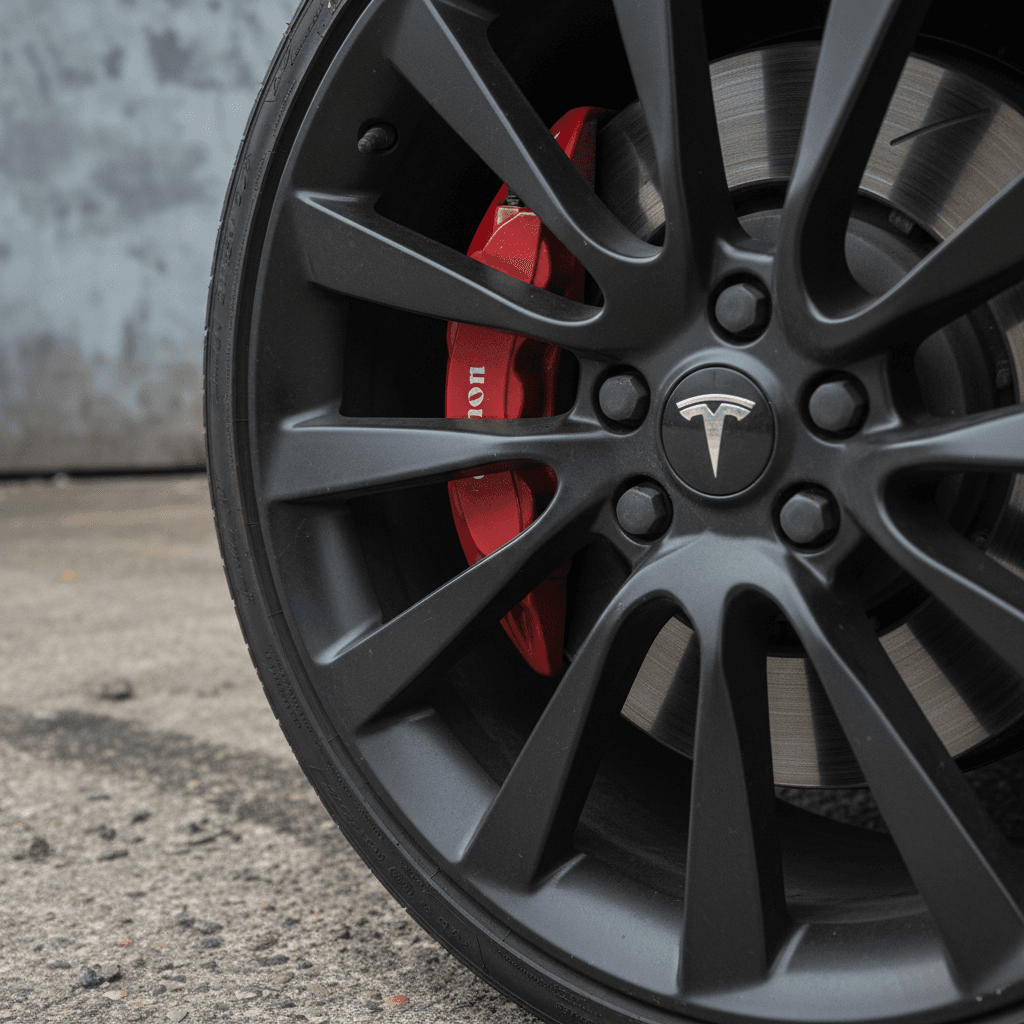
Gas car maintenance: where the money really goes
Gas cars tend to lull you into thinking they’re cheap to maintain because individual visits don’t always look outrageous. It’s only when you total up five or ten years of oil changes, fluid flushes, and “while we’re in there” fixes that you see the pattern.
Common gas‑car maintenance and repair categories
These are the costs you largely avoid with a Tesla
Fluids, fluids, fluids
Wear parts & emissions gear
The “surprise repair” problem
5‑year cost comparison: Tesla vs gas car
To make this concrete, let’s compare a popular Tesla to a typical gas car in the same general size and performance class over five years and 75,000 miles (15,000 miles per year). These are ballpark ownership‑cost ranges, not exact quotes for your ZIP code, but the gap in maintenance is what matters.
5‑year cost snapshot: Tesla vs comparable gas car
Illustrative comparison of maintenance and fuel costs over 75,000 miles. Depreciation, insurance, and taxes not included.
| Category (5 years) | Tesla (Model 3/Y) | Comparable gas sedan/SUV | What’s included |
|---|---|---|---|
| Routine maintenance | $2,000–$3,000 | $6,000–$7,500 | Tires, filters, brake work, minor repairs. |
| Unexpected repairs | $0–$2,000 | $1,500–$4,000 | Out‑of‑warranty failures; Teslas tend to have fewer moving parts, but repairs can be pricey when needed. |
| Energy/fuel | $2,500–$4,000 | $7,500–$9,000 | Home charging vs gasoline at today’s U.S. averages. |
| Total maintenance + energy | $4,500–$9,000 | $15,000–$20,500 | Real‑world ownership experiences tend to land in these ranges. |
Maintenance is only one piece of total ownership cost, but it’s an area where Teslas consistently beat gas cars.
Maintenance vs total cost of ownership
Beyond maintenance: repairs, tires, and batteries
Routine service is one thing; unexpected repairs are another. Here’s where Teslas differ from your average gas car once you look past the basic maintenance schedule.
Tires: the most frequent expense
Teslas are quick and heavy. That combination wears tires faster than a compact gas sedan driven gently. Many owners see 30,000–40,000 miles from a set of tires, less for performance models or aggressive driving.
- Expect $900–$1,500 per full set depending on size and brand.
- Plan on at least one full set, sometimes two, over 75,000 miles.
- Regular rotation is your best defense against premature wear.
Repairs and big‑ticket fears
The nightmare scenario people imagine is an out‑of‑warranty battery or drive‑unit failure. In reality, those components are covered by an 8‑year / 100,000–150,000‑mile warranty on most modern Teslas.
- Serious failures are rare but expensive when they happen.
- Minor electronic glitches are more common, but many are fixed with software updates.
- Body repairs can be pricey, similar to luxury gas cars with aluminum panels and complex sensors.
About battery replacement anxiety
Used Tesla vs used gas car: how the math changes
If you’re shopping the used market, depreciation has already done much of its damage. That’s where lower maintenance and fuel costs get really interesting, especially in late‑model Teslas that still have several years of battery and drive‑unit warranty left.
Why used Teslas can be a sweet spot
Especially when you understand the battery and maintenance story
Depreciation already baked in
Battery health is measurable
Lower running costs, smaller payment
How Recharged helps on the used side
How to estimate your own Tesla maintenance costs
4 steps to ballpark your Tesla maintenance costs
1. Start with your mileage
If you drive 10,000 miles a year, you’ll rotate tires less often and may stretch replacement intervals. At 20,000 miles a year, plan on more frequent rotations and sooner tire replacement, your biggest maintenance line item.
2. Factor in your climate
In snow‑belt states that use road salt, you’ll want annual brake‑caliper service. Hot climates can age tires and rubber parts faster. Both add a bit to your yearly Tesla maintenance but still keep you well below a gas car.
3. Budget for tires separately
Take a realistic tire price for your wheel size, divide by the miles you expect from a set, and multiply by your annual mileage. Add that to a $200–$300 per year baseline for filters, wipers, and inspections.
4. Compare against your current gas car
Look back at three years of service invoices for your gas car. Add up oil changes, brakes, and repairs, then divide by years. Seeing your actual historic number next to a Tesla estimate is often what moves the needle.
Common concerns and myths about Tesla maintenance
Clearing up Tesla maintenance myths
Bottom line: Is a Tesla cheaper to own than a gas car?
From a pure maintenance perspective, Teslas have a clear edge over comparable gas cars. You avoid oil changes, most fluid services, and a huge list of engine‑ and exhaust‑related repairs. Your real work as an owner is keeping up with tires, basic inspections, and the occasional brake‑fluid or caliper service. Over five years, that typically translates into thousands of dollars saved.
Zoom out to total cost of ownership and the story gets more nuanced. Depreciation, insurance, taxes, and purchase price still matter. But if you pair a sensibly priced used Tesla with home charging and realistic expectations around tires and repairs, it’s entirely possible for your total monthly outlay to undercut a new gas car, while giving you a quieter, quicker, and cleaner drive every day.
If you’re ready to run the numbers on a specific car rather than averages, explore used Teslas on Recharged. Every vehicle includes a Recharged Score Report with verified battery health and projected ownership costs, plus the option to trade in your current gas car and see exactly how the maintenance math changes when you go electric.