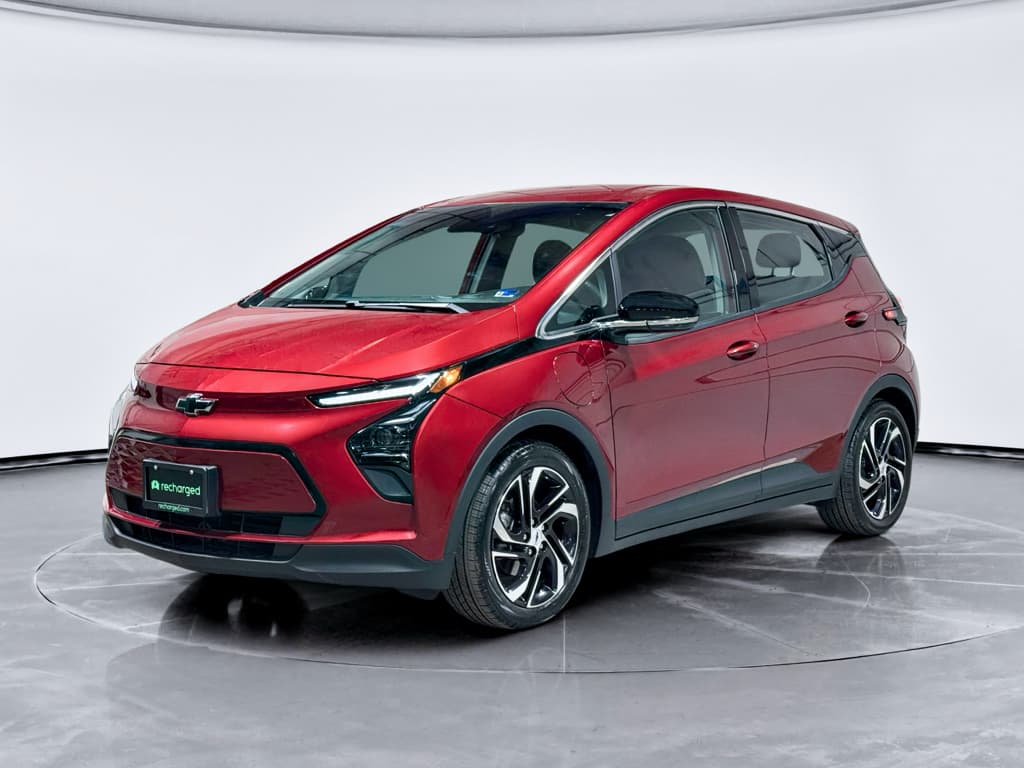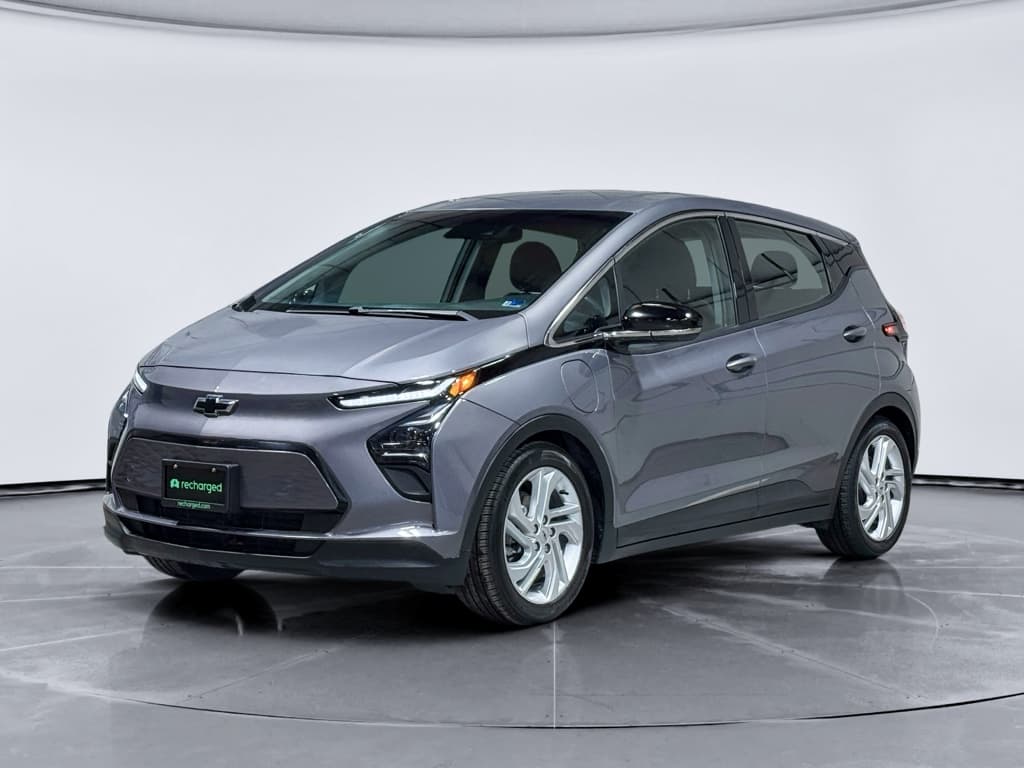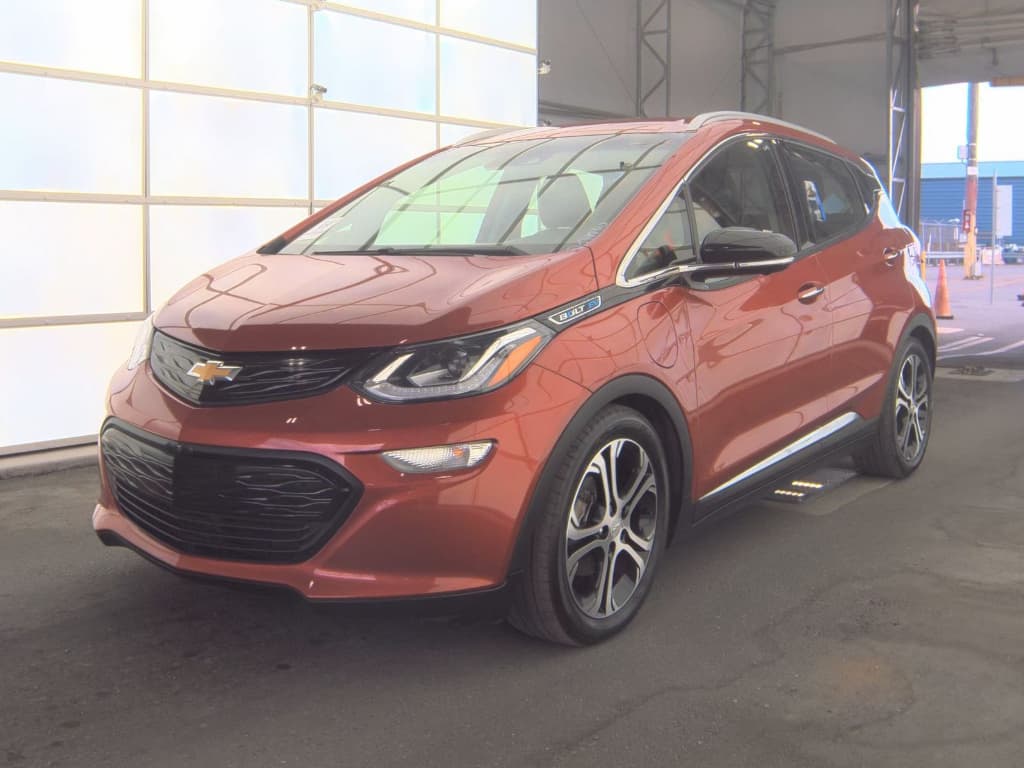
If you’re considering a Chevrolet Bolt EV or already own one, insurance is a big part of your 2026 budget. The good news: the Chevrolet Bolt EV insurance cost in 2026 is generally toward the lower end of the EV spectrum and often close to similar gas hatchbacks, if you know how to shop it.
Quick context for 2026
2026 Chevrolet Bolt EV insurance cost at a glance
Chevy Bolt EV insurance: 2026 ballpark numbers
These aren’t quotes, they’re directional ranges based on national data and real‑world Bolt EV owner reports. Your own premium for a Chevrolet Bolt EV in 2026 could land below or above this window depending on your age, ZIP code, prior claims, credit, coverage limits, and whether you’re insuring a new or used Bolt.
Your rate can swing hundreds of dollars
How much to budget for Chevrolet Bolt EV insurance in 2026
Let’s turn ranges into something you can actually plan around. If you’re a typical driver, clean record, mid‑30s to mid‑50s, full‑coverage policy, and average commute, budget around $1,500–$1,800 per year for a 2024–2026 Chevrolet Bolt EV in many parts of the U.S.
Sample 2026 Bolt EV insurance budgets (U.S. drivers)
These ballpark numbers assume full coverage, average deductibles, and no major tickets or accidents. They are not quotes, just planning anchors.
| Driver profile & location | Likely annual range | Notes |
|---|---|---|
| Urban driver, higher-cost state (e.g., CA, NY, FL) | $1,800–$2,400 | Dense traffic, higher claim costs, and state‑specific rules tend to push premiums up. |
| Suburban driver, mid‑priced state (e.g., VA, CO, MN) | $1,400–$1,900 | Where many mainstream Bolt EV owners land in 2025–2026. |
| Rural/small city driver, lower‑cost state (e.g., IA, ME, ID) | $1,100–$1,500 | Lower traffic and claim severity can keep rates down for safe drivers. |
| Young driver (under 25), any state | $2,200–$3,200+ | Age and limited driving history add more to your rate than the fact that the car is electric. |
| Liability‑only on older used Bolt EV | $600–$1,000 | If your car’s value is low enough that you drop comprehensive and collision. Not recommended on newer or financed vehicles. |
Use this table as a rough budgeting guide, then get real quotes for your specific profile.
How to sanity‑check any quote
Why Chevrolet Bolt EV insurance can be higher, or lower, than gas cars
Why Bolt EV insurance can cost more
- Battery and electronics repair costs: A serious collision that damages the high‑voltage pack or power electronics can lead to a large repair bill or even a total loss.
- Repair network still maturing: Fewer shops specialize in EV repair, which can mean higher labor rates and longer downtimes.
- Parts availability: Certain EV‑specific components may have longer lead times, driving up claim costs for insurers.
Why Bolt EV insurance can cost less
- Lower purchase price than many EVs: The Bolt EV is one of the more affordable electric cars, so there’s less vehicle value to insure than a luxury model.
- Compact hatchback footprint: Insurers often see lower typical claim severity than with big SUVs or trucks.
- Owner profile: Many Bolt EV drivers skew toward commuting and local errand use, not high‑risk performance driving.
Compared with gas cars, you should expect EV insurance in general to be somewhere between roughly 5% and 25% higher than a similar internal‑combustion vehicle, though the exact gap shifts year to year as repair data and parts availability evolve. The Bolt EV tends to sit on the cheaper end of that EV spectrum because of its size and purchase price.
Chevy Bolt EV insurance cost breakdown: What actually drives your rate
The biggest levers on your Bolt EV insurance premium
Vehicle choice matters, but your profile matters more.
You and your driving record
Your age, at‑fault accidents, tickets, prior claims, and credit tier (where allowed) usually matter more than whether you drive a Bolt EV, a Civic, or a Corolla.
Clean, experienced drivers see the lowest premiums.
Where you garaged the car
ZIP codes with higher accident rates, theft, severe weather, or medical claim costs drive up premiums.
The same Chevrolet Bolt EV can be hundreds of dollars cheaper to insure one county over.
Coverage choices & deductibles
Full coverage with low deductibles and high liability limits costs more than state‑minimum protection.
Raising deductibles from $500 to $1,000 can trim your annual premium, but you’ll pay more out of pocket if you file a claim.
Vehicle trim & value
A newer, higher‑trim Bolt EV with driver‑assist tech and options costs more to replace than an older base model.
Insurers price for that replacement cost, even on compact EVs.
State rules & medical costs
No‑fault states, high medical costs, and aggressive litigation climates all increase average payouts per claim.
Insurers build that into every policy, EV or not.
Discounts and bundles
Bundling home and auto, safe‑driver programs, usage‑based telematics, and multi‑car discounts can easily knock 10–25% off your Bolt EV premium.
EV vs. gas: the insurance piece of the puzzle
New vs. used Chevrolet Bolt EV insurance costs
Insurers look at the current value and repair cost of your Bolt, not just the badge on the nose. That’s why new and used Bolt EVs can carry noticeably different premiums, even when everything else about you is the same.
How model year changes your Bolt EV insurance in 2026
Directional comparison only; actual differences depend heavily on mileage, condition, and options.
| Vehicle example (2026 policy year) | Typical status | Relative insurance cost | Why it differs |
|---|---|---|---|
| 2026 Chevrolet Bolt EV (if available new in your market) | New, higher MSRP | Highest of the three | More vehicle value to repair or replace, plus comprehensive and collision are almost always required with a loan. |
| 2023–2024 Bolt EV | Late‑model used | Moderate | Still valuable enough to justify full coverage, but lower MSRP than many new EVs keeps premiums reasonable. |
| 2017–2019 Bolt EV | Older used | Often lowest | Lower cash value can translate to cheaper physical‑damage coverage, or drivers may choose liability‑only once the car’s value drops far enough. |
Use this to understand why a three‑year‑old used Bolt may be cheaper to insure than a brand‑new one.
Why many shoppers choose used Bolts
How battery health and repair costs affect Bolt EV insurance
You won’t see a line item on your policy that says “battery surcharge,” but the cost and complexity of EV battery repairs sit in the background of every insurer’s pricing model. A severe crash that compromises the Bolt’s battery pack can easily run into the five‑figure range, and for older cars that’s often a total loss.
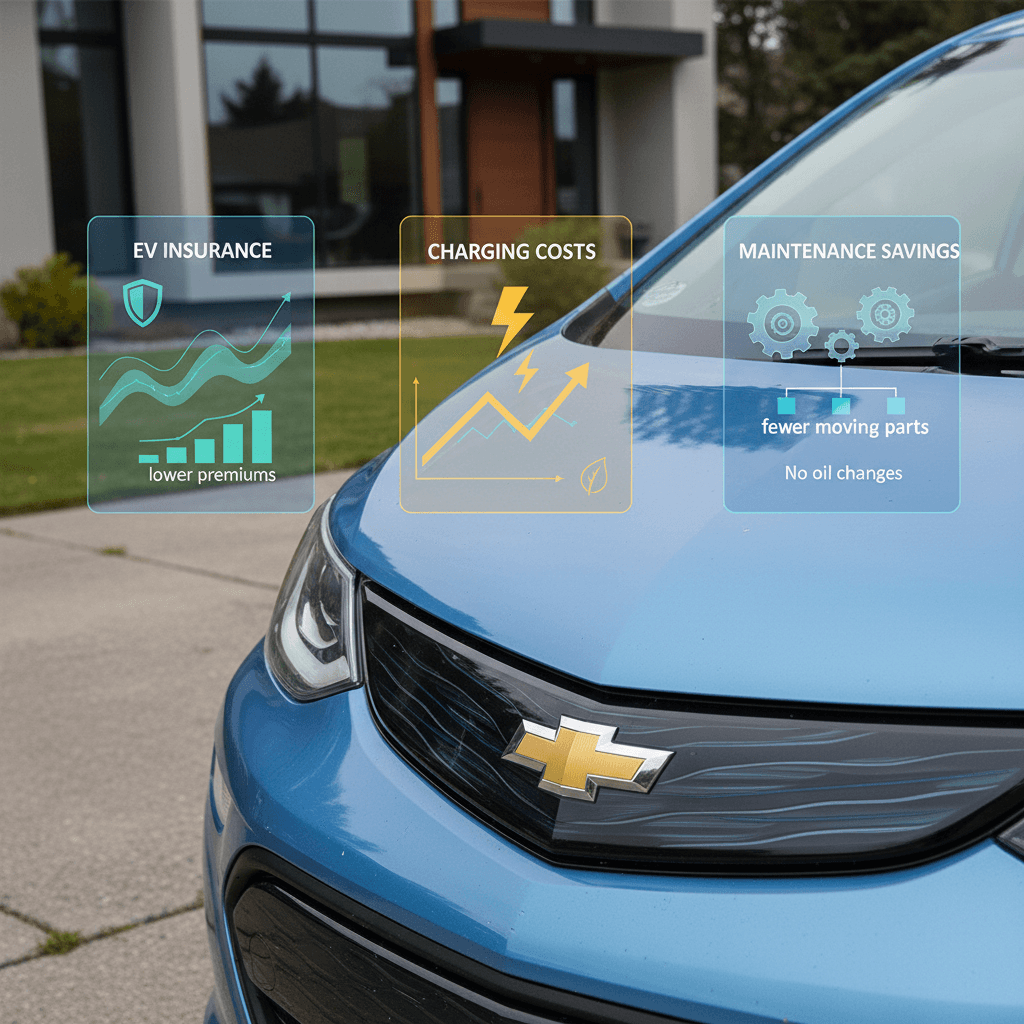
- Battery failures are rare but expensive: When a high‑voltage pack genuinely needs replacement outside recall campaigns or warranty, the raw cost can exceed the vehicle’s cash value on older Bolts.
- Insurers price for worst‑case scenarios: Even if your battery is healthy, underwriters look at aggregate claim data across thousands of EVs.
- Good repair data is finally catching up: In 2024–2025, more mainstream EVs like the Bolt generated enough claims history for actuaries to fine‑tune pricing instead of assuming the worst, which is part of why EV premiums are slowly normalizing.
- Battery diagnostics can be a selling point: A documented healthy pack can make your Bolt more attractive to the next owner, and to some insurers who are experimenting with more nuanced EV pricing.
How Recharged helps de‑risk used Bolt EVs
Ready to find your next EV?
Browse Vehicles7 smart ways to lower your Bolt EV insurance bill
Bolt EV insurance savings checklist
1. Shop more than one EV‑friendly insurer
Quotes for the exact same Chevrolet Bolt EV can differ by over $1,000 per year between carriers. Make sure at least one of your quotes is from a company that explicitly advertises EV expertise or green‑vehicle discounts.
2. Right‑size your coverage limits
Don’t default to state minimums. Instead, choose liability limits that protect your assets, but avoid unnecessary add‑ons you’ll never use. For older Bolts with low cash value and no lien, consider whether you still need comprehensive and collision.
3. Adjust your deductibles thoughtfully
Raising comprehensive and collision deductibles from $500 to $1,000 can reduce your premium, but only if you can comfortably handle that out‑of‑pocket cost after a claim. Run the math on how much you actually save each year.
4. Take advantage of EV and telematics discounts
Ask specifically about <strong>EV, low‑mileage, or pay‑per‑mile programs</strong>. Many Bolt EV owners drive fewer miles than average, which can score discounts with usage‑based insurance.
5. Bundle home and auto when you can
Combining your Bolt EV policy with homeowners or renters insurance often unlocks multi‑policy discounts that can offset some of the EV premium gap versus gas cars.
6. Keep your driving record clean
For a compact EV like the Bolt, a single at‑fault accident or DUI can add more to your annual premium than simply driving electric ever did. Treat safe driving as one of your best insurance discounts.
7. Start with insurance in mind when you buy
If you’re still shopping, get sample insurance quotes on a few VINs before signing. Recharged can help you compare projected insurance, charging, and maintenance costs across different used Bolt EVs so there are no surprises after delivery.
What not to cut to save money
Where Bolt EV insurance fits into your total ownership cost
Insurance is only one line on the spreadsheet, but it’s a meaningful one, especially in 2026, as premiums stay elevated nationwide. To understand whether a Chevrolet Bolt EV makes financial sense, you need to weigh insurance, fuel, maintenance, and depreciation together.
Where insurance sits in the budget
- For many drivers, insurance is the second‑ or third‑largest annual cost after depreciation and loan/lease payments.
- On a Bolt EV, annual full‑coverage insurance in the $1,400–$1,900 range often compares to or slightly exceeds similar gas hatchbacks.
- That gap can be more than offset by cheaper electricity and lower routine maintenance if you drive a typical 10,000–15,000 miles per year.
Why used Bolts can shine
- Used Chevrolet Bolt EVs avoid the steepest first‑year depreciation hit, which makes the total cost of ownership more predictable.
- Insurance on a well‑priced used Bolt is often similar to a new compact gas car, but your fuel and maintenance costs are typically lower.
- Buying through a marketplace like Recharged adds transparency around battery health and fair pricing, which helps you model real‑world ownership costs before you commit.
For most shoppers comparing a used Chevrolet Bolt EV with a similar gas hatchback, the insurance line item is no longer a deal‑breaker. The bigger swing in total ownership cost usually comes from fuel and maintenance, not premiums.
Chevrolet Bolt EV insurance 2026: FAQs
Frequently asked questions about 2026 Bolt EV insurance
Key takeaways for 2026 Bolt EV insurance shoppers
- In 2026, typical Chevrolet Bolt EV full‑coverage insurance costs often fall around $1,400–$1,900 per year for mainstream drivers, though high‑cost states and young drivers can see more.
- EVs still tend to cost somewhat more to insure than similar gas cars, but the gap is shrinking, and the Bolt sits at the more affordable end of the EV spectrum.
- Your ZIP code, driving record, credit tier, and coverage limits usually matter more than the fact that you drive a Bolt EV.
- A well‑priced used Chevrolet Bolt EV can pair modest insurance costs with big savings on fuel and maintenance, making total ownership costs very competitive.
- You can materially cut your premium by shopping multiple EV‑friendly insurers, bundling, using telematics, and choosing deductibles and coverages thoughtfully.
- Buying through Recharged adds battery health transparency and fair pricing via the Recharged Score, helping you project not just insurance costs, but the full financial picture of Bolt EV ownership.
Insurance is one of the few costs you can actively negotiate as a Bolt EV owner, by choosing the right car, the right coverage, and the right insurer. If you’re exploring a used Chevrolet Bolt EV, use these 2026 numbers as a planning framework, then pair them with real quotes on specific VINs. And when you’re ready to shop, Recharged can help you find a used Bolt with verified battery health and transparent total‑cost‑of‑ownership insights, so your insurance bill becomes just another predictable line item, not an unwelcome surprise.