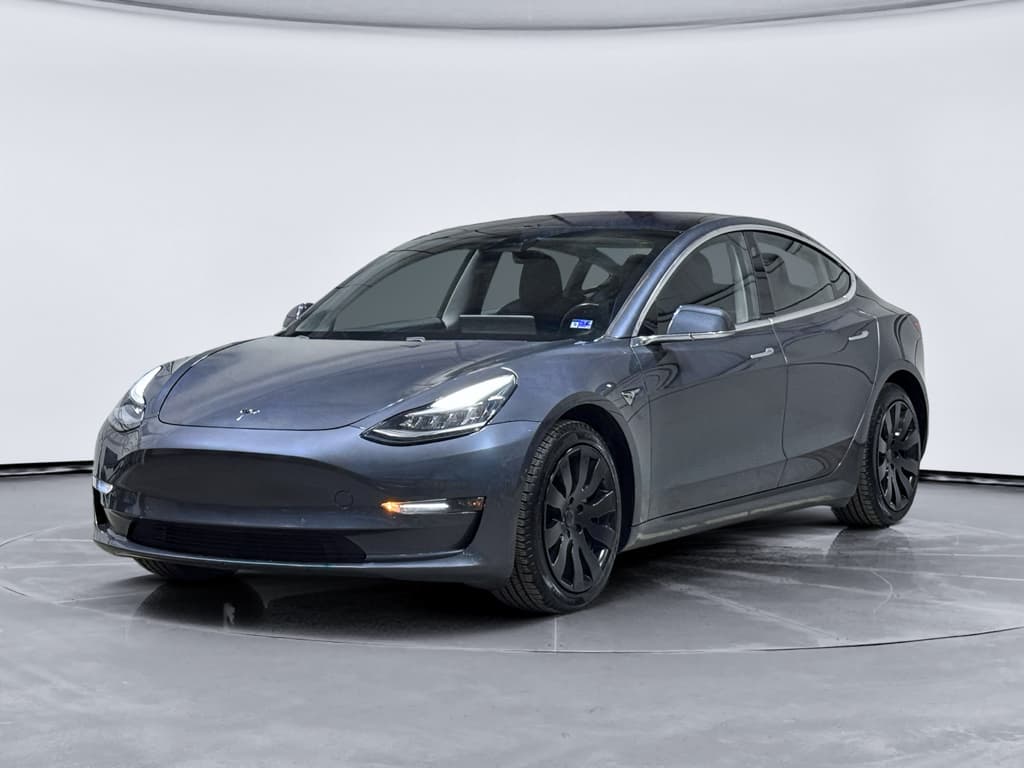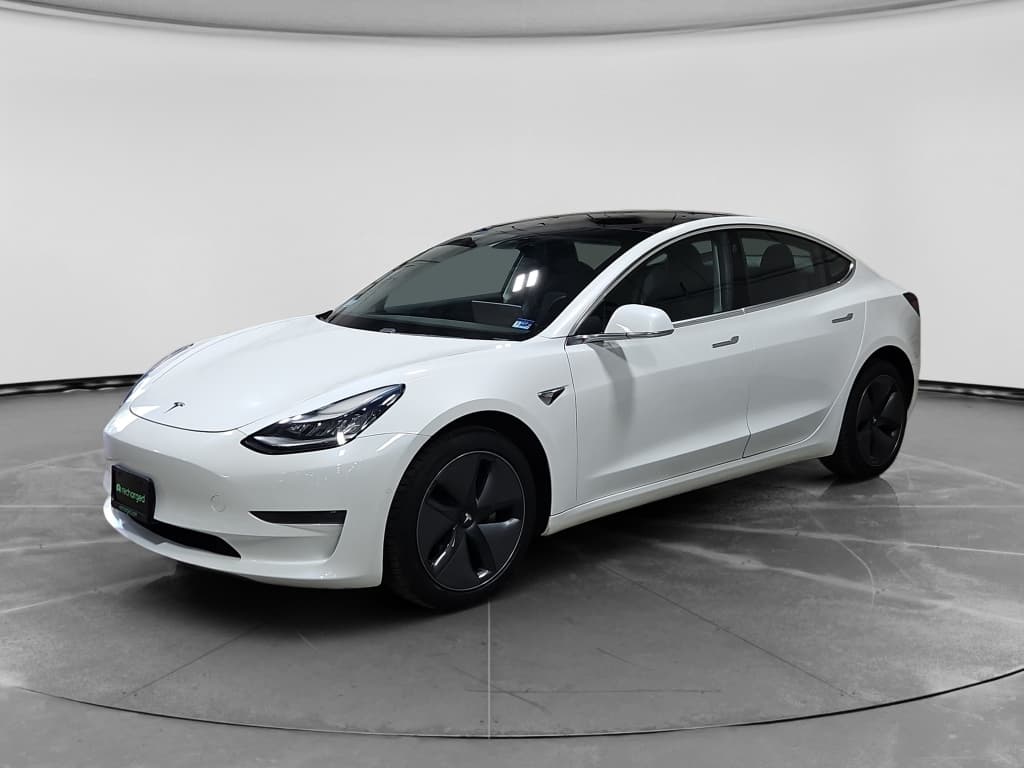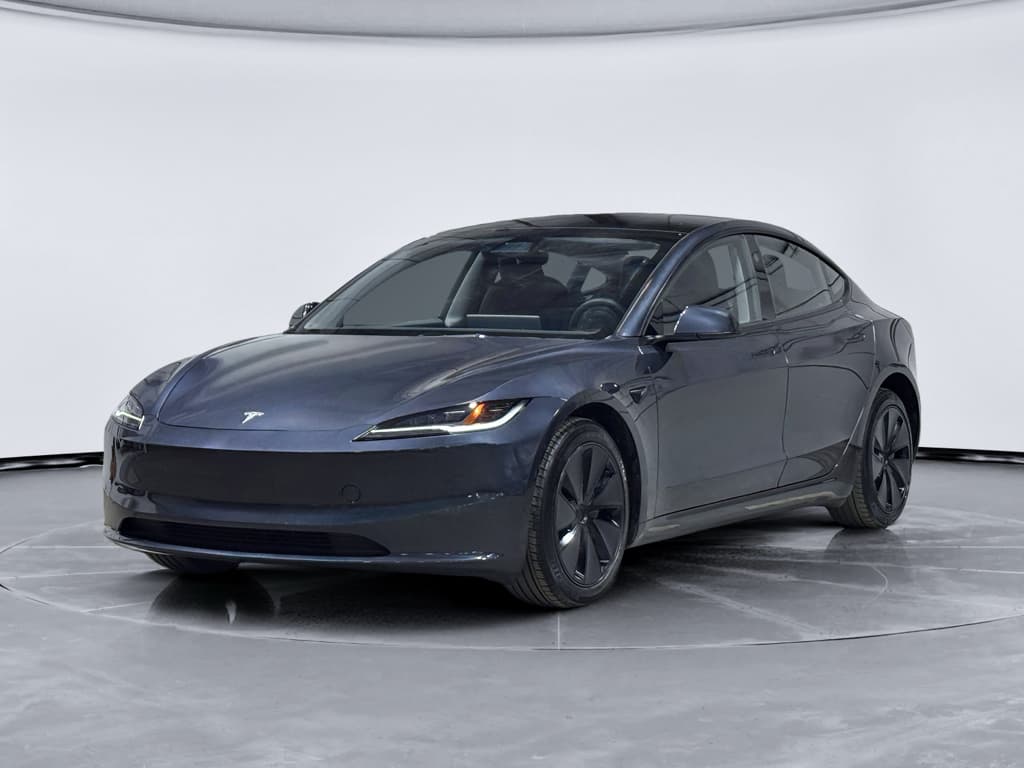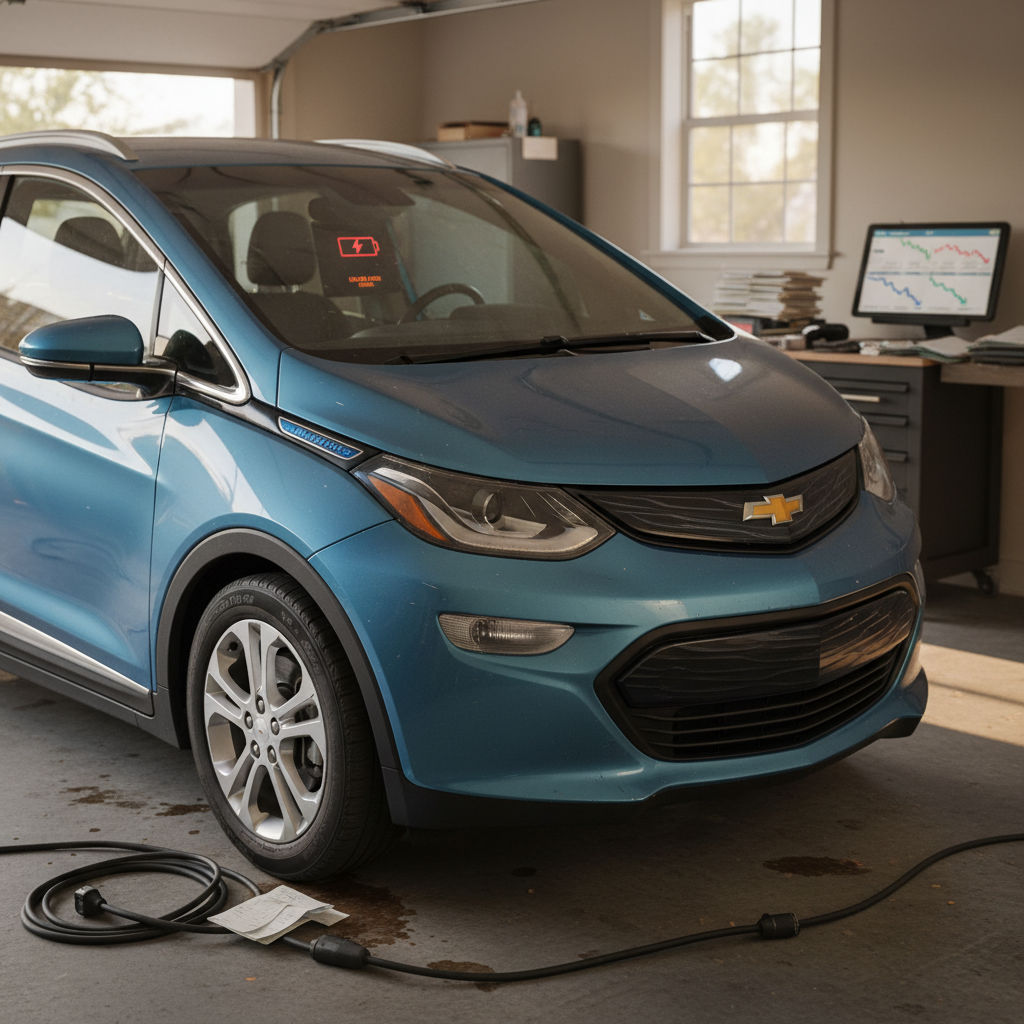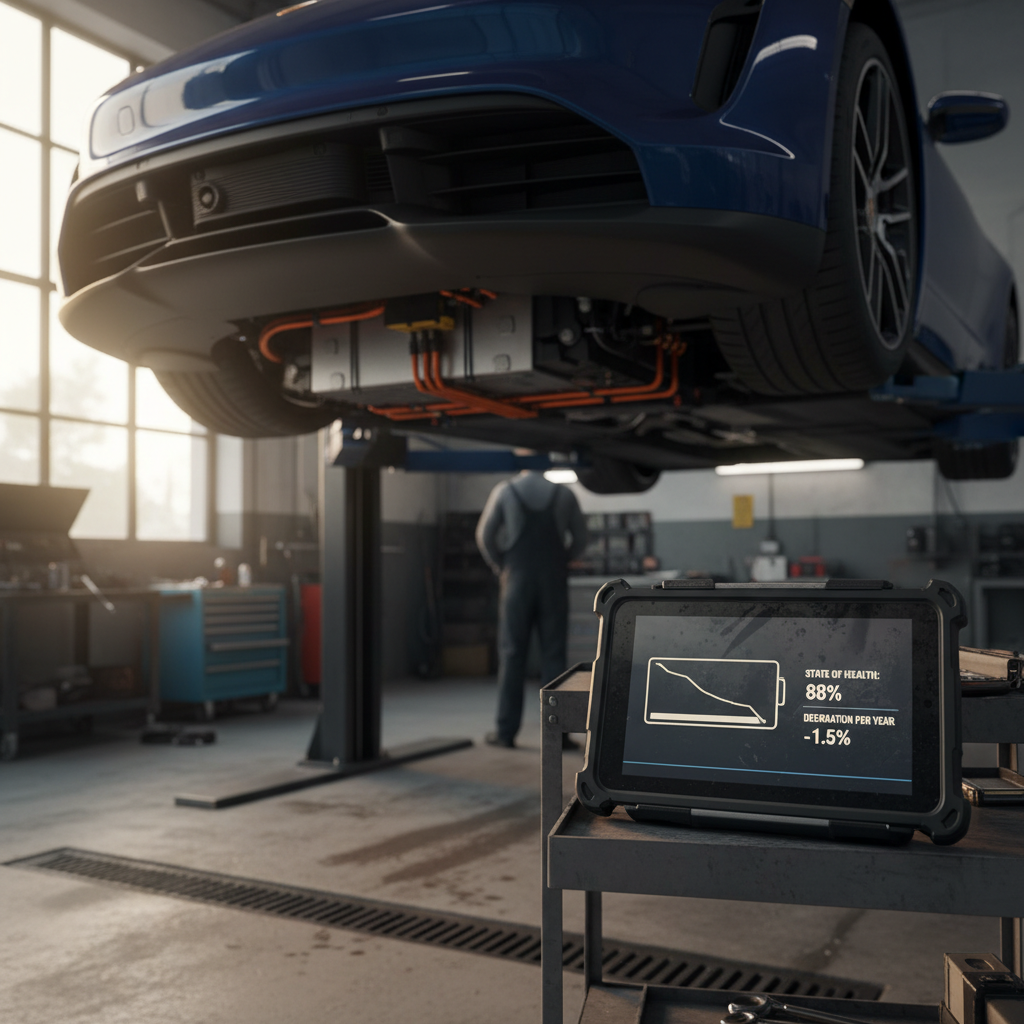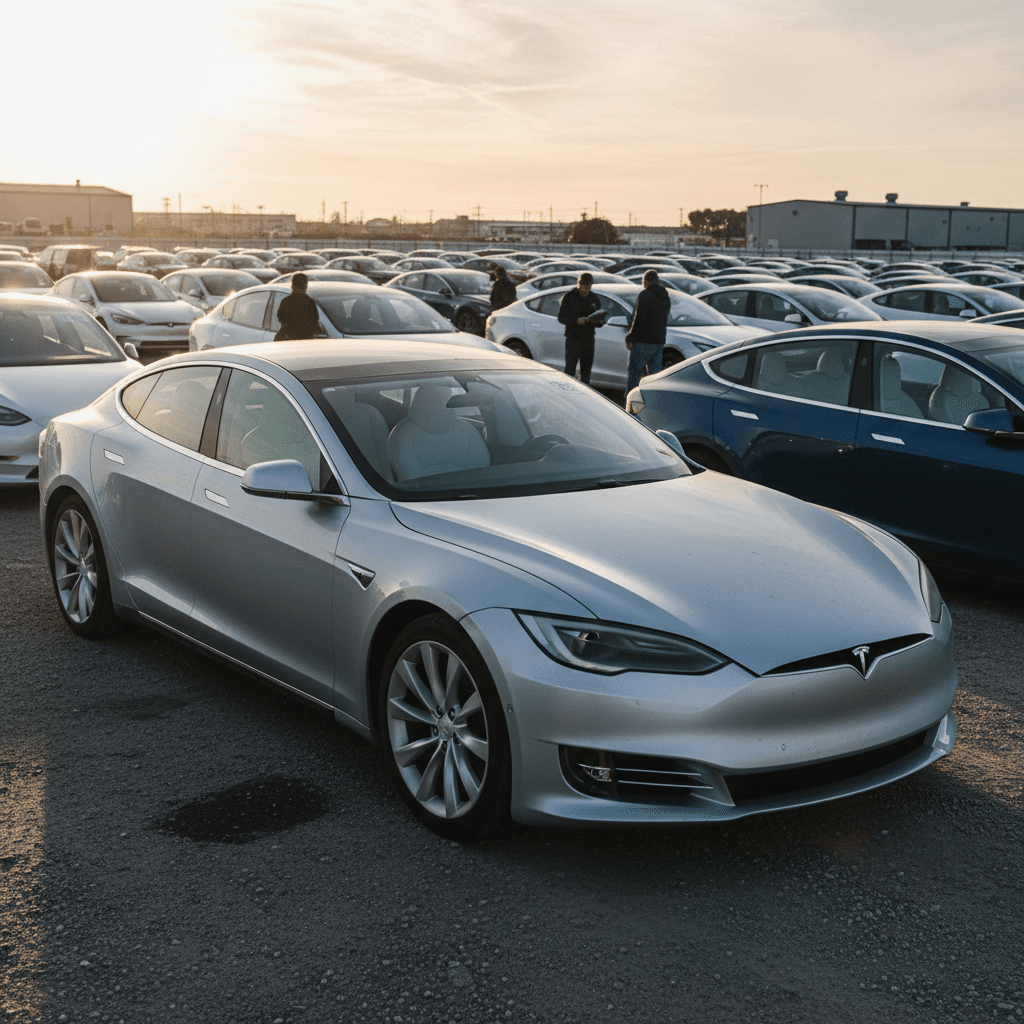
If you’ve been browsing a Tesla auction lately, the numbers can look irresistible: late‑model Model 3s and Model Ys with low miles and bids that start under $1,000. But between salvage titles, unknown battery health, and stacked auction fees, that “steal” can quickly cost more than a well‑vetted used Tesla from a retailer like Recharged. This guide walks you through how Tesla auctions work in 2025, the risks most shoppers underestimate, and how to decide if an auction or a transparent used‑EV marketplace is the smarter move for you.
What this guide will (and won’t) do
How Tesla auctions work in 2025
When people say “Tesla auction,” they’re usually talking about online wholesale platforms where Teslas are sold as‑is to the highest bidder. The big players include insurance‑focused sites like Copart and IAAI, dealer‑only lanes, specialty auction houses that feature high‑profile Teslas, and a growing number of online collector platforms. Nearly all of them run timed online auctions where you bid from your phone or laptop instead of standing in a physical lane.
Tesla auctions by the numbers (typical patterns)
Unlike a retail dealer or a marketplace like Recharged, auction platforms are built for volume. Listings may have dozens of photos, but there’s usually no comprehensive mechanical evaluation, no verified battery health report, and no promise that the car will be roadworthy after repair. In most cases, once you win the bid, the car, and its problems, are yours.
Know your buyer status
Where to find Tesla auctions (and what each does)
Main types of Tesla auctions you’ll see
Each channel caters to a slightly different kind of car and buyer.
Salvage & insurance auctions
Sites like Copart and IAAI list thousands of Teslas with collision, flood, hail, and theft‑recovery histories. You’ll see a mix of salvage title and clean‑title but damaged cars, plus some with only cosmetic issues.
Dealer & fleet auctions
Closed‑lane auctions (Manheim, Adesa, etc.) primarily serve dealers unloading lease returns and fleet vehicles. As a retail buyer, you usually need a dealer license or broker access here.
Specialty & collector auctions
High‑profile Teslas, early Roadsters, low‑mile Performance models, or hyped Cybertrucks, sometimes appear on enthusiast sites and specialty houses. These emphasize presentation and history but still sell cars as‑is.
If you’re a typical consumer, you’re most likely to interact with public‑access salvage platforms. For example, as of late 2025 it’s common to see more than 1,000 Teslas listed across insurance auctions in North America on any given day, including recent‑model Model 3s and Ys with relatively low mileage. That volume can create the illusion that there are endless bargains waiting, but you need to understand why these cars are there.
Why Teslas at auction look cheap
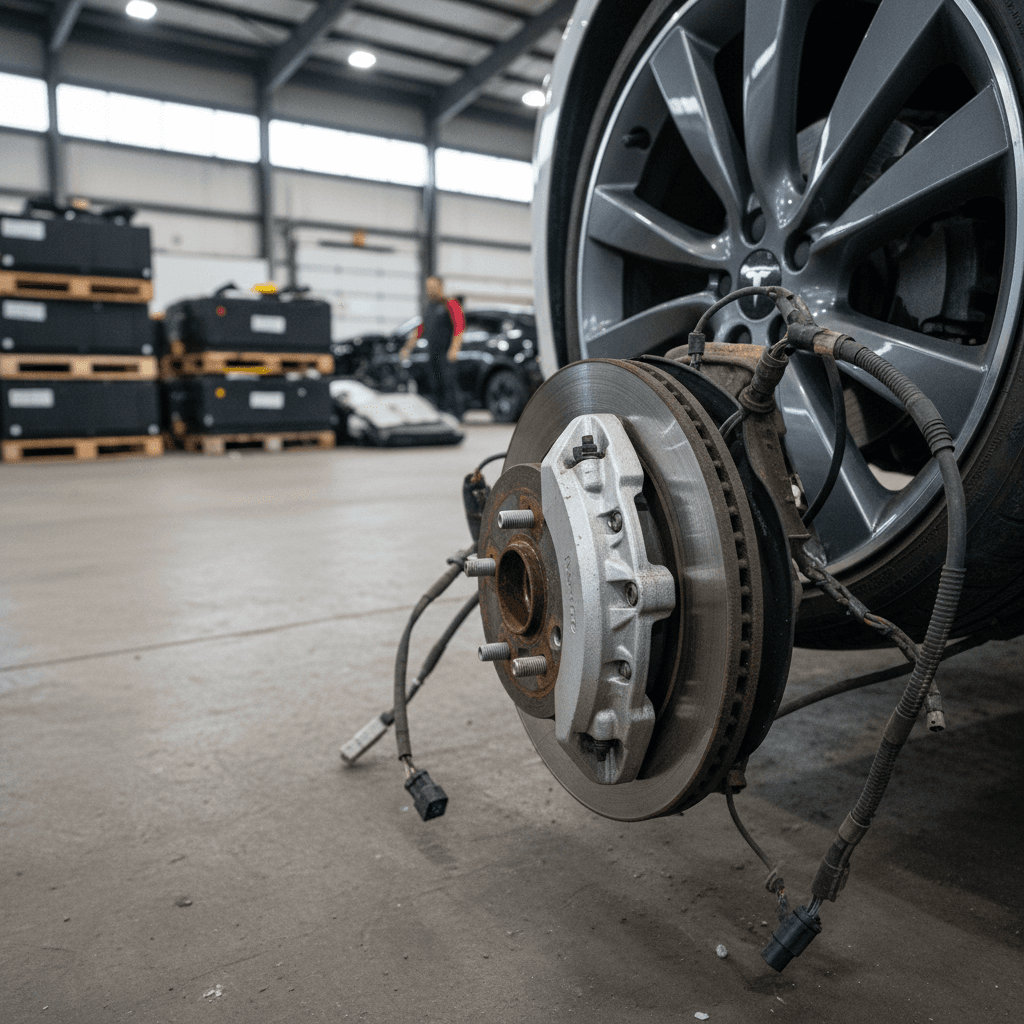
On paper, it’s easy to compare prices and conclude that auctions are dramatically cheaper than retail. A late‑model Model Y with 20,000 miles might show an estimated retail value near $40,000 and a current bid under $10,000. That gap exists for a reason: auctions are pricing in risk and unknowns that retail shoppers don’t see at a dealer or on Recharged.
- Cars are usually sold as total losses by insurers after significant damage or expensive repairs.
- Structural and high‑voltage repairs can be extremely costly, especially if air bags, radar, or cameras are involved.
- There’s often no service history beyond what you can infer from the photos and a basic condition report.
- Battery degradation, fast‑charging habits, and abuse are rarely documented in detail.
Think like an insurer
The hidden costs and fees in a Tesla auction
Another trap for first‑time bidders is focusing only on the hammer price. In reality, the winning bid is just the starting point. By the time you add auction fees, transport, state taxes, and repairs, that bargain can creep up into, and sometimes past, clean title retail pricing.
Typical cost stack on an auction Tesla
Illustrative example for a lightly damaged Tesla bought at a public salvage auction.
| Cost item | Example amount | Notes |
|---|---|---|
| Winning bid | $14,000 | Advertised auction price you see on screen |
| Buyer’s fee | $800–$1,200 | Varies with sale price and membership level |
| Gate / internet / storage fees | $150–$400 | Charged for online bidding, loading, and storage over a few days |
| Transportation | $400–$1,000+ | Depends on distance and whether the car runs and drives |
| State tax, title, registration | Varies | Collected when you register the car in your state |
| Initial repairs | $3,000–$10,000+ | Body work, suspension, glass, electronics, alignment, etc. |
| Unexpected fixes | $1,000+ | Anything missed in photos: sensors, cameras, minor frame work, tires, etc. |
Numbers are for example only; always check the current fee schedule for your specific auction and state.
Storage fees can eat up your “savings”
The battery problem no auction can solve
For internal‑combustion cars, you can often estimate repair costs reasonably well from photos and a quick inspection. With a Tesla, the high‑voltage battery is the wild card, and it’s usually the most expensive single component on the car. On an auction lot, you rarely have the tools, time, or access to gauge its true condition.
Battery‑specific risks at Tesla auctions
1. Hidden structural damage near the pack
A seemingly “minor” side or underbody hit can damage the battery enclosure or its cooling circuits. Some of that damage is hard to see in auction photos, but it can make the car unsafe or uneconomical to repair.
2. Unknown fast‑charging and usage history
Aggressive fast‑charging, repeated deep discharges, or long‑term storage at 100% can accelerate degradation. Auctions typically don’t tell you how the car was used, only its current odometer reading.
3. Limited ability to power up and scan
On many auction cars, 12‑volt batteries are dead, keys are missing, or high‑voltage systems are locked down. That means you may not be able to power the car, access the infotainment screen, or run a scan for battery health or faults.
4. Potential warranty complications
Salvage or branded titles can cause Tesla to restrict or deny certain warranty coverage, especially on high‑voltage components. That leaves you fully exposed if the pack or drive unit fails later.
By contrast, every EV sold on Recharged comes with a Recharged Score Report that includes verified battery health diagnostics, charging behavior insights, and fair‑market pricing. You’re not guessing whether a previous owner abused DC fast charging, you can see objective data before you buy.
When a third‑party battery report is worth it
Title status, insurance, and financing reality check
The line between a bargain and a headache often comes down to three words on the title: clean, salvage, or rebuilt. Many Teslas at auction carry branded titles because the insurer deemed repairs uneconomical relative to the car’s value. That branding follows the car for life and directly affects what lenders and insurers will do for you.
Clean title Teslas
- Easiest to finance through mainstream lenders.
- Insurance is straightforward; full coverage is usually available.
- Resale value is higher and easier to predict.
- At auction, a clean title with damage can still hide big repair bills.
Salvage / rebuilt title Teslas
- Often cannot be financed through traditional banks; you may need cash or specialty lenders.
- Some insurers offer only liability coverage, not comprehensive or collision.
- Resale value is significantly lower; many buyers won’t touch them.
- Manufacturer warranties may be limited or denied.
Don’t assume you can insure it like a normal car
Tesla auction vs used EV marketplace: which fits you?
There’s a real audience for Tesla auctions, but it’s narrower than the online excitement suggests. If you have body‑shop connections, EV diagnostic tools, and a high tolerance for risk, an auction car can make financial sense. If you’re simply looking for a reliable, fairly priced Tesla to drive every day, a curated marketplace like Recharged is usually the more logical choice.
Which path sounds more like you?
Be honest about your skills, time, and risk appetite.
Tesla auction is a maybe if…
- You or a close partner run a body shop or have deep repair experience.
- You understand EV high‑voltage systems and have access to diagnostic tools.
- You’re comfortable with salvage or rebuilt titles and their resale impact.
- You have cash or flexible financing that doesn’t depend on clean titles.
- You treat the project like a business decision, not an impulse purchase.
Recharged is a better fit if…
- You want a Tesla that’s ready to drive, with no major surprises.
- You care about verified battery health, not guesswork.
- You prefer clean, transparent history and fair‑market pricing.
- You want EV‑specialist support to answer questions before and after the sale.
- You’d like financing, trade‑in options, and nationwide delivery handled in one place.
Pre-bid checklist: 10 things to verify before you raise your hand
If you’re still interested in bidding on a Tesla, treat it like a serious investment. The more you verify up front, the fewer surprises you’ll face later. Use this checklist before you decide how high you’re willing to bid, or whether you should walk away and shop a clean, inspected Tesla instead.
Tesla auction pre‑bid checklist
1. Confirm your bidding eligibility
Verify whether the auction is open to the public in your state. If not, factor in broker fees and logistics, and make sure you’re comfortable with the arrangement.
2. Decode the title brand
Look up exactly how your state treats the specific title brand (salvage, rebuilt, flood, reconstructed, etc.). Some states are stricter than others about inspections and future branding.
3. Study the photos like a detective
Look for mismatched panel gaps, overspray, frame rail wrinkles, air bag deployment, and undercarriage shots. Zoom in on wheels and suspension components to spot hidden impact damage.
4. Check for water and corrosion clues
Standing water marks, silt in odd places, rusty seat tracks, and corrosion on aluminum components can hint at flood exposure. Walk away if you suspect water damage near the battery or wiring.
5. Verify keys and "runs and drives" status
Listings that say “keys: missing” or “engine: won’t start” deserve extra caution. Without the ability to power the car, you can’t assess electronics, driver‑assist systems, or battery behavior.
6. Estimate a realistic repair budget
Get quotes from at least one body shop and, ideally, an EV‑experienced shop. Add a generous contingency for hidden damage, then ask yourself if the total still beats a verified used Tesla.
7. Price out major components
Research ballpark prices for common Tesla parts: headlights, bumpers, wheels, sensors, cameras, and especially battery and drive‑unit components. Many are more expensive than buyers expect.
8. Call your insurer and lender first
Confirm whether they’ll finance or insure the specific title type you’re considering. Get this in writing or email if possible, so there are no surprises after you win the auction.
9. Plan transport before you bid
Line up a transporter that understands EVs and knows how to move a Tesla safely, especially if it doesn’t roll or steer normally. Get a written quote so you can include it in your budget.
10. Compare to a vetted alternative
Before you place a final bid, compare your all‑in cost against a similar Tesla on <strong>Recharged</strong> with a clean title, verified battery health, and available financing. If the gap isn’t big, the safer car usually wins.
Tesla auction FAQ
Frequently asked questions about Tesla auctions
Bottom line: when a Tesla auction makes sense
A Tesla auction can be the right move if you have repair experience, access to specialized tools, and the appetite to treat the purchase like a project or a business investment. You might save meaningful money, especially if you do your own body work and can live with a branded title. But for most everyday drivers who just want a safe, reliable Tesla with strong range and predictable costs, the math often favors a vetted used EV instead.
Before you place a bid, build a realistic all‑in budget, talk to your insurer and lender, and compare that number against a similar Recharged Tesla with a clean title, verified battery health, and nationwide delivery. If the savings at auction aren’t substantial, the safer, more transparent option is usually the wiser choice for your driveway, and your wallet.