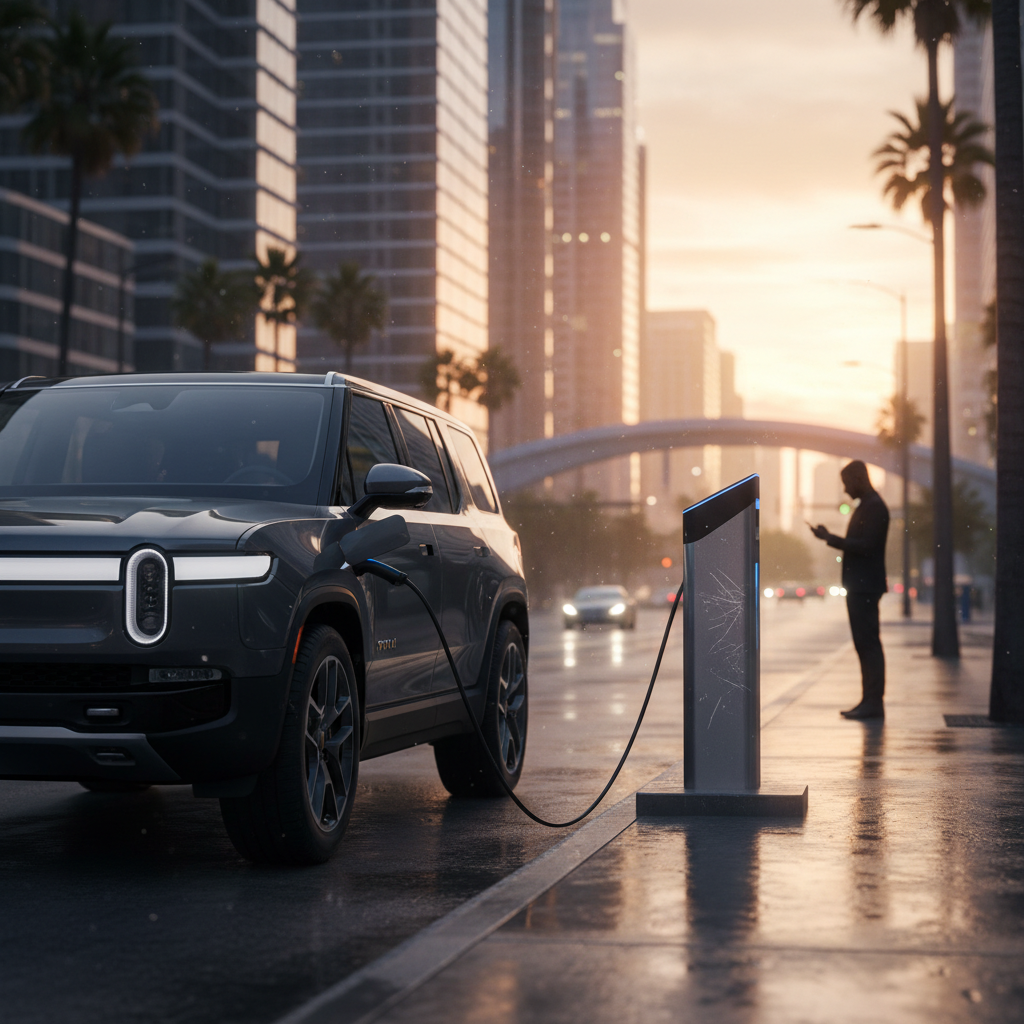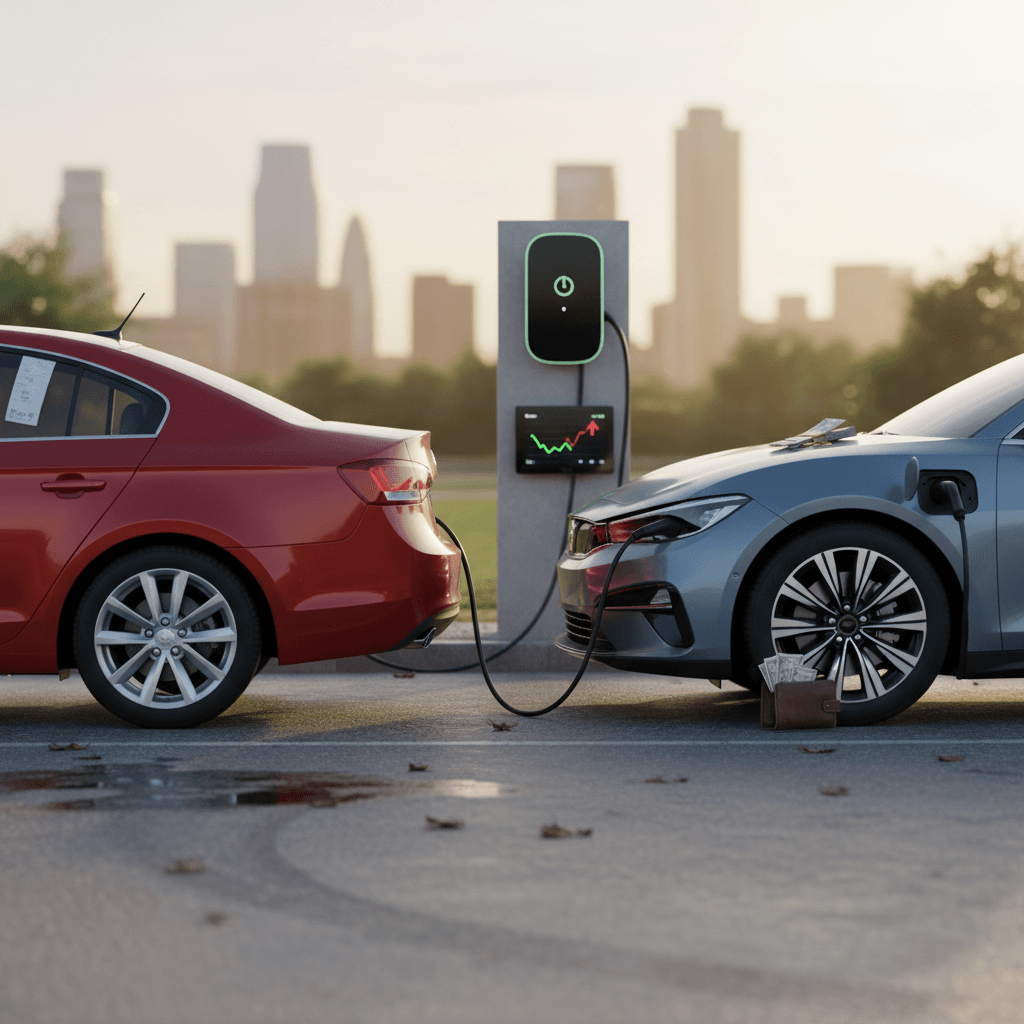
If your car mainly shuttles you to work and back, your commute is where switching to an EV can quietly turn into hundreds, or even thousands, of dollars in yearly savings. In 2025 data, electricity is typically **2–3 times cheaper per mile than gasoline**, and EVs need far less maintenance. Combine that with a predictable daily route and you have the ideal use case for an electric commuter.
Key context for 2025–2026
Why your commute is where EV savings add up
The average U.S. worker spends about 27 minutes each way commuting by car, which works out to roughly 25–30 miles round trip in many metro areas. Do that 5 days a week, 50 weeks a year, and you’re easily at 6,000–8,000 commuter miles annually, often more if you mix in school drop‑offs and errands.
Your daily drive, by the numbers
Because commute miles are repetitive and predictable, they’re perfect for an EV’s strengths: efficient stop‑and‑go driving, regenerative braking, and overnight home charging. Where gasoline cars burn the most fuel crawling in traffic, an EV recovers energy and barely sips power while stopped.
Why commuters see the biggest payback
Baseline: what your commute really costs today
To understand commute savings from switching to an EV, you need a baseline. Let’s start with a straightforward gas‑car example and then translate that into per‑mile numbers you can customize.
- Assume you drive 30 miles per day (15 miles each way), 5 days a week, 50 weeks a year: **7,500 miles**.
- You own a gas sedan that averages **30 miles per gallon**.
- Recent U.S. gas prices have floated around **$3.00–$3.25 per gallon** nationally (higher in some states, lower in others).
At 30 mpg, you burn 250 gallons per year on your commute alone (7,500 ÷ 30). At $3.10 per gallon, that’s roughly **$775 per year**, or just over **10¢ per mile** in fuel. None of this includes maintenance like oil changes, brakes, or the time you spend filling up.
Don’t forget “invisible” commute costs
Fuel savings when you switch your commute to an EV
Electric vehicles convert energy to motion much more efficiently than internal‑combustion engines. Most modern EVs deliver **3–4 miles per kWh** in mixed commuting. Combine that with common residential electricity prices and you get a huge gap in per‑mile energy cost.
Typical U.S. commute fuel cost: gas vs EV
Illustrative 2025 fuel cost comparison for a 7,500‑mile annual commute.
| Scenario | Assumptions | Cost per mile | Annual fuel cost (7,500 mi) |
|---|---|---|---|
| Gas sedan | 30 mpg, $3.10/gal gas | $0.10–$0.11 | $750–$825 |
| EV (average) | 3.5 mi/kWh, $0.15/kWh home rate | $0.04–$0.05 | $300–$375 |
| EV (off‑peak rate) | 3.5–4 mi/kWh, $0.10/kWh TOU rate | $0.025–$0.03 | $190–$225 |
Your exact numbers will vary by local gas and electricity prices, but the EV advantage per mile shows up across virtually all U.S. states.
Even using conservative assumptions, you’re looking at **roughly half (or less) the fuel cost per mile** once you switch your commute to an EV. On a 7,500‑mile annual commute, that’s usually **$400–$600 a year in fuel savings alone**. If you’re a heavy commuter (12,000+ miles per year just for work), the gap widens quickly.
Rule of thumb for fuel savings
Maintenance and repairs: the silent budget drain
Commute miles are also **maintenance miles**. You’re warming the engine up twice a day, racking up stop‑and‑go cycles, and wearing brakes and fluids. EVs sidestep a lot of this because they don’t have engines, multi‑gear transmissions, or exhaust systems, and they use regenerative braking to slow the car without relying on brake pads as often.
Maintenance: EV vs gas for a commuter
Typical annual maintenance costs for a mid‑size daily driver in 2025 estimates.
Gas commuter
- Oil changes 2–3x/year
- More frequent brake jobs
- Fluids (transmission, coolant, etc.)
- Accessory belts, spark plugs, emissions repairs
Typical annual spend: around $900–$1,800, depending on age and mileage.
EV commuter
- No oil changes, no exhaust or emissions system
- Less brake wear thanks to regen
- Fewer moving parts overall
- Most major components covered by long warranties
Typical annual spend: around $150–$300 for tire rotations, inspections, and filters.
Across multiple 2025 comparisons, that works out to **30–70% lower annual maintenance and repair costs** for EVs, especially in the first 8–10 years when the battery and drive unit are still under warranty. Spread over a commute‑heavy ownership period, this can add thousands of dollars back to your pocket.
Battery warranties matter for commuters
Total commute cost: EV vs gas in 3 real-world scenarios
Let’s pull fuel and maintenance together into whole‑commute numbers. These are simplified estimates that ignore depreciation and insurance, helpful when you’re focused purely on operating costs tied to driving to work.
Three commute profiles: gas vs EV yearly operating cost
Illustrative 2025 example costs assuming average U.S. prices and modern compact/mid‑size vehicles.
| Profile | Annual commute miles | Gas: fuel + maint. | EV: fuel + maint. | Approx. yearly savings |
|---|---|---|---|---|
| Short‑range city commuter | 5,000 | $650–$1,150 | $250–$450 | $400–$700 |
| Typical suburban commuter | 7,500 | $950–$1,600 | $350–$600 | $600–$1,000 |
| Long‑range “super commuter” | 12,000 | $1,600–$2,400 | $550–$900 | $1,000–$1,500 |
Fuel at $3.10/gal, electricity at $0.15/kWh, EV efficiency 3.5 mi/kWh. Maintenance bands derived from 2025 ownership studies of gas vs EV mid‑size vehicles.
For a typical suburban commuter at 7,500 miles per year, switching to an EV often frees up **$50–$80 per month** in combined fuel and maintenance savings. For long‑range commuters, the savings can be closer to **$100–$130 per month**, and that’s before factoring in time saved and any workplace charging benefits.
Think in monthly terms
Time and convenience savings you don’t see on a bill
Commuting isn’t just about dollars, it’s also about your time and stress level. One of the under‑appreciated advantages of switching to an EV for commute savings is the way it changes your daily rhythm.
Gas commuter routine
- Stop for gas every 5–7 days, often during busy hours.
- Plan around oil changes, emissions tests, and occasional engine lights.
- More noise, vibration, and fumes in stop‑and‑go traffic.
Each fill‑up might only be 10–15 minutes, but over a year that can add up to several hours of errand time.
EV commuter routine
- Plug in at home a few nights per week; wake up with a “full tank.”
- Skip gas stations almost entirely if you have home or workplace charging.
- Quieter cabin and smoother acceleration in traffic.
For many commuters, the biggest lifestyle upgrade is simply never having to think about fuel stops during the workweek.
Comfort is a form of savings, too
How to maximize commute savings with a used EV
The largest knock against EVs today isn’t operating cost, it’s purchase price. New EVs still tend to cost more than comparable gas cars. That’s why a **well‑chosen used EV can be a sweet spot** for commuters: you capture low running costs and a lower upfront price, without paying for features you don’t need.

Why used EVs are especially compelling for commuters
You’re buying predictable miles, not bragging rights.
You don’t need max range
Lower depreciation hit
City driving advantage
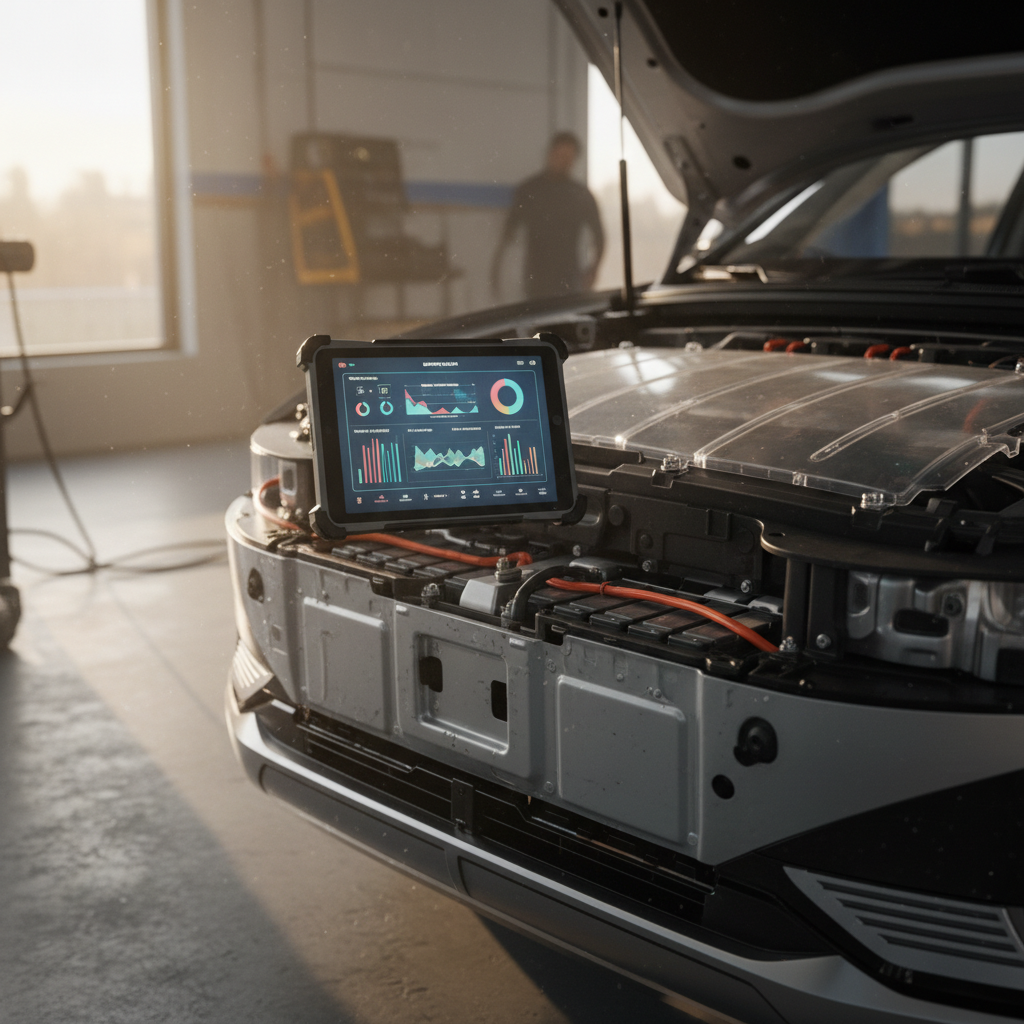
This is exactly the use case Recharged is built around. Every vehicle we list includes a Recharged Score Report with verified battery health and fair‑market pricing, so you can see at a glance whether a specific used EV has the range and pack condition to handle your daily commute comfortably.
What the Recharged Score tells a commuter
Used EV commuter checklist
Confirm real-world range with a buffer
Take your daily round‑trip distance and at least double it. If you drive 40 miles/day, look for an EV that can comfortably do 80–100 miles even on cold or hot days.
Review battery health and warranty
Check degradation estimates and remaining battery warranty years/miles. A strong pack plus warranty coverage reduces your risk as a commute‑heavy driver.
Check charging options at home and work
Even a basic 120V outlet can work for short commutes, but Level 2 home charging or workplace charging makes ownership easier and maximizes savings.
Match charging speed to your schedule
Look at the car’s onboard charger (e.g., 7.2 kW vs 11 kW). Faster Level 2 speeds are handy if you often need to top up between work and evening plans.
Estimate insurance and fees
Insurance for some EVs can be higher than for gas cars; some states now add EV road‑use fees. Include these when you compare total monthly cost.
Test drive your actual route if possible
If you can, drive a similar EV along your real commute. Note comfort, energy use, and whether features like adaptive cruise or lane‑keeping reduce fatigue.
Step-by-step: crunch your own commute savings
You don’t need a spreadsheet to get a reasonably accurate estimate of your commute savings when switching to an EV. Work through these steps with a calculator or notes app.
- Measure your daily commute distance. Use your odometer or a maps app to get a realistic round‑trip number, including detours for school runs or errands.
- Estimate annual commute miles. Multiply your daily commute by how many days a week you actually go in, then by 50 working weeks. Example: 32 miles × 4 days × 50 weeks = 6,400 miles.
- Calculate current fuel cost per mile. Divide your usual gas price by your car’s real‑world mpg. Example: $3.25 ÷ 28 mpg ≈ 11.6¢/mile.
- Estimate EV energy cost per mile. Use 3.5 miles per kWh and your home electricity rate. Example: $0.15 ÷ 3.5 ≈ 4.3¢/mile. If your utility offers off‑peak EV rates, run that number too.
- Multiply by your commute miles. Annual fuel cost = cost per mile × annual commute miles for gas vs EV. The gap between the two is your yearly fuel savings.
- Add a maintenance adjustment. If your gas car is costing $1,200/year in maintenance and a comparable EV would be ~$300/year, that’s another $900/year you can attribute to commute miles, especially if most of your driving is commuting.
- Compare savings to payment difference. If a used EV would cost you $80 more per month in payment but save $100 per month in fuel and maintenance, your commute effectively subsidizes the better car.
Use conservative numbers
Common pitfalls that erode EV commute savings
EVs aren’t magic. There are situations where the savings won’t look as dramatic, or where a poorly matched vehicle cancels out the benefits. Being aware of these pitfalls helps you avoid them.
Watch out for these savings killers
Most are avoidable with a bit of planning.
Relying mostly on expensive DC fast charging
Underestimating cold-weather impact
Ignoring new EV fees and insurance
Overbuying performance and range
Don’t skip a battery health check
FAQ: Switching to an EV for commute savings
Frequently asked questions
Bottom line: is switching to an EV worth it for your commute?
If your car’s primary job is getting you to work and back, the math in 2025–2026 overwhelmingly favors switching to an EV, especially a well‑priced used one. Energy for each mile is cheaper, maintenance is simpler, and home charging turns fuel from a stressful errand into a quiet overnight background task.
The key is to choose an EV whose range, battery health, and charging options fit your exact commute. Once that’s in place, you can treat the savings as a new monthly budget line: money you’re no longer burning in traffic. If you’re ready to run the numbers on a specific car, start browsing used EVs with verified battery reports on Recharged, or talk to an EV specialist about how your daily drive could look, and cost, very different behind the wheel of an electric commuter.