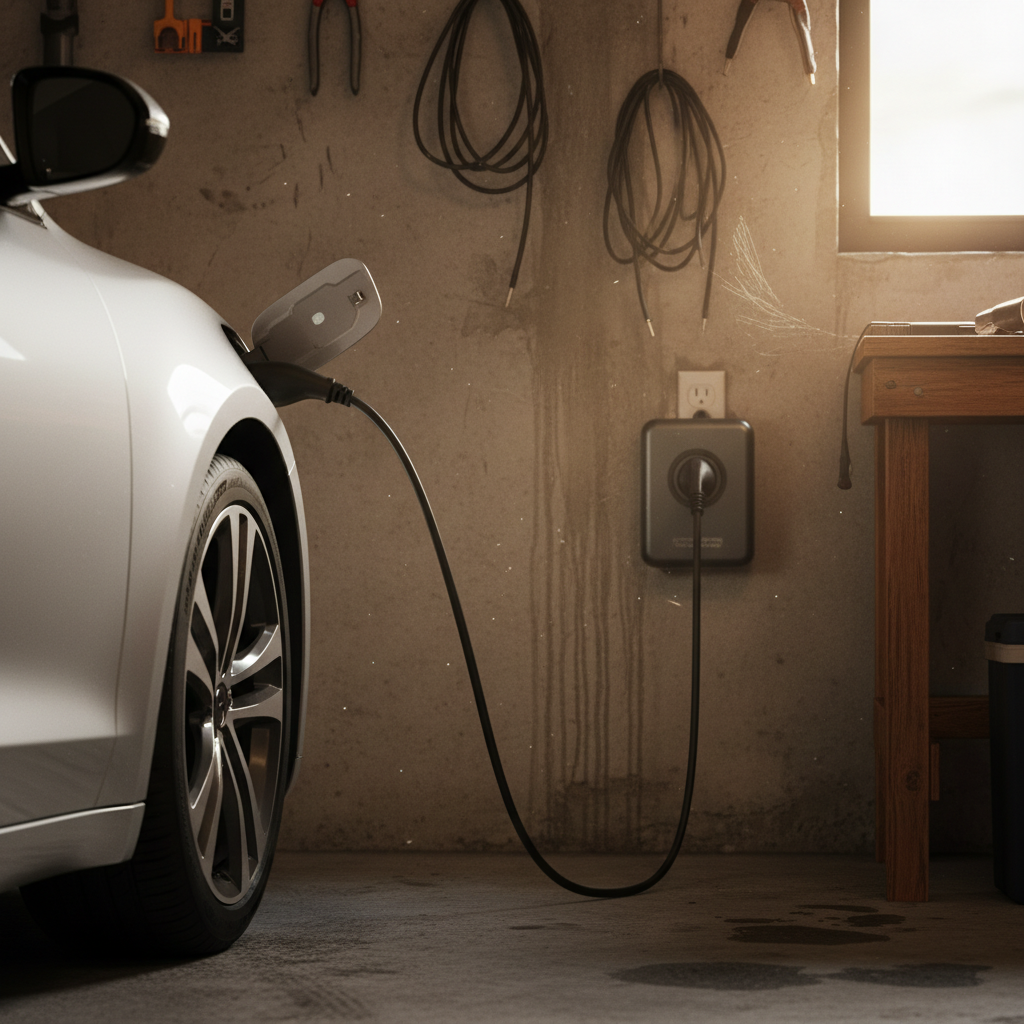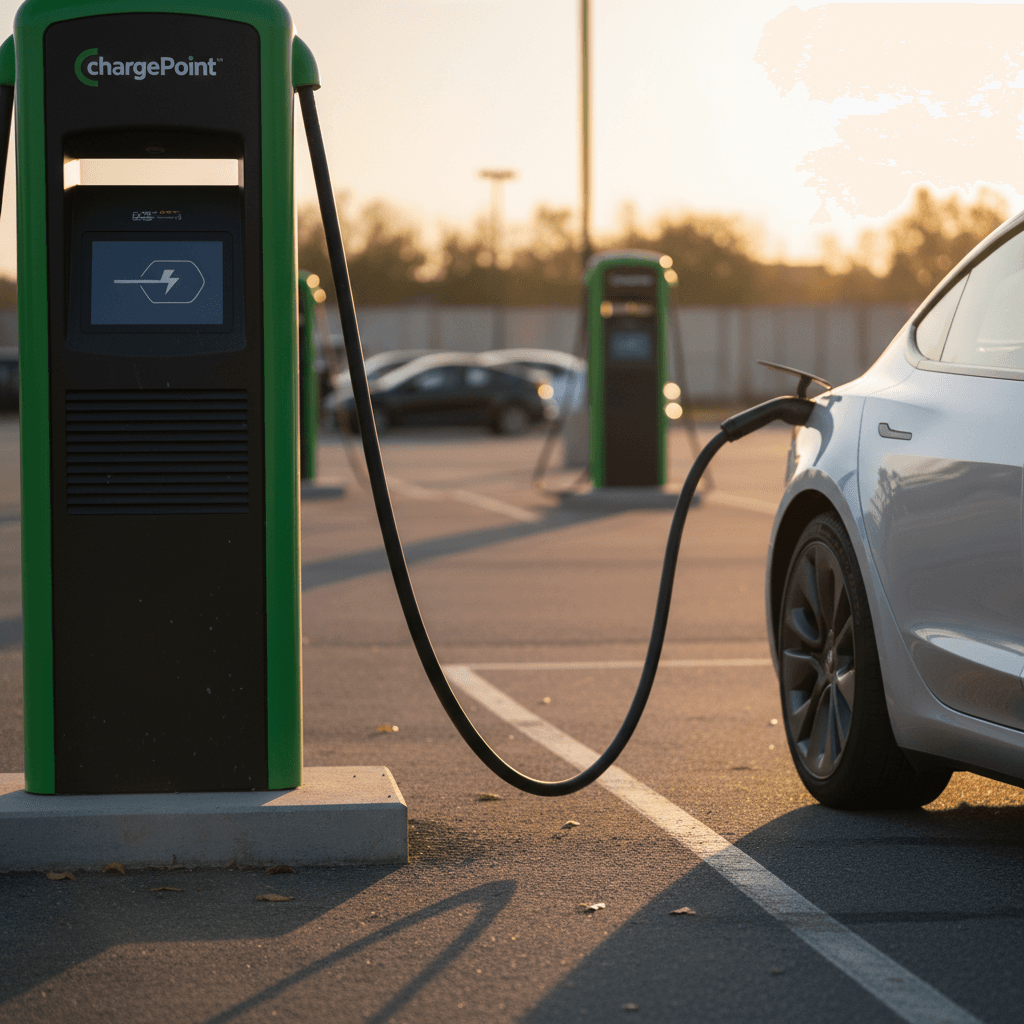
You type “super EV charger near me” because you don’t want to trickle charge for hours, you want serious speed. In 2025, that usually means DC fast charging or Tesla’s Supercharger network, plus a growing number of high-power hubs from other networks. This guide breaks down what “super” actually means, how to find the fastest chargers near you, and how to use them without range anxiety or surprise fees.
Quick definition
What Is a “Super EV Charger” Really?
There’s no official standard called a “super EV charger.” In practice, the phrase usually refers to DC fast charging (sometimes called Level 3) or Tesla Superchargers. These stations bypass your car’s onboard AC charger and feed DC power straight into the battery, which is why they’re so much faster than home or workplace charging.
What Drivers Usually Mean by “Super Charger”
Two main things people are searching for when they say it
DC Fast Chargers (50–400 kW+)
Public stations labeled DC fast, CCS, or CHAdeMO/NACS that can add 100–200+ miles of range in ~30 minutes, depending on your EV.
Tesla Superchargers
Tesla’s branded high‑power network, often 150–250 kW, with some sites higher, that now supports many non‑Tesla EVs via NACS or built‑in adapters.
Terminology tip
Charging Speeds: Level 1 vs Level 2 vs DC Fast
To know whether a charger near you is truly “super,” you need to understand the three main categories of public charging. The label matters less than the kW rating and what your vehicle can accept.
How Fast Are Different EV Charging Levels?
Approximate real‑world speeds for modern EVs in good conditions.
| Charging Type | Typical Power | Use Case | Miles of Range per Hour* |
|---|---|---|---|
| Level 1 (AC) | 1–2 kW | Standard 120V outlet at home | 2–5 mi/hr |
| Level 2 (AC) | 7–11 kW (up to ~19 kW) | Home, workplace, many public lots | 20–40+ mi/hr |
| DC Fast (Entry) | 50–75 kW | Older or smaller highway sites | ~100–150 mi in 30–45 min |
| DC Fast (Typical 2025) | 100–200 kW | Most highway fast-charging sites | ~150–250 mi in 30 min |
| Ultra‑Fast / High‑Power | 250–400+ kW | New hubs, some Superchargers, Ionna and bp pulse sites | Shortest possible stops; often limited by your car |
Actual speeds depend on your battery size, state of charge, and temperature.
Your car may be the bottleneck
7 Ways to Find a Super EV Charger Near Me
Finding fast charging used to mean juggling half‑broken apps. In 2025, the tools are better, but you still get the best results by combining a few of them. Here are seven reliable ways to find high‑speed chargers near you or along a route.
The Best Tools to Find a Super EV Charger Near You
Use at least two of these for redundancy on longer trips
1. Google Maps & Apple Maps
Search for terms like “EV charging”, “DC fast charging”, or “Tesla Supercharger”. Tap each result and look for:
- Power rating (kW)
- Network name (Tesla, Electrify America, etc.)
- Recent reviews on reliability
2. Network Apps
Download apps for major networks you see nearby, Tesla, Electrify America, EVgo, ChargePoint, and regional utilities. Their apps usually show:
- Real‑time stall availability
- Exact pricing
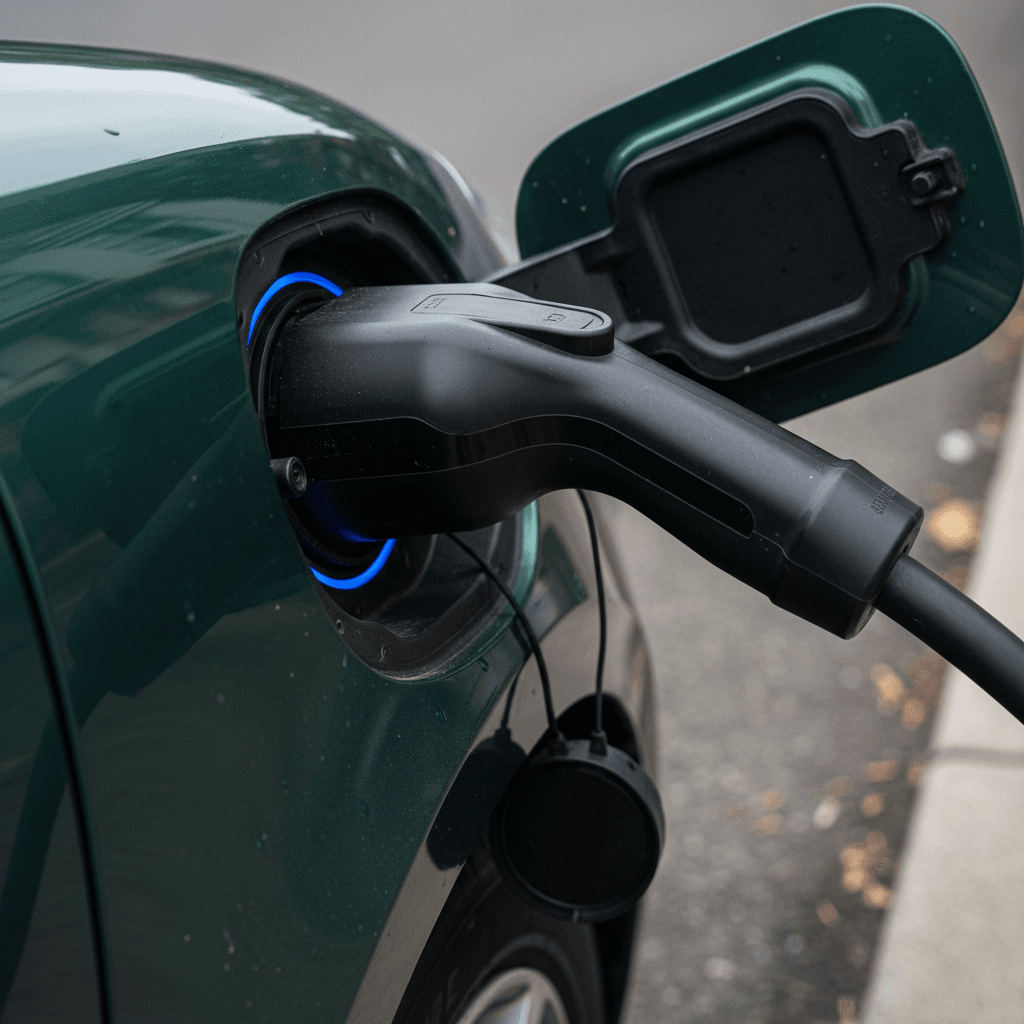
- Connector types (CCS, CHAdeMO, NACS)
3. PlugShare & Community Maps
Apps like PlugShare aggregate crowd‑sourced info across networks. They’re great for:
- Up‑to‑date user check‑ins
- Photos of stations
- Alerts about broken equipment
4. Your EV’s Built‑In Navigation
Most newer EVs can show nearby chargers and plan fast‑charge stops along a route. The advantages:
- Knows your exact state of charge
- Can pre‑condition the battery before a fast charge
- Often filters by power level
For Tesla and some other brands, this is the most seamless way to reach “super” chargers reliably.
5–7. Regional Players & Memberships
- Utility programs: Many utilities list high‑power stations on their websites and offer discounts during off‑peak hours.
- New high‑power networks: Joint‑venture networks like Ionna and expanding hubs from bp pulse are rolling out 400 kW‑class chargers, often at highway travel centers and airports.
- Membership & RFID cards: If you use a network regularly, signing up can unlock lower per‑kWh prices and faster session start.
Pro tip for quick searches
Major Fast-Charging Networks in the U.S.
When you search for a “super EV charger near me,” you’re really searching for one of a handful of big networks plus a long tail of regional operators. Understanding who’s who helps you quickly judge reliability, amenities, and likely pricing.
Fast-Charging Snapshot (U.S. & Beyond, 2024–2025)
Who Are You Likely to See on the Map?
Common brands behind the “super chargers” you’ll find
Tesla Supercharger
Largest high‑power network in the U.S. by stall count. Historically Tesla‑only, but many sites now support non‑Tesla EVs via NACS ports or built‑in adapters.
Look for: Clean sites, high uptime, simple app experience.
Electrify America, EVgo, ChargePoint
The big non‑Tesla fast‑charging brands. Power levels typically 50–350 kW, with growing support for NACS as well as CCS.
Look for: Station count in your region and recent user reviews.
New JV Networks (e.g., Ionna)
Automaker‑backed hubs focused on comfort and speed, think lounges, food, restrooms, and 400 kW‑class hardware.
Look for: Sites near major interstates and travel plazas.
Retail & Restaurant Partners
Convenience stores, big‑box retailers, and even 24/7 diners are adding high‑power chargers, often in partnership with big networks.
Look for: Safe, well‑lit lots where you can grab food while you charge.
Can Non‑Tesla EVs Use Tesla Superchargers?
If you drive a Ford, GM, Hyundai, Kia, Rivian, or most other modern EVs, you’ve probably heard that Tesla’s Supercharger network is opening up. In 2025, the answer is increasingly “yes, but check the details.” Access depends on your connector, your specific model year, and which Supercharger site you’re visiting.
If your car has NACS from the factory
- Newer U.S. EVs are starting to ship with Tesla’s North American Charging Standard (NACS) port.
- At sites labeled “open to non‑Tesla,” you can usually plug in directly, pay via the Tesla app or your car’s native system, and charge like a Tesla owner.
- In practice, these sessions are often the closest thing to a true “super EV charging” experience today.
If your car uses CCS or CHAdeMO
- You may need a CCS‑to‑NACS adapter certified for DC fast charging or rely on Supercharger sites that include integrated CCS cables.
- Check the Tesla app: it will clearly show whether a given station supports your vehicle type and connector.
- If not, use other DC fast networks nearby; most still support CCS by default.
Don’t assume compatibility
Cost & Time: How Long a “Super” Charge Really Takes
Searching “super ev charger near me” is really about saving time. But time and cost at DC fast chargers vary by network, location, and your battery size. Here’s what to expect and how to avoid overpaying.
Typical Fast-Charging Cost & Time Ranges (U.S.)
Ballpark figures for a mid‑size EV (60–80 kWh pack) in 2025.
| Scenario | Energy Added | Time at Fast Charger | Typical Cost Range |
|---|---|---|---|
| Quick top‑up in town | 20–30 kWh (50–80 mi) | 15–25 minutes | $6–$15 |
| Highway stop on road trip | 40–60 kWh (100–180 mi) | 25–40 minutes | $15–$30 |
| Big recharge (10% → 80%) | 50–70 kWh | 30–45 minutes | $18–$40 |
| Super off‑peak deal | Similar energy | Same as above | Sometimes 10–30% cheaper with memberships or utility programs |
Always check the app or station screen for current pricing at your specific location.
Money‑saving tip
Road-Trip Strategy with Super EV Chargers
On a well‑planned road trip, “super EV chargers” turn into predictable 20–30 minute breaks instead of stress points. The key is to plan around fast chargers that match your car’s capabilities and your route, rather than just driving until you’re nearly empty.
Pre‑Trip Checklist for Fast-Charge Road Trips
1. Check your car’s max DC rate
Look up your EV’s maximum DC fast‑charging power (kW). If it tops out at 100 kW, don’t pay extra to seek out 350 kW sites unless they’re the only option.
2. Map chargers along the route
Use your car’s navigation plus apps like PlugShare or network apps to place chargers roughly every 80–120 miles, depending on your usable range and weather.
3. Prefer clusters over one‑offs
Choose stops where multiple stations or networks are in the same area. If one site is down, you have a backup a short drive away.
4. Aim to charge between ~10% and ~70–80%
Charging slows dramatically above ~80%. Two shorter sessions can be faster than one big 10% → 100% blast.
5. Consider amenities and safety
Prioritize well‑lit stations with restrooms and food, especially if you’ll arrive late at night or with kids in the car.
6. Download apps ahead of time
Set up accounts and payment methods for at least 2–3 major networks before you leave so you’re not fighting with sign‑ups on a low battery.
Realistic expectation
Common Pitfalls, and How to Avoid Them
There’s nothing worse than arriving at a “super EV charger near me” only to find a broken station or a long line of cars. Most hassles fall into a handful of patterns you can largely avoid with some planning.
- Relying on a single station in a remote area instead of choosing an exit with multiple options.
- Assuming every “fast charger” is 150 kW+, some older sites are still 50 kW, which is much slower for big batteries.
- Showing up with 2–3% state of charge and no backup plan if the site is down.
- Ignoring weather: cold batteries charge much slower, especially if you drive short hops between stops.
- Using untested third‑party adapters or cables for DC fast charging.
Battery health vs. fast charging
How Recharged Helps You Charge Smarter
Finding a “super EV charger near me” gets a lot easier when you start with the right car and a clear picture of its battery health. That’s why every EV at Recharged comes with a Recharged Score Report that includes verified battery diagnostics, charging history insights where available, and fair market pricing.
Choose the right charging profile
Some used EVs have lived their lives mostly on home Level 2 charging; others have spent years as ride‑share workhorses living on DC fast chargers. With the Recharged Score, you can see real battery‑health data so you’re not guessing which you’re getting.
If you know you’ll be fast‑charging on road trips but using home charging day‑to‑day, you can prioritize vehicles whose history and health match that plan.
Full‑stack EV ownership support
- Expert EV specialists who can talk you through real‑world charging behavior for specific models.
- Financing and trade‑in options built around EVs, not generic gas‑car assumptions.
- Digital buying experience with nationwide delivery, plus an Experience Center in Richmond, VA if you want to see and test‑drive in person.
So when you finally search “super EV charger near me,” you’ll be driving an EV that charges quickly, predictably, and fits your life.
FAQ: Finding a Super EV Charger Near Me
Frequently Asked Questions
If you understand what “super EV charger near me” really means, DC fast power, the right connector, and a reliable network, you can turn charging from a source of anxiety into a predictable part of your routine and your road trips. Start by learning your EV’s max DC rate, set up the key apps before you leave home, and favor stations with backup options and good amenities. And if you’re still shopping for an EV, choosing a vehicle with transparent battery health and solid fast‑charging performance, backed by tools like the Recharged Score, will make every future fast‑charge stop faster, cheaper, and a lot less stressful.