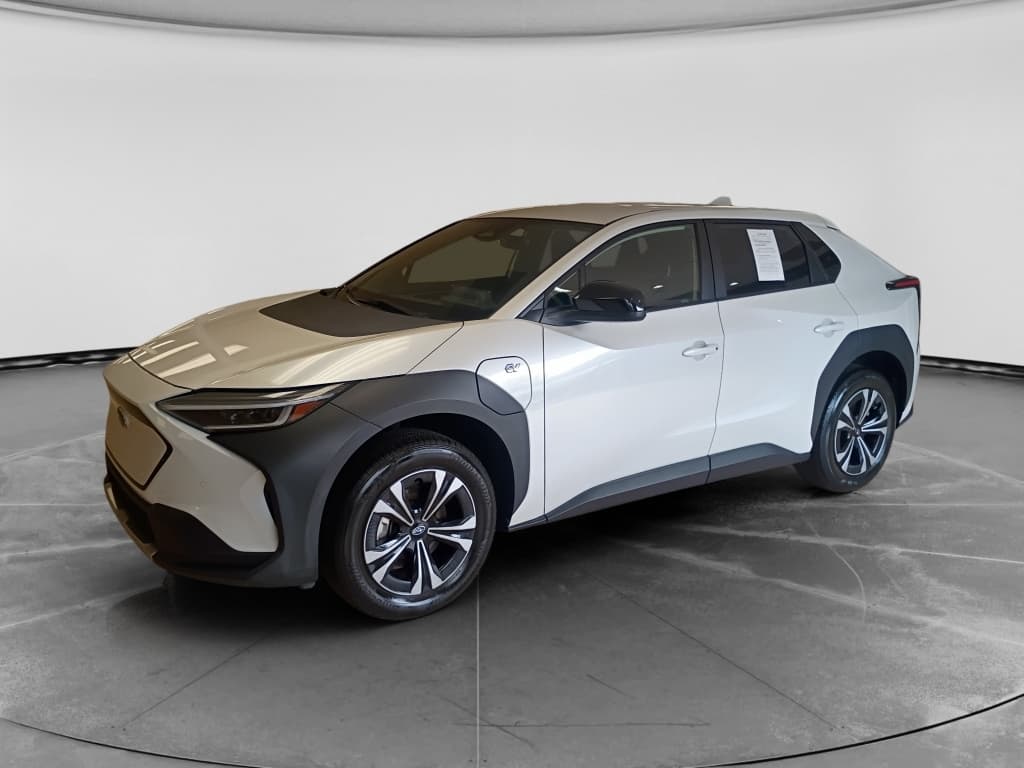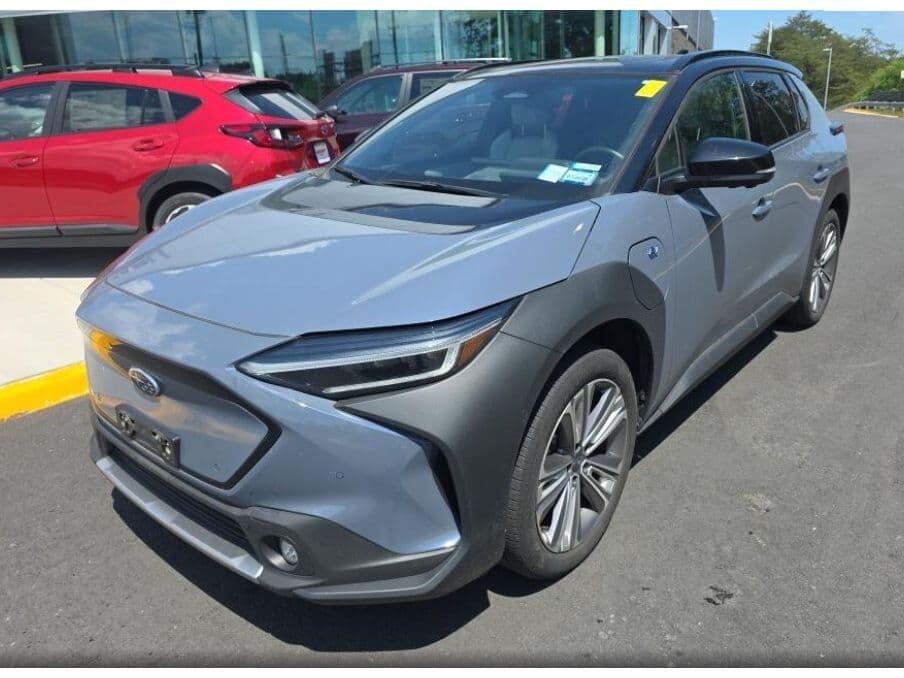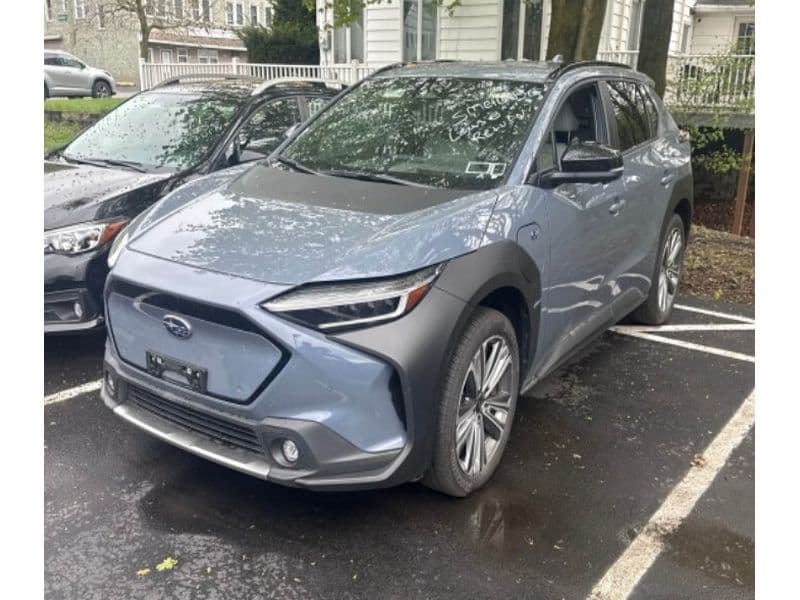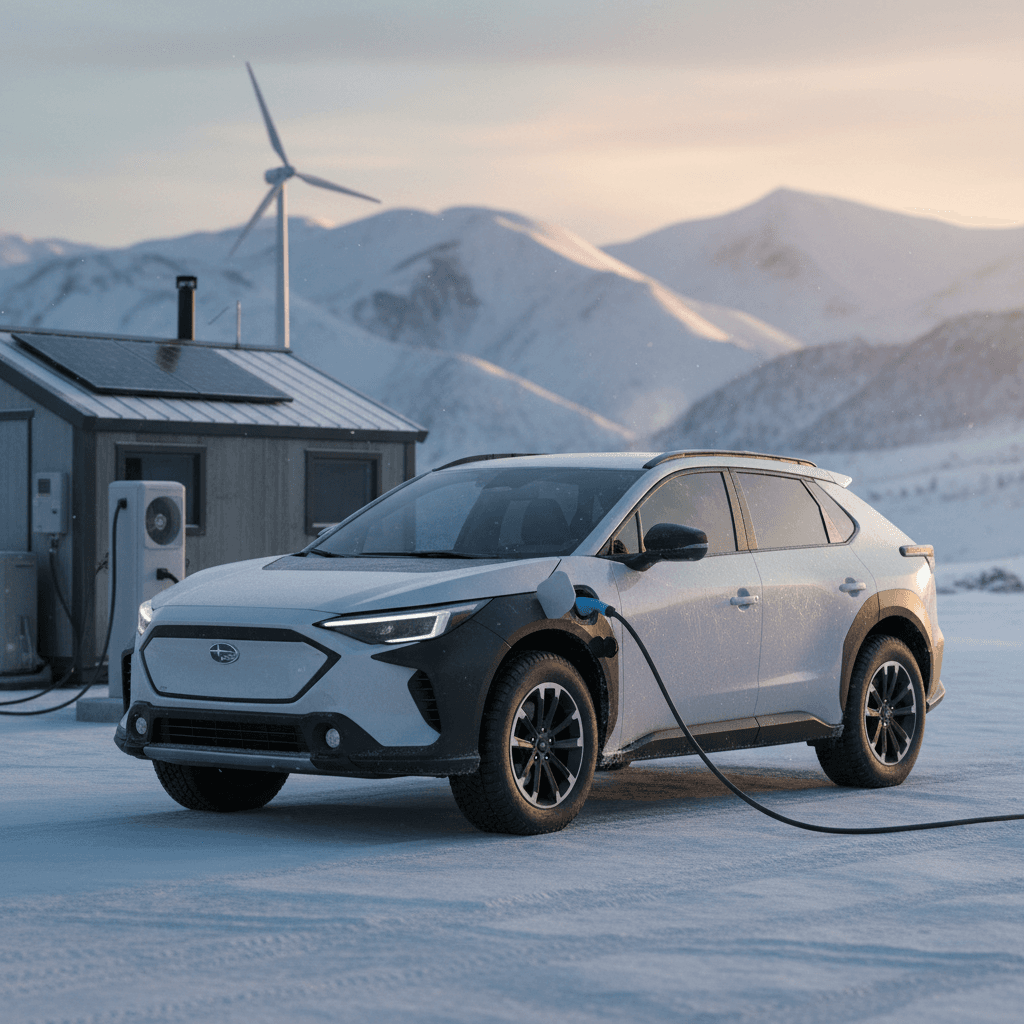
If you live where winters are real, think freezing temps, slushy roads, and long nights, you’re right to wonder how the Subaru Solterra’s range holds up in cold weather. On paper the Solterra looks modest but workable; in January, that story changes. This guide walks through what owners actually see in winter, why the range drops, and how to drive and charge so your Solterra still feels like the right tool for the job.
Quick answer: Solterra winter range in one glance
Solterra range basics: EPA vs real-world
Before we talk blizzards, you need a baseline: what the Solterra delivers in mild weather when the test labs are calling the shots instead of Mother Nature.
Subaru Solterra EPA-rated range by model year
Official EPA range ratings in mild conditions. Real-world winter range will be lower.
| Model year | Trim / drive | EPA-rated range (miles) | Battery size (nominal) |
|---|---|---|---|
| 2023–2024 | AWD, Premium | 227 | 72.8 kWh |
| 2023–2024 | AWD, Limited/Touring | 222 | 72.8 kWh |
| 2025 | AWD (updated charging/thermal tweaks) | similar to 2024 on paper | ~72–73 kWh |
| 2026 | AWD base | 288 | mid‑70s kWh |
| 2026 | AWD XT / higher output | 278 | mid‑70s kWh |
Later model years gain more range and better thermal management, but winter still takes a significant bite out of usable miles.
Those EPA numbers assume moderate temperatures and gentle driving, roughly 70°F, no headwinds, and lower sustained speeds than the 75–80 mph you’ll see on many U.S. interstates. They’re useful for comparing cars, but they don’t tell you what happens on a dark February commute with the heater blasting and sleet on the windshield.
EPA range is not a winter promise
How cold weather actually hits EV range
Cold weather doesn’t just nibble at range; it comes at your battery from several directions at once. The Solterra is an all‑wheel‑drive, relatively tall crossover, so you’re pushing a big brick through cold, dense air while the car fights to keep both the cabin and the pack warm.
Four reasons your Solterra loses range in the cold
Understanding the physics makes it easier to work around them.
1. Cold batteries are less efficient
2. Cabin heat is a big energy hog
3. Thick air and winter tires
4. Short trips, constant warm‑ups
How much range loss is normal?
Subaru Solterra range in cold weather: real numbers
So what does all of this actually look like behind the wheel of a Solterra in January? Let’s break it down by temperature band and driving style, using what we know from owner reports, independent tests, and Recharged’s own Solterra range work.
Solterra winter range snapshots (full charge, healthy battery)
Those numbers assume you start at or near 100% state of charge and run the pack down fairly deep. If you’re babying the battery and keeping it between 20% and 80% for daily use, just scale the numbers down: the same percentage loss applies; you’re simply using a smaller slice of the battery.
When things look really bad (like 120–140 miles)
Why the Solterra can struggle more than some rivals
Spend time on Solterra forums and you’ll notice a theme: some owners love the car’s traction and comfort, but they’re surprised at how quickly the range falls off in cold, fast highway driving. There are a few design realities behind that.
Conservative usable battery window
The Solterra’s pack has roughly mid‑70s kWh of total capacity, but Subaru/Toyota reserve a healthy buffer at the top and bottom. That’s good for long‑term battery health, less depth of discharge, less stress, but it means you’re working with fewer usable kWh than some crossovers with similar‑sized packs. In winter, when energy demands spike, that smaller usable window shows up as a shorter practical range.
Charging and thermal quirks
Early Solterras got a reputation for slow DC fast charging in the cold and limited preconditioning control. Subsequent software and hardware tweaks have improved things, but compared with some Korean and American rivals, the Solterra can still feel conservative about how hard it lets you charge or discharge the pack in winter.
The upside: it’s looking after the battery. The downside: less range headroom on ugly days and longer stops if you’re road‑tripping in deep cold.
The flip side: winter strengths
Driving strategies to protect your winter range
You can’t negotiate with physics, but you can stack the deck in your favor. A few habits make a big difference in how far your Solterra goes between charges when the temperature drops.
Seven ways to stretch Solterra winter range
1. Precondition while plugged in
Use the climate‑preconditioning features to warm the cabin and battery <strong>while the car is still charging</strong>. That way, grid power, not your battery, pays for the initial warm‑up. Even 15–20 minutes before departure can noticeably cut early‑drive consumption.
2. Start with seat and wheel heaters
Heated seats and steering wheel use far less energy than heating the entire cabin volume. Set the HVAC a few degrees lower than you would in a gas car and lean on the seat heat instead. You stay comfortable while the battery works less.
3. Ease up on highway speeds
Above about 60 mph, aerodynamic drag climbs quickly. Dropping from 75 mph to 65 mph can save <strong>tens of miles of range</strong> over a full charge in winter. If you’re tight on range, speed is your biggest lever.
4. Use Eco drive and Eco heat modes
The Solterra’s Eco drive mode softens throttle response and reins in power. Eco heat trims HVAC output. Neither turns the car into a slug, but together they shave consumption, especially handy on longer freeway stints where small savings add up.
5. Bundle trips instead of lots of cold starts
If possible, chain errands together so the car stays warm between stops. A single 30‑mile drive uses less energy than three 10‑mile drives with full cold starts and warm‑ups in between.
6. Watch tire pressures
Cold air drops tire pressures, which increases rolling resistance and hurts range. Check your Solterra’s tires regularly in fall and winter and keep them at the recommended pressure (adjusting for any winter tire setup).
7. Use regen intelligently
In very cold conditions, the car may temporarily limit regenerative braking until the pack warms up. Once it’s available, use the stronger regen settings in town to <strong>capture as much energy as is safely practical</strong>, but don’t rely on regen alone on slick surfaces, blend it with gentle pedal braking.
Charging your Solterra in freezing temperatures
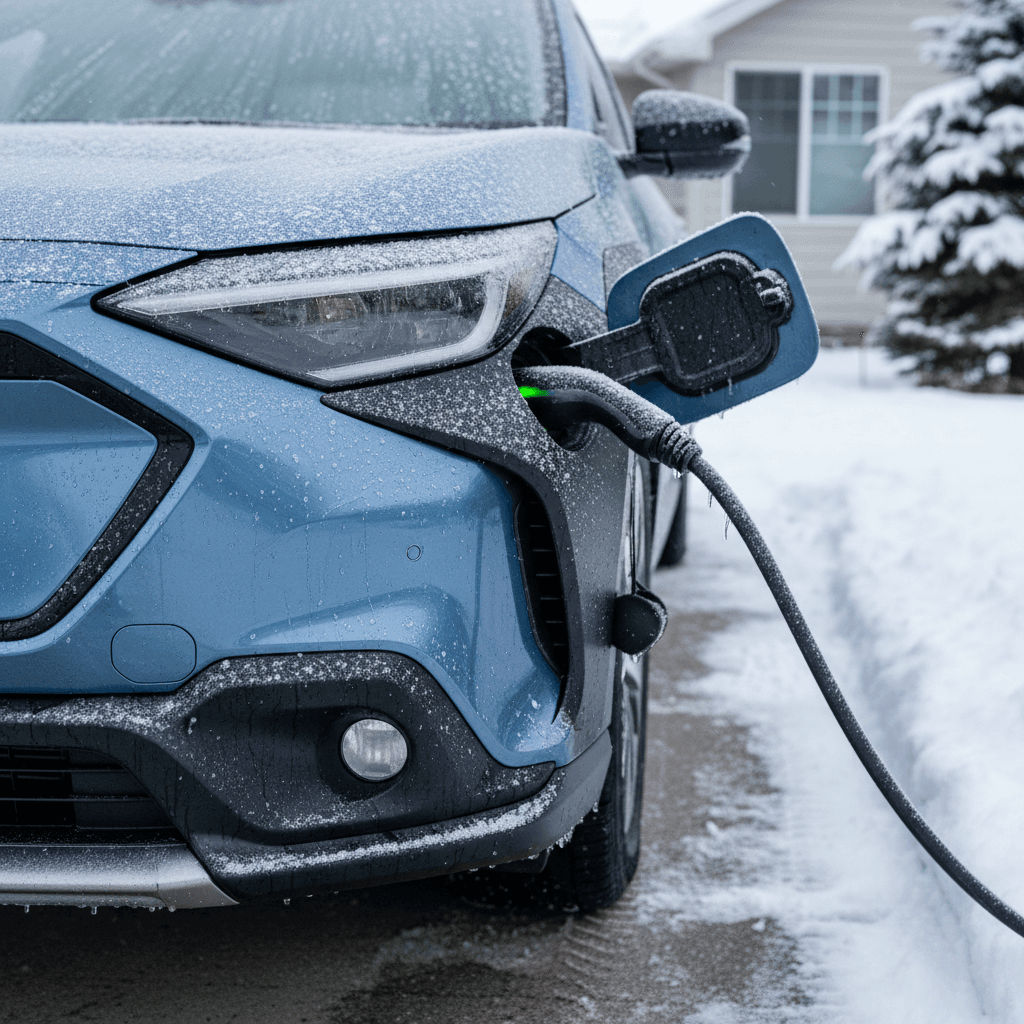
Charging is where many Solterra owners first notice winter’s impact. The car that took on DC fast charge at a healthy clip in October may feel frustratingly sluggish in January if the pack is cold.
Cold-weather charging: home vs public DC fast charging
Same battery, different strategies when the temperature drops.
Level 2 home charging
- Expect overnight charging on a 240V Level 2 to take longer when it’s below freezing, the car will spend some energy warming the pack.
- If you can, schedule charging to finish near your departure time. A pack that just finished charging is warmer and more efficient.
- Garaging the car, even in an unheated but enclosed space, moderates temperature swings and improves consistency.
DC fast charging on road trips
- Arriving at a fast charger with a fully cold battery can mean painfully slow speeds, especially on early Solterras.
- Plan to drive at least 20–30 minutes before your first DC fast‑charge stop so the pack isn’t stone cold.
- Don’t chase 100% at a fast charger in winter. The last 20% is slow; it’s usually smarter to stop a bit more often and charge from ~10–70% or 15–80% instead.
Think in charging “windows,” not full packs
Planning winter trips in a Solterra
If you’re commuting 40–60 miles a day, winter range is mostly an annoyance, you’ll still have plenty in reserve. But if you’re trying to cover 180 miles between chargers in 15°F headwinds, planning becomes the whole game.
Winter trip strategies based on your daily use
Daily driver (under 80 miles/day)
Charge to 80–90% overnight on Level 2 and don’t overthink it, your Solterra has range to spare even on rough days.
Keep climate in Eco and use seat heaters so you build real‑world habits before the first big storm.
Once a month, track your miles driven vs. % battery used on a truly cold day to understand your personal winter ‘budget’.
Weekend warrior (100–160 mile days)
Charge to 100% the night before a longer winter trip, especially if you’ll be doing sustained highway speeds.
Plan routes around reliable DC fast‑charge stops every 60–90 miles until you know exactly what your car can do.
Add a <strong>25–30% safety buffer</strong> to whatever any app predicts for a cold‑day trip until you’ve tested it yourself.
Road tripper (multi-stop, 200+ mile days)
Use a dedicated EV route planner and set its ‘consumption’ or ‘buffer’ more conservatively for winter travel.
Assume 30–40% range loss at 0–20°F with normal heat; design legs so you don’t need more than 60–70% of your nominal range.
Prioritize chargers near amenities in case a stop takes longer than planned or the station is busy or partially down.
Don’t plan to 0%, especially in winter
Used Subaru Solterra: what winter range tells you
If you’re shopping for a used Subaru Solterra, cold‑weather range isn’t just about comfort, it’s a window into battery health, software updates, and how the previous owner used the car.
Questions to ask on a winter test drive
- State of charge vs. miles showing: At, say, 80% on a 25°F day, what’s the car predicting? Don’t sweat the raw number, but look for outliers, an early Solterra showing only 120 miles at 80% in mild cold might warrant more digging.
- Software and TSBs: Ask whether all Solterra software updates and cold‑weather charging bulletins have been performed. Updates can improve both range estimation and charging behavior.
- Charging history: If possible, learn whether the car mostly lived on Level 2 home charging or DC fast charging. A healthy mix is fine; exclusive, high‑power fast charging for years may show up as slightly reduced winter range.
How Recharged helps de‑mystify winter range
Every Solterra sold through Recharged comes with a Recharged Score battery and range report. We look at pack health, charging history where available, and real‑world efficiency to give you a clearer picture than the dash can provide, especially important for cars coming out of their first few winters.
If you’re comparing a Solterra with, say, a Hyundai Ioniq 5 or Tesla Model Y, our EV specialists can walk you through how each behaves in cold weather so you choose the car that fits your actual winters, not just a spec sheet.
Frequently asked questions: Subaru Solterra winter range
Subaru Solterra cold-weather range FAQ
Key takeaways on Solterra range in cold weather
The Subaru Solterra is built for bad weather in all the ways that matter to a driver, traction, stability, and confidence. In cold weather, though, its battery and range behave like every other EV’s: when temperatures fall, so does your effective mileage. If you assume a 20–40% winter hit, plan around conservative legs, and use tools like preconditioning, Eco modes, and smart charging windows, the Solterra can be a faithful winter partner rather than a source of range anxiety.
If you’re weighing a Solterra, new or used, against other EVs, or trying to understand whether your current winter range is normal, a data‑driven look at battery health makes a big difference. That’s why every vehicle on Recharged includes a Recharged Score report with verified battery diagnostics and real‑world range insights, so you can shop and drive with eyes wide open, even in the dead of winter.