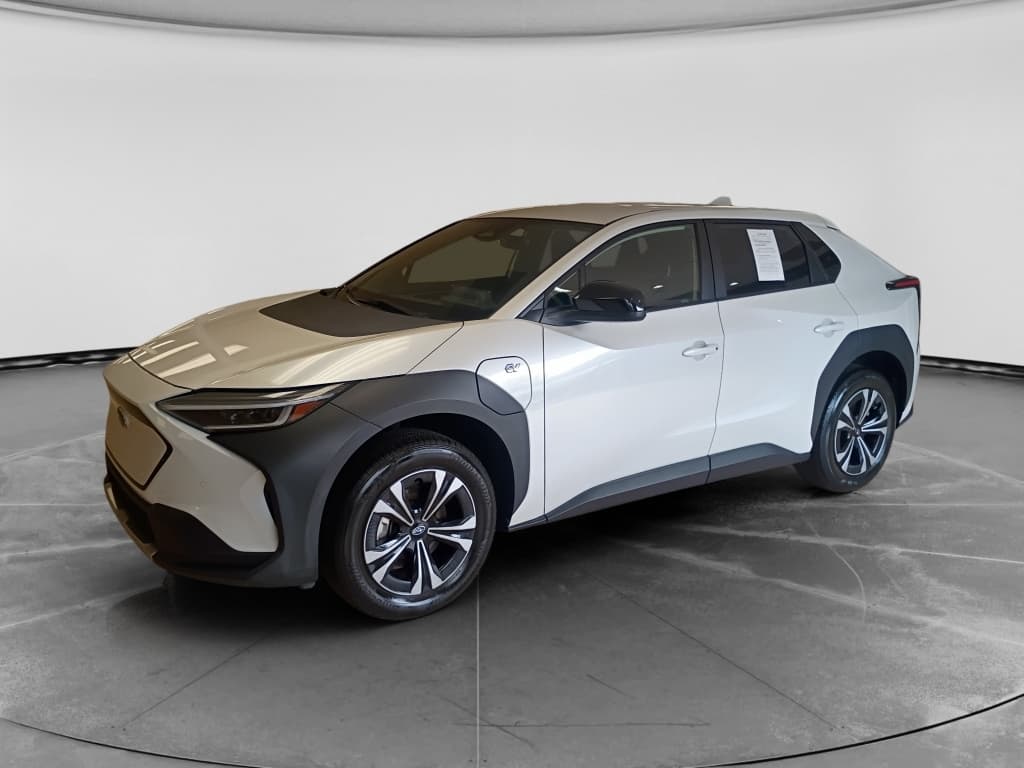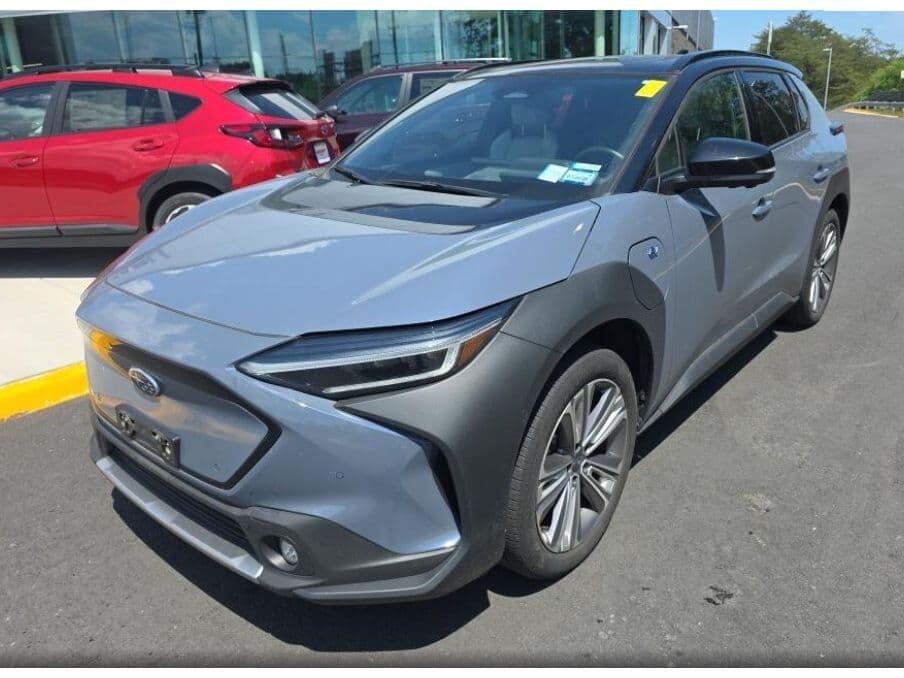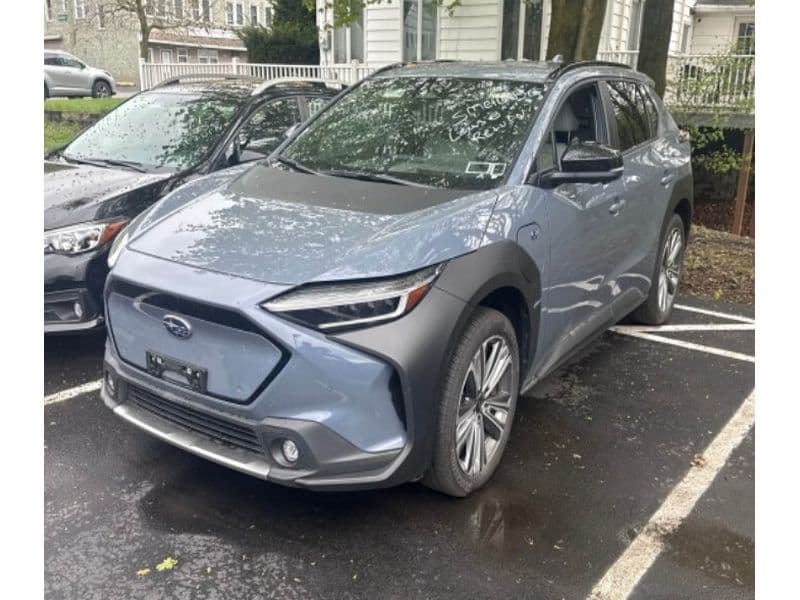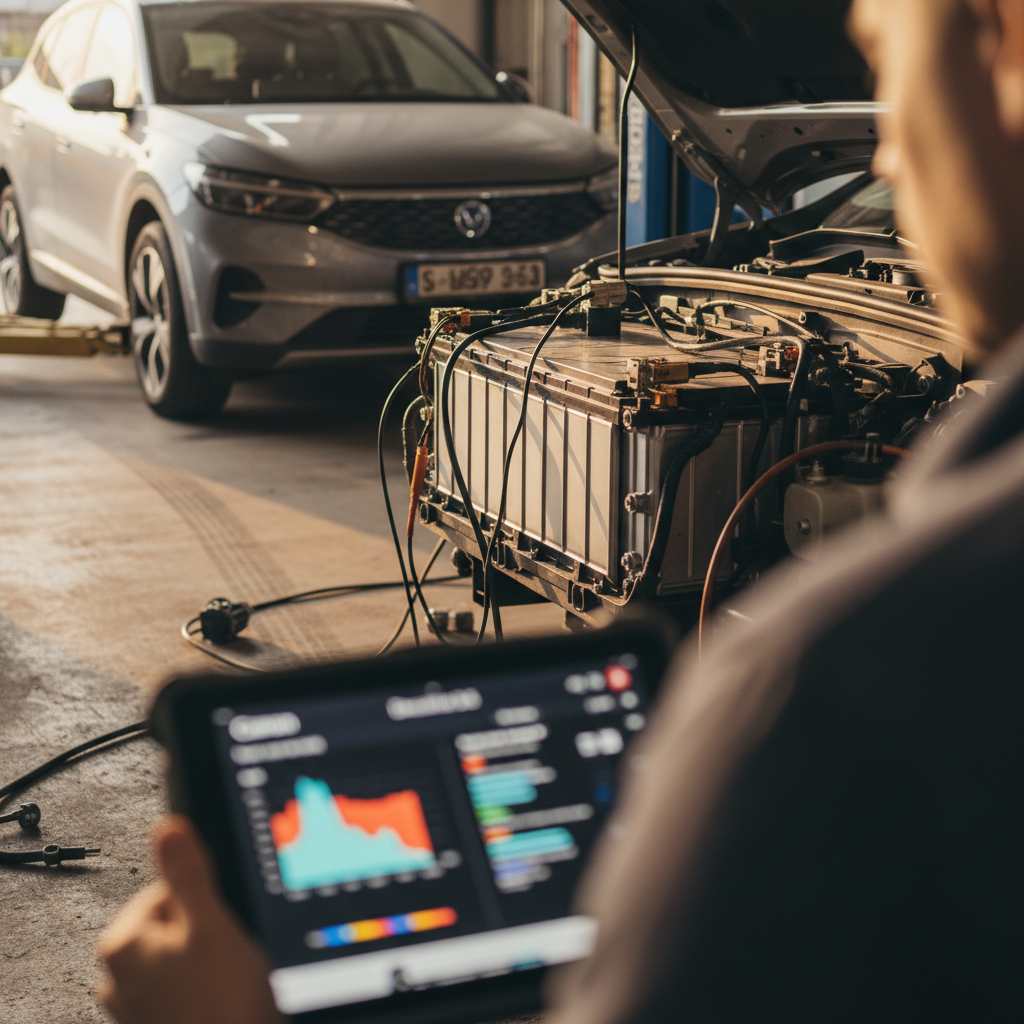
If you’re wondering how to maximize Subaru Solterra battery life, you’re already ahead of the game. The good news: Toyota/Subaru engineered this pack to be conservative and long-lived. The bad news: poor charging habits, extreme heat, and constant DC fast charging can still chew away at your range years before it should.
Quick answer
Why Subaru Solterra battery care really matters
Your Solterra’s lithium‑ion pack is the most expensive component in the vehicle. Subaru backs it for roughly 8 years or 100,000 miles with a 70% capacity guarantee, which is in line with the broader EV market. With smart habits, many owners can keep usable capacity well above that threshold long after the warranty expires, meaning less range loss, fewer charging stops, and a higher resale value if you ever sell.
Subaru Solterra battery life at a glance
Think long game
Subaru Solterra battery basics: what you’re working with
All Subaru Solterra models share Toyota’s e‑TNGA battery architecture, similar to the Toyota bZ4X and Lexus RZ. Early Solterras use a pack around 71–72.8 kWh, while newer model years creep closer to 77 kWh of gross capacity, depending on market and configuration. Subaru also reserves a chunk of that capacity as a buffer, so you can charge to “100%” on the gauge without ever truly filling or emptying the cells.
- Lithium‑ion battery pack mounted low in the floor for stability and crash protection.
- Integrated liquid cooling/heating system to manage cell temperature.
- Battery management software that tightly controls charge/discharge and buffers the top and bottom of the pack.
- Conservative DC fast‑charging curve compared with some rivals, especially on earlier model years.
Why the Solterra feels conservative
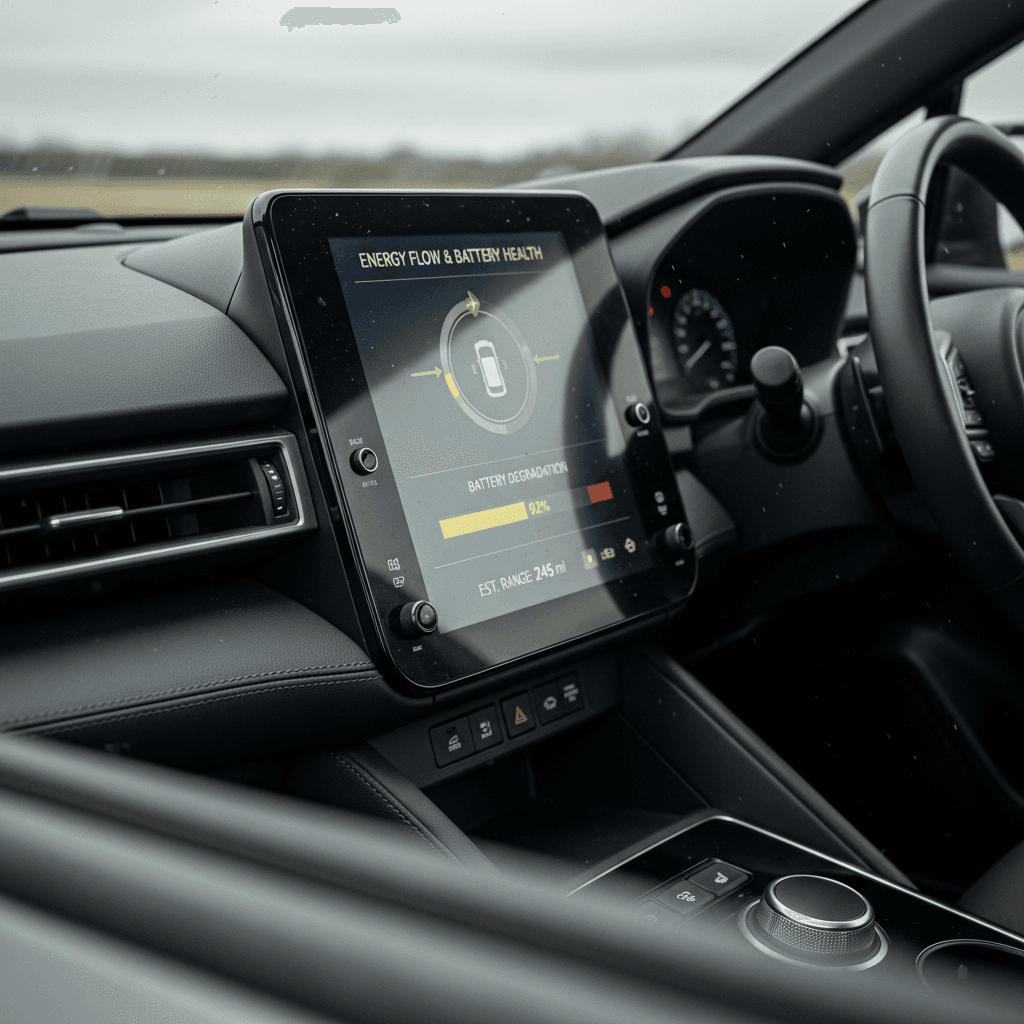
Daily charging habits that maximize Solterra battery life
Battery experts agree on one thing: your daily pattern matters more than the occasional road trip. Here’s how to set up a routine that your Solterra’s battery will love.
Design a battery‑friendly daily charging routine
Set it up once, then forget about it.
1. Aim for 20–80% for daily use
For commuting and errands, try to keep the battery between roughly 20% and 80%. This avoids the most stressful high and low states of charge.
Once in a while, going outside this range is fine, what hurts is sitting at 0% or 100% for long periods.
2. Use Level 1 or Level 2 whenever you can
Subaru and Toyota are comfortable with you charging to 100% on Level 1 or Level 2, especially when you need the range.
Overnight Level 2 at home is ideal: gentle on the pack and easy on your schedule.
3. Finish charging near departure
If you need 90–100% for a long drive, schedule charging so it finishes within an hour or two of departure.
That way the battery doesn’t sit at max state of charge all night.
Set‑and‑forget home charging checklist
Set a sensible charge limit
If your Solterra offers a charge‑limit setting, choose ~80% for normal weekdays. Bump it to 90–100% the night before a road trip, then dial it back afterward.
Plug in regularly, not just at low SOC
Topping up from 40–60% to 70–80% is easier on the pack than deep cycles from near empty to full. Frequent, moderate charges are healthy for lithium‑ion batteries.
Avoid habitually running below 10%
Occasional low‑battery moments are fine, but repeatedly driving down to “turtle mode” before charging adds stress without any benefit.
Prefer overnight instead of daytime “quick hits”
Fast Level 2 blasts at high power into a hot battery on a summer afternoon are harsher than a low‑stress overnight session in a cool garage.
Don’t obsess over the perfect number
How to use DC fast charging without beating up the battery
The Solterra can DC fast charge from about 10–80% in roughly 30–60 minutes depending on model year, charger power, and temperature. That’s plenty for road trips, but rapid charging is the hardest kind of use for any EV battery. The trick is to treat it as a special tool, not your daily fuel pump.
DC fast charging: best practices
- Start low, stop around 80%. You get the fastest speeds and least stress when you begin charging in the 10–30% range and unplug between 70–85%.
- Limit fast‑charge sessions when you can. Subaru/Toyota guidance is to avoid stacking many fast charges back‑to‑back. Using Level 2 at your hotel or destination gives the battery a break.
- Don’t chase 100% on DC. The car will slow charging dramatically above ~80% anyway, and that high‑SOC, high‑heat combo is exactly what shortens battery life.
When heavy DC fast charging is worth it
- Long‑distance road trips. When the alternative is being stuck or wasting hours, use the charger. The occasional road trip won’t kill a healthy pack.
- No realistic home charging. If you live in an apartment and public DC is your only option, do your best: charge from low SOC, unplug earlier, and avoid sitting at 100% in hot weather.
- Cold‑weather emergencies. In winter, you may need extra charging flexibility. That’s okay, just don’t let “emergency habits” become year‑round habits.
The worst DC fast‑charging habit
Temperature, climate, and how they affect Solterra battery life
Lithium‑ion batteries are picky about temperature. The Solterra’s liquid‑cooled pack and, in newer model years, improved battery preconditioning help, but your choices still matter, especially if you live where summers are brutal or winters are long.
Protect your Solterra battery from heat and cold
Small habits that pay off in range and longevity.
Hot‑weather protection
- Park in shade or indoors whenever possible; a garage can easily keep the pack 10–20°F cooler.
- Avoid sitting at high SOC in heat. If it’s 95°F out, try not to leave the car at 100% all day in an open lot.
- Pre‑cool while plugged in. Use climate control while the car is on the charger so energy (and heat) come from the grid, not the battery.
Cold‑weather strategy
- Expect slower charging. Cold batteries charge more slowly and may pull less power from DC fast chargers.
- Use seat and wheel heaters first. They draw less energy than blasting the cabin heater.
- Pre‑heat while plugged in. Warming the cabin, and in newer models, the battery itself, before you leave can restore lost winter range.
About battery preconditioning
Driving habits that protect range and reduce battery stress
You don’t have to drive your Solterra like it’s made of glass. The powertrain is designed for decades of real‑world use. That said, the way you use the accelerator and brakes can nudge battery life in the right, or wrong, direction over hundreds of cycles.
- Smooth, steady acceleration is easier on the pack than constant full‑throttle launches. The occasional sprint is fine; making it your trademark move isn’t.
- Use higher regen settings around town when traffic is predictable. Capturing energy you’d otherwise waste as heat keeps range up and reduces brake wear.
- At highway speeds, speed is your enemy. Jumping from 65 to 80 mph can add 20–30% to energy use, which means more frequent charges, and more cycles over the life of the car.
- Extra roof boxes, big bike racks, and heavy cargo all add drag or weight. For long trips where you care about battery life and range, strip off what you don’t need.
The “normal driver” rule of thumb
Parking, storage, and software updates: the quiet battery killers
Battery degradation doesn’t just happen while you’re driving or charging. It’s also ticking away quietly when the car is parked. How you store the Solterra, and whether you stay current on updates and cooling‑system service, can make a real difference by year five or ten.
Long‑term Solterra battery care checklist
Avoid long storage at 0% or 100%
If you’re leaving the car parked for weeks, aim for roughly 40–60% state of charge. That mid‑range is where lithium‑ion chemistry is most relaxed.
Park smart for more than a day or two
Given the choice, choose a cool garage over blazing sun or sub‑freezing winds. Temperature swings accelerate aging even when the car is off.
Keep battery coolant service up to date
Coolant is the lifeblood of the pack’s thermal management. When Subaru calls for inspection or replacement, take it seriously, this is battery insurance.
Install recommended software updates
Software tweaks often refine charging curves, preconditioning, and thermal limits. They’re invisible day‑to‑day, but they can improve both performance and longevity.
Watch for excessive “vampire drain”
If the car is losing a lot of charge while parked for a few days, ask your dealer to check telematics and 12‑volt behavior. Fixing a glitch now can save headaches later.
App and connectivity quirks
Buying a used Subaru Solterra? Battery checks that matter
If you’re shopping for a used Solterra, or thinking about trading yours in, battery health moves from “nice to protect” to “critical to verify.” A pack that’s been fast‑charged hard or baked in desert heat may still drive fine today, but it’ll show up in reduced capacity and range.
Quick battery‑health checks for a used Solterra
Ask these questions and look for these signs before you buy.
| What to ask or check | Healthy signs | Red flags |
|---|---|---|
| Average daily charge level | Owner usually charged to ~70–80% for commuting; 100% only for trips | Always set to 100% and left full for days, especially in hot climate |
| Fast‑charging habits | DC fast used mainly on road trips or a few times per month | Fast charged multiple times per week as primary “fueling” method |
| Climate & parking | Garage parked, moderate climate, or short exposure to 100°F+ days | Lived in extreme heat, always parked outside in direct sun |
| Current range vs. EPA | Range still reasonably close to original estimates at typical highway speeds | Noticeably low real‑world range at moderate speeds with no obvious causes |
| Service history | Battery coolant checks and software updates documented | Missing EV‑specific service, or no records at all |
No single line item is a deal‑breaker; you’re looking for patterns that suggest either gentle or abusive use.
How Recharged helps with used Solterra battery health
The single best thing you can do for any EV battery is to make sure its daily life is boring: moderate states of charge, gentle temperatures, and charging that’s more marathon than sprint.
Subaru Solterra battery life FAQ
Frequently asked questions about Solterra battery life
Key takeaways: a simple Solterra battery‑care routine
- For day‑to‑day driving, try to keep your Solterra between roughly 20–80% state of charge, with occasional 90–100% charges when you need the range.
- Use Level 1 or Level 2 charging as your default, and save DC fast charging for road trips or when you genuinely need speed.
- Avoid letting the car sit for long periods at either very low or very high state of charge, especially in extreme heat.
- Protect the pack from temperature extremes by parking in shade or a garage and pre‑conditioning while plugged in.
- Drive smoothly, use regenerative braking, and keep speeds reasonable on the highway to stretch range and reduce how often you need to charge.
- Stay current on Subaru software updates and cooling‑system service so the battery management system can do its best work.
- If you’re buying used, lean on objective battery‑health data, like the Recharged Score Report, instead of guesses or seller promises.
Your Subaru Solterra doesn’t need coddling, just a little common‑sense attention. Keep your daily life in that gentle middle ground, moderate state of charge, reasonable temperatures, mostly Level 2 charging, and the battery is likely to outlast your ownership. And if you’re shopping for a used Solterra or thinking about selling yours, Recharged can help you understand exactly how healthy that pack is today, so you can buy or sell with confidence.