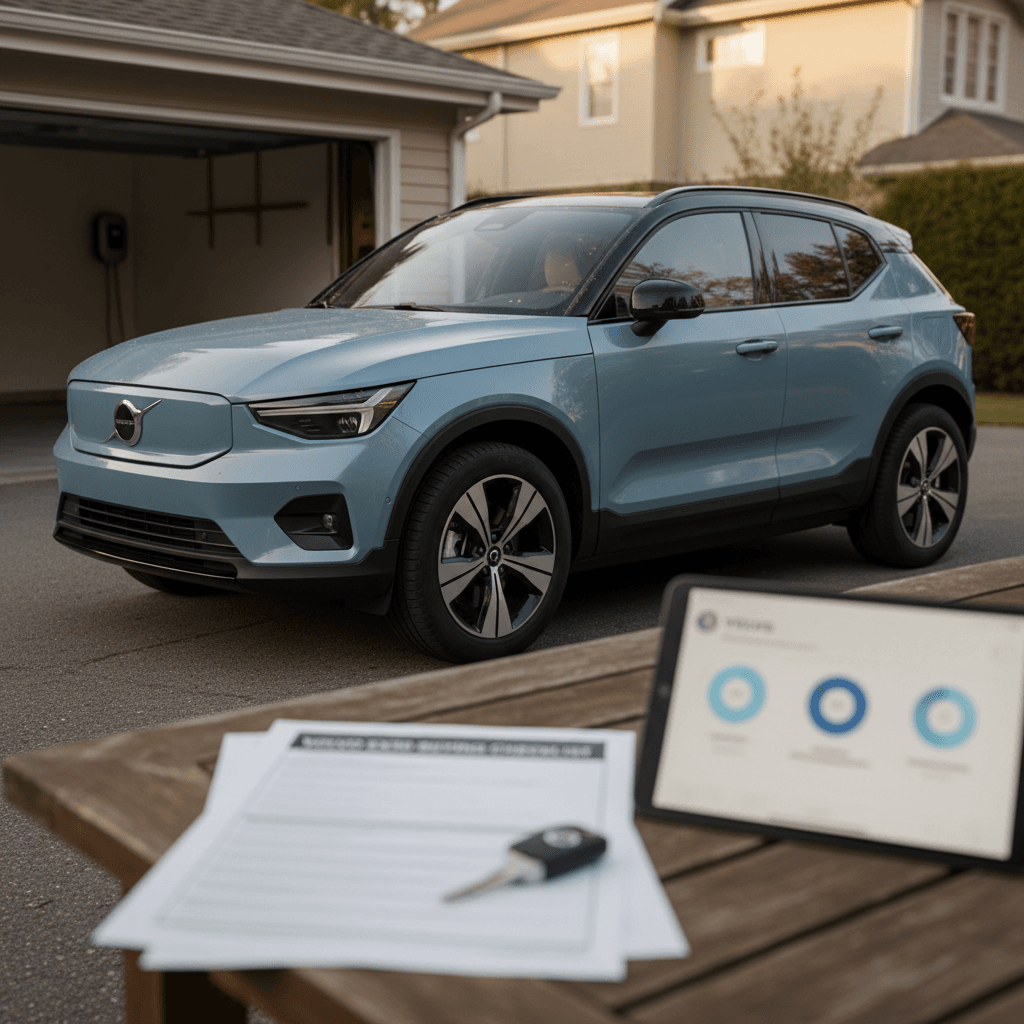
The Subaru Solterra is a bit of a contradiction, in a good way. It’s a quiet, all‑electric family crossover with the soul of an Outback and the charging hardware of a laptop from two years ago. That mix can be fantastic value, especially used, if you walk in with a clear Subaru Solterra buying checklist and know exactly what to look for.
Who this checklist is for
How to use this Subaru Solterra buying checklist
Instead of swimming through specs and forums, use this Subaru Solterra buying checklist as a step‑by‑step playbook. You’ll start with how you actually drive, then move through **model years and trims, range and charging, safety tech, ownership costs, and used‑EV inspection**. You can screenshot the numbered lists or print them and take them to a dealership or when browsing used listings on sites like Recharged.
Subaru Solterra at a glance (2025–2026 U.S. models)
Step 1: Clarify how you’ll use your Solterra
Before you worry about kilowatts and trim names, nail down how this car fits into your life. The same Solterra that’s perfect as a second car in the suburbs may feel compromised as your only vehicle in a rural area with sparse fast charging.
Mini‑checklist: Your real‑world use case
1. Daily miles and climate
Write down your typical weekday round‑trip mileage and the coldest and hottest temps you regularly see. Solterra’s range shrinks in winter, like all EVs, so 80–100 miles of daily use in a cold climate will favor the newer, higher‑range 2026 models.
2. Highway vs city driving
Solterra is most efficient in mixed or city driving. If you spend long stretches at 70–75 mph, expect effective range to be closer to real‑world numbers around ~200 miles on earlier model years.
3. Home charging situation
Can you install a 240V Level 2 charger, or are you stuck with 120V? Solterra’s modest DC fast‑charge speed matters more if you can’t reliably charge overnight at home.
4. Off‑road and snow duty
With 8.3 inches of ground clearance and Subaru‑style traction modes, Solterra makes sense if you see dirt or snow regularly. If you just want an efficient commuter, you might be paying for off‑road ability you don’t often use.
5. New vs used budget
Decide your realistic ceiling including taxes and charger installation. New 2025–2026 Solterras start in the high‑$30Ks before incentives; used 2023–2024 examples can be thousands less if you’re flexible on range and charging speed.
Pro tip: Think in weekly, not yearly miles
Step 2: Choose model year and trim
Solterra’s personality changes more between model years than between trims. The early 2023–2025 vehicles share the same 72.8‑kWh battery and dual‑motor AWD with about 227 miles of range. For 2026, Subaru turns up the wick: more power, more range, faster charging, and a native NACS port for Tesla Superchargers.
Subaru Solterra model‑year snapshot
Use this as a quick cheat sheet before you start calling dealers or browsing used listings.
| Model year | Typical trims | EPA range (est.) | DC fast charging | Charging connector | Notable highlights |
|---|---|---|---|---|---|
| 2023 | Premium, Limited, Touring | ~222–227 mi | Up to ~100 kW | CCS | Launch year, solid safety tech, some early‑build recall history, focus on cars with complete service records. |
| 2024–2025 | Premium, Limited, Touring | ~222–227 mi | Up to ~100 kW | CCS | Refinements and improved cold‑weather charging; IIHS TOP SAFETY PICK+ ratings. |
| 2026 | Premium, Limited, Limited XT, Touring XT | ~278–288 mi | Up to ~150 kW | NACS (with CCS adapters available) | Larger battery, more power, significantly more range and faster 10–80% fast‑charge times plus native access to Tesla Superchargers. |
Exact specs vary slightly by trim and wheel/tire choice, but this gives you the shape of the lineup.
Which Solterra trim fits you?
All trims get dual‑motor AWD; the differences are comfort, tech, and performance.
Premium
Best for: Value hunters and commuters.
- Lower price point with standard AWD and core safety tech.
- Cloth or simpler interior, smaller wheels for slightly better efficiency.
- Ideal if you don’t care about toys and want maximum value per mile.
Limited
Best for: Daily family duty.
- More comfort features, nicer interior finishes, extra driver‑assistance options.
- Often slightly lower EPA range due to larger wheels.
- Sweet spot for many used‑EV buyers.
Touring / XT
Best for: Drivers who want it all.
- Top‑end comfort and tech; on 2026 XT trims, substantially quicker acceleration.
- May sacrifice a little range for performance and equipment.
- Shop carefully: fun to drive, but only worth it if you’ll actually use the extras.
Watch early‑build 2023s
Step 3: Range and charging checks
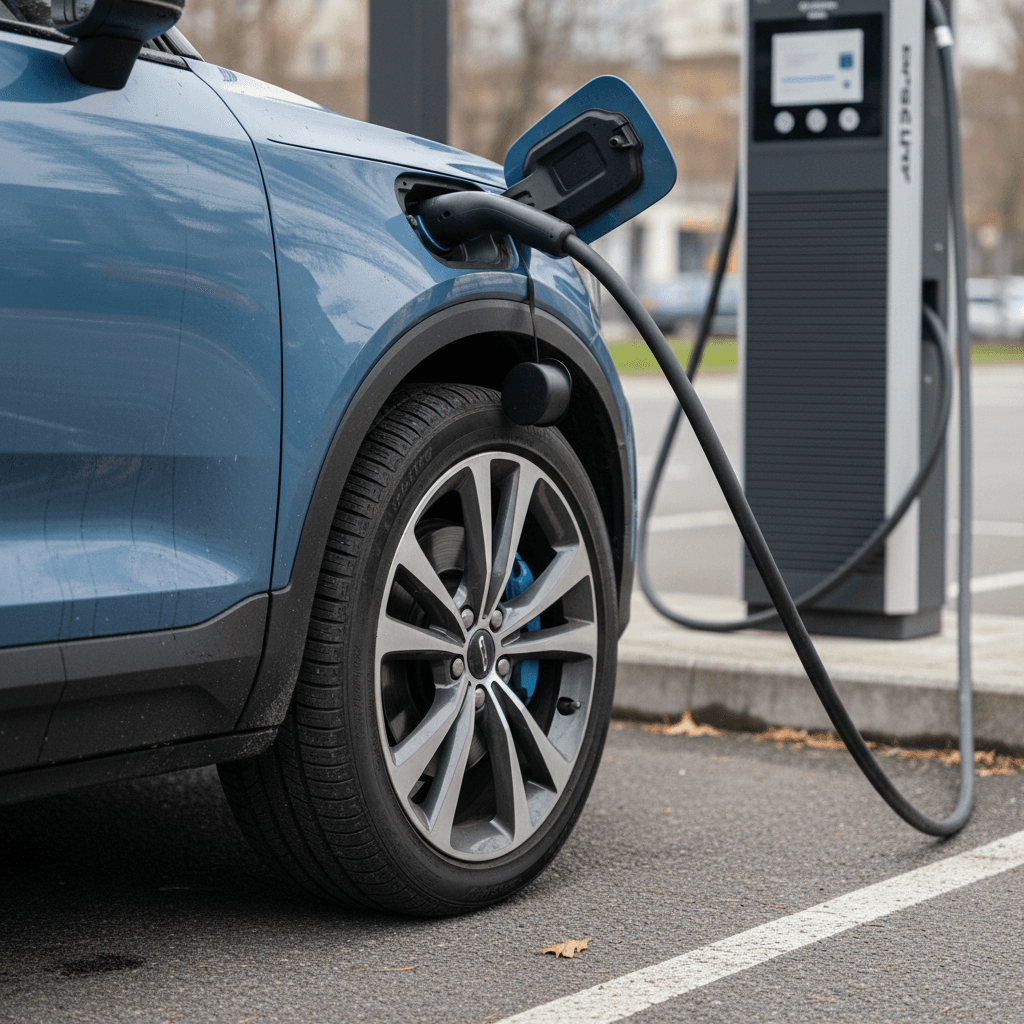
Range and charging are where the Subaru Solterra both shines and shows its age. If you understand what it can, and can’t, do, you avoid disappointment and buyer’s remorse.
Range & charging checklist for your Solterra
1. Match EPA range to your worst‑case day
Take the EPA range for your trim (around 222–227 miles on earlier years, higher on 2026 models) and mentally lop off 25–35% for cold weather, highway speeds, and battery aging. If that number still covers your worst‑case day, you’re in good shape.
2. Understand Solterra’s DC fast‑charging behavior
Early Solterras top out around 100 kW on paper and often charge slower in practice, especially if the pack is cold or crowded chargers are throttling power. The 2026 refresh improves peak rates and 10–80% times, but this is still not a road‑trip monster like some rivals.
3. Confirm your connector strategy
2023–2025 Solterras use CCS for DC fast charging and J1772‑style AC ports; 2026 adds a native NACS port. Make sure the chargers along your routes and near your home match what your car uses, or that you’re comfortable carrying adapters.
4. Plan home charging
A 6.6‑kW onboard charger means a typical 240V Level 2 setup will recharge from low to full in roughly 9–11 hours. Budget for a home charger and electrical work unless you already have a suitable outlet.
5. Look for battery‑warming and cold‑weather features
Later model years improve cold‑weather fast charging and battery conditioning. If you live in a northern climate, prioritize newer software and hardware, and ask the seller about any related updates.
Level 2 home charging is non‑negotiable for most owners
Step 4: Safety tech and traction features
Safety is one of the Solterra’s strongest cards. Recent model years have brought home IIHS TOP SAFETY PICK+ awards, and every trim includes Subaru’s suite of driver‑assistance systems along with dual‑motor AWD.
Key safety and traction features to confirm
Most examples have these, but verify trim by trim and year by year.
Crash safety & driver assists
- IIHS rating: Look for TOP SAFETY PICK+ years when possible.
- Automatic emergency braking: With pedestrian detection.
- Blind‑spot monitoring and rear cross‑traffic alert as standard or options.
- Adaptive cruise + lane centering for long freeway slogs.
AWD and off‑road tech
- Symmetrical AWD: Standard across the line.
- X‑Mode terrain settings for snow, mud, and dirt.
- Grip Control (a kind of low‑speed off‑road cruise control).
- 8.3 inches of ground clearance, worth confirming hasn’t been compromised by aftermarket wheels or lowering springs.
Good news for family buyers
Step 5: Ownership costs, incentives and warranty
With any EV, the sticker price is only half the story. Fuel savings, tax credits, local incentives, and warranty coverage can tilt the scales in favor of a Solterra, or steer you toward a different EV entirely.
Checklist: Costs & incentives
- Fuel savings: Compare your current fuel spend to local electricity rates. Even with modest efficiency, Solterra’s per‑mile energy cost is typically well under half that of a comparable gas SUV.
- Federal and state incentives: As of 2026, many EV incentives depend on where the battery is built and how you buy (purchase vs lease). Check current rules for the Solterra’s model year and whether a used Solterra might qualify for a separate pre‑owned EV credit.
- Home charging install: Get at least one electrician quote for a 240V circuit or wallbox. Add this to your total cost of “getting into” a Solterra.
- Insurance: Some carriers price EVs differently, get quotes for VINs or specific trims you’re considering.
Checklist: Warranty & coverage
- Bumper‑to‑bumper: Around 3 years/36,000 miles from in‑service date.
- Powertrain: Around 5 years/60,000 miles.
- Battery warranty: Typically 8 years/100,000 miles against significant capacity loss or failure.
- Roadside assistance & maintenance: Some model years include roadside coverage and short‑term free maintenance, ask for documentation on a used car.
- Certified pre‑owned or third‑party coverage: On a used Solterra, an extended warranty can offset anxiety about first‑generation EV components.
Where Recharged fits in
Step 6: Inspecting a used Subaru Solterra
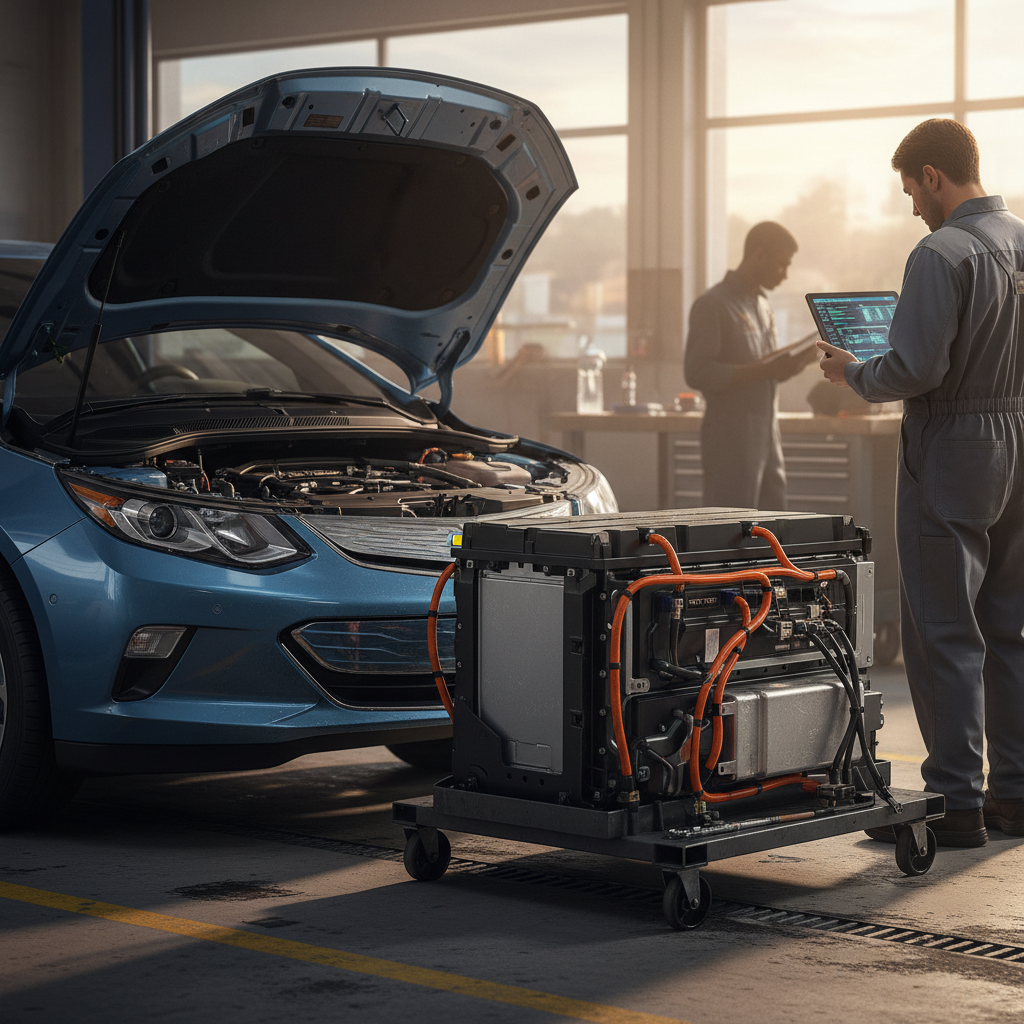
A used Solterra can be a bargain electric trail buddy, but only if you interrogate its history the way Subaru interrogates crash structures. Because this is Subaru’s first modern EV, you want proof that any early quirks have been addressed and that the battery has led a relatively gentle life.
Used Solterra checklist: Paperwork & history
1. Run a full history report
Look for accident damage, title issues, and prior commercial or rental use. Fleet cars may have more DC fast‑charging miles and cosmetic wear.
2. Verify recall and service campaigns
Ask the seller for documentation that all open recalls and service campaigns, for things like wheel hardware, software updates, and charging behavior, are completed. Your Subaru dealer can confirm via VIN.
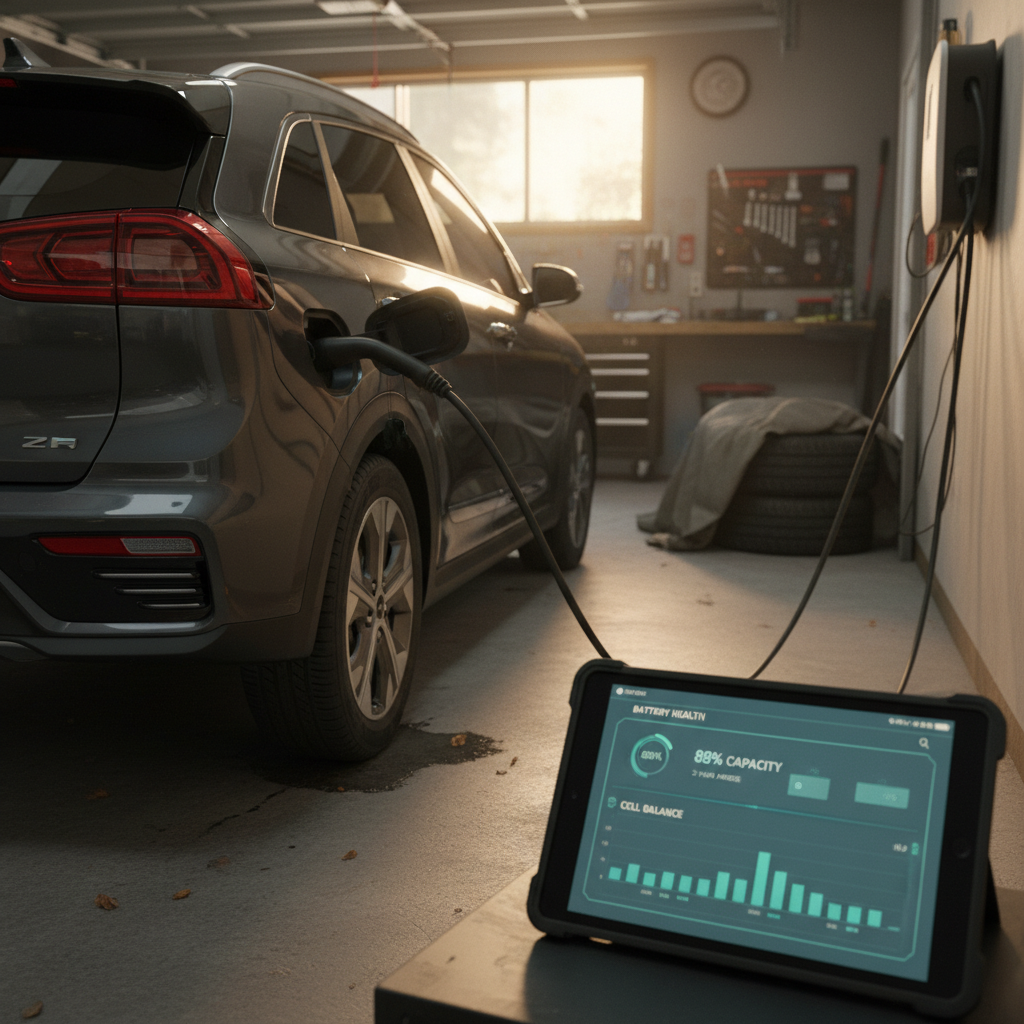
3. Ask for battery health documentation
Ideally you’ll see a <strong>third‑party battery health report</strong> or an official test from Subaru. On Recharged, this is built into the Recharged Score so you can compare Solterra battery health to other used EVs on the site.
4. Check DC fast‑charge usage
Heavy, repeated DC fast‑charging can accelerate battery wear. Some diagnostic reports or service notes may hint at prior use. A car that mostly charged at home on Level 2 will typically have gentler battery aging.
5. Inspect tires and suspension
Solterra is a heavy EV with SUV ride height; worn tires or suspension bits can get pricey. Uneven wear may point to alignment issues from curbing or prior accident damage.
6. Confirm charger and accessories
Make sure the factory portable charger, charge‑port caps, and any accessories (roof crossbars, floor mats) you care about are included. Replacing them later adds up.
Walk‑away red flags on a used Solterra
Step 7: Test‑drive and red‑flag checklist
On the road, the Solterra should feel like what it is: a quiet, competent, all‑weather crossover with instant torque and Subaru’s usual calm steering. Your test drive is your chance to confirm that, and to sniff out any issues the glossy listing photos don’t show.
On‑the‑ground Solterra test‑drive checklist
1. Start‑up and basic checks
With the car off, scan for warning lights, error messages, or aftermarket wiring under the dash. With the car on, confirm the instrument cluster, main touchscreen, camera views, and HVAC controls all work as expected.
2. Low‑speed manners
At parking‑lot speeds, listen for clunks, rattles, or grinding that could hint at suspension or brake issues. The ride should feel composed over bumps, not brittle or crashy.
3. Braking and regen feel
Try the different regenerative‑braking settings. Transitions from regen to friction brakes should be smooth, not grabby. A pulsing pedal or loud squeal under moderate braking deserves a closer look.
4. Highway and lane‑keeping
On a short freeway stint, check that the car tracks straight, doesn’t pull under power or braking, and that adaptive cruise/lane‑centering systems behave predictably. Wind noise should be present but not fatiguing.
5. Charging test if possible
If the seller agrees, plug into a Level 2 or nearby fast charger. Confirm the car connects quickly, reports sane charge times, and doesn’t throw errors. A car that struggles to start or maintain a charge session is a headache you don’t want.
6. Cabin ergonomics and tech
Spend a few minutes in all four seats. Rear‑seat adults should fit comfortably enough, and the cargo area should easily swallow your real‑world gear. Pair your phone, run CarPlay/Android Auto, and test audio quality.
Don’t hyper‑focus on 0–60 numbers
FAQ: Subaru Solterra buying questions
Frequently asked questions about buying a Subaru Solterra
Final thoughts: Is a Solterra right for you?
The Subaru Solterra is not the specs‑sheet champion of the EV world, and that’s precisely why it can be a smart buy. For the right driver, it’s an honest, capable electric SUV that trades TikTok‑worthy acceleration runs for all‑weather traction, safety, and a cabin that just works.
Work through this Subaru Solterra buying checklist, your use case, model year and trim, range and charging, safety, ownership costs, and a proper used‑EV inspection. If the car still fits on paper and makes you smile on the test drive, you’ve found your match. If not, there’s a growing universe of used EVs to explore. On Recharged, you can compare Solterra to other electric SUVs, see battery‑health‑backed pricing, get help with trade‑in and financing, and have your next EV delivered to your driveway with no drama.