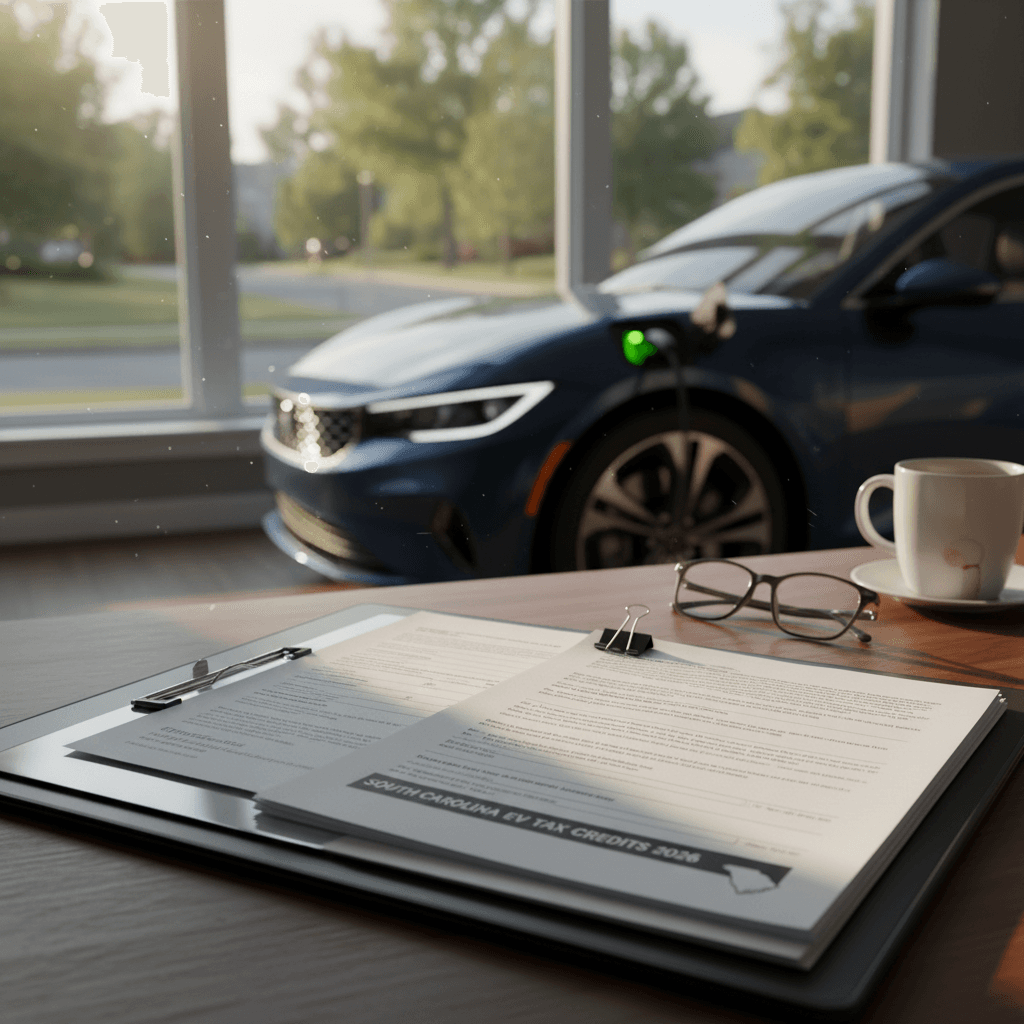
If you’re shopping for an electric vehicle in 2026, you’ve probably heard mixed messages about the South Carolina EV tax credit and the federal EV credit. The rules have changed several times, some programs have expired, and a few older South Carolina provisions still sit on the books but help far fewer people than they used to. This guide untangles what’s actually available now, what ended in 2025, and how you can still save money, especially if you’re considering a used EV.
Key context for 2026
South Carolina EV tax credit in 2026: quick overview
EV incentives snapshot for South Carolina in 2026
For most South Carolina drivers, 2026 looks very different from the early EV boom years: - There is no broad South Carolina state EV purchase credit that knocks thousands off a new EV. - The major federal clean vehicle credits ended for vehicles bought after September 30, 2025, though you can still claim them on your 2025 return if you bought before the deadline. - A narrow South Carolina income tax credit tied to old federal rules (Internal Revenue Code Section 30B) is still on the books but only helps in rare situations. - Smaller programs, like federal credits for home chargers and occasional utility rebates, still matter if you stack them with smart shopping on the vehicle itself.
What happened to the federal EV tax credit?
From 2023 through most of 2025, federal law offered two main credits for everyday drivers: a Clean Vehicle Credit worth up to $7,500 for a qualifying new EV, and a Used Clean Vehicle Credit worth up to $4,000 for qualifying used EVs. Income limits, price caps, and battery-sourcing rules all applied, but if you and the car checked the boxes, this was serious money.
- Beginning in 2024, many buyers could transfer the credit to a participating dealer at the point of sale, turning it into an instant discount instead of waiting for tax season.
- In 2025, those credits were still available, but Congress set a cutoff date: vehicles acquired after September 30, 2025 no longer qualify.
- If you bought a qualifying new or used EV on or before that date, you can still claim the credit on your 2025 federal tax return, filed in 2026, if you didn’t already take it at the dealership.
No new federal EV credits for 2026 purchases
What has survived into 2026 on the federal side is more limited: most notably, the EV charging equipment credit and various clean-energy home-improvement credits. Those won’t change the price of the car itself, but they can soften the overall cost of going electric.
Does South Carolina have its own EV tax credit in 2026?
Many shoppers search for a South Carolina EV tax credit 2026 expecting a state program similar to what you see in Colorado, New Jersey, or Pennsylvania. In 2026, that’s not how South Carolina is set up.
South Carolina’s EV incentive landscape today
What the state does, and doesn’t, offer as of the 2025–2026 tax years
No broad EV purchase credit
South Carolina does not offer a general state income tax credit or rebate just for buying a new or used electric vehicle, regardless of price or battery size. That means there’s no simple “$2,000 off any new EV" type of program at the state level in 2026.
Narrow, older-style credit link
State law does allow a credit tied to certain older federal clean vehicle credits under Internal Revenue Code §30B. This isn’t a modern, EV-specific state program, it’s essentially a piggyback on legacy federal incentives that now apply only to a shrinking list of vehicles.
If you read an incentive summary that claims South Carolina has a straightforward dollar amount, "$2,000 state EV tax credit," for example, look closely at the publication date and footnotes. Many of those charts either reference older law, lump South Carolina in with other states, or misunderstand how the state’s tie-in to federal Section 30B actually works.
The little-known South Carolina credit tied to old federal rules
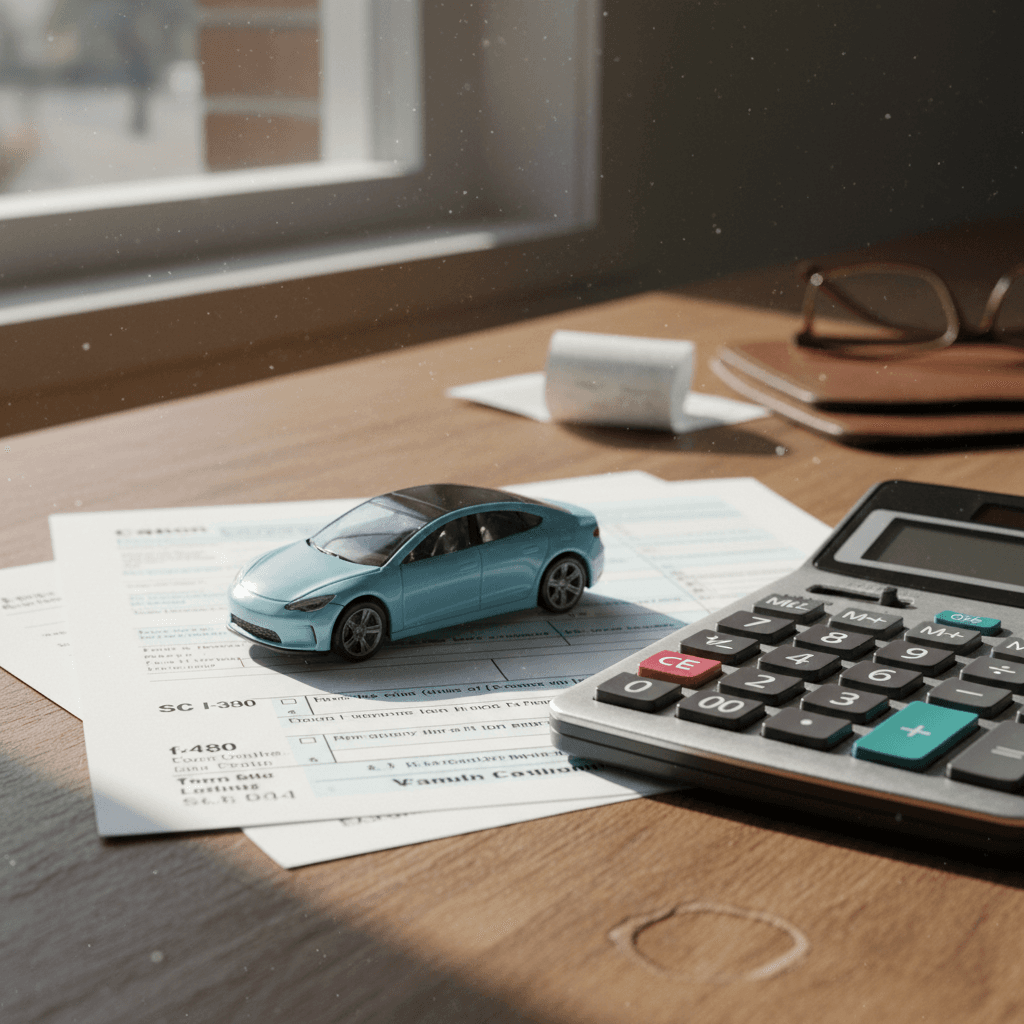
Buried in the South Carolina Income Tax Act is a provision that matters for a narrow slice of buyers. In essence, if you’re a South Carolina resident and you qualify for certain older federal motor vehicle credits under Internal Revenue Code §30B, covering qualified fuel cell, advanced lean-burn, hybrid, or alternative-fuel vehicles, South Carolina allows a state income tax credit equal to 20% of the federal credit you claim.
How the legacy South Carolina Section 30B credit works
This is not a modern EV-only program; it piggybacks on specific, older federal vehicle credits that now rarely apply.
| Requirement | What it means for you in 2026 |
|---|---|
| You must be a South Carolina resident taxpayer | The state credit is claimed on a South Carolina income tax return; nonresidents generally can’t use it. |
| You must be eligible for a qualifying federal IRC §30B motor vehicle credit | Only certain vehicle types and model years qualify; most mainstream EVs today fall under newer “clean vehicle” rules that expired for post–Sept. 30, 2025 purchases. |
| You must actually claim the federal credit | The state credit is a percentage of the federal amount you claim, not a standalone incentive. |
| SC credit amount = 20% of federal credit | If you somehow qualified for a $3,000 federal Section 30B credit, your South Carolina credit could be up to $600, subject to state limitations. |
| Applies mainly to niche or commercial cases | In 2026 this provision is most likely to matter for specialized vehicles, not ordinary new or used EVs on dealer lots. |
If you’re unsure whether your vehicle triggers a Section 30B credit, talk with a tax professional before counting on any South Carolina benefit.
Treat the Section 30B tie-in as a bonus, not a plan
Other EV incentives South Carolina drivers can still use
The disappearance of the federal purchase credits and the lack of a broad South Carolina EV tax credit in 2026 does not mean you’re on your own. Instead, the focus shifts to charging equipment incentives, utility programs, and smart vehicle selection.
1. Federal EV charger credit (still alive)
The federal tax credit for home charging equipment continues into 2026, although the details depend on where you live and whether the installation is at a primary residence or in certain eligible communities.
- Typically worth up to 30% of the cost of qualifying EV supply equipment (EVSE) and installation, subject to dollar caps.
- Claimed on your federal return for the year the charger is placed in service.
- Can be paired with utility rebates or dealer discounts on hardware.
Always confirm the current IRS limits and forms before you schedule installation.
2. Utility and local rebates
South Carolina utilities have periodically offered rebates or special rates for EV drivers, for example, bill credits for installing a qualifying Level 2 charger, or lower overnight electricity rates.
- Programs change frequently and may have limited budgets.
- Check with your local electric cooperative, municipal utility, or investor-owned utility’s EV page.
- Some programs require you to enroll before or soon after installing a charger.
These discounts can shave hundreds of dollars off your setup costs over the first few years.
Where used EVs fit in
How used EV buyers in South Carolina can still save in 2026
For many South Carolina shoppers, the smartest 2026 play is a high‑quality used EV. Even without a state EV tax credit, you can reduce your total cost of ownership in several ways.
Four levers that matter more than credits for used EVs
Especially relevant now that big federal EV purchase credits have expired for new 2026 purchases
Lower upfront price
EVs tend to depreciate faster than comparable gas cars. That hurts first owners but helps you: a 2–4‑year‑old EV can often be purchased for a fraction of its original MSRP.
Verified battery health
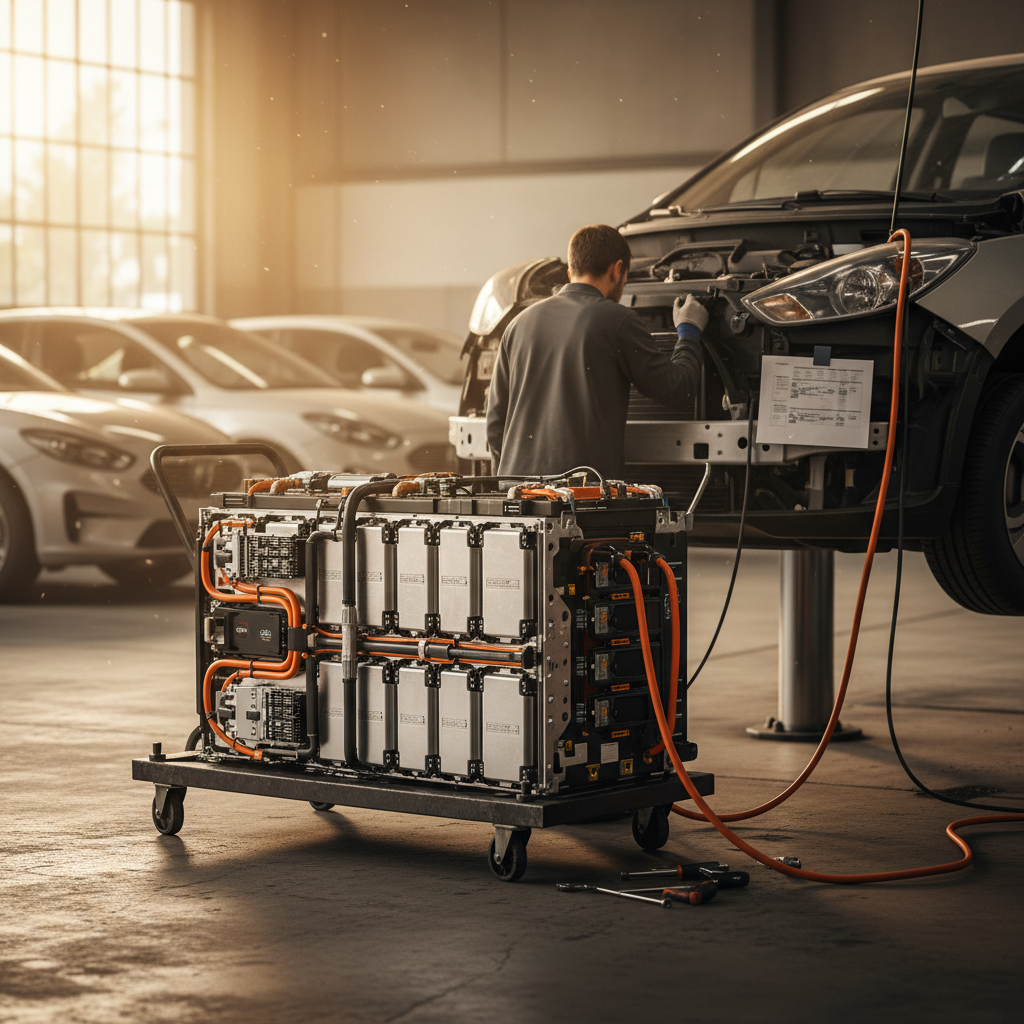
Battery condition is the heart of a used EV deal. A vehicle with a healthy pack and documented history is worth far more than a similar car with unknown or borderline capacity.
Reduced maintenance
Used EVs still offer fewer moving parts, no oil changes, and less brake wear than used gas cars. That means a lower ongoing cost profile, even if you never see a tax credit.
Financing & trade-in
Strong financing, a fair trade‑in offer, or a consignment sale on your current car can lower your effective cost more than most 2026 incentives.
This is where a marketplace that specializes in used EVs can tilt the math in your favor. At Recharged, every car comes with a Recharged Score Report that includes verified battery health, fair-market pricing, and expert guidance so you can see exactly what you’re getting, no guessing about how much range the car will really have three winters from now.
Step-by-step: how to check what EV incentives you qualify for
Your 2026 EV incentive and savings checklist
1. Confirm your purchase date
Look at when you signed a binding purchase contract and when you took delivery. If it was on or before September 30, 2025 and the vehicle met all federal requirements, you may still claim a 2025 federal EV credit, even though you’re filing the return in 2026.
2. Ask your tax pro about legacy credits
If you’re buying a specialized vehicle, fuel cell, commercial, or otherwise unusual, ask a tax professional whether any older federal Section 30B credits apply and whether that would trigger a small South Carolina piggyback credit.
3. Check for a charger credit
If you plan to install home charging, review the current federal EV charger credit rules and caps. Save all invoices and documentation so you can support the credit on your federal return.
4. Call your utility before you buy hardware
Ask your electric utility about EV‑specific rebates, time‑of‑use rates, or managed charging programs. Some require pre‑approval or specific hardware models to qualify.
5. Run the numbers on used vs. new
Compare the out‑the‑door price of a new EV (with no federal credit) to a late‑model used EV with similar range. Include insurance costs, sales tax, estimated fuel/charging costs, and financing terms.
6. Use tools that show battery health
For used EVs, insist on objective battery‑health data. Recharged’s <strong>Score Report</strong> is one example; whatever source you use, you want hard numbers, not guesses.
Common pitfalls South Carolina EV buyers should avoid
Don’t rely on outdated EV tax credit info
- Assuming you qualify because a friend did: Their purchase may have been in 2023 or 2024 under very different rules, or in a different state with its own incentives.
- Ignoring income limits and price caps: Even when the federal credits existed, many buyers were phased out by income or tripped over MSRP caps. That’s still relevant if you’re claiming a 2025 credit on your 2026 return.
- Overlooking charger and utility incentives: Shaving $300–$1,000 off your home charging setup can matter just as much now as a headline-grabbing purchase credit would have.
- Buying a used EV without battery data: A low price on a car with a weak battery is no bargain. Range loss affects everything, from daily usability to resale value.
FAQ: South Carolina EV tax credit 2026
Frequently asked questions about South Carolina EV tax credits in 2026
Bottom line for South Carolina EV shoppers
In 2026, the phrase “South Carolina EV tax credit” can be misleading. The big federal incentives that once defined the EV conversation are gone for new purchases made after September 30, 2025, and South Carolina has not stepped in with a broad state credit to replace them. Instead, the real‑world savings now come from stacking smaller benefits, like home‑charger incentives and utility programs, with disciplined shopping on the vehicle itself.
If you’re open to a used EV, this environment actually plays to your advantage. With the right car, verified battery health, and transparent pricing, you can capture the benefit of prior years’ incentives and depreciation without gambling on a tax rule changing again. Recharged was built for exactly this moment: to make used EV ownership simple, transparent, and financially sensible for buyers in South Carolina and beyond. Before you assume you’ve “missed” your chance at a good EV deal, take a fresh look at the math, and let the incentives be the icing, not the whole cake.