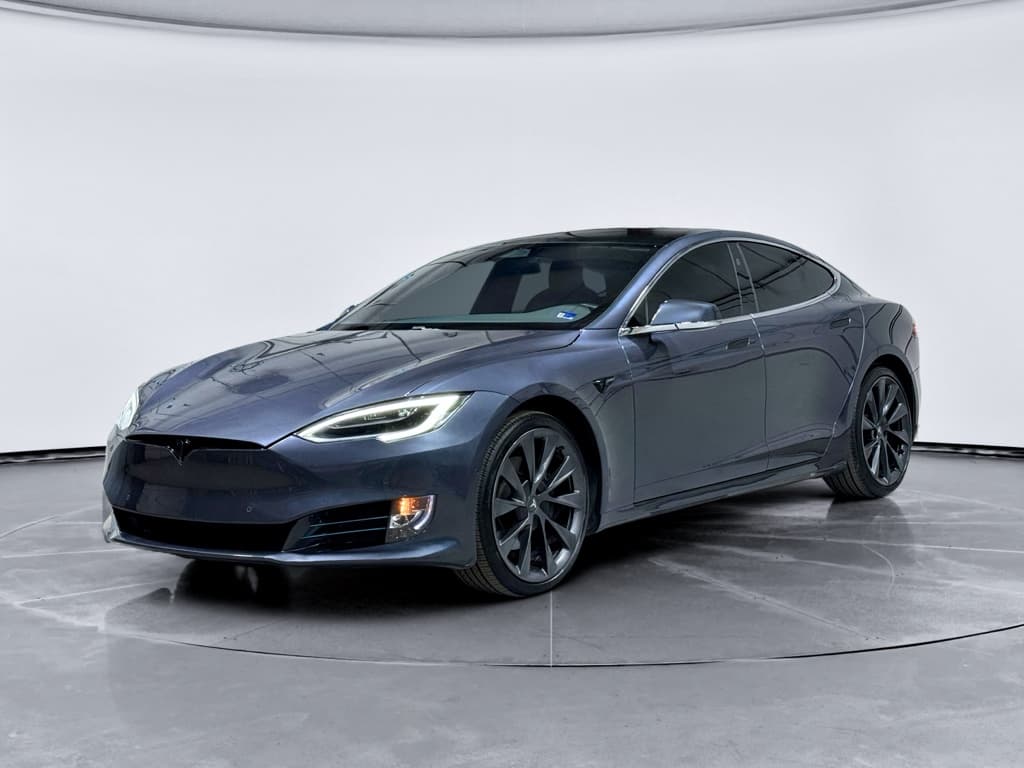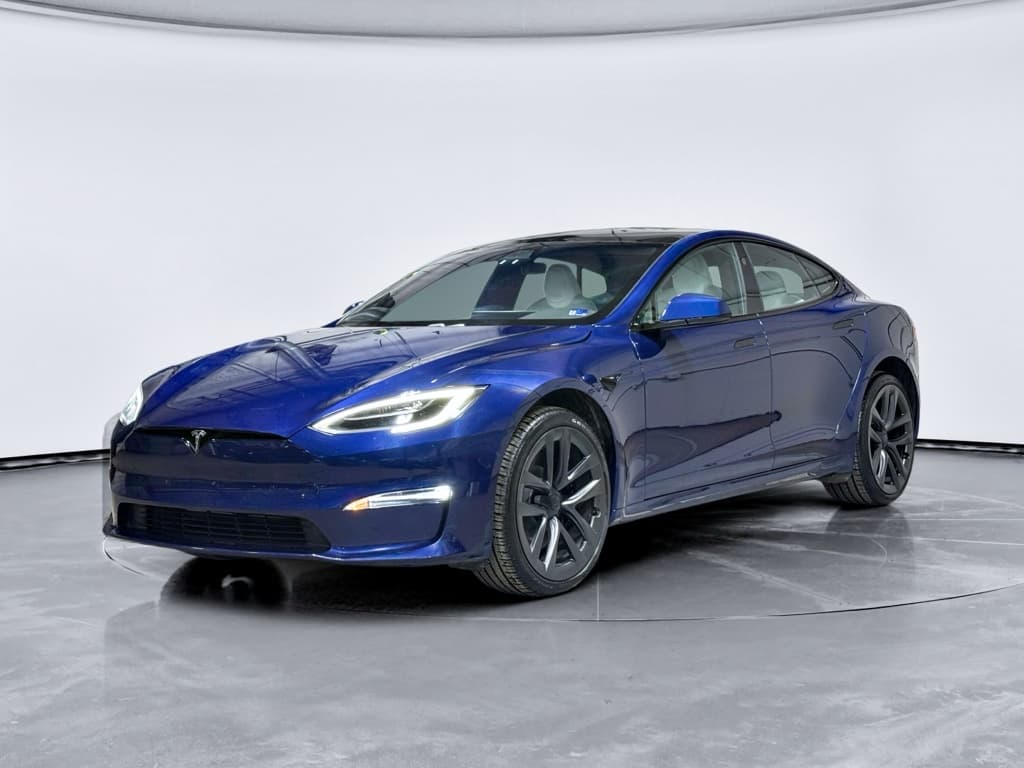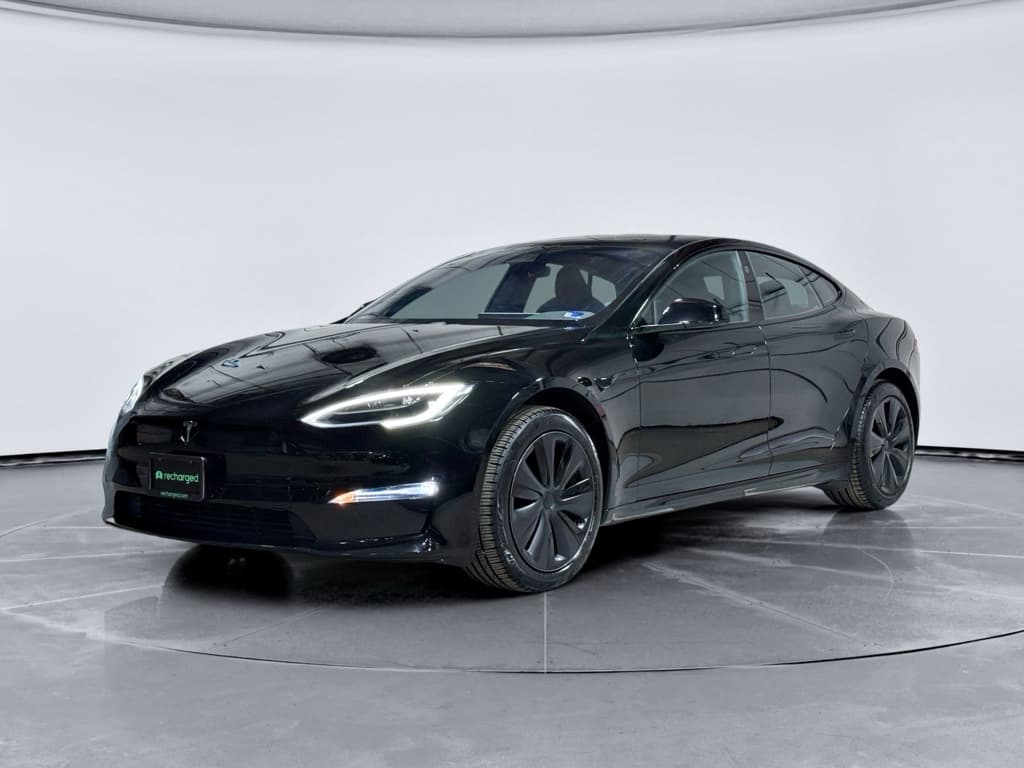
If you’re shopping for a luxury EV sedan, a used 2020 Tesla Model S will show up on every search. By 2026 these cars sit in a pricing sweet spot: far cheaper than new, but still offering long range, brutal acceleration, and access to Tesla’s Supercharger network. This review walks through what the 2020 Model S is really like as a used car today, its strengths, weaknesses, and what you absolutely need to check before you buy.
2020 Model S: Where It Fits
Overview: Is a Used 2020 Tesla Model S Still a Smart Buy?
What It Does Exceptionally Well
- Long real-world range: around 300+ miles when new for Long Range Plus, still strong even with some degradation.
- Supercharger access: simple long-distance travel across most of North America.
- Huge cargo space: hatchback layout with frunk and folding rear seats.
- Software experience: over-the-air updates, big touchscreen, strong app integration.
Where It Shows Its Age
- Older interior design than 2021+ refresh (no yoke, smaller screen, older seats).
- Ride and noise refinement trail newer luxury EVs and German sedans.
- Known issues around suspension wear, door handles, and aging infotainment hardware.
- Rapid depreciation means big value swings, great for buyers, painful for sellers.
Overall Verdict at a Glance
Key Specs for the 2020 Tesla Model S (Used)
2020 Tesla Model S Key Numbers (When New)
2020 Tesla Model S Trims Overview
The 2020 lineup is simpler than earlier years. Most cars you’ll see used will be Long Range Plus or Performance.
| Trim | Drivetrain | EPA Range (new) | 0‑60 mph (approx.) | Notable Traits |
|---|---|---|---|---|
| Long Range Plus | Dual‑motor AWD | ~390–402 mi | ~3.7 s | Best combo of range & performance; most common trim |
| Performance | Dual‑motor AWD | ~348–387 mi | ~2.3–2.4 s (Ludicrous) | Supercar 0–60, slightly less range |
| Older "Standard" listings | Usually software‑limited packs | Lower | Slower | Less common; verify actual displayed range carefully |
Exact specifications vary by wheel size, software options, and build date; always confirm on the individual car.
Decode the Actual Car, Not Just the Listing
Driving Experience: Performance, Comfort, and Noise
The 2020 Model S is from Tesla’s "Raven" generation, which brought improved efficiency and a revised adaptive air suspension. In practice, that means a car that can feel docile and quiet in daily traffic, then brutally quick when you press the accelerator. Even the Long Range Plus is quick enough to embarrass most gasoline performance sedans; the Performance trim is in genuine supercar territory from a stop.
- Acceleration: Instant, nearly silent torque. Long Range Plus already feels very fast; Performance with Ludicrous is more than most roads (and drivers) can really use.
- Ride: The adaptive air suspension can be soft in Comfort and firmer in Standard/Sport. It’s better than early Model S years but still not as polished as some German luxury sedans over broken pavement.
- Handling: Low center of gravity from the battery pack masks much of the ~4,800+ lb curb weight. Turn-in is crisp, but this is a big car, think grand tourer, not track toy.
- Noise: Quieter than many ICE rivals around town, but wind and road noise are more noticeable at highway speeds than in newer S, EQE, or i5 competitors. Tire choice makes a big difference.
Watch for Suspension Wear
Range and Battery Health in 2026
Range is the headline reason to consider a 2020 Model S over many newer, cheaper EVs. A healthy Long Range Plus still gives you enough real-world highway range to knock out long days without charging anxiety. But by 2026, degradation and prior fast‑charging habits matter more than glossy EPA numbers.
What Range Can You Expect From a 2020 Model S?
Rough, real-world expectations assuming typical use, not a guarantee for any individual car.
City / Mixed Driving
For a well-kept Long Range Plus, seeing 280–320 miles indicated at 100% is still common. Warmer climates and gentle driving help.
75 mph Highway Trips
At U.S. interstate speeds, plan for 220–260 miles between comfortable stops, depending on temperature, wheels, and elevation.
Cold Weather
In sustained cold (below freezing), expect 20–30% less effective range unless you precondition and use seat heaters instead of blasting cabin heat.
Typical Degradation by Year 6
How to Check Battery Health on a Used 2020 Model S
1. Look at the full-charge estimate
Ask the seller to show the car at or near 100% and note the rated miles. Compare to the original EPA figure for that trim to get a rough idea of degradation.
2. Verify software is current
Older firmware can mis-report range. Make sure the vehicle is on reasonably recent software and hasn’t been sitting offline for months.
3. Review fast-charging history
Heavy Supercharger use isn’t automatically a deal-breaker, but a car that lived on DC fast charging may show more degradation than one mostly charged at home.
4. Get an independent battery report
Tools like the <strong>Recharged Score</strong> pull battery health data directly from the car, giving you an objective look at estimated capacity versus peers.
5. Test in real driving
If possible, do a longer test drive and compare consumption (Wh/mi) and projected range to what online calculators suggest for your conditions.
Why a Recharged Score Matters
Charging and Road-Trip Ability
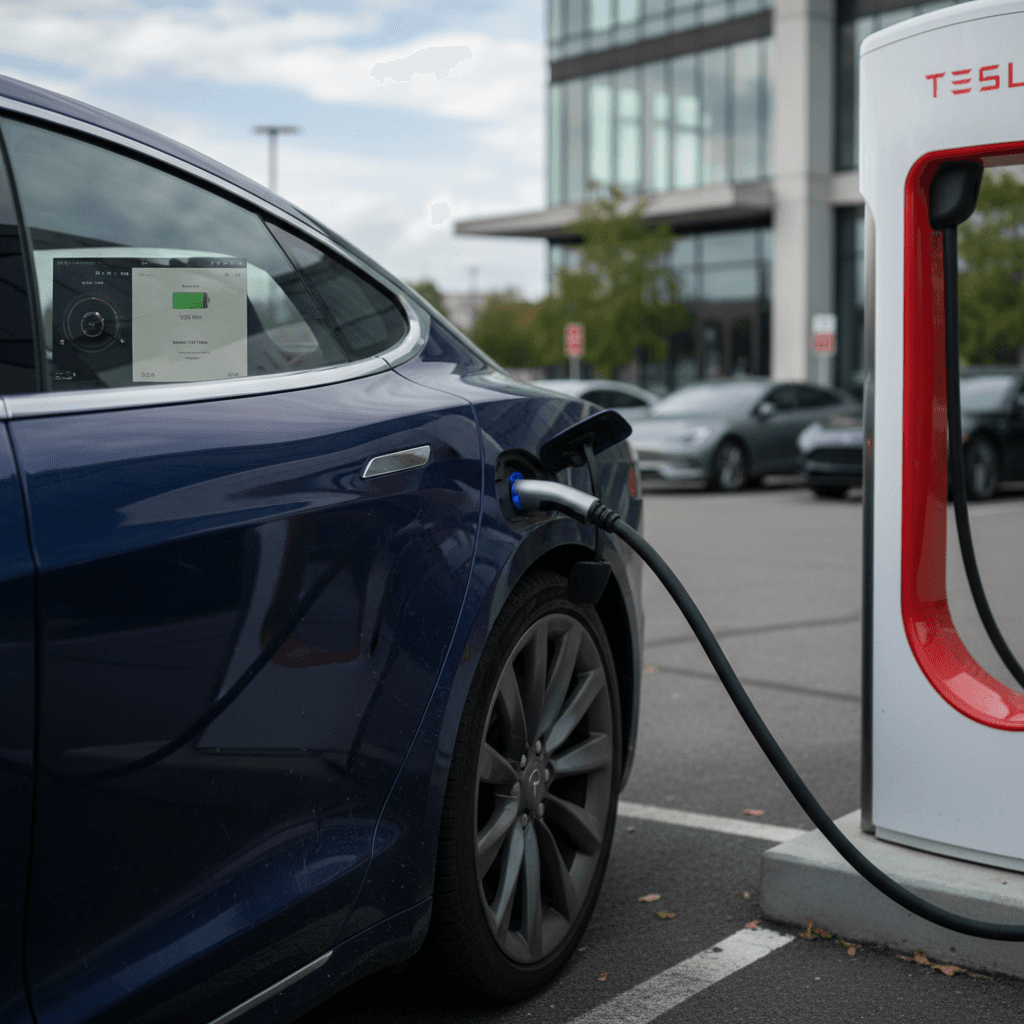
The 2020 Model S remains one of the best long-distance EVs you can buy used, largely thanks to its big battery and access to Tesla’s Supercharger network. These cars can use the latest V3 Superchargers up to 250 kW, though you’ll only see peak speeds on a warm pack at low state-of-charge.
- Home charging: On a 240V, 48A circuit, you’ll add roughly 30–35 miles of range per hour, enough to refill the battery overnight after even a heavy commute.
- Supercharging: Think 10–80% in ~30–35 minutes under ideal conditions. Real-world times stretch if the pack is cold, the station is busy, or you’re sharing a paired V2 stall.
- Network coverage: In the U.S., Superchargers still offer some of the best coverage along major corridors. Third-party CCS networks have grown a lot, but you’ll need an adapter to use them with the 2020 S.
- Adapter reality: Depending on your region and Tesla’s evolving connector strategy, a used 2020 S may need a CCS adapter for some non-Tesla fast chargers. Factor that into your budget if you travel off the Supercharger grid.
Check Included Charging Hardware
Reliability and Common Issues on 2020 Model S
Compared with early Model S years, a 2020 car benefits from a lot of incremental improvement. But it’s still a complex luxury EV, and some issues are common enough that you should proactively look for them when buying used.
Common Problem Areas on a 2020 Model S
Not every car will have these, but they’re the patterns we see most often on inspections and owner reports.
Suspension & Steering
- Front control arm and link bushings that clunk over bumps.
- Occasional air suspension compressor or height sensor faults.
- Alignment issues leading to uneven tire wear.
Exterior & Trim
- Door handles that stick or fail to present.
- Wind noise from misaligned trim or aging seals.
- Yellowing or hazing on older headlights in some climates.
Infotainment & Electronics
- 2020 cars typically have the newer MCU2, avoiding the worst eMMC failures from earlier years.
- Still worth checking for screen yellowing, lag, or reboots.
- Sensors and cameras can fail or fall out of calibration.
Battery & Drive Unit
- Catastrophic pack failures are rare but expensive.
- Occasional drive unit noise or seepage on higher-mile cars.
- Software-limited power if the car detects too much pack stress.
Why a Pre-Purchase Inspection Is Non‑Optional
Depreciation and What a 2020 Model S Costs Now
Tesla has cut new-car prices aggressively since 2022, which dragged used values down across the lineup. The upside: in 2026 a 2020 Model S is no longer a $70,000–$90,000 car, it’s often priced closer to a new Model 3 or mainstream gas sedan.
2020 Model S Value Snapshot (Typical U.S. Market)
Those numbers are directional, not a promise. A low-mile, one-owner Performance with Full Self-Driving and a pristine battery will sit at the top of that range, or higher. A high-mile car with noticeable degradation or accident history should be well below it. This is where data-driven tools like Recharged’s pricing engine and Recharged Score are designed to protect you from overpaying.
How to Use Depreciation to Your Advantage
How a Used 2020 Model S Compares to Alternatives
The 2020 Model S doesn’t live in a vacuum. If you’re cross-shopping, you’re probably also looking at newer Model 3 or Y, or other used luxury EVs like the Audi e‑tron, Mercedes EQE, or BMW i5. Each comes with different trade-offs.
Used 2020 Model S vs Common Alternatives
High-level comparison of what you get at similar price points around 2026.
| Model | Typical 2026 Price | EPA Range (when new) | Pros | Cons |
|---|---|---|---|---|
| 2020 Tesla Model S LR+ | ~$28k–$35k | ~390–402 mi | Longest range, hatchback practicality, Superchargers | Older interior, potential suspension wear |
| 2022–2023 Tesla Model 3 LR | ~$27k–$33k | ~330–358 mi | Newer cabin, more efficient, easier to park | Less cargo room, smaller rear seat |
| 2020 Audi e‑tron | ~$23k–$30k | ~200–222 mi | Luxury interior, quiet ride, strong dealer network | Much shorter range, slower charging in some cases |
| 2022 Kia EV6 Wind | ~$30k–$36k | ~274–310 mi | Modern tech, good DC charging, warranty | Less premium feel, smaller hatch than S |
Exact prices and ranges vary by market, options, and condition; verify current listings before making a decision.
Who the 2020 Model S Beats, and Who Beats It
What to Check Before You Buy a 2020 Model S
Pre-Purchase Checklist for a 2020 Tesla Model S
1. Battery health & range
Get objective data if you can. Look at the 100% rated range, review charging history, and consider a <strong>Recharged Score battery report</strong> to understand how this pack compares to similar cars.
2. Suspension, tires, and alignment
Test drive over low-speed bumps and at highway speed. Listen for clunks, feel for vibration, and inspect tires for uneven wear that hints at alignment or suspension issues.
3. Infotainment & cameras
Confirm the center display and instrument cluster are snappy, bright, and free of lines or yellowing. Test every camera view, parking sensors (if equipped), and basic app functions like remote unlock and climate.
4. Autopilot / FSD configuration
Check which driver-assistance package the car actually has (Basic Autopilot, Enhanced Autopilot, or FSD) and whether it’s included in the sale. Don’t pay FSD money for a car that only has basic lane-keeping.
5. Charging hardware & history
Confirm what’s included: Mobile Connector, adapters, any wall connector. Review service records for prior DC fast-charging-heavy usage if available.
6. Accident and repair history
Pull a vehicle history report and look for structural repairs or repeated bodywork at the same corners, which may affect resale and warranty coverage.
7. Warranty status
Many 2020 cars will still have some <strong>8-year battery and drive unit warranty</strong> left, but basic bumper-to-bumper is usually gone. Verify in the Tesla app or with Tesla service using the VIN.
Be Careful With Salvage or Modified Cars
How Recharged Helps You Buy a Used Model S Smarter
The hard part with a used 2020 Model S isn’t deciding if the model is good, it’s figuring out whether this specific car is the right one at the right price. That’s where a data-driven marketplace like Recharged is designed to tilt the odds back in your favor.
What You Get With a Model S from Recharged
Every car comes with the same set of tools and support so you’re not gambling.
Recharged Score Report
Objective battery health diagnostics pulled from the vehicle, plus a transparent Recharged Score that compares this 2020 Model S to others in the market.
Fair Market Pricing
Pricing that reflects real-time used EV data and depreciation trends for 2019–2020 "Raven" Model S, so you don’t overpay for features or options that don’t hold value.
EV‑Specialist Guidance
You can talk with an EV‑specialist, not a generic salesperson, about how a particular Model S fits your commute, charging situation, and budget.
Nationwide Delivery
Shop digitally and have the car delivered to your driveway, with transparent costs and timelines.
Financing & Trade‑In
Bring your own lender or explore Recharged financing, plus simple trade‑in or instant offer options if you’re moving out of a gas car.
Experience Center
Prefer to look in person? Visit the Recharged Experience Center in Richmond, VA to sit in comparable Model S inventory and talk through your options.
Ready to find your next EV?
Browse VehiclesWhy This Matters for 2020 Model S Buyers
FAQ: Used 2020 Tesla Model S
Frequently Asked Questions About the 2020 Model S Used
Bottom Line: Who Should Buy a 2020 Model S Used?
A used 2020 Tesla Model S makes the most sense if you want long range, a big hatchback, and Supercharger access, but don’t feel like paying new-car money for the 2021+ refresh or a Plaid. It’s not the quietest, most polished luxury EV on the market anymore, and you do have to respect the usual used-vehicle risks around suspension, electronics, and prior abuse.
If you approach it with data in hand, battery health report, clear service history, realistic depreciation expectations, the 2020 Model S can be one of the strongest value plays in the luxury EV space right now. Whether you buy from Tesla directly or through an EV-focused marketplace like Recharged, the key is to let objective information, not hype, dictate which specific car you bring home.