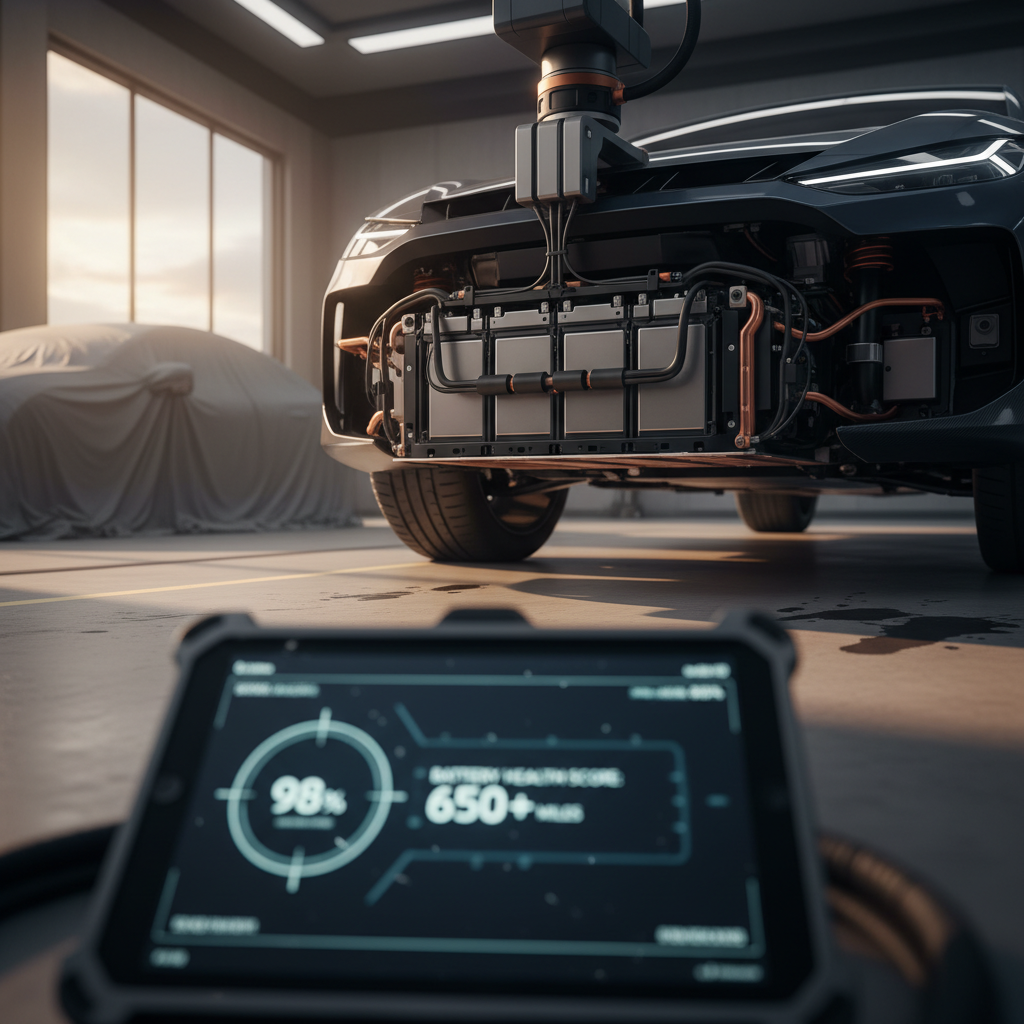
If you drive, or are thinking about buying, an electric car in the Palmetto State, you’ve probably wondered about South Carolina electric car inspection requirements. Do EVs need safety inspections? What about emissions testing? And are there any hidden EV-only fees when you register in South Carolina?
Bottom line up front
Do electric cars need inspections in South Carolina?
South Carolina ended its general vehicle inspection program back in the 1990s, and the state has no statewide safety or emissions inspection requirement for registering or renewing a passenger vehicle, gas or electric. That means you don’t take your EV in every year (or every two years) for a smog check or safety inspection just to renew a plate.
- No annual or biennial emissions testing for passenger vehicles, including EVs and plug‑in hybrids
- No recurring state safety inspection requirement to renew your registration
- Your EV can be registered and renewed online or at the SCDMV without a test, assuming your paperwork and taxes are in order
But there are exceptions
When a South Carolina EV inspection is actually required
For most everyday EV owners, you’ll never see the inside of a state inspection lane. But there are specific cases where South Carolina does want a closer look at your vehicle, regardless of whether it’s electric or gasoline.
- Title without prior proof. If you’re titling an older vehicle in South Carolina and you can’t produce a prior title, the state can require you to file a Vehicle Identification Verification form and have the car inspected by an SCDMV agent. This is mainly about verifying the VIN and checking for theft or major tampering, not about emissions.
- Rebuilt or salvaged vehicles. If you buy an electric car that’s been previously totaled or branded as salvage and then rebuilt, expect a more thorough inspection before the DMV issues a rebuilt title. Inspectors are looking at structural integrity, major safety systems, and whether repairs match the paperwork, not at tailpipe emissions.
- Out‑of‑state or specialty conversions. A custom EV conversion (for example, a classic truck converted to battery power) or a vehicle imported from outside the U.S. could trigger an inspection so the DMV can verify it meets federal and state requirements and truly matches the documentation you’re presenting.
What those inspections actually look like
No emissions testing in South Carolina: how that affects EVs
South Carolina is one of the simpler states when it comes to emissions rules. The state currently does not operate a smog‑check program. There are no counties that require emissions testing for registration, and that applies equally to gasoline, diesel, hybrid, and electric vehicles.
- You won’t be sent to an emissions station for registration or renewal.
- Switching from a gas car to an EV eliminates fuel stops and, in South Carolina, also eliminates any concern about emissions test readiness codes or check‑engine lights for smog.
- If you drive your South Carolina‑registered EV into another state that requires emissions testing for residents, you still don’t have to test there as a visitor, but you would if you later moved and registered the car in that state.
A quiet benefit for EV owners
Registration and fees for electric cars in South Carolina
What South Carolina saves you in inspection hassle, it partly makes up for in EV‑specific registration fees. The state treats electric vehicles as road users that don’t pay the gasoline tax, so it adds an extra fee at registration time.
South Carolina electric vehicle registration costs (passenger vehicles)
Approximate state‑level fees that apply when you title and register an electric passenger car in South Carolina, not including local property taxes or dealer charges.
| Fee type | How often it’s charged | Amount for EVs | Notes |
|---|---|---|---|
| Title fee | One time at purchase or first South Carolina title | $15 | Expedited title available for a higher fee if done in person |
| Infrastructure Maintenance Fee | One time when first titled in SC | 5% of purchase price (max $500) | Replaces a sales tax on vehicles |
| Passenger vehicle registration | Biennial (every 2 years) | Typically $40 | Amount can vary slightly with age and weight |
| Electric vehicle road‑use fee | Biennial (every 2 years) | $120 | Added on top of regular registration; hybrids pay $60 |
| Property tax (county) | Annually | Varies by vehicle and county | Must be paid before you can renew your registration |
Always confirm current amounts with the SCDMV, as fees can change by legislative action.
Watch for possible fee increases
Why EV paperwork matters for your total cost of ownership
Inspection checklist when you’re buying a used EV in SC
Just because the state doesn’t demand inspections doesn’t mean you should skip them. With electric cars, the most expensive component is the battery pack, and traditional used‑car checks often ignore it. When you’re shopping for a used EV in South Carolina, especially in a private‑party sale, it’s smart to follow a structured inspection process.
Practical inspection checklist for a used EV in South Carolina
1. Confirm title status and brand
Ask to see the current title or registration and look for brands like “salvage,” “rebuilt,” or “flood.” A branded title doesn’t automatically kill the deal, but it should prompt a deeper inspection and a lower price.
2. Verify VIN and ownership
Make sure the VIN on the dash and door jamb matches the paperwork. If anything looks altered, walk away or plan on an SCDMV verification process that can slow your registration.
3. Review battery health
Use the vehicle’s onboard display or a compatible app to check battery state of health. You’re looking for remaining usable capacity and any warning messages about the high‑voltage system.
4. Check charging equipment and ports
Inspect the charge port door, pins, and seals for damage or corrosion. Test both Level 1 and Level 2 charging if possible, and confirm the portable cord or wall unit is included and functional.
5. Test drive with climate control on
Run the heater or A/C during a test drive and monitor range estimates. Climate loads reveal weak battery cells and can dramatically change real‑world range, especially in older EVs.
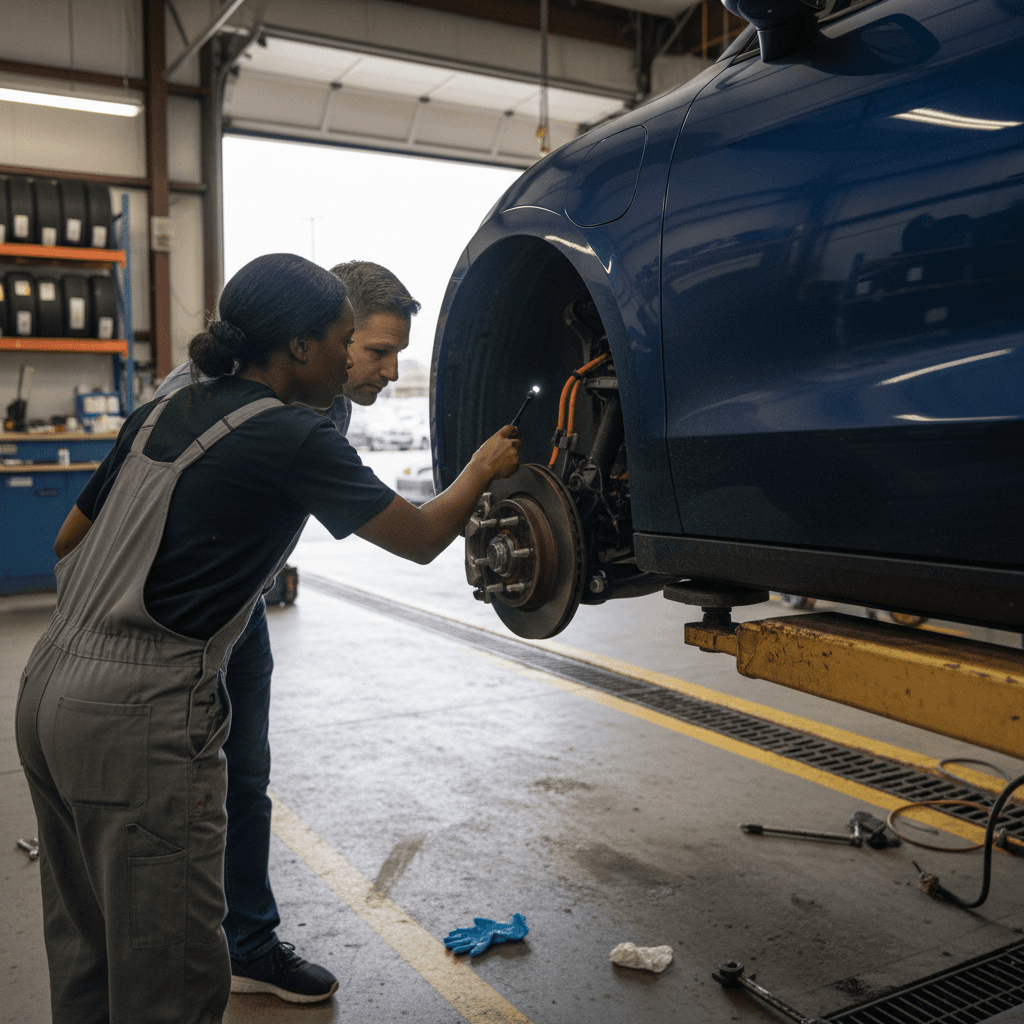
6. Look underneath for damage or corrosion
Even though there’s no emissions equipment, the underbody still matters. Check for battery‑pack scrapes, rust on suspension components, or signs of flood damage like silt or water lines.
Use reports that go beyond a Carfax
How South Carolina rules compare to nearby states
South Carolina: light on inspections, heavier on EV fees
- No routine safety or emissions inspection
- Biennial registration plus an extra EV road‑use fee
- One‑time Infrastructure Maintenance Fee instead of sales tax on vehicles
Neighboring states: different mixes of rules
- Some nearby states use annual safety inspections or county‑based emissions checks.
- Many also charge separate EV or hybrid fees to replace fuel‑tax revenue.
- If you move, you may face new inspection rules even if you keep the same car.
Planning a move or buying across state lines?
Recommended inspections, even when the DMV doesn’t require them
State‑mandated inspections are only part of the safety story, and in South Carolina they’re a very small part. As an owner, or future owner, you still want confidence that your EV is structurally sound, mechanically solid, and that the battery will deliver the range you’re paying for.
Smart inspection steps for South Carolina EV owners
Voluntary checks that protect your safety and your wallet
Battery health evaluation
Have the high‑voltage battery scanned for fault codes and capacity. A good evaluation estimates remaining range at different state‑of‑charge levels and temperatures.
Brake & tire inspection
EVs are heavy and quick off the line, which can stress tires and suspension. A yearly check of tread depth, alignment, and brake components is cheap insurance.
Charging system check
Confirm the on‑board charger, charge port, and cables all work at home and on public stations. Intermittent charging issues can be frustrating to track down later.
Don’t ignore warning lights in an EV
How Recharged helps with used EV inspections and compliance
If you’d rather not navigate inspections, battery health questions, and DMV fine print on your own, there are ways to simplify the process. That’s where a focused used‑EV marketplace like Recharged can make ownership in South Carolina much less stressful.
- Every vehicle listed on Recharged comes with a Recharged Score Report that includes verified battery health, charging performance, and fair‑market pricing, information most traditional inspections don’t provide.
- If you’re buying from out of state and titling in South Carolina, expert EV specialists can walk you through what the SCDMV will require, from fees to any potential VIN verification.
- Need to sell or trade your current EV? Recharged offers trade‑ins, instant offers, or consignment options, plus nationwide delivery and an Experience Center in Richmond, VA, handy if you’re willing to travel a bit for the right car.
Why that matters in South Carolina
South Carolina EV inspection FAQ
Common questions about South Carolina electric car inspections
Key takeaways for South Carolina EV owners and shoppers
South Carolina makes life relatively easy when it comes to formal electric car inspection requirements. There’s no routine emissions or safety testing, and most EVs sail through registration with little more than proper paperwork and the right fees. But that convenience also means it’s up to you to protect yourself, with smart pre‑purchase inspections, battery‑health checks, and a clear understanding of what the SCDMV will (and won’t) look at.
If you’re in the market for a used EV, consider starting your search with a platform that treats electric cars as more than just another used vehicle. Recharged’s verified battery diagnostics, transparent pricing, and EV‑specialist support can give you the confidence South Carolina’s light inspection regime doesn’t provide on its own, so you can enjoy quiet, low‑maintenance driving without second‑guessing the car in your driveway.