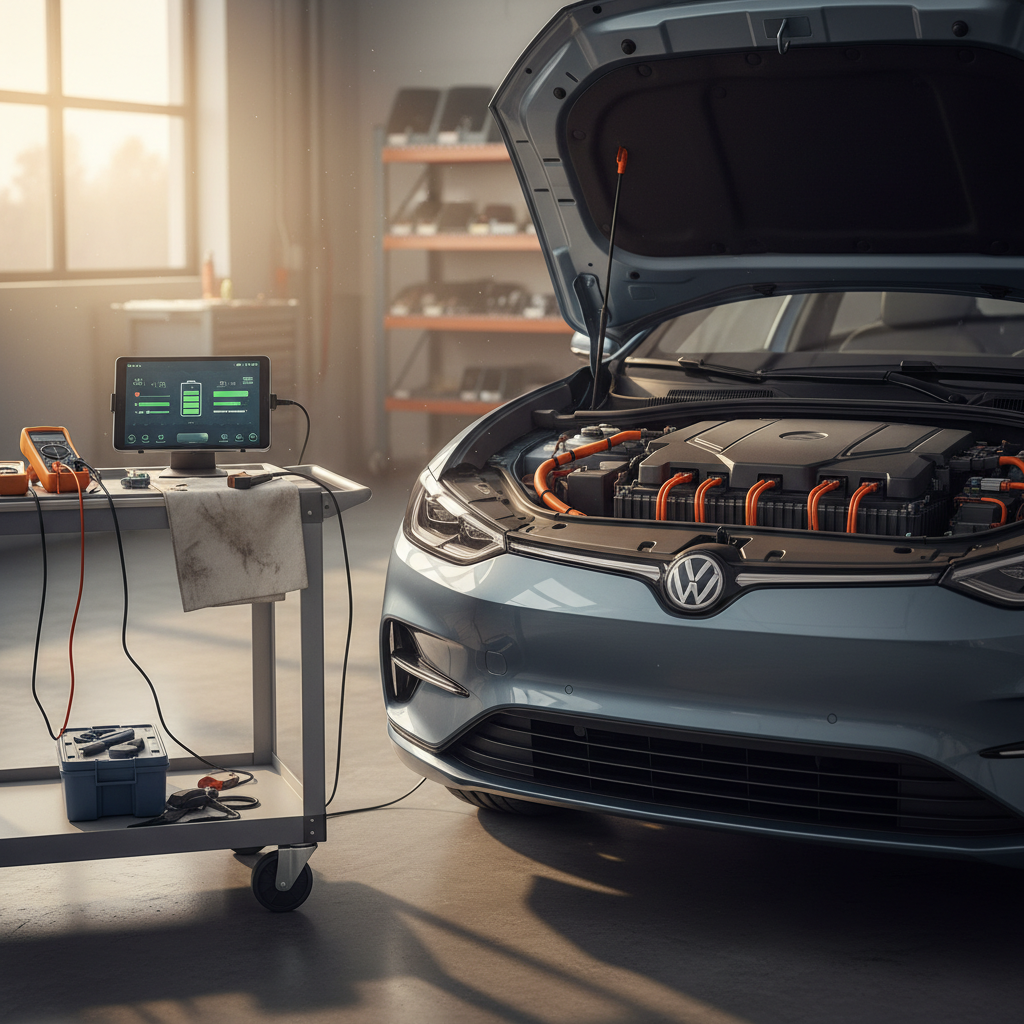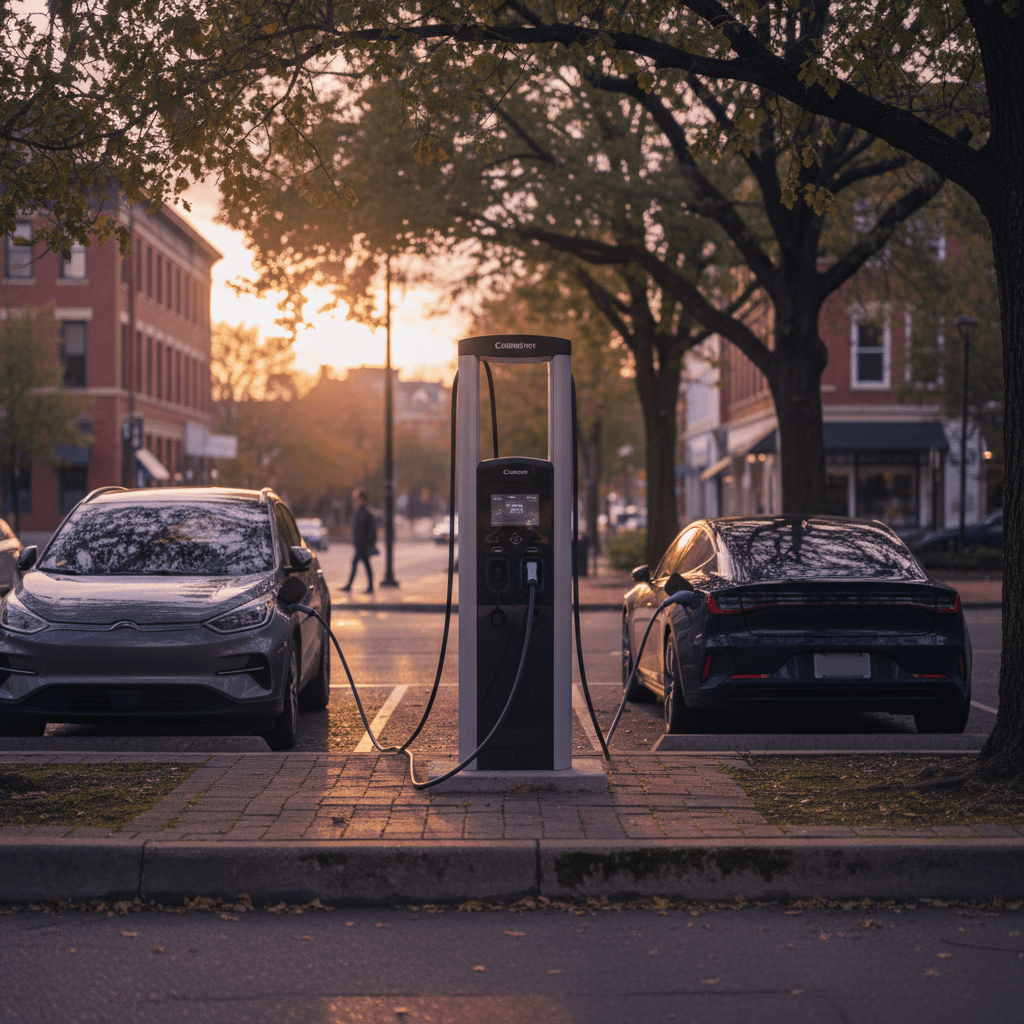
If you drive an electric car in South Carolina, or you’re thinking about buying one, the obvious question is, **“Can I actually charge this thing where I live and drive?”** South Carolina’s electric car charging network has grown quietly but steadily, with clusters of stations around Charleston, Greenville, Columbia, and the coast, plus a spine of fast chargers along the interstates. It’s not California, but it’s no longer a charging desert either.
Quick snapshot: EV charging in South Carolina
Why South Carolina’s EV charging network matters now
South Carolina is in a strange but exciting moment for EVs. Big manufacturers are building and expanding battery and EV plants nearby, more models are hitting showrooms, and used EV prices are drifting into reach for a lot of households. At the same time, the **federal highway money that was meant to supercharge charging build‑out has hit political turbulence**, and the state is leaning harder on utilities and private companies to fill in the gaps. That puts a premium on understanding where chargers already are and how to use them well.
South Carolina EV charging network by the numbers
Funding is in flux
How many EV chargers does South Carolina have?
There’s no single perfect number, because stations come and go. But by early 2026, public data and mapping tools point to **well over a thousand individual charging stations in South Carolina**, and several thousand individual plugs (or “ports”). A large share are Level 2 chargers in workplace, hotel, and parking‑garage settings, with a smaller but growing share of DC fast chargers along the major corridors and in urban hubs.
Most EV-friendly metro areas in South Carolina
Where you’re most likely to find dense clusters of public chargers.
| Metro area | Approx. public stations | What it feels like to drive an EV there |
|---|---|---|
| Charleston–North Charleston | 480+ | Plenty of Level 2 around downtown, suburbs, and tourist areas; several DC fast hubs on I‑26 and near major shopping areas. |
| Greenville–Anderson–Mauldin | 430+ | Good mix of Level 2 and fast chargers along I‑85 and around major employers and retail. |
| Columbia | 290+ | Strong Level 2 coverage near the University and downtown; growing fast‑charge options along I‑20 and I‑26. |
| Myrtle Beach–Conway–North Myrtle Beach | 250+ | Seasonal tourist demand means lots of hotel and resort chargers, plus highway fast charging nearby. |
| Hilton Head Island–Bluffton–Beaufort | 200+ | Many destination chargers at resorts and shopping centers; check apps closely for fast options before you arrive. |
Station counts are approximate and change regularly, but the ranking of South Carolina’s most EV‑friendly metros has been stable.
In smaller towns, Newberry, Greenwood, Gaffney, and others, you’ll see **dozens of stations rather than hundreds**, and fast charging may be limited to a couple of plugs at a highway exit or a big‑box parking lot. That’s where careful planning and backup options matter.
Where the chargers are: highways vs. cities
Interstates and long-distance corridors
South Carolina’s **electric car charging network along the interstates** is built around a patchwork of DC fast hubs, many located at:
- Travel plazas and gas stations at major exits
- Big-box retailers and grocery centers near the highway
- Hotel clusters at interchange towns
You’ll find the most consistent coverage along I‑95 and I‑26, with I‑20, I‑77, and I‑85 catching up as more private networks build stations to capture through‑traffic.
Cities, suburbs, and tourist hot spots
Inside metro areas, **Level 2 dominates**. Expect to see chargers at:
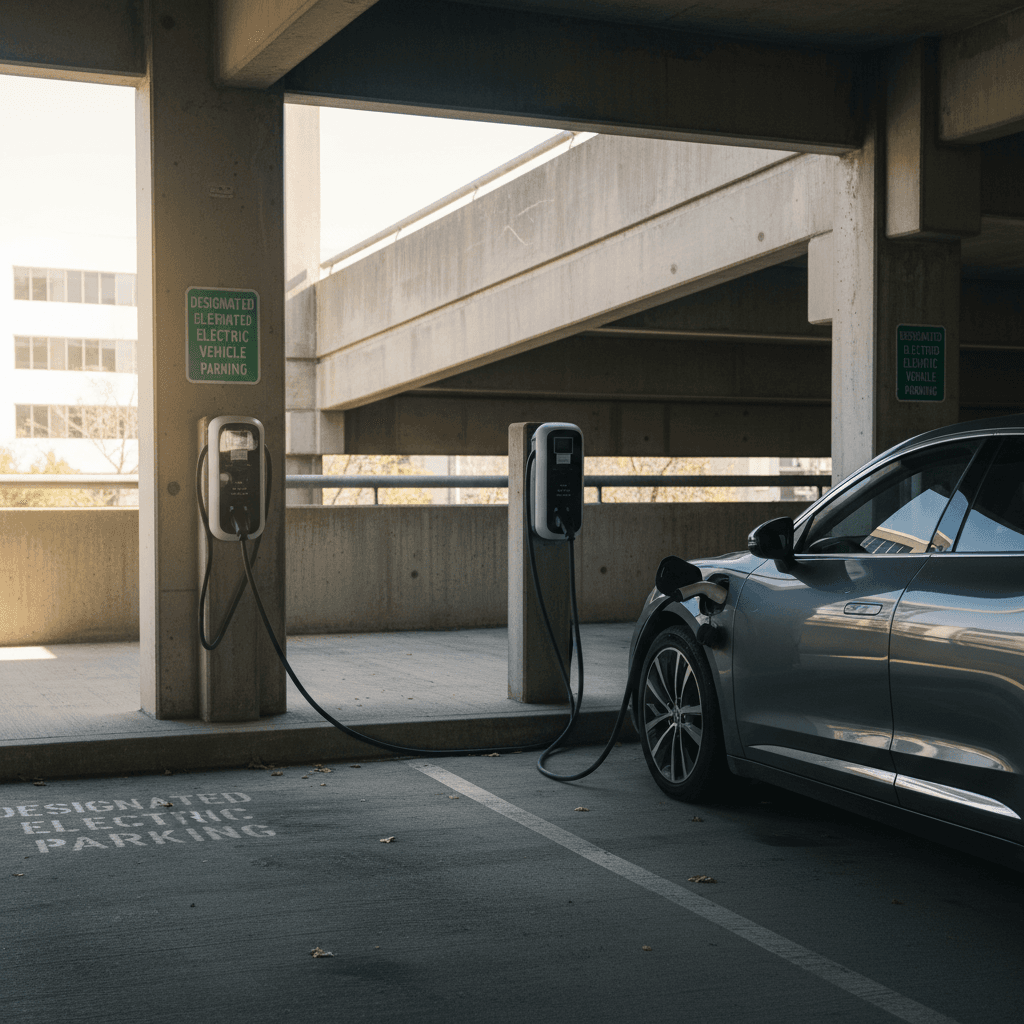
- Downtown parking decks and municipal lots
- Universities and hospitals
- Apartment complexes and office parks
- Beach hotels, resorts, and golf courses
Charleston, Greenville, Columbia, Myrtle Beach, Hilton Head, and Spartanburg feel increasingly “normal” to drive in with an EV, as long as you’re comfortable topping up while you work, shop, or sleep instead of only at gas‑station‑style stops.
Fast charging vs. Level 2: what you’ll actually find
When people ask about the **South Carolina electric car charging network**, what they usually mean is, “Can I get DC fast charging when I need it?” The honest answer: **yes on the main routes and in the big metros, maybe everywhere else.** You’ll never be far from Level 2, but you may need to drive an extra 10–20 minutes for a truly fast top‑off in rural areas.
What charging speed can you expect in South Carolina?
Match your expectations to the plugs you’ll actually see.
DC fast (50–350 kW)
Where: Interstate exits, big-box parking lots, some dealers.
Use for: Road trips and quick top‑offs; 20–45 minutes for a big chunk of range.
Reality in SC: Coverage is decent on I‑95 and I‑26 and improving elsewhere, but still spotty in rural pockets.
Level 2 (6–19 kW)
Where: Hotels, workplaces, parking decks, tourist spots.
Use for: Overnight or multi‑hour parking; 20–35 miles of range per hour on many EVs.
Reality in SC: This is the backbone of everyday charging, especially in cities and beach towns.
Level 1 (120 V outlet)
Where: Older homes, cabins, friends’ driveways.
Use for: Last‑resort trickle charging; think 3–5 miles of range per hour.
Reality in SC: Helpful in a pinch at a rural rental or hunting cabin, but not a long‑term solution.
Range-boosting tip
Major charging networks operating in South Carolina
On the ground, South Carolina’s electric car charging network is really a **patchwork of different operators**. Most apps let you filter by “network,” but it helps to know the big players you’ll see on the map and at actual stations.
- **Tesla Supercharger & Destination Charging** – Tesla’s DC fast sites are increasingly compatible with non‑Tesla EVs via built‑in adapters (Magic Dock) or external adapters, and Tesla’s slower "Destination" Level 2 chargers show up at hotels and restaurants across the state.
- **Electrify America** – Often found at Walmarts and shopping centers along I‑95, I‑26, and other key routes; primarily DC fast, with multiple plugs per site.
- **ChargePoint & EVgo** – A mix of Level 2 and fast chargers in cities and along corridors, sometimes co‑branded with big-box retailers or parking operators.
- **Utility and municipal networks** – Duke Energy–supported stations and city‑owned chargers in places like Florence, Hartsville, and other midsized communities.
- **Automaker and dealer sites** – Ford, Hyundai, Kia, and others are adding branded fast chargers at select dealerships and along routes to showcase their EVs.
One app is rarely enough
South Carolina’s NEVI plan, and the politics around it
Under the 2021 federal infrastructure law, **South Carolina was slated to receive about $70 million over five years** through the National Electric Vehicle Infrastructure (NEVI) Formula Program to build fast chargers along designated Alternative Fuel Corridors. The state’s plan focused first on I‑95, I‑26, I‑20, I‑77, and I‑85, with later phases earmarked for community‑level stations away from the interstates.
Then came the politics. In 2025, the Trump administration moved to halt new NEVI spending and ordered states to decertify their plans while it rewrote the rules. Courts have since pushed back, and some previously committed projects are continuing, but **long‑term federal support is cloudy**. For drivers, that means two things: private networks will likely play a bigger role, and you can’t assume every planned NEVI site on an old map will become real on schedule.
What NEVI rules mean for stations
Utility and local programs that affect charging
Even with federal uncertainty, utilities and local governments in South Carolina have a strong say in how easily you can live with an EV. Duke Energy, for example, has tested residential incentives and bill credits for EV charging, and continues to pitch business charging programs to workplaces, fleets, and retail sites across its South Carolina territory.
How utilities and local players shape the network
A few behind-the-scenes efforts that make your day-to-day charging easier.
Business & fleet charging
Duke Energy and other providers court employers, retailers, and hotels with programs that offset hardware costs or simplify installation. When a mall or hotel chain signs on, a whole cluster of chargers can appear on your map at once.
Home charging incentives
Residential pilots have offered bill credits or rebates when customers install Level 2 chargers and agree to shift charging to off‑peak hours. These programs come and go, so always check your utility’s EV page before booking an electrician.
Don’t skip the permit
Planning a road trip through South Carolina
A well‑planned **I‑95 or I‑26 road trip in an EV** can be downright easy now. An impromptu detour deep into the countryside without checking your apps first? Less so. Here’s how to stack the deck in your favor whether you’re chasing barbecue, beaches, or grandparents.
Pre‑trip checklist for South Carolina EV road trips
1. Map your DC fast stops first
Use PlugShare, A Better Routeplanner, your car’s nav, and network apps to identify fast chargers along your route. Aim to stop where multiple fast plugs are co‑located so a broken unit doesn’t leave you stranded.
2. Verify recent check‑ins
In the app, scroll through recent user check‑ins or reviews. You want to see activity in the last few days, not months. If a site looks abandoned, pick another or treat it as backup only.
3. Book lodging with Level 2
If you’re staying in Charleston, Myrtle Beach, Hilton Head, or Greenville, filter for hotels with on‑site charging. Arriving with 20–40% and waking up at 80–100% is the easiest way to road‑trip an EV.
4. Pack your adapters and cables
Bring your Level 1 cord, any J1772 or NACS adapters that came with your car, and a tire inflator. In small towns, a plain wall outlet or a basic Level 2 at a B&B can be a lifesaver.
5. Watch weather and speed
Hot summer days, heavy rain, and high speeds on I‑95 all chew through range. Plan a margin of 20–25% buffer to the next charger, especially in rural stretches.
6. Have a Plan B and C
For each long gap between fast chargers, know at least one backup site (even if it’s just Level 2 at a park or courthouse) and how to get there with 10–15% in reserve.
Palmetto State sweet spots
Everyday charging strategies for South Carolina drivers
If you live in Charleston, Columbia, Greenville, or a growing suburb, you can treat your EV much like you would anywhere else in the Southeast: **charge mostly at home or work, sprinkle in public Level 2, and lean on DC fast only when you really need it.** Rural drivers and apartment dwellers need a slightly different playbook.
Single-family home with driveway
- Install a 240 V Level 2 charger if your panel can handle it.
- Shop your utility’s site for off‑peak rates or bill credits.
- Top up nightly to 60–80% instead of full every time.
Think of public chargers as your backup generator, not your primary fuel source.
Apartment or condo
- Ask management about adding shared Level 2 chargers; point them to utility business programs.
- Use workplace and public Level 2 as your “home base.”
- Plan a weekly grocery run near a DC fast station to get a big bump in one shot.
It’s workable in Charleston, Greenville, and Columbia today, but you’ll need more routine than a gas driver does.
Small town or rural area
- Home Level 2 is close to non‑negotiable if you drive much.
- Know your nearest fast charger on I‑26, I‑20, I‑77, I‑85, or I‑95.
- Bookmark a couple of courthouse, city‑hall, or utility‑owned Level 2 sites as deep‑backup options.
Once you know your local network, day‑to‑day life becomes surprisingly boring, in a good way.
How the charging network affects used EV buyers
If you’re shopping for a used EV in South Carolina, the strength of the local charging network isn’t just an abstract policy question, it shapes which model fits your life, how quickly you can road‑trip, and how confident you’ll feel heading into the mountains or down to the coast.
Questions to ask before buying a used EV in South Carolina
The right match between car and charging network can make or break your ownership experience.
1. How healthy is the battery?
In a state where summer heat and long inter‑city drives are common, battery health matters. A degraded pack means more frequent charging stops and a smaller safety buffer between stations.
Every EV listed on Recharged comes with a Recharged Score and verified battery health report, so you know what you’re getting before you ever plug in.
2. What’s the real-world highway range?
Look beyond the original EPA number. In South Carolina, 70–75 mph traffic and A/C use are the norm. Focus on what owners report for real‑world highway range and compare that to the longest gaps between fast chargers on your usual routes.
3. How fast can it DC fast charge?
Some older EVs max out around 50 kW, while newer ones can hold 150 kW or more. On I‑95 and I‑26, that difference can mean 20‑minute coffee stops versus 45‑minute marathons.
4. Which connector does it use?
Most non‑Tesla EVs still use CCS, while Tesla and the new North American Charging Standard (NACS) connector are spreading. Check adapter availability and network access for the car you’re eyeing in the parts of South Carolina you actually drive.
How Recharged can help
Ready to find your next EV?
Browse VehiclesFAQs: South Carolina electric car charging network
Frequently asked questions about EV charging in South Carolina
Bottom line on South Carolina’s EV charging network
South Carolina’s electric car charging network in 2026 is a little like the state’s weather: mostly sunny, with localized storms if you’re not paying attention. Along the big corridors and in the thriving metros, **public charging is no longer the barrier it once was**, and more stations are coming, even if federal programs are wobbling. The remaining gaps are real, but they’re predictable, and you can plan around them with the right car, the right apps, and a bit of forethought.
If you’re considering a used EV, that planning starts before you ever sign paperwork. Understanding how the charging network lines up with your life is just as important as comparing trim levels or paint colors. At Recharged, we build that conversation into every purchase, combining verified battery health data with practical, route‑by‑route guidance so you can step into South Carolina EV ownership with clear eyes, and a clear plan for where you’ll plug in.