If you already drive an EV, or you’re looking at a used one, the idea of using solar panels for your electric car is incredibly appealing. Lower fuel bills, cleaner driving, maybe even skipping the gas station permanently. The good news: charging an EV from rooftop solar is not only possible in 2025, it’s becoming one of the most cost‑effective ways to power your miles. The key is understanding how many panels you need, how the system is wired, and when solar makes financial sense for your situation.
Big picture
Can solar panels really charge an electric car?
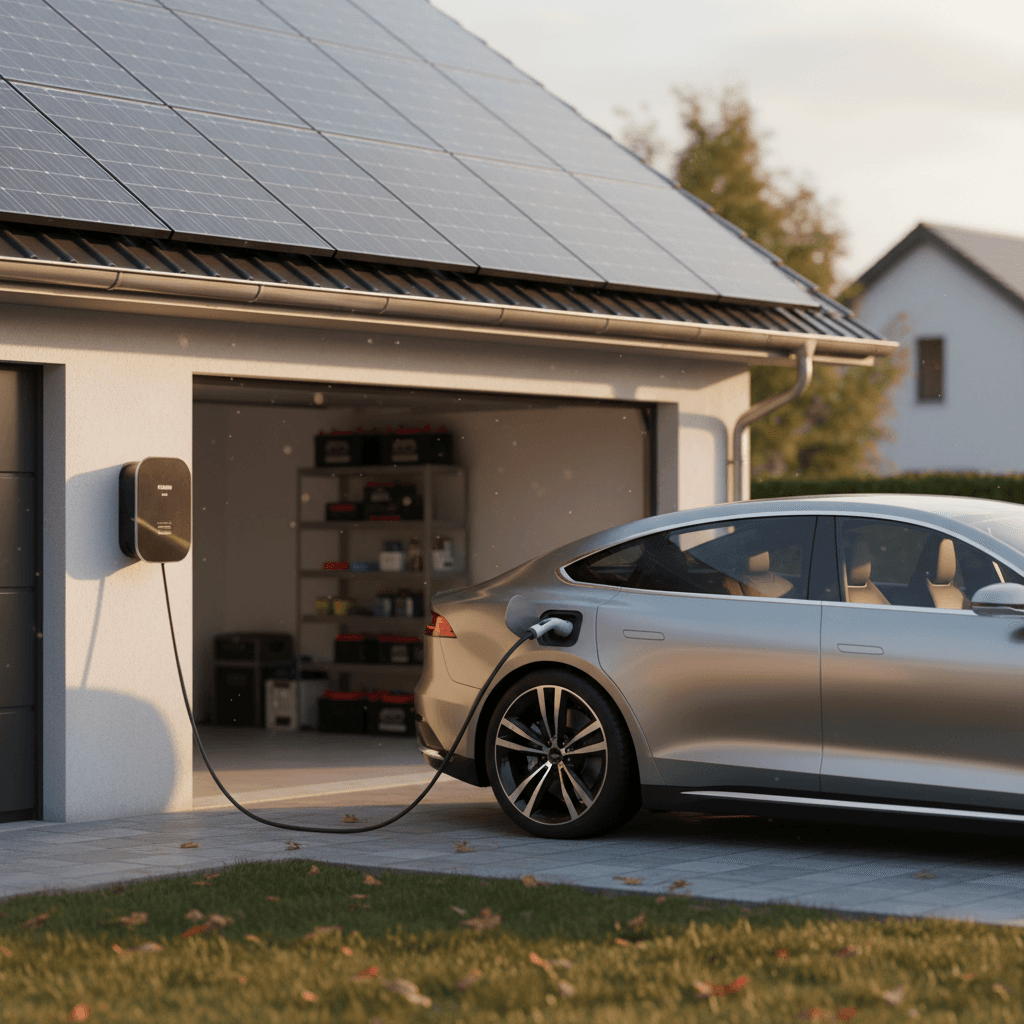
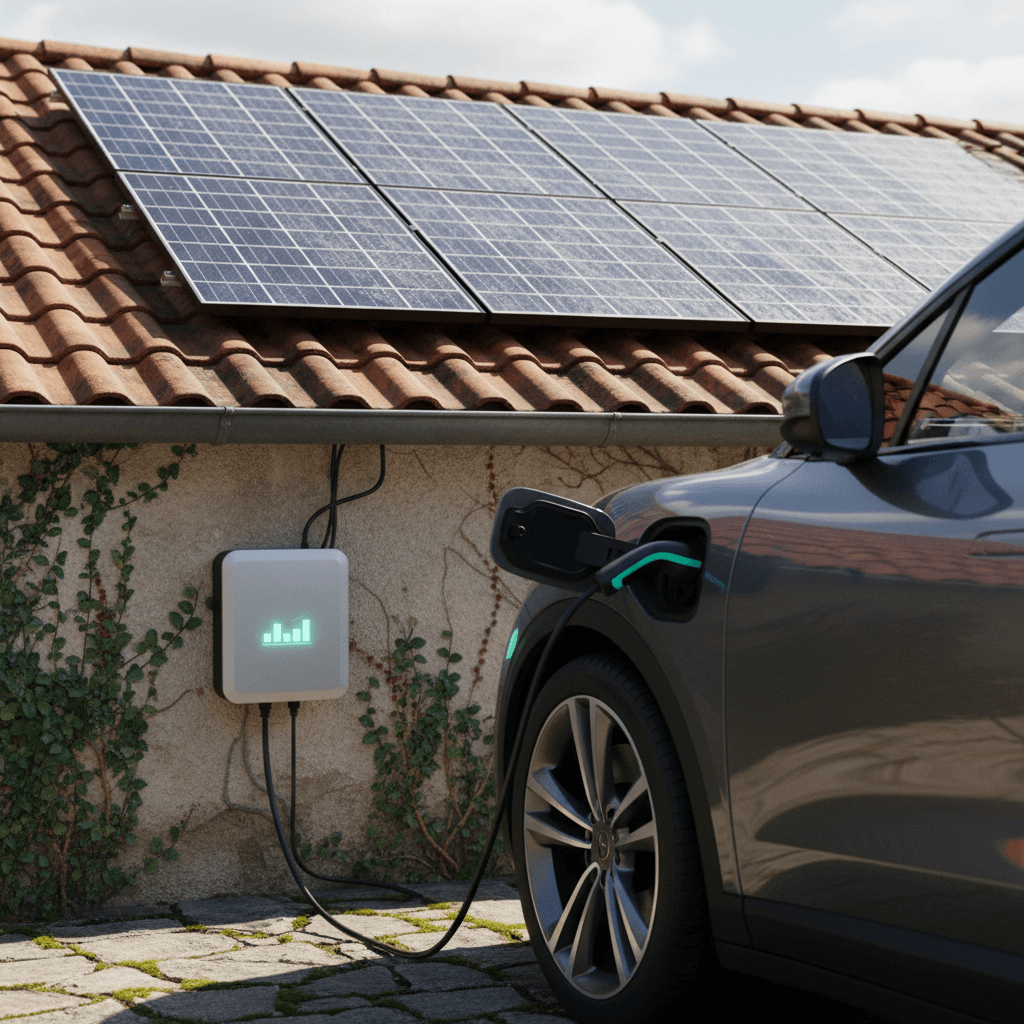
Yes, but not by plugging panels straight into your car. Solar panels feed electricity into your home’s electrical system (or a battery), and your EV pulls power from that system through a standard charger. In practice, charging from solar looks exactly like charging from the grid: you plug into a Level 1 or Level 2 charger, set your schedule, and let the car fill up.
- Solar panels on your roof or carport generate DC electricity when the sun is out.
- An inverter converts that DC power to AC and feeds it into your home’s electrical panel.
- Your EV charger (typically a 240 V Level 2) draws power from the panel to charge the car.
- If production exceeds usage, extra solar goes to a battery or back to the grid (if you have net metering).
You can’t plug panels directly into the car
How many solar panels do you need to charge an EV?
Let’s get to the question most people care about: how big a system do you actually need? Different sources converge on roughly the same answer: for a typical U.S. driver putting 10,000–14,000 miles per year on an EV, you’re looking at about 3,000–5,000 kWh per year of electricity for driving, which translates to 5–10 panels with today’s high‑output modules.
Typical solar needs for EV driving
Those ranges assume modern 440–450 W panels, average American driving, and solid sun (a solar production ratio in the 1.1–1.6 range is common in the U.S.). If you live in a cloudier climate or drive something less efficient like an electric truck, you’ll need to size up; a super‑efficient compact EV in Arizona may get by with fewer panels.
Quick back‑of‑the‑envelope math
Solar system sizes and costs for EV charging
The economics of solar panels for an electric car depend heavily on system size, your local electricity rates, and incentives. But some ballpark numbers are helpful.
Example solar system sizes just for EV charging
Approximate system sizes and pre‑incentive price ranges for EV‑only solar in the U.S. Actual quotes will vary by installer and region.
| Use case | Annual driving | System size (kW) | Panels (approx.) | Typical pre‑incentive cost |
|---|---|---|---|---|
| Low‑mileage commuter | 6,000–8,000 mi | 2–2.5 | 4–6 | $6,000–$9,000 |
| Average driver | 10,000–14,000 mi | 3.5–4 | 8–10 | $8,000–$12,000 |
| Heavy driver or large SUV/Truck | 15,000–20,000+ mi | 4.5–6 | 10–14 | $11,000–$18,000 |
These estimates assume modern 400–450 W panels and typical U.S. installed costs in 2025.
What about house + car together?
4 ways to use solar panels for your electric car
There’s more than one way to combine solar and EV charging, and the right setup depends on your parking, driving patterns, and budget. Here are four common approaches, from simplest to most advanced.
Common ways to pair solar panels and EV charging
From basic Level 1 to smart solar carports and bidirectional setups
1. Standard rooftop solar + Level 2 charger
Best for: Homeowners who park in a driveway or garage most nights.
- Install rooftop solar sized for home + EV needs.
- Add a 240 V Level 2 charger wired to your main panel.
- Use scheduling to charge when the sun is strongest or when rates are low.
This is the most common and usually the most cost‑effective setup.
2. Solar carport over your driveway
Best for: Homes with limited roof space or shaded roofs.
- Build a carport structure with integrated solar panels.
- Mount a Level 2 charger on a post or wall beneath.
- Can double as covered parking and weather protection.
Carports can be more expensive per watt but solve space and shading issues.
3. Solar + home battery for night charging
Best for: Night‑shift workers or anyone who mainly charges after dark.
- Pair solar with a battery (e.g., ~10–15 kWh home battery).
- Store daytime solar production, discharge into your EV at night.
- Provides backup power during outages.
Higher upfront cost, but maximizes self‑consumption of solar energy.
4. Portable solar + power station for niche use
Best for: Campers, off‑grid cabins, or emergency backup, not daily driving.
- Use folding panels feeding a portable power station.
- Power station then trickle‑charges your EV using a Level 1 cord.
- Output is limited, think emergency miles, not full daily commuting.
Great for resiliency, but not a replacement for home charging infrastructure.
Don’t oversell portable solar
Smart charging, batteries, and time-of-use rates
Solar and EVs get really interesting when you layer in smart charging, time‑of‑use (TOU) electricity rates, and batteries. Your goal is to feed the car with the cheapest and cleanest electrons available at any given moment.
Simple solar + EV setup
- Rooftop solar tied into the main panel.
- Basic Level 2 charger with scheduled start time.
- Utility net metering credits you for daytime excess.
This works well if you’re home evenings and your utility offers good net metering or flat rates.
Smarter solar + EV + battery setup
- Solar feeds both home and a stationary battery.
- Battery discharges to home/EV when grid prices spike.
- Advanced chargers or energy management systems coordinate everything.
More complex and expensive, but it can cut bills, increase backup capability, and further reduce the carbon intensity of your charging.
Use your EV’s built‑in scheduling
Tax credits and incentives for solar and EV chargers
In the U.S., the economics of solar panels for an electric car are heavily influenced by tax credits that are still available, but on the clock. As of late 2025, homeowners can claim a federal tax credit of up to 30% of the cost of qualifying residential solar installations. There’s also a separate credit for home EV charging equipment, typically covering 30% of purchase and installation costs up to a cap.
- Federal solar tax credit: Up to 30% of eligible residential solar costs, currently scheduled to run through the end of 2025 for many home installations.
- Home EV charger credit: Up to 30% of the cost of hardware and installation, with a dollar cap per household and an end date currently set for mid‑2026.
- State and utility incentives: Many states and local utilities offer additional rebates, performance‑based incentives, or net metering policies that improve payback timelines.
- Stacking benefits: In some cases you can claim both the solar credit and the EV charger credit, significantly softening the upfront cost of a solar‑EV setup.
Deadlines matter
Is using solar panels for EV charging worth it?
Whether solar EV charging is “worth it” depends on three main variables: how much you drive, your grid electricity rate, and your roof (or carport) situation. Here’s how those pieces come together.
When solar panels for an electric car make the most sense
Patterns where the numbers usually work out in your favor
High home + EV usage
High electricity rates
Good sun, good roof
Environmental upside
On the other hand, there are cases where it’s wiser to hold off or go smaller:
- You rent or expect to move soon and can’t take the system with you.
- Your roof is heavily shaded and a carport isn’t an option.
- Your utility has very low rates and limited net metering, stretching solar payback times.
- You drive very little, so the incremental benefit of sizing solar around the car is modest.
Common mistakes to avoid with solar EV charging
Avoid these pitfalls when pairing solar panels and an EV
1. Sizing solar for the car but not your lifestyle
It’s tempting to size solar strictly for your EV’s kWh needs, but your home’s usage and future plans (second EV, heat pump, home office) matter just as much. Oversizing modestly can make sense if you’re likely to increase electricity use later.
2. Skipping a home energy audit
Before installing solar, it’s smart to tackle low‑hanging efficiency upgrades, insulation, LEDs, smart thermostats. Reducing waste means more of your panel output goes to useful loads like charging your car.
3. Ignoring your main panel limits
A Level 2 charger plus solar may require main panel upgrades, especially in older homes with 100‑amp service. Skipping this analysis can lead to change‑orders and surprise costs later.
4. Assuming portable solar can cover daily driving
Portable panels are great for topping up a battery or adding a few emergency miles, but trying to do your whole commute with a folding solar kit is a recipe for disappointment.
5. Not planning for where you park
If you park on the street or in a shared lot without a reserved space, a full solar + home charger setup may not be practical yet. In that case, focus on public charging access and grid‑charged home options first.
Safety first
FAQ: Solar panels for electric car charging
Frequently asked questions about solar panels for EVs
How Recharged helps you make the most of solar
Using solar panels for your electric car can turn your driveway into your own micro‑fuel station: predictable costs, cleaner energy, and far less dependence on gas prices or public charging queues. But like any long‑term investment, it pays to match the car and the charging plan to your real‑world life, not the other way around.
That’s where Recharged comes in. Every used EV on our platform includes a Recharged Score Report with verified battery health and fair‑market pricing, so you can size your solar and charging setup around a car you trust. Our EV specialists can also walk you through charging options, from simple Level 2 home setups to planning for future solar or battery additions. Whether you’re ready to buy your first used EV or trading into something more efficient, Recharged is built to make electric ownership, and eventually solar‑powered driving, as simple and transparent as possible.