Search for “smart cars new” today and you’ll see two different ideas mixed together. There’s the Smart brand itself, now building stylish electric crossovers and planning a tiny #2 city car, and there’s the broader wave of connected, software‑defined EVs from nearly every automaker. If you live in a city or just want a smaller, tech-forward EV, understanding this new landscape will save you money and headaches.
Quick takeaway
What “smart cars” actually means in 2025
A decade ago, a “smart car” meant the tiny Smart ForTwo you could nose into motorcycle spaces. Today, the phrase has broadened. When shoppers search for smart cars new, they’re usually looking for one of two things:
- A small electric city car that’s easy to park and cheap to run.
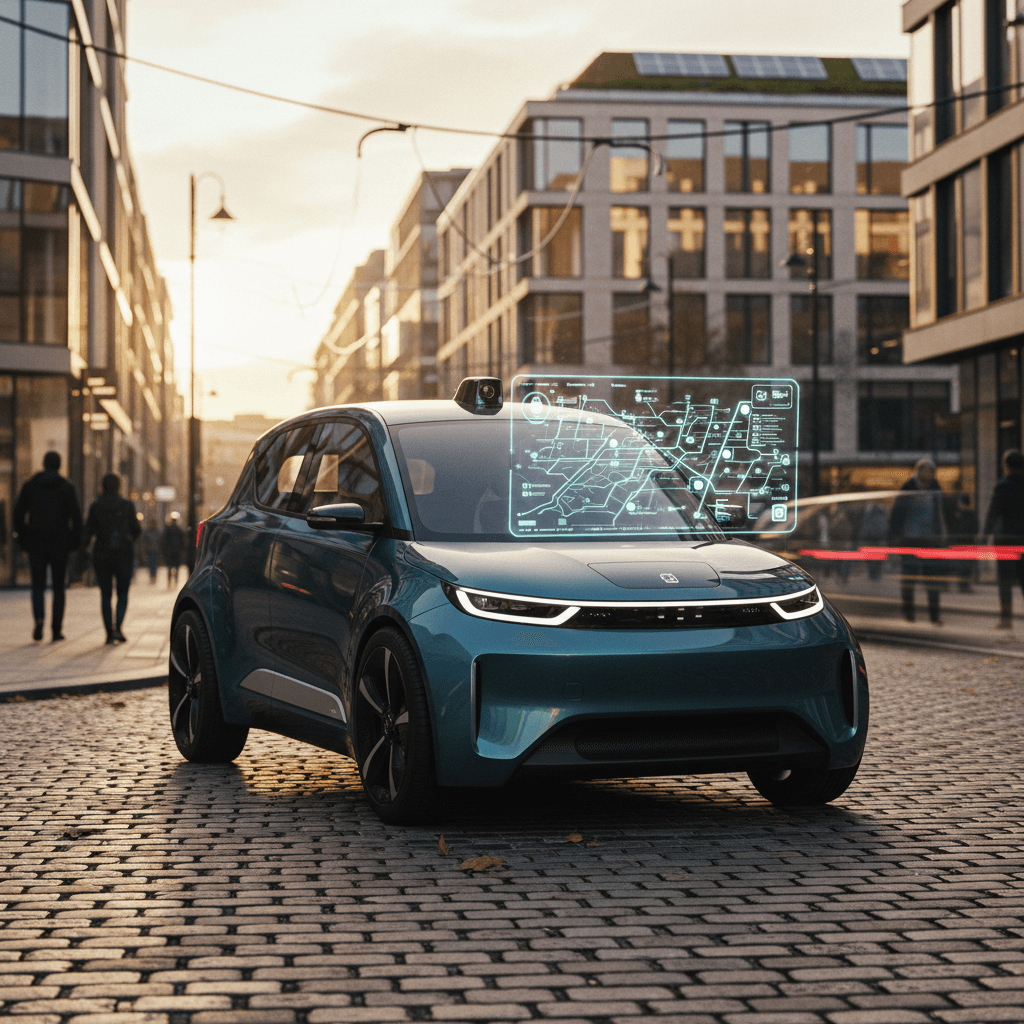
- A high‑tech EV or hybrid with big screens, phone‑as‑key, over‑the‑air (OTA) updates, and advanced driver‑assist features.
The Smart brand is still around, now co‑owned by Mercedes‑Benz and Geely, and it sells only EVs. But it competes in a wider world where even mainstream models offer app‑based charging control, lane‑keeping assistance, and subscription‑powered features. That’s good news for you as a buyer: you have more choice than ever, both new and used.
Why smart city EVs are having a moment
New Smart-branded cars: #1, #3, #5 and the coming #2
If you typed "smart cars new" because you remember the old ForTwo, here’s where Smart (the brand) stands today. While Smart left the U.S. market after the 2019 model year, its EV lineup has expanded overseas and influences what you’ll see in the used‑import and global news cycle.
The modern Smart lineup
From tiny runabouts to tech‑packed crossovers
Smart #1
A compact electric crossover that marked Smart’s move upmarket. Built on Geely’s SEA platform, it offers strong performance, a roomy cabin, and the kind of infotainment and driver‑assist tech you’d expect in a modern EV.
Smart #3
A sleeker, coupe‑style version of the #1 with a lower roofline and sportier character. Think of it as Smart’s take on a compact lifestyle SUV, with the same core battery and motor tech.
Smart #5
The largest Smart yet, an electric SUV with available off‑road‑inspired trims and an 800‑volt electrical architecture. It’s aimed at buyers who want long range, fast DC charging, and rugged styling in a compact footprint.
What about the tiny Smart car?
Even if these models don’t ship directly to the U.S., they help define what “smart city cars” look like worldwide: compact footprints, electric powertrains, and a lot more technology than the original ForTwo ever offered.
Beyond the Smart brand: new city EVs to watch
You don’t have to buy a Smart‑branded car to get a genuinely smart, city‑friendly EV. A wave of new small EVs is arriving from mainstream automakers, especially in Europe and Asia. Some won’t reach the U.S., but they influence the used‑import market and show where urban EV design is heading.
Examples of new “smart city” EVs
Recent and upcoming compact EVs that embody the new smart‑car idea.
| Model | Market focus | Key strengths | Smart features highlight |
|---|---|---|---|
| Renault 5 E‑Tech | Europe | Retro‑styled supermini EV | Efficient motors, multiple battery sizes, OTA updates |
| Nissan Micra EV (K15) | Europe | Electric‑only successor to a popular subcompact | 192–253 mi WLTP range, 100 kW DC fast charging |
| Volvo EX30 | Global (notably Europe/US) | Small premium SUV | Award‑winning safety tech, rich driver‑assist suite, strong app integration |
| Smart #2 (2026) | Europe/China (announced) | Ultra‑compact 2‑seater city EV | Purpose‑built urban platform, expected advanced connectivity |
| Aishang A100C | China | Low‑cost city car | Budget EV with small LFP battery and simple connected features |
Models and specs vary by market; always confirm U.S. availability and local pricing.
Availability reality check
If you primarily drive in crowded urban areas, this is good news. Automakers are finally treating small cars as desirable, tech‑rich products instead of bare‑bones budget entries. That’s exactly what you want from a new smart car.
The tech that truly makes new cars “smart”
Instead of focusing only on badges, it’s smarter to look at the technologies that separate a truly modern smart car from an older small hatchback. Here are the big building blocks you should care about when you evaluate any new or used smart EV.
Core technologies in modern smart cars
What to look for beyond just size and styling
Always‑connected infotainment
New smart cars typically include built‑in LTE/5G, live traffic and charging‑station data, streaming apps, and the ability to push software updates. Many offer phone‑as‑key, so you can unlock and start the car with your smartphone.
Software‑defined driving experience
From drive modes to steering feel and ambient lighting, much of the driving experience is controlled by software. OTA updates can add range improvements, new apps, or even driver‑assist features over time.
Advanced driver assistance (ADAS)
Look for adaptive cruise control, lane‑keeping assistance, blind‑spot monitoring, and automated parking. These systems don’t make the car self‑driving, but they reduce fatigue in traffic and tight city streets.
Cloud services & vehicle apps
Most new EVs let you use an app to pre‑heat or pre‑cool the cabin, schedule charging for off‑peak rates, and check whether you remembered to lock the doors, all from your phone.
Don’t confuse “smart” with “self‑driving”
How new smart cars change daily driving
If you’re moving from a conventional compact into a new smart EV, the difference in daily life can be dramatic. The goal isn’t just to add gadgets; it’s to remove friction from every trip, especially in dense traffic and tight parking.
In the city
- Easier parking: Tiny footprints or tight turning circles, plus camera‑based parking aids.
- Stop‑and‑go relief: Adaptive cruise and lane‑centering help ease the grind in traffic.
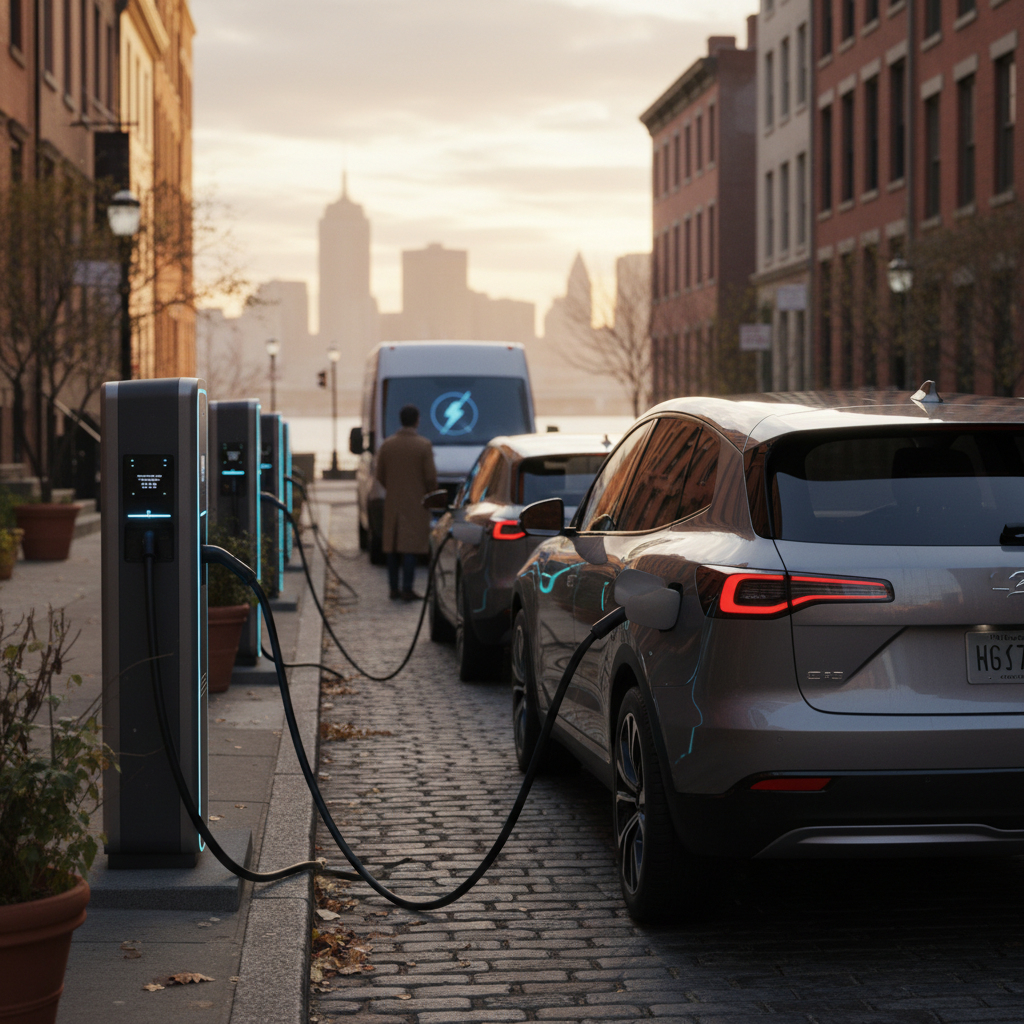
- Curbside charging: Many city EVs are optimized for public AC posts and DC fast chargers instead of huge home setups.
On your commute or errands
- App‑controlled climate: Pre‑condition the cabin while the car is still plugged in.
- Route planning: Built‑in navigation can factor charging stops and traffic into your trip.
- Quiet, smooth driving: EV drivetrains reduce vibration and noise compared with older gas city cars.
Good news for apartment dwellers
Should you buy a new smart car or a used smart EV?
With so many smart cars new to market and a rapidly growing used EV pool, the tougher question isn’t "Should I go electric?" but "Should I go new or used?" Each route has its advantages.
Buying a new smart car
- Latest tech: You’ll get the newest batteries, fastest charging, and the freshest infotainment.
- Full warranty: Comprehensive and battery warranties reduce financial surprises.
- Tax credits: In the U.S., qualifying EVs may be eligible for federal and state incentives, lowering the effective price.
Downside: Higher upfront cost and steeper early depreciation, especially on tech‑heavy models.
Buying a used smart EV
- Lower purchase price: EVs often take their biggest value hit in the first few years.
- Plenty of range for city life: Even older EVs with 120–180 miles of real‑world range can be ideal urban commuters.
- Proven reliability: A model that’s been on the road for several years has a known track record.
Downside: Battery health varies, and feature sets can lag behind brand‑new models.
Where Recharged fits in
How to check battery health on a used smart EV
Battery condition is the single biggest question mark on any used smart car or EV. A compact electric hatchback with a tired battery stops being smart in a hurry. Fortunately, you can get a clearer picture than just guessing based on age and mileage.
Battery health checklist for used smart cars
1. Ask for a recent battery health report
Many modern EVs can generate a state‑of‑health (SoH) report through the dealer or service network. With Recharged, this is built into the Recharged Score Report.
2. Review range versus original specs
Compare the seller’s claimed range at typical charge levels with the original EPA or WLTP rating. Large gaps may indicate degradation, or simply different driving conditions.
3. Inspect charging history
Frequent DC fast‑charging and constant 100% charges can accelerate wear. Occasional fast‑charging is fine, but a lifetime diet of high‑power sessions isn’t ideal.
4. Look at software version and recalls
Batteries sometimes benefit from software updates that improve thermal management or range estimation. Make sure the car is up to date and recall work is complete.
5. Test‑drive from cold
A cold‑soaked battery will reveal how the car manages power and regeneration. If the car feels sluggish or throws warnings, you’ll want answers before committing.
6. Use an independent diagnostic if needed
For high‑value purchases, consider a third‑party EV inspection or a platform like Recharged that specializes in battery diagnostics rather than generic used‑car checks.
Costs, incentives, and total cost of ownership
New smart cars often look pricey next to aging gas compacts, but you need to run the full math. Urban EVs can pay you back through lower running costs and, in some cases, incentives.
Where smart cars save you money
Total cost of ownership, not just sticker price
Fuel vs. electricity
Electricity is typically cheaper per mile than gasoline. For short‑range commuting, many owners see "fuel" costs cut in half, or better, compared with similar gas subcompacts.
Fewer moving parts
EVs eliminate oil changes and have fewer wear items. Brakes also last longer thanks to regenerative braking, which uses the motor to slow the car and recover energy.
Incentives and perks
Depending on where you live, you may see federal or state tax credits, HOV‑lane access, discounted tolls, or local parking benefits for EVs.
Watch out for insurance and fees
Step-by-step: choosing the right smart car for you
With the basics in place, here’s a simple decision path you can use whether you’re eyeing a tiny city EV, a compact smart SUV, or a used electric hatchback.
Smart car selection playbook
1. Define your real daily range needs
Track your driving for a week. Most urban drivers discover they cover far less than 60 miles a day, which opens up more affordable, shorter‑range EVs.
2. Decide where you’ll charge most
If you have home or workplace charging, your life gets easier. If you rely on public networks, prioritize models with fast DC charging and robust charging‑station mapping in the infotainment.
3. Choose your footprint
If street parking is tight, a truly small hatchback or two‑seater may be ideal. If you juggle kids or road trips, look at compact SUVs like the Volvo EX30 instead.
4. Prioritize must‑have tech
List the smart features that really matter: adaptive cruise control, 360‑degree cameras, smartphone integration, wireless CarPlay/Android Auto, etc. Use that list to compare trims.
5. Set your budget and shop both new and used
Check new‑car pricing and then compare with used EV listings. A 2‑ to 4‑year‑old smart EV often delivers similar tech and range at a substantial discount.
6. Use expert help for evaluation
If you’re not an EV nerd, lean on specialists. With Recharged, EV experts can walk you through battery reports, pricing, and trade‑in options so you don’t have to decode it all alone.
Smart cars: new buyer FAQ
Frequently asked questions about new smart cars
Smart cars aren’t just tiny two‑seaters anymore. The new generation of smart vehicles includes compact SUVs, retro‑styled superminis, and ultra‑efficient city cars, all centered on electric power, connectivity, and software. If you take the time to understand the tech, check battery health, and run the real cost‑of‑ownership math, you can end up with a car that fits modern city life far better than an aging gas hatchback. And if you decide a used smart EV is the right move, Recharged is designed to make that process clear, data‑driven, and as low‑stress as possible.