When people search for the smallest electric car in the USA, they’re usually chasing one of three things: super-easy parking, lower cost, or a stress‑free city commuter. The catch is that the tiniest EVs ever sold here, like the Smart EQ fortwo, are no longer sold new. In 2025, you need to balance physical size with range, safety, and availability, especially if you’re shopping used.
Quick takeaway
Why “smallest electric car in the USA” is a tricky question
Europe and Japan are full of ultra‑compact EVs and kei cars, but the U.S. market has largely moved away from microcars. Smart pulled its EQ fortwo electric model from the U.S. and Canada after the 2019 model year because the microcar segment was tiny and expensive to certify. That means the physically smallest electric cars you’ll see on American roads today are either discontinued models or 25‑year‑old imported kei cars, not new vehicles at a dealership.
- Historically smallest EVs in the U.S. were two‑seat city cars like the Smart EQ fortwo.
- Regulations and consumer taste here favor larger, safer vehicles with more range.
- The new‑EV market has shifted toward small crossovers and subcompact hatchbacks instead of true microcars.
- If you want the tiniest footprint today, you’ll likely be shopping the used market.
Street‑legal doesn’t always mean practical
Current smallest electric cars you can buy or find used
Instead of chasing a single “winner,” it’s more useful to look at categories of small EVs: discontinued microcars, short hatchbacks, and compact crossovers that still feel tiny in real‑world parking. Dimensions are approximate and can vary slightly by trim and model year, but they’re close enough to compare footprints.
How small are today’s small EVs?
Three ways to think about “smallest” EVs
From absolute footprint to everyday practicality
1. Absolute smallest (used microcars)
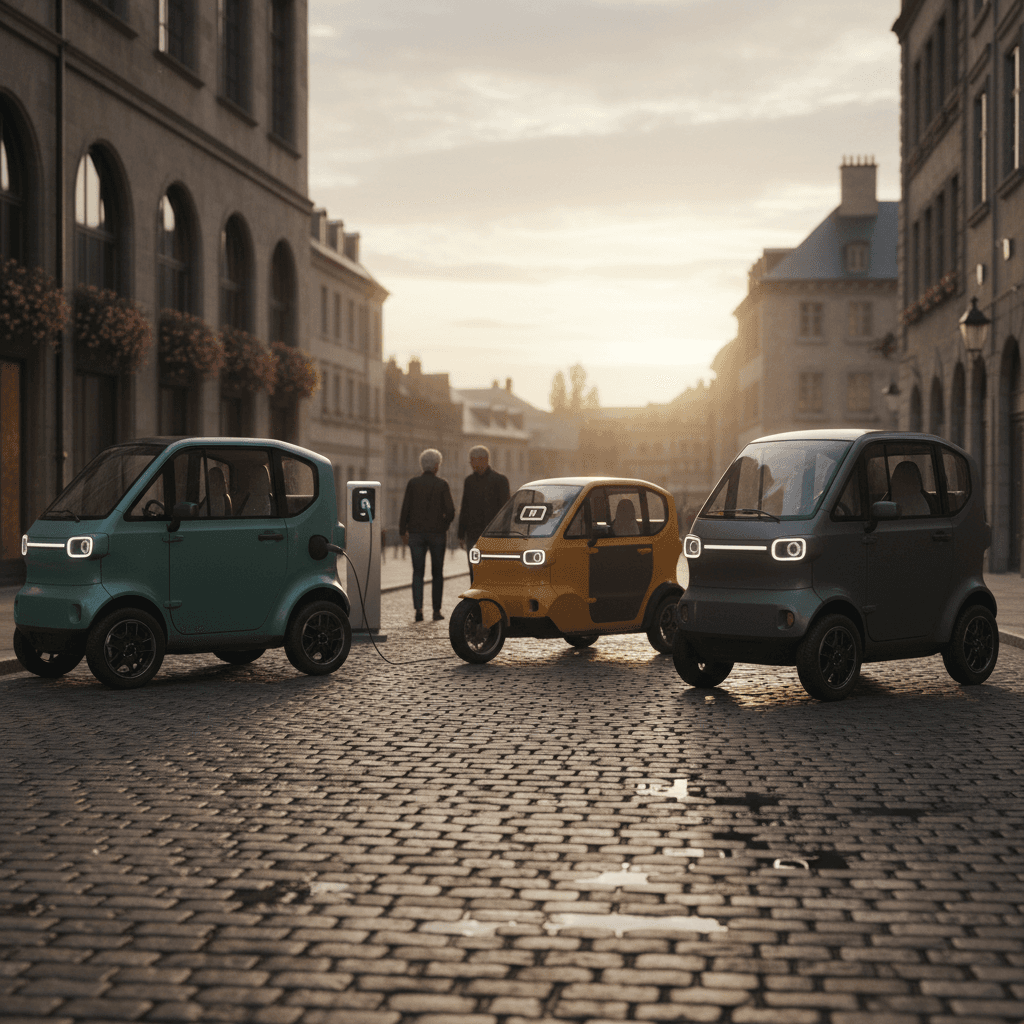
These are the true parking-space heroes, tiny two‑seaters built for dense cities.
- Examples: Smart EQ fortwo (used), older city EVs.
- Pros: Easiest to park, super tight turning circle.
- Cons: Short range, limited safety & cargo, discontinued.
2. Short hatchbacks
Still very small, but with four seats and more usable range.
- Examples: Mini Cooper SE, Fiat 500e (older U.S. version), Nissan Leaf (short overall but tall).
- Pros: Real back seat (for short trips), better crash structure.
- Cons: Slightly larger footprint, still modest cargo.
3. Compact crossovers
The “new small car” in the U.S., shorter than many sedans, but more versatile.
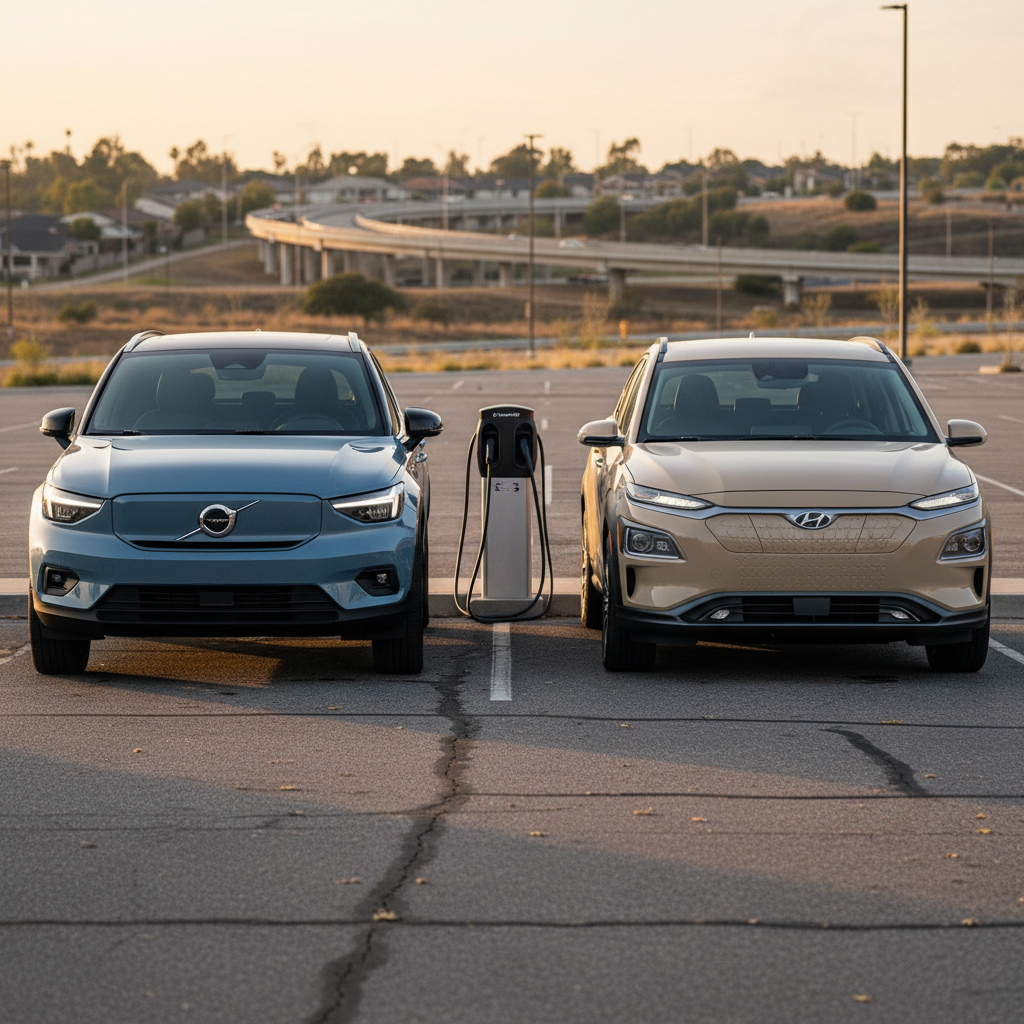
- Examples: Hyundai Kona Electric, Chevy Bolt EUV, Kia Niro EV.
- Pros: More range, easier access, more comfortable ride.
- Cons: Not micro, just small; usually higher price.
Discontinued but tiny: Smart EQ fortwo (used only)
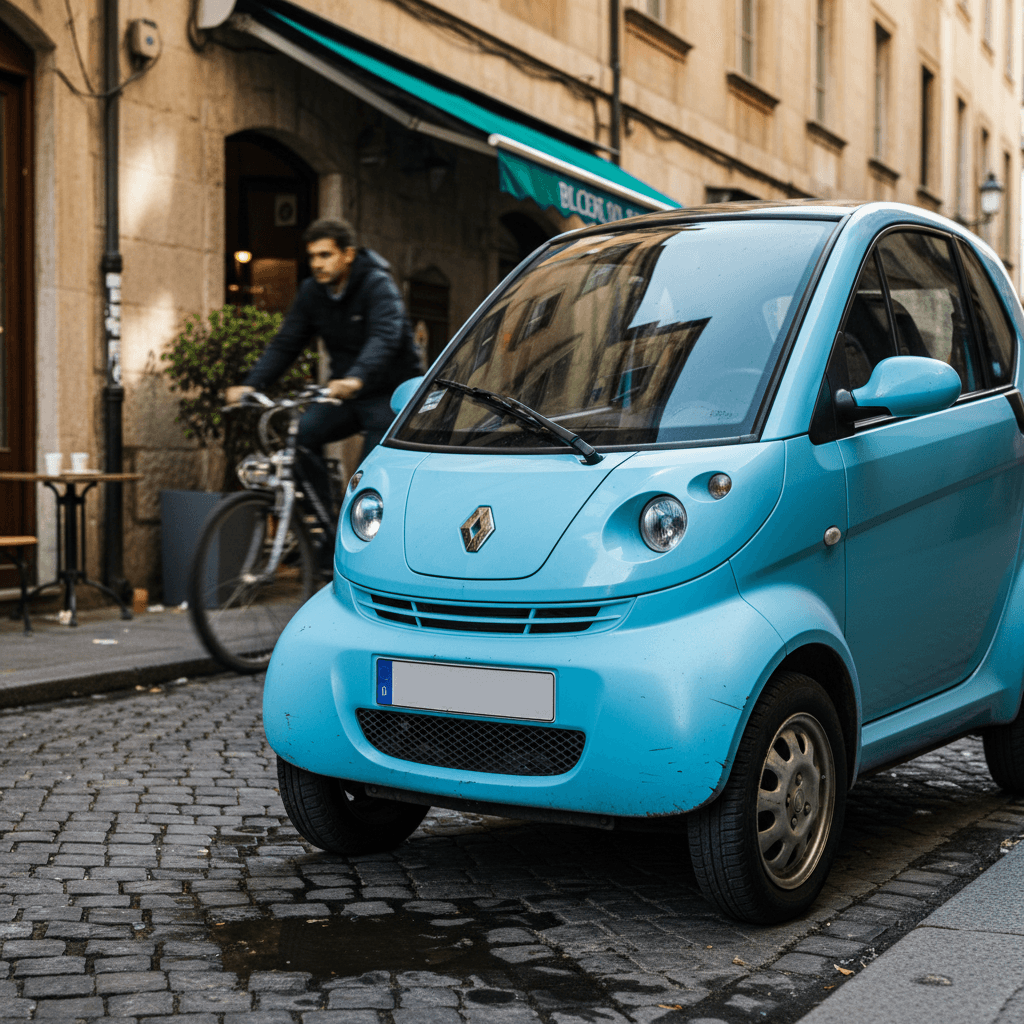
If you’re chasing the absolute smallest electric car ever sold in the USA, the Smart EQ fortwo is still the benchmark. At roughly 106 inches long and about 66 inches wide, it’s more like a parking stub than a car. You get seating for two and a surprisingly usable vertical cargo area behind the seats, but range and safety feel dated by 2025 standards.
- Two seats, rear‑engine, rear‑drive layout.
- Ultra‑short wheelbase makes for quick maneuvering in tight cities.
- Real‑world range was closer to a short‑distance commuter than a road‑trip car.
- Discontinued in the U.S. after the 2019 model year, so you’ll only find it used.
Microcar safety reality check
Modern “smallest” EVs you’re more likely to cross‑shop
For most shoppers, the question isn’t “What is the smallest EV ever?” but rather “What are the smallest electric cars I can realistically live with and find in the U.S. market?” Here are common options that keep overall length down but add range, safety, and comfort.
Representative small electric cars in the U.S.
Approximate dimensions for well‑known small EVs you’re likely to see new or used. All numbers rounded for simplicity.
| Model (EV) | Body style | Approx. length | Approx. width | Seats |
|---|---|---|---|---|
| Smart EQ fortwo (used) | 2‑seat microcar | ~106 in | ~66 in | 2 |
| Mini Cooper SE Hardtop | 2‑door hatchback | ~152 in | ~68 in | 4 |
| Fiat 500e (earlier U.S. model, used) | 2‑door hatchback | ~142 in | ~65 in | 4 |
| Chevrolet Bolt EV | 5‑door hatchback | ~164 in | ~69 in | 5 |
| Hyundai Kona Electric | Subcompact crossover | ~165 in | ~71 in | 5 |
| Kia Niro EV | Compact crossover | ~172 in | ~71 in | 5 |
Dimensions are approximate and can vary slightly by model year and trim.
Don’t obsess over an inch or two
Size vs usable space: what really matters
You can own the absolute smallest electric car in the USA and still be unhappy if the cabin feels cramped or the range is too short. The smart way to shop is to balance external size with internal usability.
Exterior footprint
- Length & width determine how easy it is to squeeze into street spots or tight garages.
- Turning circle matters more than spec sheets suggest, test U‑turns and parking maneuvers.
- Ride height affects how easy it is to see over other cars and spot gaps.
Interior usefulness
- Headroom & legroom dictate whether friends will ride with you twice.
- Fold‑flat rear seats can turn a short EV into a mini cargo van for Costco runs.
- Seat comfort is critical in small cars; narrow, upright seats get old fast.
Test this before you buy
Is a tiny EV right for you? Pros and cons
Small electric cars solve real problems, especially in older cities with tight parking and crowded streets, but they’re not for everyone. Here’s how the trade‑offs tend to shake out.
Pros and cons of the smallest electric cars
Pro: Easier parking and maneuvering
Shorter length and narrower width make parallel parking, alley access, and tight garages less stressful. A micro‑EV can fit where midsize SUVs simply won’t.
Pro: Typically lower purchase price
All else equal, smaller EVs tend to cost less than large ones, especially on the used market. You may also save on tires and some wear items.
Pro: City‑friendly efficiency
In stop‑and‑go traffic, small EVs are in their element. Light weight plus regenerative braking means you waste less energy just moving mass around.
Con: Shorter range and smaller battery
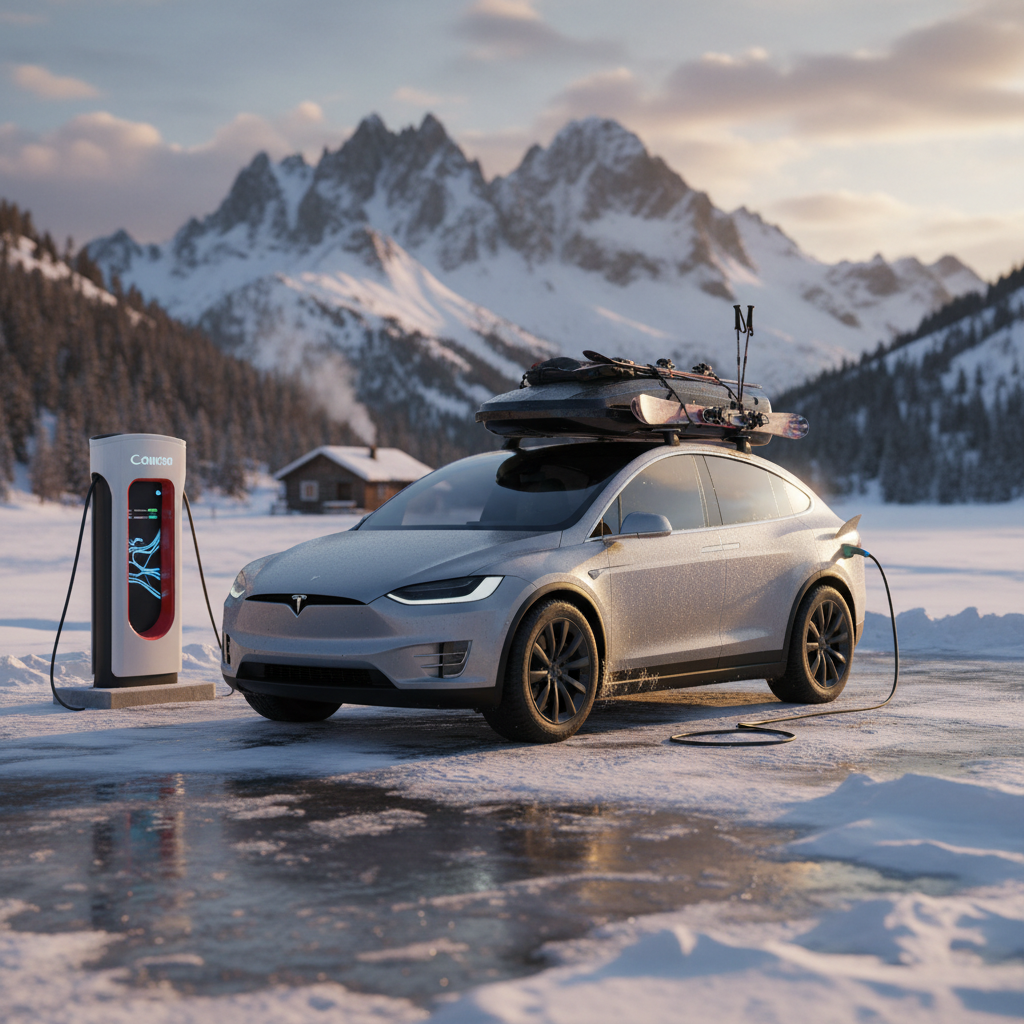
Many of the smallest EVs, especially older ones, have limited range. Factor in winter driving and battery aging; a 90‑mile rating can feel more like 60–70 miles over time.
Con: Less crash protection vs larger vehicles
Modern small EVs are much safer than early microcars, but physics doesn’t change. In a collision with a full‑size truck, a tiny car is at a disadvantage simply due to size and mass.
Con: Limited passenger and cargo space
If you regularly carry adults in the back or haul bulky gear, the smallest EVs can feel compromised. You may be happier in a slightly larger compact crossover.
Who small EVs work best for
Key spec comparison: smallest EVs in the USA
When you’re comparing the smallest electric cars in the U.S., a few specs matter more than others: overall length and width, EPA‑rated range, and how many seats you actually get. Here’s a simplified way to think about it.
How to prioritize specs on a small EV
Start with practicality, not the brochure hero numbers
Range you’ll actually use
Ask yourself how far you normally drive in a day, then add a comfortable buffer.
- Short‑range city EV: okay for 20–40 mile round‑trips.
- Mid‑range compact EV: better if you sometimes do 80–120 miles.
Length, width & visibility
In real life, ease of parking comes from:
- Short overall length.
- Good mirrors and camera angles.
- Glass area and seating position.
Seats and cargo
Plant your feet and shoulders in each seating position.
- Can adults tolerate the back seat?
- Does the cargo floor sit flat?
- Is there room for pets or strollers?
At‑a‑glance comparison: small EV archetypes
Think of these as example templates rather than specific trims, your local inventory will vary.
| Type | Seats | Approx. length | Typical EPA range | Best for |
|---|---|---|---|---|
| Used micro‑EV (Smart‑sized) | 2 | ~106–145 in | ~60–90 mi | Dense city driving, second car |
| Short hatchback EV | 4 | ~150–165 in | ~110–160 mi | Urban/suburban commuters who park tight |
| Compact crossover EV | 5 | ~165–178 in | ~215–260+ mi | Small families, one‑car households |
Numbers are approximate and rounded, but show how range and space grow as the cars get larger.
How Recharged can help you compare
Buying a small used EV: how to avoid regrets
Because the very smallest electric cars in the USA are either discontinued or niche, you’ll probably be shopping the used EV market. That can be a smart financial move, but small EVs amplify the usual used‑car questions: battery health, crash history, and how the previous owner actually used the car.
Essential checklist for a used small EV
1. Check verified battery health
Range is your lifeline in a small EV. Look for an independent battery health report, like the Recharged Score battery diagnostics, so you know how much usable capacity is left.
2. Drive your real‑world route
Don’t just loop the block. If possible, drive a sample of your actual commute or do a mix of city and short highway. You’ll quickly feel whether the car is stable at speed and comfortable in traffic.
3. Inspect for urban wear and tear
Tiny EVs live hard lives in cities: look closely for curb rash on wheels, suspension damage, scrapes on bumpers, and parking‑lot dings.
4. Verify charging history and options
Ask how the car was usually charged. Frequent DC fast charging can stress some packs. Confirm that you’ll have convenient Level 2 charging at home or work.
5. Confirm safety and driver‑assist features
In a small EV, modern safety tech, automatic emergency braking, blind‑spot monitoring, rear cross‑traffic alert, adds real peace of mind. Make sure the exact car you’re buying has them.
6. Make sure the price reflects the compromises
A tiny EV with short range should be priced accordingly. Use resources like the Recharged fair‑market pricing data to make sure you’re not paying compact‑SUV money for microcar usability.
Watch out for bargain micro‑EVs with tired batteries
Financing and total cost of ownership for small EVs
One reason people gravitate to the smallest electric cars is cost. Smaller vehicles often have smaller batteries and fewer luxury features, which can translate into lower prices. But you’ll want to think through total cost of ownership, not just the sticker.
Where you save with a small EV
- Lower purchase price vs larger crossovers or trucks, especially on the used market.
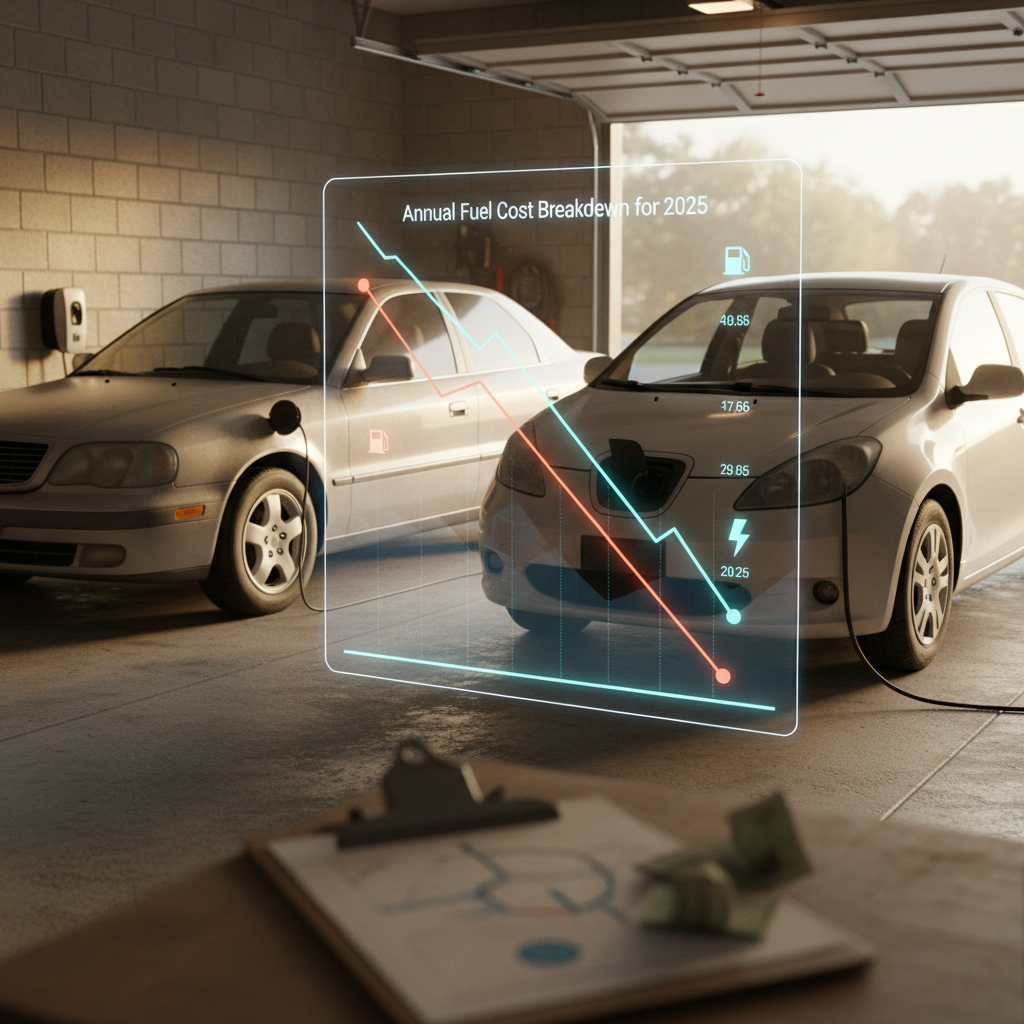
- Cheaper energy – electricity usually undercuts gasoline on a per‑mile basis.
- Less to insure or repair in some cases, thanks to lower values and smaller components.
Where you might spend more
- Battery replacement risk on older, discontinued micro‑EVs with limited support.
- Charging upgrades if you need a 240V outlet installed at home.
- Secondary car costs if range is too short and you end up keeping a gas car as backup.
Using Recharged to smooth out the money side
Ready to find your next EV?
Browse VehiclesFrequently asked questions about the smallest electric cars in the USA
Smallest electric car USA: FAQ
Bottom line: choosing the right small EV
If you’re purely chasing the smallest electric car in the USA, a used micro‑EV like the Smart EQ fortwo will technically win the parking‑space contest. But in 2025, most drivers are better served by a small hatchback or compact crossover EV that trades a few extra inches of length for more range, safety, and comfort. The smartest move is to define your real‑world driving, parking, and budget needs first, then find the smallest EV that covers those bases without pushing you into uncomfortable compromises.
When you’re ready to shop, a transparent used‑EV marketplace like Recharged can help you compare small electric cars side by side, understand battery health, arrange financing or trade‑in, and even deliver the car to your driveway. That way you’re not just buying the smallest EV you can find, you’re buying the smallest one that actually works for the way you live and drive.