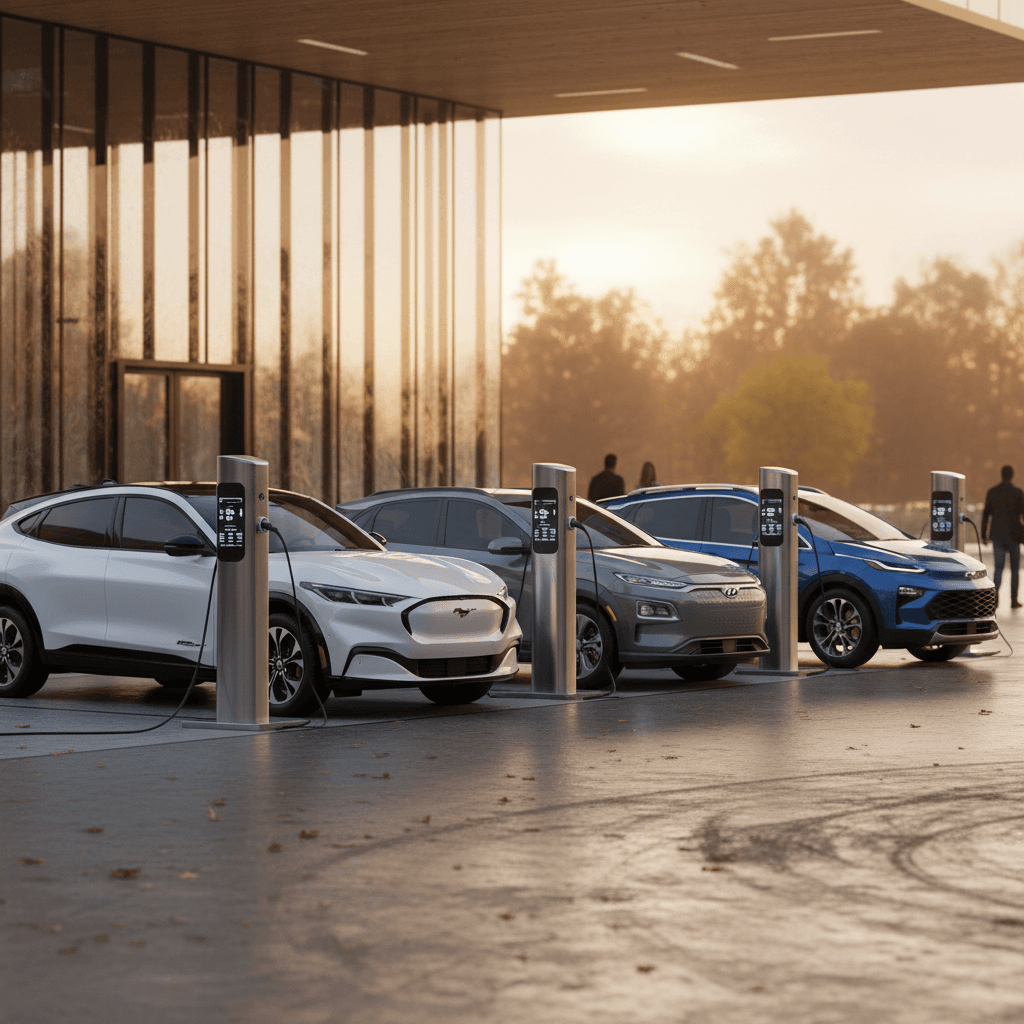
If you want an electric vehicle that’s easy to park, efficient to run, but still big enough for kids, dogs, or weekend gear, a small SUV EV hits the sweet spot. In 2025, compact and subcompact electric SUVs, from the Hyundai Kona Electric and Kia Niro EV to the Volkswagen ID.4 and the new SUV-style Nissan Leaf, are becoming the default choice for many first-time EV buyers.
Quick definition
Why small SUV EVs are exploding in popularity
The small SUV EV sweet spot
Crossovers were already America’s favorite body style before electrification. Electrify that format, slightly higher seating position, hatchback practicality, decent cargo space, and you get a package that feels familiar but future‑proof. For many shoppers, a small SUV EV is the easiest way to go electric without feeling like they’re making a sacrifice.
Who small SUV EVs fit best
What actually counts as a “small SUV” EV?
Subcompact electric SUVs
Think of these as city‑friendly crossovers, easy to park, lighter, and usually more efficient but a bit tighter inside.
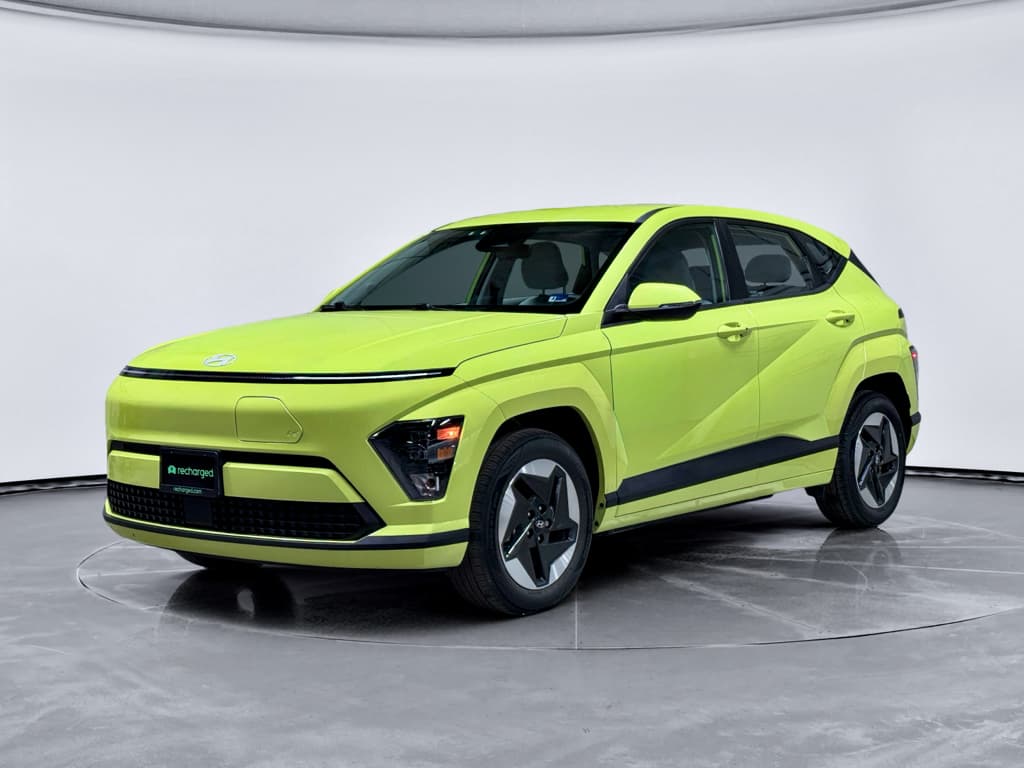
- Hyundai Kona Electric – One of the smallest, but surprisingly roomy inside.
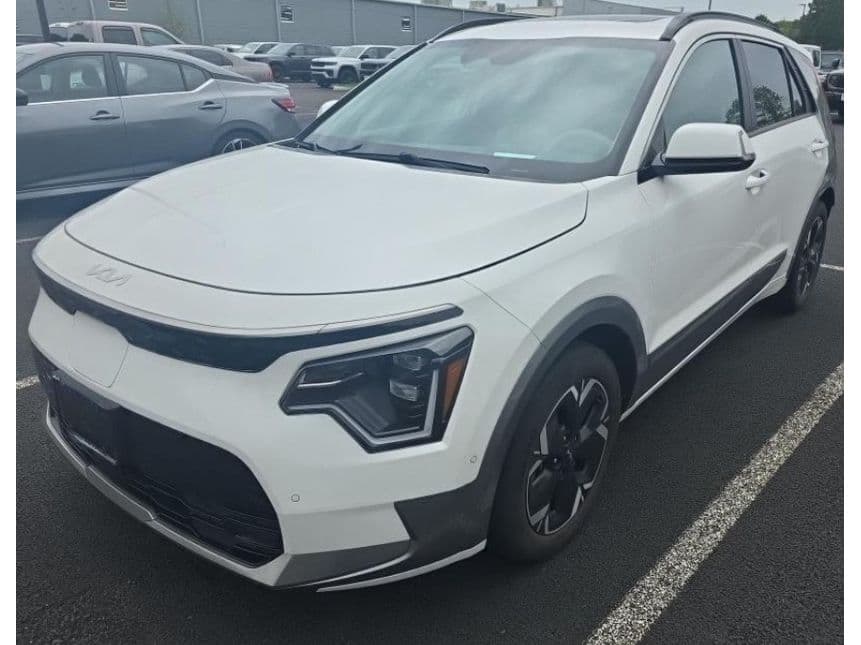
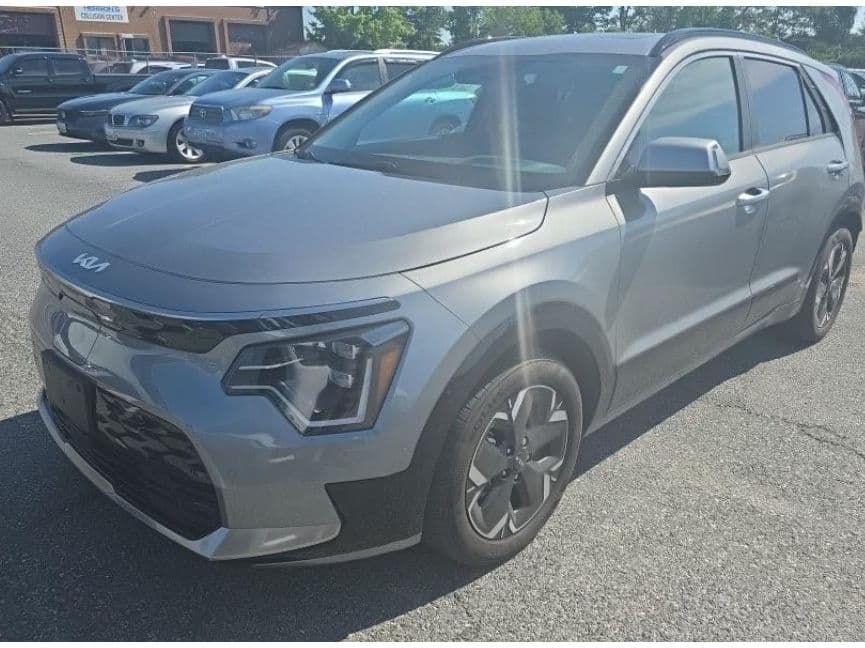
- Kia Niro EV – Officially a subcompact, but feels close to compact inside.
- European & international models like Renault 4 E‑Tech or Leapmotor A10 slot here, though they’re not core U.S. options.
Compact electric SUVs
Slightly larger, with more rear legroom and cargo space. Great if you regularly carry passengers.
- Volkswagen ID.4 – A benchmark for affordable compact EV SUVs.
- Nissan Ariya – Stylish compact, more premium feel.
- 2026 Nissan Leaf (SUV-style) – The long‑running Leaf is evolving into a small SUV shape.
For this guide, we treat both subcompact and compact EV crossovers as part of the small SUV EV universe.
Don’t obsess over labels
Top small SUV EVs for 2025 at a glance
You’ll see dozens of nameplates in reviews, but the same core small SUV EVs keep showing up. Here’s a simplified snapshot of key players you’re likely to encounter, especially in the U.S. new and used market.
Representative small SUV EVs (U.S.-focused)
Approximate specs for illustrative comparison. Always check exact trim, battery, and EPA figures for the specific vehicle you’re considering, especially on the used market.
| Model | Class | Approx. EPA range | Drive type options | Notable strengths |
|---|---|---|---|---|
| Hyundai Kona Electric (2024+) | Subcompact SUV | Up to ~261 mi | FWD | Excellent efficiency, strong value, generous warranty. |
| Kia Niro EV (2025) | Subcompact SUV | Around mid‑200s mi | FWD | Spacious for its size, good cargo space, lots of standard features. |
| Volkswagen ID.4 (2024+) | Compact SUV | Up to ~291 mi | RWD / AWD | Roomy cabin, comfortable ride, now often aggressively priced used. |
| Nissan Ariya | Compact SUV | Up to ~304 mi | FWD / AWD | Premium feel, quiet ride, good range in upper trims. |
| Subaru Solterra / Toyota bZ4X (updated) | Compact SUV | Mid‑200s mi | AWD | Standard AWD (Solterra), improved range & NACS charging on newer models. |
| 2026 Nissan Leaf SUV | Small SUV | ~200+ mi (est. by trim) | FWD | Budget‑friendly small SUV EV, redesigned from hatchback roots. |
Representative small SUV EVs with a mix of subcompact and compact models.
What about premium brands?
Space & practicality: Cargo, rear seats, and comfort
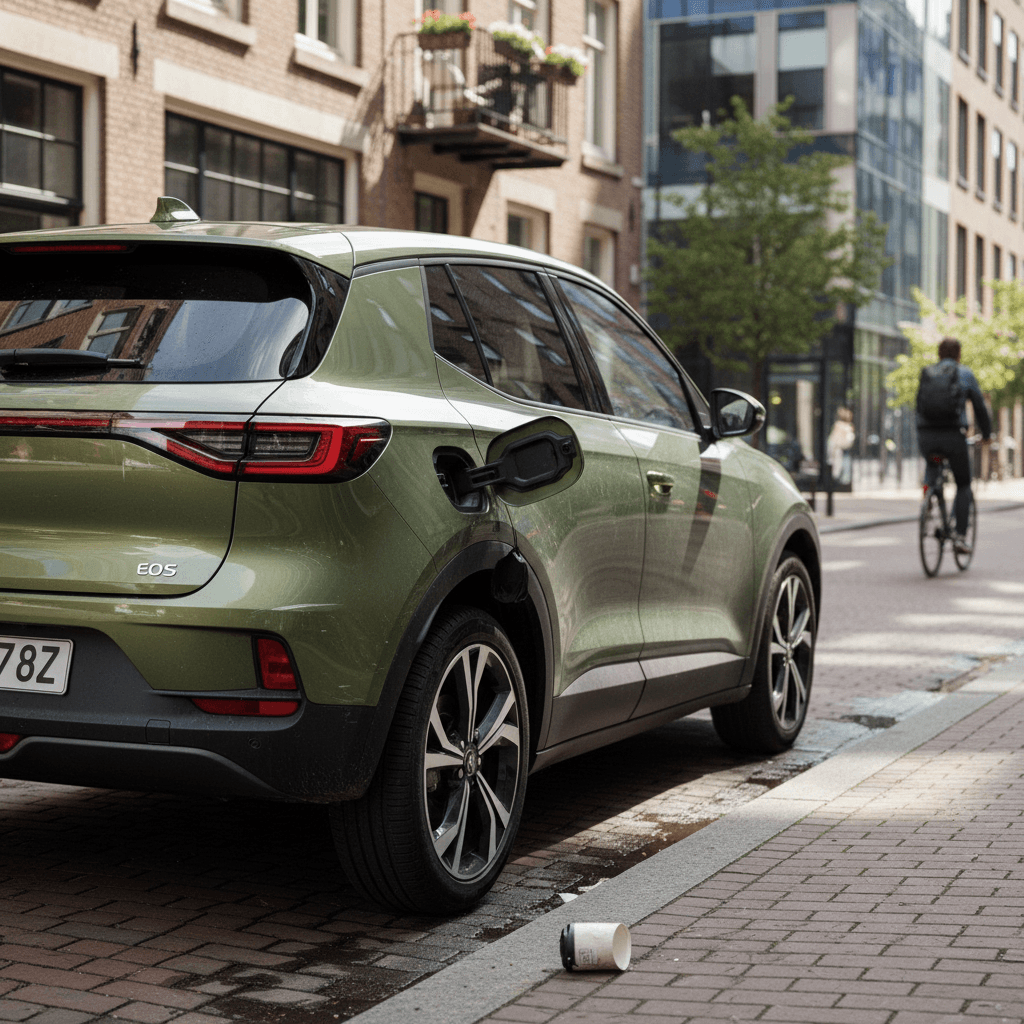
One of the surprises when you start crawling through spec sheets is how much space some of the smallest electric SUVs actually offer. For example, the Hyundai Kona Electric and Kia Niro EV top rankings for subcompact electric SUV cargo volume when you fold the rear seats, each offering roughly 63.7 cubic feet of maximum cargo space, numbers that rival or beat some larger gas crossovers.
- Cargo volume matters: If you do a lot of IKEA runs, camping trips, or dog‑hauling, compare maximum cargo volume with seats folded as well as with seats up.
- Rear legroom: Subcompact EV SUVs like Kona Electric and Niro EV offer mid‑30‑inch rear legroom figures. This is fine for kids and adults on short trips, but tight for tall passengers on cross‑country drives.
- Cabin layout: Flat floors (thanks to battery skateboard platforms) can make middle rear seats more usable than in gas crossovers.
- Roofline: Coupe‑style small SUV EVs look sleek, but that sloping roof can eat into rear headroom and cargo height.
Test-fit your real life
Range and charging: How far can small SUV EVs really go?
Range anxiety has been the biggest psychological barrier to EV adoption, but small SUV EVs have quietly crossed the threshold where daily usability is a non‑issue for most people. Many mainstream small SUVs now post EPA ranges from the mid‑200s to around 300 miles if you choose the larger battery.
Range reality for small SUV EVs
What numbers mean in day‑to‑day use
Daily driving
For typical U.S. commutes (under 40 miles per day), even a "short‑range" small SUV EV with 200 miles of rated range is overkill. You’ll charge once or twice a week at home rather than every night.
Road‑tripping
For long trips, aim for 240+ miles EPA range and DC fast‑charging speeds that can add 150–200 miles in ~30 minutes. Newer ID.4s, Ariyas, and updated Solterra/bZ4X trims are much better here than early EVs.
Charging networks
Newer small SUV EVs are increasingly adopting the NACS (Tesla) connector or shipping with adapters, opening up access to the Supercharger network alongside CCS fast chargers.
Cold weather reality check
New vs. used small SUV EV: Where the value is now
The small SUV EV segment is where the used market is finally getting interesting. Early examples of the VW ID.4, Hyundai Kona Electric, Kia Niro EV, and Nissan’s first‑gen Leaf‑based crossovers are now rolling off lease, and many buyers are surprised at how affordable they’ve become relative to new models.
Pros of buying new
- Latest tech & charging: Better DC fast‑charging, NACS support, and improved driver‑assistance systems.
- Full warranty: Peace of mind on both car and battery, often 8 years/100k miles for the pack.
- Incentives: Depending on where you live, you may qualify for federal or state EV incentives that effectively lower the price.
Great if you intend to keep the vehicle for many years and want the most future‑proof tech.
Pros of buying used
- Massive depreciation: Early EV buyers have absorbed the steepest drop, so you can often get a lightly used small SUV EV for the price of a new compact gas crossover.
- Real‑world track record: You can read owner experiences on efficiency, reliability, and common issues.
- Lower monthly payment: Used prices plus competitive EV financing can make the numbers surprisingly friendly.
The key is verifying battery health, which is where Recharged focuses its inspection and scoring.
Where Recharged fits in
Ready to find your next EV?
Browse VehiclesBattery health: The single most important used-EV metric
With gas cars, you worry about timing belts, transmission fluid, and rust. With used small SUV EVs, your first question should be: how healthy is the battery? A Kona Electric that’s lost 8% of capacity feels very different from one that’s lost 20%, even if they’re the same model year.
What affects small SUV EV battery health?
And what you should look for in a report
Climate & use
Hot climates, frequent DC fast‑charging, and lots of high‑speed driving can accelerate degradation. Garage‑kept, gently driven small SUVs often have healthier packs.
Age & mileage
Most modern packs handle time and mileage far better than early EVs, but a 7‑year‑old small SUV EV with 120k miles should be scrutinized differently than a 3‑year‑old one with 25k miles.
Diagnostics
Look for quantified state of health (SoH), pack balance, and error codes, not just the in‑car battery bars. That’s what the Recharged Score battery diagnostics are designed to surface.
Why you shouldn’t buy blind
How to choose the right small SUV EV for your life
7-step checklist for picking a small SUV EV
1. Define your daily mileage
Add up your typical weekday driving plus errands. If you’re under ~60 miles a day, nearly any modern small SUV EV’s range is viable. If you frequently drive 150+ miles in a day, prioritize higher‑range trims.
2. Decide who sits in the back
If you have teens or regularly carry adults, sit in the rear seats of contenders like Kona Electric, Niro EV, and ID.4 back‑to‑back. Rear legroom and headroom can differ more than you’d expect.
3. Measure your cargo needs
Compare cargo volume with seats up and down. If you haul bikes, camping gear, or a big stroller, verify that it fits behind the rear seats, not just with them folded.
4. Check home charging options
Can you install a 240V Level 2 charger, or will you rely on a 120V outlet and public charging? Home Level 2 makes living with a small SUV EV dramatically easier and cheaper.
5. Look at charging ports & adapters
On newer small SUV EVs, NACS ports or included Tesla Supercharger adapters are a big plus. For older CCS‑only models, confirm which fast‑charging networks are strong in your area.
6. Prioritize safety & driver aids
Look for standard automatic emergency braking, blind‑spot monitoring, and decent crash‑test scores. Many small SUV EVs bundle these into reasonably priced packages.
7. Use a structured comparison
Create a simple spreadsheet for your short list, range, cargo volume, rear legroom, warranty, charging speed, and price. Seeing the numbers side‑by‑side beats relying on vague impressions.
Financing, incentives, and total cost of ownership
Even if the sticker price on a small SUV EV looks higher than a comparable gas model, the monthly reality can be different once you factor in fuel savings, lower maintenance, and available incentives. The math can get counter‑intuitive, which is why it’s important to look beyond MSRP.
Where small SUV EVs save you money
Beyond the window sticker
Fuel savings
Electricity is typically far cheaper per mile than gasoline. A small SUV EV can easily save you hundreds of dollars a year in fuel alone, depending on your mileage and local rates.
Lower maintenance
No oil changes, fewer moving parts, and far less wear on brakes thanks to regeneration. Over 5–10 years, this adds up, especially if you’d otherwise pay dealer service prices.
Incentives & financing
Depending on your state and income, you may qualify for tax credits or rebates on new or even used EVs. And EV‑friendly lenders can offer competitive rates, especially when paired with verified battery health.
Leverage pre‑qualification
Small SUV EV FAQ
Frequently asked questions about small SUV EVs
Key takeaways before you shop
Small SUV EVs exist at the intersection of practicality, efficiency, and affordability. They’re easier to park than big three‑row rigs, cheaper to run than gas crossovers, and, thanks to a growing used market, more attainable than ever. The trick is to focus less on buzzwords and more on the fundamentals: usable range, charging access, interior space, and especially battery health if you’re buying used.
If you’re ready to explore, start by short‑listing a few models that fit your range and space needs, Hyundai Kona Electric, Kia Niro EV, VW ID.4, Subaru Solterra/Toyota bZ4X, or the new SUV‑style Leaf are all strong starting points. From there, compare real numbers, get pre‑qualified so you know your budget, and insist on transparent battery diagnostics. That’s the path to small SUV EV ownership that feels less like a gamble, and more like the upgrade it should be.