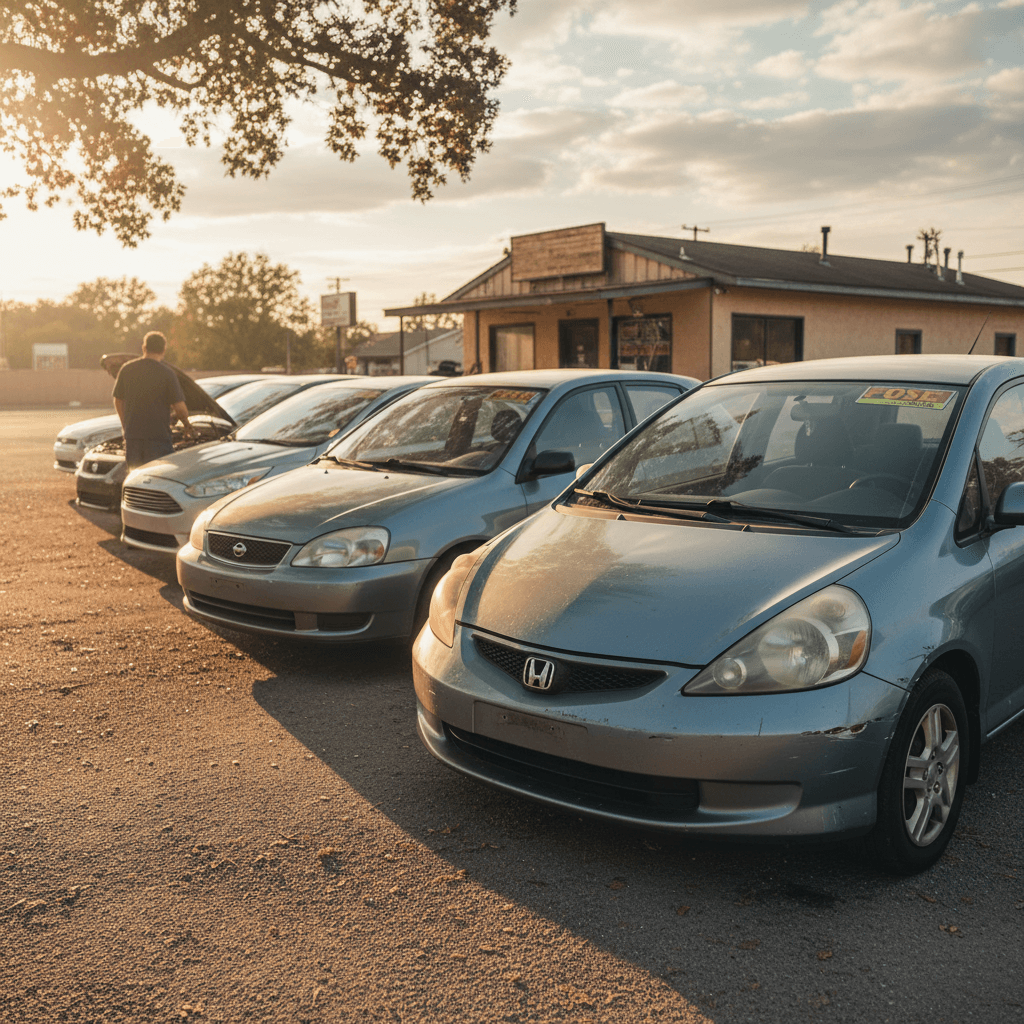
If you’re shopping on a budget, small second hand cars are one of the smartest buys on the road. They’re easy to park, inexpensive to fuel and insure, and, if you choose well, can rack up hundreds of thousands of miles with relatively low running costs. This guide walks you through why small used cars make sense in 2025, which models have the best reputations, and how to shop confidently, including when you’re considering a small used electric car.
Who this guide is for
Why small second hand cars make so much sense
Why buyers flock to small used cars
Compared with bigger sedans and SUVs, small second hand cars typically cost less to buy, run, and maintain. You’re not just saving on the purchase price. You’re also trimming costs on fuel (or electricity), routine maintenance, tires, and insurance. Many of these cars share parts with high‑volume models and have long, proven reliability records, which keeps ownership costs predictable.
For urban and suburban driving, the benefits are practical as well. A small car is easier to squeeze into tight street spaces, U‑turns more easily on narrow roads, and feels less intimidating if you’re a newer driver. And as modern safety regulations have tightened, plenty of compact cars now offer advanced driver-assistance features like automatic emergency braking, blind‑spot monitoring, and lane‑keeping assist, especially on 3‑ to 6‑year‑old examples.
Think about where you actually drive
Pros and cons of choosing a small used car
Advantages of small second hand cars
- Lower purchase price: You can often get into a newer model year or lower mileage when you shop smaller.
- Excellent efficiency: Many small cars deliver fuel economy in the 30s, and small EVs offer low cost per mile.
- Easier parking: Shorter length and tighter turning circles make city life less stressful.
- Lower insurance and tax costs: Insurers often charge less for lower‑value, lower‑power cars.
- Simpler to maintain: Fewer complex features than large luxury vehicles, especially in base trims.
Potential downsides to consider
- Less space: Rear-seat room and cargo capacity can be limited for taller families or frequent road trips.
- Ride comfort: Shorter wheelbases can mean a busier ride on rough highways.
- Perceived safety: Modern small cars can be very safe, but some shoppers simply prefer the feel of a larger vehicle.
- Performance: Many small engines are tuned for economy, not acceleration. Test drive to ensure you’re comfortable merging and passing.
Don’t assume "small" automatically means "unsafe"
What you can expect to pay in 2025
Used-car prices surged during the pandemic and have been easing since, but demand for dependable, efficient small cars remains strong. Broadly speaking, late‑model small second hand cars in the U.S. fall into three price bands:
Typical 2025 price ranges for small used cars
Approximate asking prices for common small second hand cars in the U.S. market, assuming clean titles and average mileage.
| Price band | What you’ll usually find | Notes |
|---|---|---|
| Under $10,000 | Older compact sedans and hatchbacks (often 8–12 years old) from brands like Chevrolet, Hyundai, Kia, Ford, and Toyota | Best for strict budgets, but pay close attention to rust, maintenance records, and accident history. |
| $10,000–$20,000 | 5–8‑year‑old compact cars and some low‑mileage subcompacts; occasional small EVs with higher miles | Good value sweet spot if you want modern safety and tech without new‑car prices. |
| $20,000–$30,000 | 1–5‑year‑old small cars, including well‑equipped trims and newer small EVs | If you can stretch here, you’ll often get remaining warranty coverage and the latest safety features. |
Real pricing will vary by region, mileage, trim, and condition. Always cross‑check against local listings.
Reliability vs. age
Most reliable small second hand cars
When you’re buying used, the name of the game is picking a car with a strong record of going the distance. Analyses of millions of vehicles and recent reliability surveys consistently put Japanese brands like Honda, Toyota, Mazda, and Subaru near the top of the charts for used-car dependability, with several European and Korean models earning honorable mentions.
Small second hand cars with strong reliability reputations
Specific models you’ll see again and again on reliability shortlists.
Honda Civic & Civic Hatchback
One of the most recommended small cars on the market. Late‑model Civics (sedan and hatchback) routinely appear at the top of reliability rankings and are popular under-$30k used buys.
Why it’s a good bet: Strong engines, comfortable ride, excellent fuel economy, and wide parts availability.
Toyota Corolla & Corolla Hatchback
A staple of the compact world, including hybrid versions. Corollas often earn top spots for reliable small sedans and hatchbacks and hold their value well.
Think about: The hybrid version can slash your fuel costs if you drive a lot.
Mazda3 (sedan & hatchback)
Sportier feel than some rivals with a high-quality interior. Late‑model Mazda3s tend to score well for used reliability and are often priced below equivalent luxury brands.
Best for: Drivers who want a small car that’s actually fun to drive.
Subaru Impreza & WRX
Impreza gives you all‑wheel drive in a compact package, which is rare. Sporty WRX variants also show up on lists of reliable small cars under $35k.
Watch for: Maintenance records are especially important on performance models like WRX.
Volkswagen Golf / GTI
Compact hatchbacks that blend practicality and European road manners. GTI models often appear in “reliable small cars under $35k” rankings.
Note: Maintenance and repairs can be pricier than some Japanese rivals, so budget accordingly.
Kia Forte, Hyundai Elantra, and others
In recent years, small Korean sedans have improved dramatically in quality and offer excellent value, especially for buyers focused on features per dollar.
Smart move: Look for models with good service histories and, ideally, remaining factory warranty.
Shortlist strategy
Small second hand electric cars: worth a look?
If your driving is mostly short trips and commuting, a small second hand electric car can be a terrific fit. Early mass‑market EVs, think compact hatchbacks and small crossovers, often had modest range by today’s standards, and as new EVs with bigger batteries arrived, used prices for those earlier cars softened. That makes them attractive to value‑minded buyers who don’t need 300 miles of range.
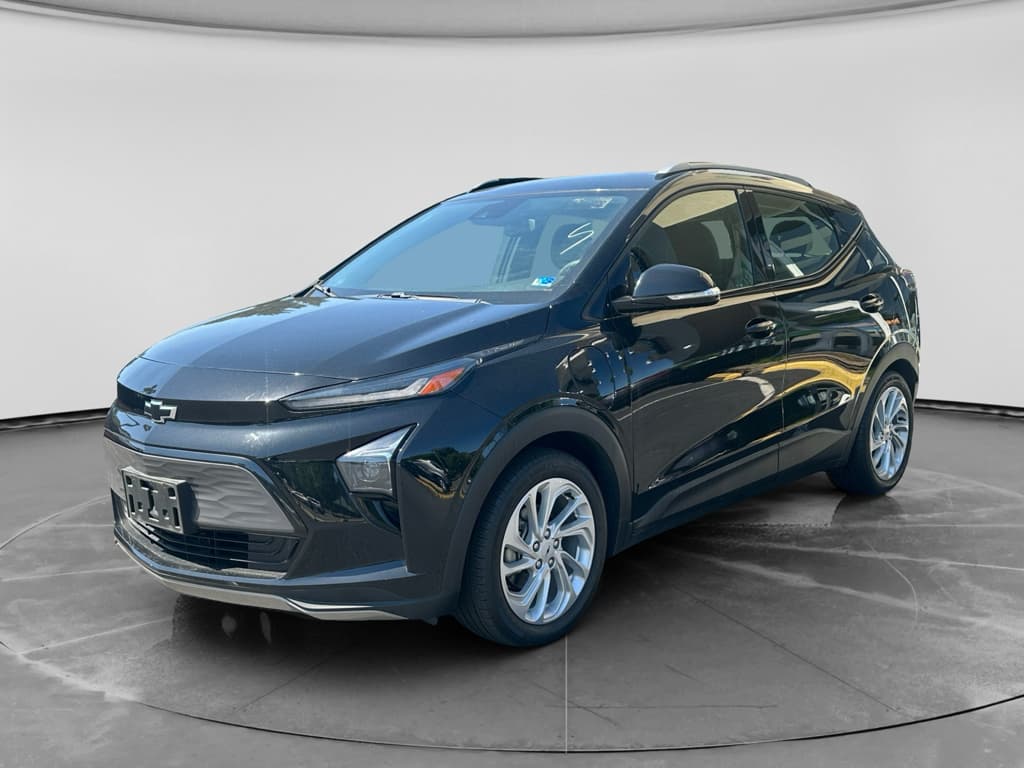
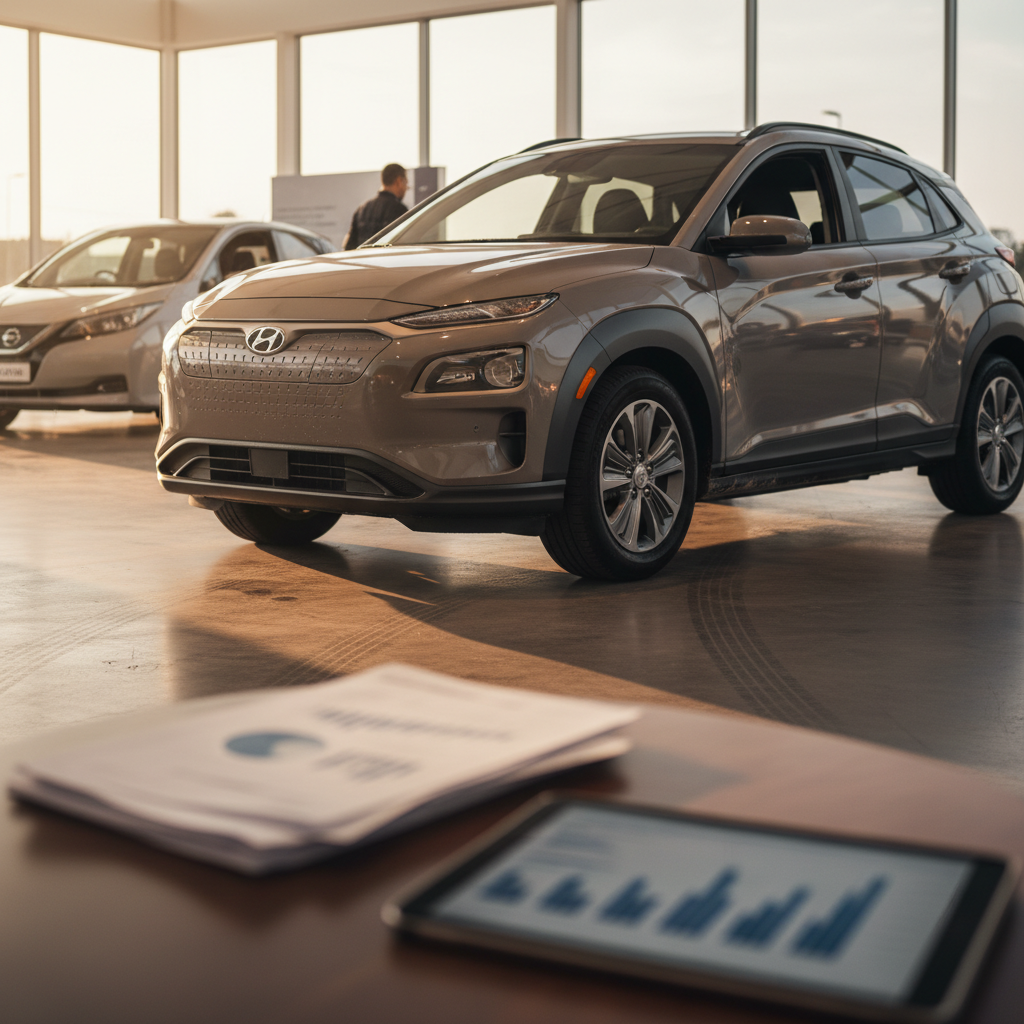
You’ll see models such as the Nissan Leaf, Chevrolet Bolt EV, Hyundai Kona Electric, Fiat 500e, and MINI Cooper SE in used listings. The upside is very low running costs: no oil changes, fewer moving parts, and electricity that’s usually cheaper per mile than gasoline. The trade‑offs are total driving range, charging availability in your area, and, most important, battery condition.
Battery health is everything with used EVs
This is exactly why Recharged created the Recharged Score Report for used EVs. It includes verified battery health diagnostics, so you can see how much usable capacity remains, along with fair‑market pricing and a vehicle history review. If you’re cross‑shopping small second hand cars and thinking about a compact EV, a transparent battery report removes a lot of the guesswork.
How to inspect a small used car before you buy
Quick inspection checklist for small second hand cars
1. Start with the paperwork
Verify the VIN on the car matches the title and any history report. Look for consistent mileage, regular maintenance, and any record of collisions, floods, or salvage branding.
2. Walk around the exterior slowly
Check for mismatched paint, uneven panel gaps, or rust, especially on older cars in snowy climates. Uneven tire wear can indicate alignment issues or suspension damage.
3. Sit in every seat
Make sure the seating position, legroom, and headroom work for you and your passengers. Fold the rear seats and confirm cargo space is adequate for groceries, gear, or strollers.
4. Test every switch and feature
In a small car, every feature matters. Try the windows, locks, infotainment screen, air conditioning, backup camera, and safety alerts. Electronics can be costly to diagnose and fix.
5. Drive on city streets and highway
Listen for clunks, rattles, or whining from the engine or transmission. A small car should track straight, brake confidently, and feel stable at highway speed.
6. Get an independent inspection
Before you buy, especially from a private seller, have a trusted mechanic or EV specialist examine the car. A modest inspection fee can save you from a very expensive mistake.
For EVs, find an EV‑savvy inspector
Financing and insuring small second hand cars
One advantage of small second hand cars is that they generally fit comfortably within more modest budgets. Lower transaction prices mean smaller loans, and that can translate to shorter terms or lower monthly payments. For many shoppers, especially first‑time buyers, that’s more important than buying the biggest vehicle they can technically finance.
Money matters: keeping ownership costs in check
Three levers you can pull to keep a small used car affordable over time.
Right-size your loan
Try to keep your loan term at 60 months or less, even on affordable small cars. Long loans can leave you "upside down", owing more than the car is worth.
Recharged can help you pre‑qualify for financing online with no impact to your credit score, so you know your budget before you shop.
Shop insurance before you sign
Get insurance quotes on a few specific models on your short list. A small turbocharged hot hatch might cost more to insure than a milder compact sedan.
Ask about telematics or low‑mileage discounts if you don’t drive much.
Budget for maintenance
Set aside a monthly amount for maintenance and repairs. Even reliable small cars need tires, brakes, and fluids.
On EVs, routine maintenance is usually lower, but you’ll want to plan around eventual battery care.
What about interest rates?
Dealer vs private seller: which is better?
Buying from a dealer
- Pros: Easier access to financing, trade‑in options, and (in some cases) basic warranty coverage or “certified” programs.
- Pros: Title and paperwork are typically handled for you.
- Cons: Higher prices than private party sales and more potential add‑ons to navigate (extended warranties, extras, etc.).
- Tip: Negotiate on out‑the‑door price, not monthly payment. Keep fees and add‑ons under control.
Buying from a private seller
- Pros: Potentially lower prices, especially on older small cars where dealers don’t want to keep thin‑profit inventory.
- Pros: You can talk directly to the previous owner about how the car was used and maintained.
- Cons: No dealer warranty, no built‑in financing, and you handle the DMV work yourself.
- Tip: Always meet in a safe, public place, verify ID and ownership, and insist on an independent inspection.
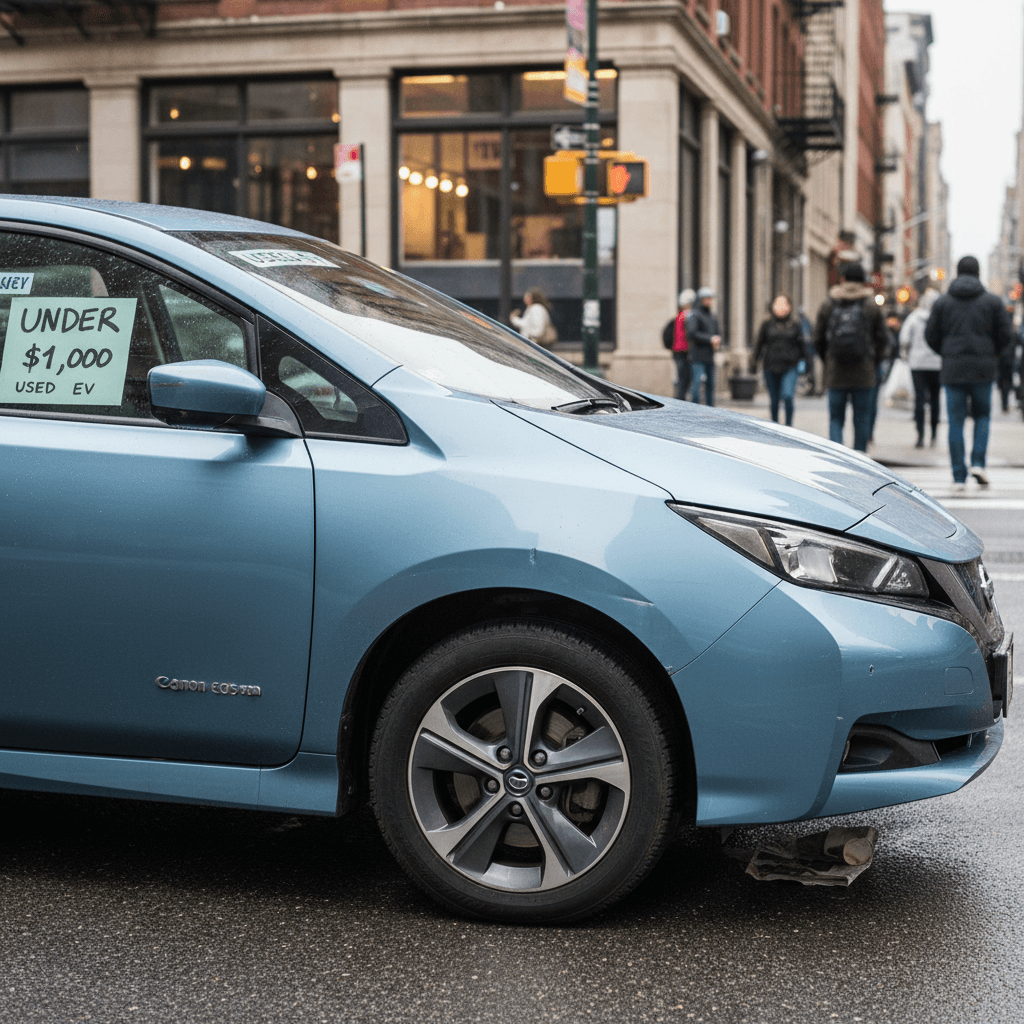
Watch out for "too good to be true" pricing
How Recharged can help with small used EVs
If your shortlist includes small second hand electric cars, for example a compact hatchback or small crossover, Recharged is built for exactly that kind of purchase. The platform focuses on used EVs, pairing each car with a Recharged Score Report that covers verified battery health, pricing against the broader market, and a detailed condition overview.
You can browse inventory, get a firm offer for your trade‑in, and pre‑qualify for financing online, all before you step into a showroom. If you prefer to kick the tires in person, Recharged operates an Experience Center in Richmond, VA, where EV specialists can walk you through options, explain how battery health is assessed, and help you decide whether a small EV or a traditional compact car is a better fit for your needs.
Why this matters for small EVs
Ready to find your next EV?
Browse VehiclesFAQ: small second hand cars
Frequently asked questions about small second hand cars
Small second hand cars remain some of the most rational buys on the market. They stretch your budget, sip fuel or electricity, and, chosen wisely, deliver long, dependable service with a minimum of drama. Decide how much space you truly need, focus on models with solid reliability records, insist on good documentation and a proper inspection, and you’ll dramatically improve your odds of getting a car you can live with for years. And if a small used EV is on your radar, leaning on Recharged’s battery health diagnostics and EV‑specialist support can turn a complicated decision into a confident one.