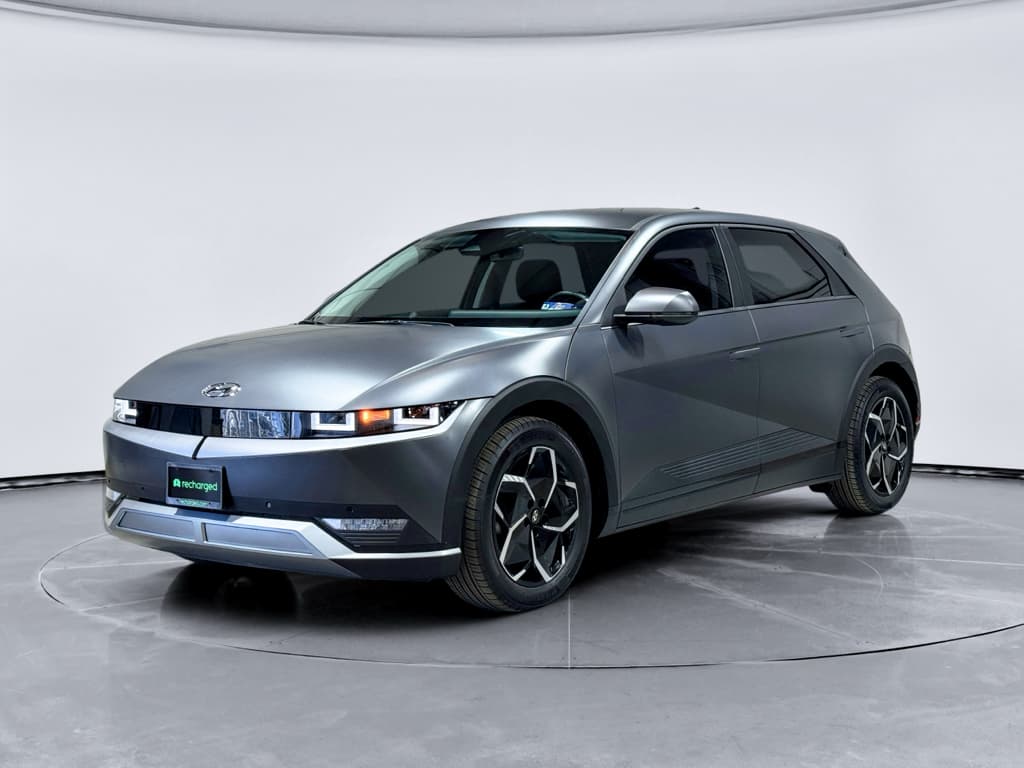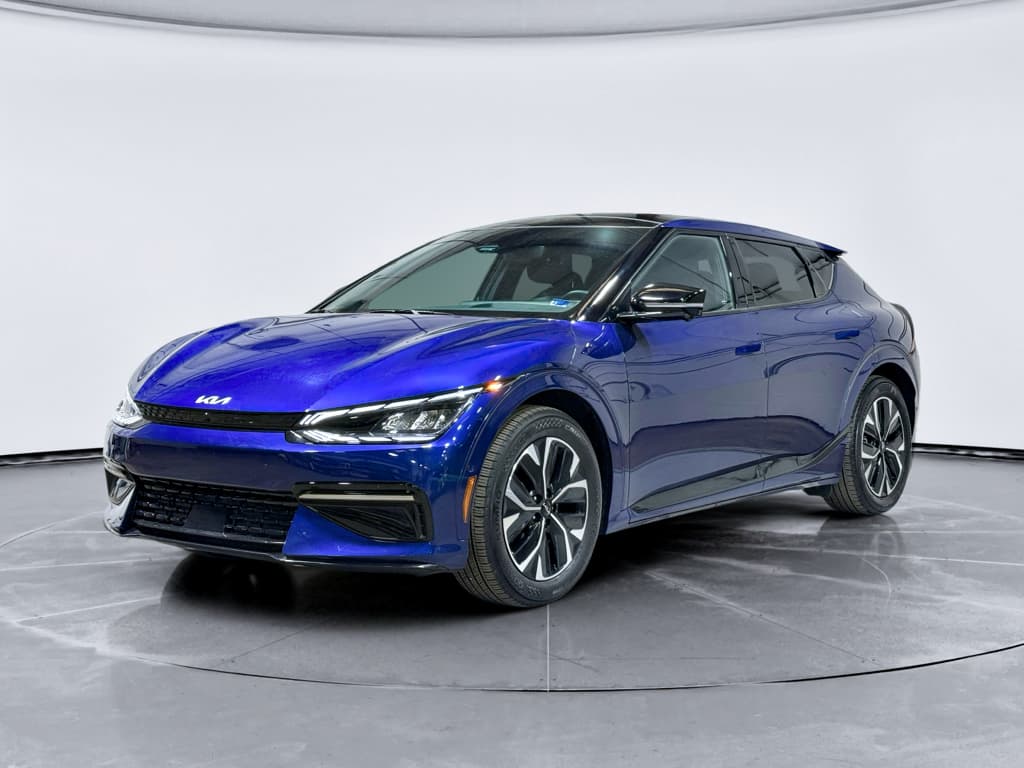
You’re not imagining it: in North Carolina, it feels like every third car is still a pickup, but every week you see another plug-in slipping into the grocery-store charger. If you’re wondering, **“Should I switch to an electric car in North Carolina?”**, the honest answer is: *it depends on how you drive, where you live, and what you buy*, and the details really matter here.
North Carolina in one sentence
Is an EV Right for You in North Carolina?
Before you get lost in acronyms and charging maps, zoom out. Switching to an EV in North Carolina is mostly a question of **three realities**: your daily mileage, your access to charging, and whether the financial trade-offs work in your favor compared with a gas car.
Quick Snapshot: EV Ownership in North Carolina (2026-ish)
So the state giveth, cheaper “fuel,” lower maintenance, growing infrastructure, and the state taketh away, a stiffer registration fee instead of a gas tax. Your job is to decide whether those lines cross in your favor.
How North Carolina Drivers Actually Use Their Cars
Urban & Suburban NC (Triangle, Charlotte, Triad, Wilmington)
- Commutes: 10–35 miles one way, mostly interstate and arterials.
- Charging access: Better public charging density, more workplaces adding Level 2.
- Parking: More garages and driveways, easier to install home charging.
- Ideal EV profile: Daily commuter, families with predictable routines, rideshare drivers.
Small Town & Rural NC
- Commutes: Often 30–60+ miles round-trip, with occasional long highway runs.
- Charging access: Patchier, especially away from interstates and larger towns.
- Parking: More single-family homes (good for home charging), but more miles driven.
- Ideal EV profile: Drivers who mostly do repeatable routes and can charge at home overnight.
Rule of thumb
Total Cost of Owning an EV in North Carolina
North Carolina does not shower you with state-level EV purchase rebates. Instead, the financial argument is **lower operating costs** (electricity + maintenance) weighed against **higher registration fees** and, sometimes, a slightly higher purchase price, unless you go used.
EV vs. Gas: Where the Money Moves Around in NC
Think in categories, not just sticker price.
Fuel vs. Electricity
At recent prices, charging at home in NC often equates to paying roughly $1–$1.50 per gallon in gas terms, depending on your electric rate and when you charge. Public DC fast charging can approach or exceed gas cost per mile, but you’re not using it every day.
Maintenance & Repairs
EVs skip oil changes, exhaust systems, many transmission issues, and a lot of routine service. You’ll still buy tires, cabin filters, brake fluid, but in practice EV owners often see hundreds per year less in upkeep versus a comparable ICE car.
Fees & Insurance
North Carolina makes up for missing gas tax with an additional EV registration fee around $214.50/year. Insurance can be a bit higher on new EVs and lower on some used ones, it’s model-dependent, so you’ll want real quotes.
Very Rough 5‑Year Cost Picture (NC Commuter, 12k Miles/Year)
Illustrative only, your numbers will vary by model, electricity rate, and gas prices.
| Category | New Gas SUV | New Electric SUV | Used Electric SUV (3–4 yrs old) |
|---|---|---|---|
| Purchase price (drive-off) | $32,000 | $38,000 before credits | $24,000 purchased used |
| Fuel / electricity | $9,000 | $3,500–$4,500 | $3,500–$4,500 |
| Maintenance & repairs | $4,000 | $2,000–$2,500 | $2,500–$3,000 |
| Extra NC EV fees (5 yrs) | $0 | ≈$1,000+ | ≈$1,000+ |
| Estimated 5‑yr total | $45,000 | $44,500–$46,000 | $31,000–$33,500 |
Assumes home charging most of the time and a mainstream compact SUV in both gas and electric form.
Where used EVs shine
North Carolina EV Incentives and Utility Programs
Here’s the curveball: as of early 2026, **North Carolina does not offer a statewide EV purchase rebate or income-tax credit.** The state has focused more on attracting factories and infrastructure, Toyota’s massive battery plant near Greensboro, for example, than on direct consumer checks.
- Federal tax credit: Many new EVs still qualify for a federal income-tax credit (up to $7,500), but eligibility depends on where the car is built, battery content, price caps, and your income. Used EVs can qualify for a smaller credit if bought from a dealer and meeting price/income caps.
- State purchase incentives: None at the statewide level right now for buying an EV, but some cities and co‑ops occasionally offer local perks like reduced parking fees or modest rebates.
- Charging equipment incentives: This is where North Carolina does help. Programs from utilities, especially Duke Energy, can offset the cost of getting your home charger installed or offer bill credits for off‑peak charging.
- Higher registration fee: Plan on paying an additional EV registration fee around the low‑$200s each year on top of the standard tag and title costs. Think of it as a pre‑paid gas tax.
Heads‑up on registration fees
Charging an EV in North Carolina: Home, Work, and On the Road

Home charging: the make-or-break factor
If you own your home or have a cooperative landlord, North Carolina is a **very friendly home‑charging state**. Detached homes with driveways or garages are common, electricity is relatively affordable, and utilities are actively rolling out EV programs.
Your Main Home-Charging Paths in North Carolina
From “do nothing” to “fully set up.”
1. Standard outlet (Level 1)
Every EV includes a 120‑volt “trickle” charger. You plug into a regular outlet and get roughly 3–5 miles of range per hour. It works if you drive very little, or you’re topping off a plug‑in hybrid.
2. 240V home charger (Level 2)
A dedicated Level 2 charger on a 240V circuit can add 20–40+ miles of range per hour. For most NC households, this is the sweet spot: plug in when you get home, wake up full.
3. Utility‑supported setup
Programs from utilities like Duke Energy can help with installation costs, rental options, or off‑peak bill credits. In practice, that can shave hundreds off your first‑year setup costs.
Ask your utility first
Public and fast charging
North Carolina is no longer the charging desert it once was. DC fast chargers are spreading along I‑40, I‑85, I‑95, I‑77, and around metro areas; Level 2 stations are showing up at workplaces, universities, hotels, and grocery stores. You still have gaps in very rural stretches, but for Triangle‑to‑Charlotte‑to‑coast life, an EV is no longer a moonshot.
Practical Tips for Using Public Chargers in NC
Download at least two charging apps
Install apps like ChargePoint, Electrify America, or your automaker’s app so you’re not stranded by a single network’s outage.
Test your local DC fast stations early
Take a Sunday drive to your nearest DC fast charger and actually plug in once. Find out how payment works and what speed you get with your specific car.
Don’t treat fast charging like a gas station
Plan to do **80–90% of charging at home or work**. Use fast chargers as road‑trip tools and safety nets, not your daily habit.
Check hotel and workplace options
If you travel across the state, favor hotels with Level 2 chargers. If your employer is adding chargers, that can dramatically improve the EV math for you.
Weather and Terrain: How NC Driving Affects EV Range
If you live in Minnesota, winter can knock an EV’s range down like a prizefighter. North Carolina, by contrast, is kinder. The mild climate means your **real‑world range stays closer to the EPA number** for most of the year, especially in the Piedmont and coastal regions.
Piedmont & Coastal Plain
- Temperatures: Long shoulder seasons, mild winters, hot but manageable summers.
- Range effect: Maybe 5–15% loss on the hottest or coldest days, less the rest of the year if you precondition the cabin while plugged in.
- Terrain: Gentle rolling hills; EVs recapture energy downhill via regen.
Foothills & Mountains
- Temperatures: Cooler, snow and ice a few times each winter.
- Range effect: Uphill climbs burn range quickly; downhill stretches give some of it back. Plan a buffer on mountain trips.
- Charging: Public fast charging exists in key hubs, but gaps appear on back roads.
Range realism
Who Should Switch to an EV in North Carolina?
Great EV Candidates in North Carolina
If you see yourself here, the answer is probably “yes.”
Daily commuter under 60 miles/day
If you do a consistent commute within the metro web, Raleigh to Durham, Concord to Charlotte, Winston‑Salem to Greensboro, and you can charge at home, an EV will feel almost custom‑built for your life.
Homeowner with a driveway or garage
Single‑family home? Off‑street parking? This is where EVs are easiest. You can install Level 2 once, then forget about gas stations for most of your driving life.
Second car in the household
If you keep one vehicle for long trips, say, a crossover or truck, the second car can be pure electric with very little compromise. It handles commuting, kid‑shuttling, and in‑town errands.
Cost‑conscious used‑car shopper
North Carolina’s higher EV registration fee hurts less when you’ve saved thousands up front on a used EV with verified battery health. The math works surprisingly well for 5–10‑year ownership.
Who Should Wait or Consider a Hybrid Instead?
Situations Where an EV May Not Be Ideal, Yet
When caution beats enthusiasm.
Apartment with no charging plan
If you rent and there’s **no outlet near your parking** and no serious talk of installing chargers, your life with a full EV will revolve around public charging. In NC, that can still be more hassle than it’s worth unless you’re unusually motivated.
Long rural routes with sparse chargers
Sales reps, nurses, or contractors doing 200+ miles a day on rural routes may find today’s infrastructure limiting. A plug‑in hybrid can dramatically cut your fuel bill without tying you to DC fast chargers.
Tight credit or uncertain job situation
New EVs still tend to be pricier than basic ICE cars. If your budget is fragile, you may be better off in a reliable, inexpensive gas or hybrid car **until** used EV prices or incentives line up better for you.
Heavy towing, frequent mountain hauling
If your life is 7,000‑lb trailers over mountain passes, today’s EV trucks will technically do it, but with serious range hits and charging stops. You’ll want to run the numbers very carefully or stay ICE/hybrid for now.
The worst‑case scenario
Why Used EVs Make Particular Sense in North Carolina
Here’s where the story shifts in your favor. Because North Carolina doesn’t hand out state purchase rebates, **the cleanest way to win the money game is to let someone else buy new and you buy smart used.** That’s especially true in a state with a growing but still evolving charging network.
- Early‑life battery degradation usually shows up in the first few years; by year 3–5, you can see how the pack is actually aging.
- Off‑lease EVs from larger markets filter into North Carolina with relatively low miles and high tech for the money.
- Insurance is often lower on a used EV than a brand‑new one with the same badge.
- You sidestep a lot of cutting‑edge pricing drama, massive new‑EV price drops, changing federal rules, and instead buy what you can see in front of you.
How Recharged fits in
Ready to find your next EV?
Browse VehiclesHow to Evaluate Your Own Situation, Step by Step
North Carolina EV Decision Checklist
1. Map your real driving for a month
Look at your odometer or use a phone app. What’s your **true daily average** and your longest regular day? If almost everything is under 120–150 miles, most EVs will fit with margin.
2. Be honest about parking and outlets
Do you have reliable off‑street parking? Is there an outlet within safe extension‑cord distance, or a panel that can support a 240V circuit? If not now, could that change during your ownership?
3. Price out home charging
Get a real quote from an electrician for a Level 2 install. Then check your utility for charger rebates, rental programs, or off‑peak bill credits that might soften the blow.
4. Compare a specific EV vs. a specific gas car
Don’t compare “EVs” vs. “gas cars” in the abstract. Compare the **exact models** you’d actually buy, new or used, including taxes, financing, insurance, fuel/electricity, maintenance, and NC’s extra EV fee.
5. Plan your road‑trip pattern
Where do you actually go? Beach? Mountains? Florida? Use PlugShare or your automaker’s planner to see how many fast‑charge stops your normal trips would require, and whether you’re okay with that rhythm.
6. Decide on new vs. used
If you’re payment‑sensitive and plan to keep the car a long time, a **quality used EV with verified battery health** can give you the benefits with less financial risk. That’s exactly the niche companies like Recharged are built around.
FAQs: Should I Switch to an EV in North Carolina?
Frequently Asked Questions for North Carolina Drivers
Bottom Line: Should You Switch?
If you’re a **North Carolina commuter with a driveway and a predictable routine**, the answer is increasingly simple: an electric car will probably make your life quieter, cleaner, and cheaper to fuel, even after you factor in the state’s extra EV registration fee. The charging network is finally catching up, the climate is on your side, and the market for used EVs has never been richer.
If, on the other hand, you’re juggling apartment parking, long rural routes, or a fragile budget, the right move in 2026 might be a **plug‑in hybrid now and a full EV later**, or a carefully chosen used EV backed by real battery data rather than guesswork.
Either way, don’t let the decision be abstract. Run your miles, run your numbers, and look at specific cars, especially on the used market. When you’re ready, you can browse Recharged’s inventory of used EVs with **transparent battery‑health reports, fair‑market pricing, financing, trade‑in options, and nationwide delivery** to North Carolina. The future of driving is electric; the real question is **which year makes sense for you** to plug in.