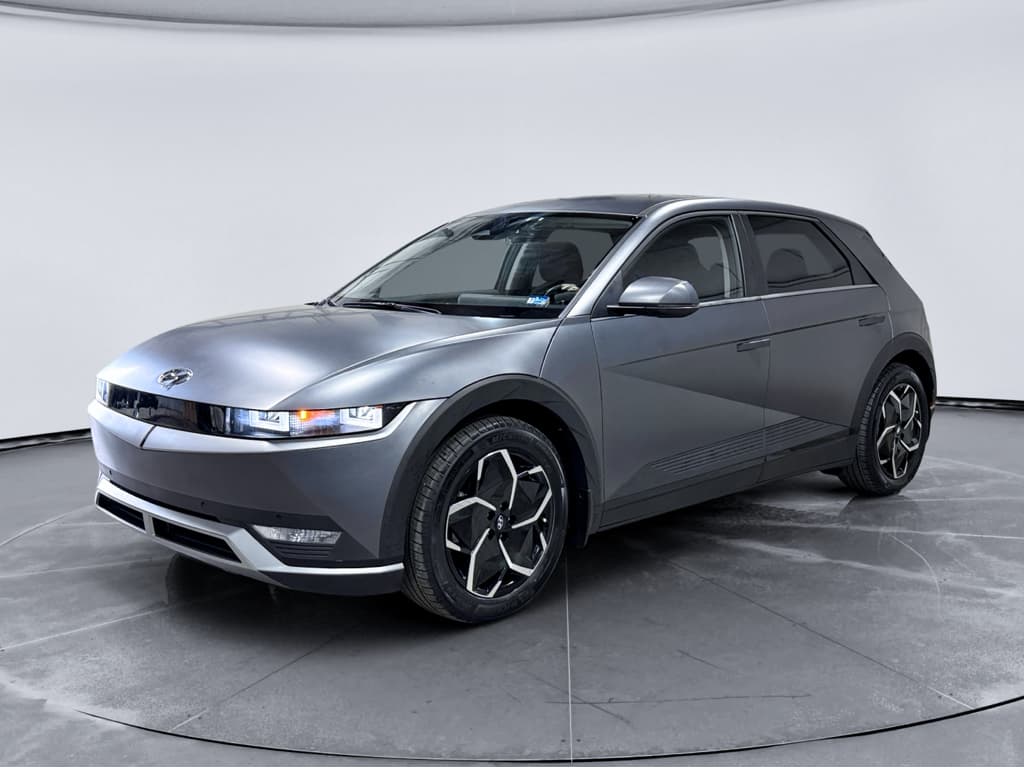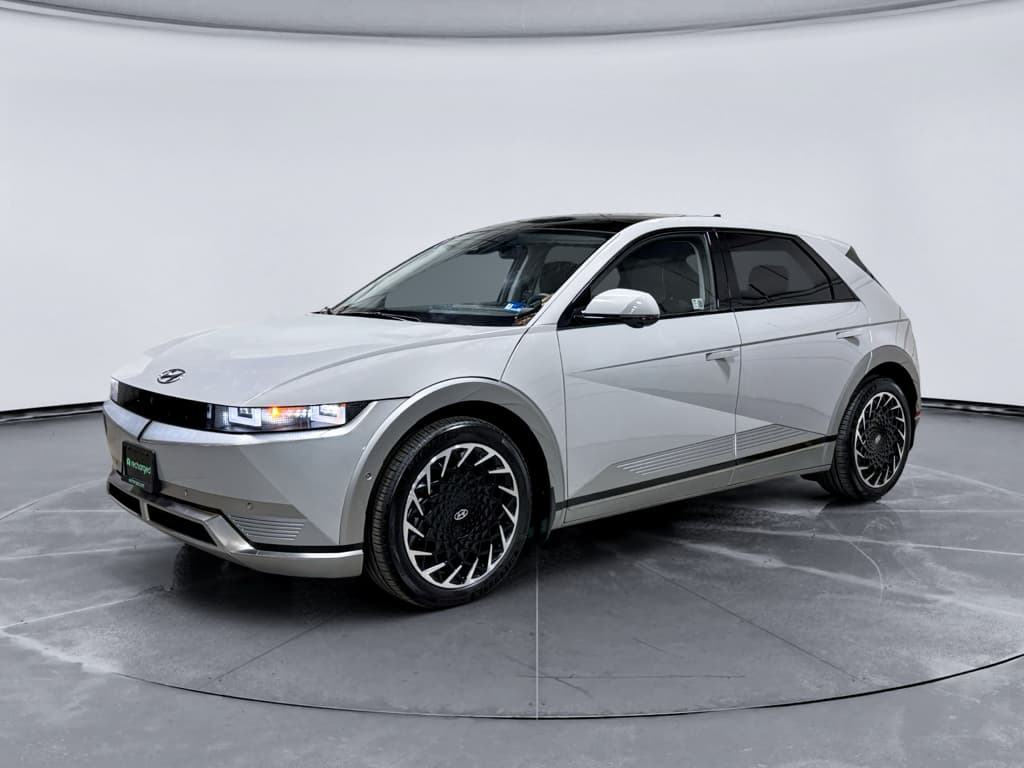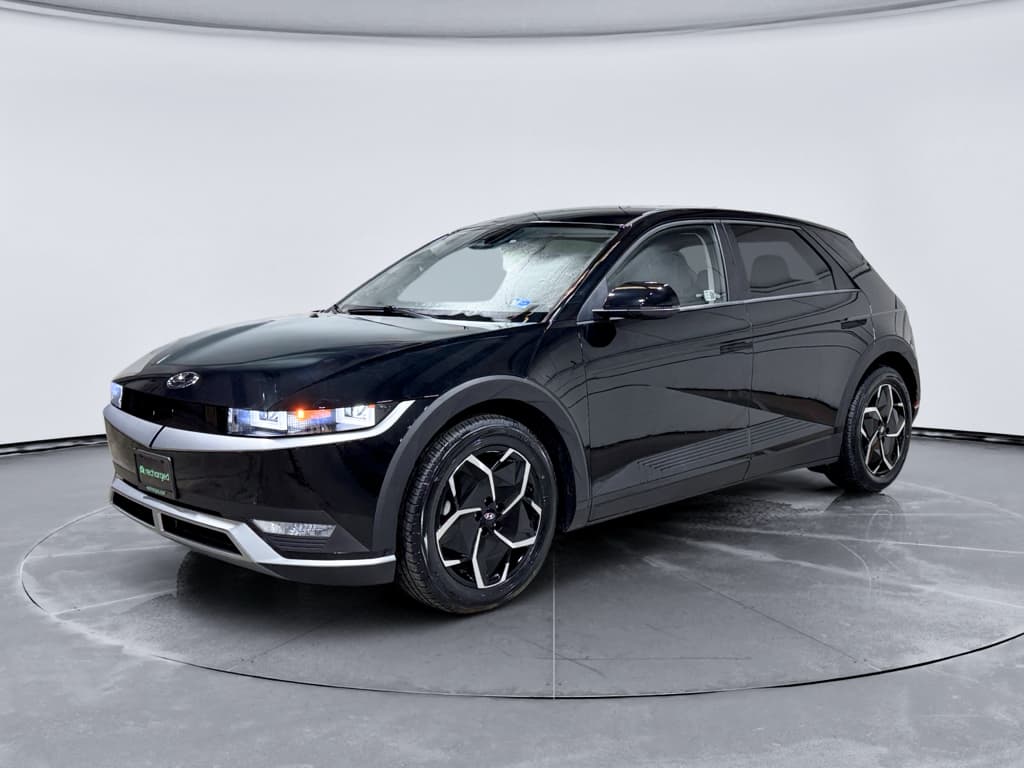
If you’re asking yourself, “what is my Hyundai IONIQ 5 worth right now?”, you’re not alone. Between fast-moving EV prices, shifting incentives, and headlines about big markdowns, it can be hard to know whether you’re sitting on a surprisingly strong asset or an EV that’s quietly lost tens of thousands of dollars on paper.
Short answer: it depends (a lot)
How Much Is My Hyundai IONIQ 5 Worth Today?
Let’s start with a realistic, market‑level view of Hyundai IONIQ 5 values as of early 2026. Exact pricing will depend on your specific car, but current data from major valuation sites and used listings paints a fairly consistent picture.
Hyundai IONIQ 5 Value Snapshot (Early 2026 – U.S.)
Those numbers line up with what owners are seeing: early‑build 2022 IONIQ 5 SE and SEL models with higher miles are often trading in the low‑to‑mid‑$20,000s, while clean, low‑mileage 2024 Limited AWD or special editions can still fetch into the low‑$30,000s and occasionally higher.
Use the numbers as a range, not a promise
Why Has the IONIQ 5 Dropped in Value So Quickly?
If it feels like your IONIQ 5 has lost value faster than an equivalent gas SUV, that’s because it has. EVs as a group have been depreciating faster than comparable gasoline models, and the IONIQ 5 is caught in that broader reset.
- Aggressive new‑car discounting: Hyundai cut 2026 IONIQ 5 pricing by roughly $7,600–$9,800 across most trims, with base SE Standard Range now in the mid‑$30,000s. That instantly drags down used values for earlier model years.
- Incentive whiplash: Changing eligibility for federal and state EV incentives, and Hyundai’s own cash offers, have pushed effective new prices lower, again pressuring used prices.
- Used EV correction: After the 2021–2022 supply crunch, used EV prices overshot. Since then, studies show used EVs giving back that premium, prices have fallen dramatically faster than hybrids and gas cars.
- Rapid tech cycles: Each model‑year brings bigger batteries, faster charging, new driver‑assist features, and more range, making last year’s car feel older, sooner.
Don’t take early‑pandemic comps seriously
Key Factors That Determine Your IONIQ 5’s Value
Every Hyundai IONIQ 5 is not valued the same way. Appraisal algorithms and human buyers are all circling around the same core variables. Understanding them helps you sanity‑check any offer you receive.
What Most Buyers Look At First
These are the levers that really move your IONIQ 5’s price up or down.
1. Model year
Newer model years (2024–2025, and now 2026) are worth more on paper and benefit from updated features. Early 2022 builds face the steepest depreciation because they compete directly with discounted new cars.
2. Mileage & usage
EV shoppers pay close attention to odometer readings. A 20,000‑mile IONIQ 5 can be worth several thousand dollars more than a 60,000‑mile one, even if they’re otherwise similar.
3. Trim & drivetrain
SE Standard Range models sit at the bottom of the value stack; SEL and Limited trims, especially with AWD, usually command stronger resale.
4. Battery health
Unlike gas cars, a big part of an EV’s value is in its pack. Strong state‑of‑health numbers and normal degradation can support a higher resale price.
5. Condition & history
Accident history, paintwork, curb rash, interior wear, and open recalls all show up in valuation tools, and in buyers’ offers.
6. Region & demand
In EV‑dense markets (West Coast, Northeast) there’s more buyer awareness and often higher prices. In regions with weaker charging infrastructure, EVs can lag the national average.
How Recharged handles these factors
Trim, Model Year, and Options: How They Shape Price
Hyundai has already rolled out several model years and trims of the IONIQ 5, and each one lands at a different point in the used‑value curve. Here’s how to think about where yours sits.
Relative Value by IONIQ 5 Trim and Year
Broad positioning of common Hyundai IONIQ 5 configurations in today’s used market. These are relative value tiers, not exact prices.
| Model Year | Typical Trims | Relative Value Tier* | Who Wants It |
|---|---|---|---|
| 2022 | SE, SEL, Limited (RWD/AWD) | $ (lower) | Budget EV shoppers who prioritize price over latest features |
| 2023 | SE, SEL, Limited, Disney Edition | $–$$ | Value‑focused buyers, often cross‑shopping used Tesla Model 3/Y |
| 2024 | SE Standard Range, SE, SEL, Limited, Disney Edition | $$ | Shoppers wanting late‑model tech without new‑car pricing |
| 2025 | Refreshed lineup, similar trim walk | $$–$$$ | Buyers who want near‑new without paying full new‑car depreciation |
| 2026 | New, substantially discounted MSRPs | N/A (new) | Primarily new‑car shoppers; these set the ceiling for what used models can realistically fetch. |
Higher‑spec, newer models tend to hold more value, but deep new‑car discounts are closing the gap.
Think in terms of “distance from new”
Battery Health: The Make-or-Break Factor for EV Value
For gasoline cars, an oil‑change history and a clean Carfax are usually enough to calm buyers’ nerves. For an EV like the IONIQ 5, battery health is just as important as mileage, and traditional appraisal tools barely account for it.
- A healthy IONIQ 5 battery might show only modest capacity loss after several years, enough that owners barely notice in day‑to‑day driving.
- Fast‑charging the pack to 100% constantly, storing it in extreme heat, or regularly running it very low can accelerate degradation.
- Even a perception of poor battery health (for example, unusually low displayed range at full charge) can scare off buyers or knock thousands off your resale price.
Where Recharged is different
Recharged data
Used Hyundai Ioniq 5 battery health
98%
avg remaining capacity
From Recharged battery inspections, not manufacturer estimates.
- Lowest
- 88%
- Median
- 100%
- Highest
- 100%
- Est. range
- 266 mi avg
- Cell balance pass
- 100%
- Quick charges
- 25 avg
- Slow charges
- 74 avg
Average cell imbalance: 2.8 mV
Based on vehicles Recharged tested as of Jul 23, 2026
Recharged data
Used Hyundai Ioniq 5 prices at Recharged
$28,599
median list price
Current list prices for matching inventory at Recharged.
- Lowest
- $25,598
- Average
- $29,448
- Highest
- $34,599
Average Recharged Score on these listings
4.9 / 5
Range
4.8 – 5.0
Based on available listings as of Jul 23, 2026
Ready to find your next EV?
Browse Vehicles
Realistic Price Ranges for Used Hyundai IONIQ 5 Models
Every market is different, but based on current U.S. listing data and valuation tools, here’s a high‑level look at where most used IONIQ 5s actually transact today. These are retail‑side ranges for clean‑title vehicles; trade‑in offers will usually sit several thousand dollars below.
Typical U.S. Retail Asking Ranges – Hyundai IONIQ 5 (Early 2026)
Approximate price bands for common Hyundai IONIQ 5 configurations, assuming clean history and reasonable mileage. Extreme mileage, accidents, or poor battery health can pull values lower; exceptional condition can push them higher.
| Model Year & Trim Group | Approx. Miles | Common Asking Range (Retail) | Notes |
|---|---|---|---|
| 2022 SE / SE Standard Range | 40k–70k | $20,000–$24,000 | Entry‑level trims with higher miles; popular with budget EV shoppers. |
| 2022 SEL / Limited (RWD or AWD) | 30k–60k | $23,000–$27,000 | Mid‑to‑high spec early cars; value depends heavily on options and condition. |
| 2023 SE / SEL (most trims) | 25k–50k | $24,000–$29,000 | Sweet spot for many buyers, modern features without top‑tier pricing. |
| 2023 Limited / Disney Edition | 20k–40k | $27,000–$32,000 | Better‑equipped examples; styling and options can command a premium. |
| 2024 SE Standard Range | 10k–30k | $24,000–$28,000 | Competing directly with discounted new 2026 SE SR models; pricing pressure is highest here. |
| 2024 SEL / Limited / Special Editions | 10k–30k | $27,000–$33,000 | Low‑mileage, well‑optioned examples can still sit in the low‑$30,000s in strong markets. |
Use these ranges as a starting point, then adjust for your car’s miles, battery health, and local demand.
Watch out for “too good to be true” comps
How to Get a Strong Offer for Your IONIQ 5
You can’t control macro‑level EV pricing trends, but you have a lot of influence over where your IONIQ 5 lands within its fair market range. Treat this like you’re selling a house: small, targeted improvements move real money.
Pre‑Sale Checklist to Maximize Your IONIQ 5’s Value
1. Get your paperwork in order
Gather your purchase documents, service records, recall notices, charging equipment receipts, and any warranty repairs. A clear paper trail, especially for software updates and high‑voltage system work, reassures EV buyers.
2. Present a clean car, inside and out
Detail the cabin, address pet hair or smoke smells, fix minor scuffs, and repair obvious wheel rash if it’s affordable. A professionally detailed IONIQ 5 photographs better and reduces haggling over condition.
3. Include the charging equipment
Make sure your factory portable EVSE, any upgraded Level 2 home charger you’re including, and adapters are present and working. Missing charging gear is an easy excuse for buyers to negotiate down.
4. Document range and battery behavior
Before listing, fully charge the car and note the displayed range at 100%, how quickly it discharges in mixed driving, and any fast‑charge quirks. With Recharged, this becomes part of a formal battery health report.
5. Fix inexpensive issues first
Simple items, wiper blades, cabin filter, low‑tread tires, a cracked windshield, can cost you more in reduced offers than they cost to fix outright if you handle them before selling.
6. Photograph intelligently
Shoot the car clean, in good light, from multiple angles including the charge port, wheels, screen, and cargo area. If you’re selling through a marketplace like Recharged, our team will handle professional photography for you.
Think like a buyer, not an owner
Selling Options: Dealer Trade-In, Private Sale, or Recharged
Once you have a sense of what your Hyundai IONIQ 5 is worth, the next question is how to turn that value into money, or into your next EV, with the least amount of friction.
Dealer trade‑in
- Pros: Fast, convenient, easy to roll into your next purchase or lease.
- Cons: Typically the lowest dollar amount; most dealers still treat EVs like gas cars and may undervalue battery health.
- Best for: Owners who prioritize a simple transaction over squeezing out every last dollar.
Private sale
- Pros: Potentially the highest sale price if you find the right EV‑savvy buyer.
- Cons: Time‑consuming, requires advertising, screening buyers, test drives, and handling paperwork and payment risk.
- Best for: Sellers who enjoy DIY and have time to wait for the right offer.
Recharged (instant offer or consignment)
- Pros: EV‑specialist valuations, Recharged Score battery report, nationwide audience, and support from offer through delivery.
- Cons: Not every vehicle or location will qualify for every program.
- Best for: Owners who want better than typical trade‑in economics without taking on the work and risk of a private sale.
How Recharged can help you sell your IONIQ 5
When Is the Right Time to Sell Your IONIQ 5?
Timing the market perfectly is impossible, but there are clear signals that it may be time to move on from your IONIQ 5, or to hang onto it a bit longer.
Signals It Might Be Time to Sell
And a few reasons to wait it out.
Reasons to consider selling now
- New‑car price cuts: Hyundai’s 2026 MSRP reductions put pressure on earlier model years. If further cuts arrive, older IONIQ 5s could drop more.
- Usage mismatch: If your daily driving has shrunk, you may be over‑capitalized in an EV you don’t fully use.
- Warranty clock: Moving the car while it’s clearly within battery and powertrain warranty is attractive to buyers.
Reasons to keep it longer
- You like the car: Depreciation you’ve already taken is a sunk cost; keeping a paid‑off IONIQ 5 can be cheaper than swapping into something newer.
- Mileage is low: If you’re putting very few miles on annually, your car’s condition and battery health may hold value well.
- Charging fits your life: If home charging works smoothly and you’re not chasing new features, the economics of upgrading may not pencil out.
“Depreciation only hurts when you sell. The best way to ‘win’ the EV value game is to buy smart and then keep a car you actually enjoy driving.”
The Hyundai IONIQ 5 has been one of the breakout EVs of the last few years. Yes, market conditions and aggressive new‑car pricing have taken a bite out of early resale values. But if you understand how depreciation, battery health, and selling channels work, you can still unlock a fair price, and put that value to work in your next move, whether that’s another EV or simply a lower monthly payment.
If you’re ready to see what your Hyundai IONIQ 5 is worth, consider getting an EV‑specialist appraisal instead of a generic one. With Recharged, you’ll get fair‑market pricing grounded in real battery diagnostics and transparent condition reporting, plus options to finance your next EV, trade in, or sell with nationwide pickup and delivery.