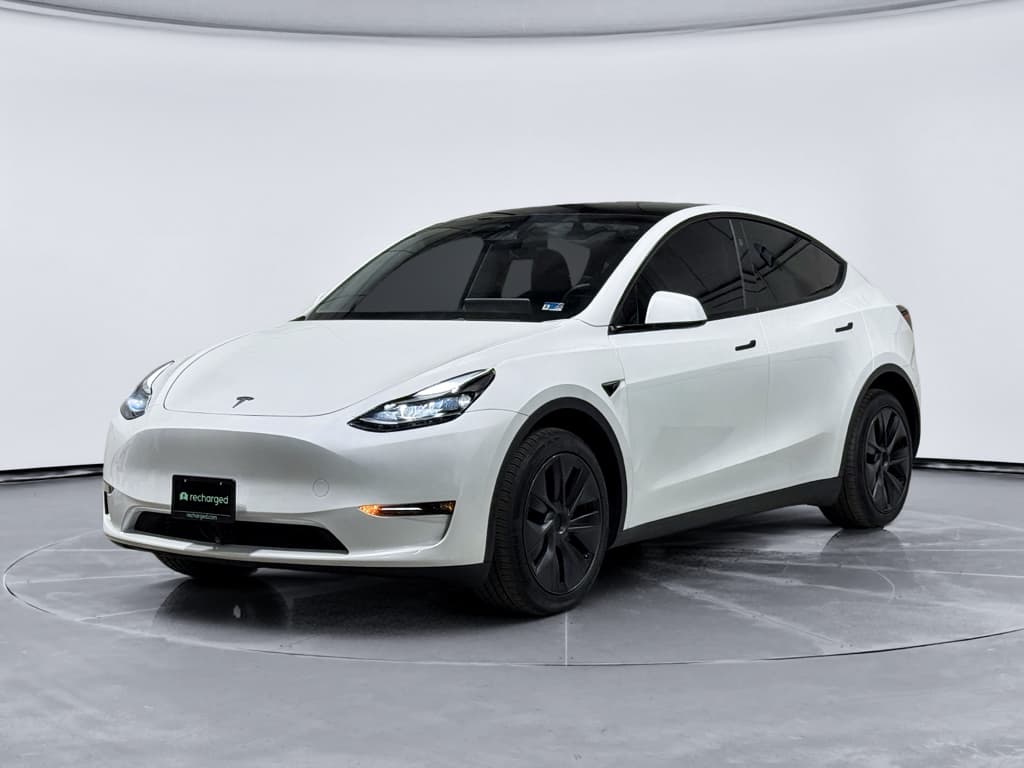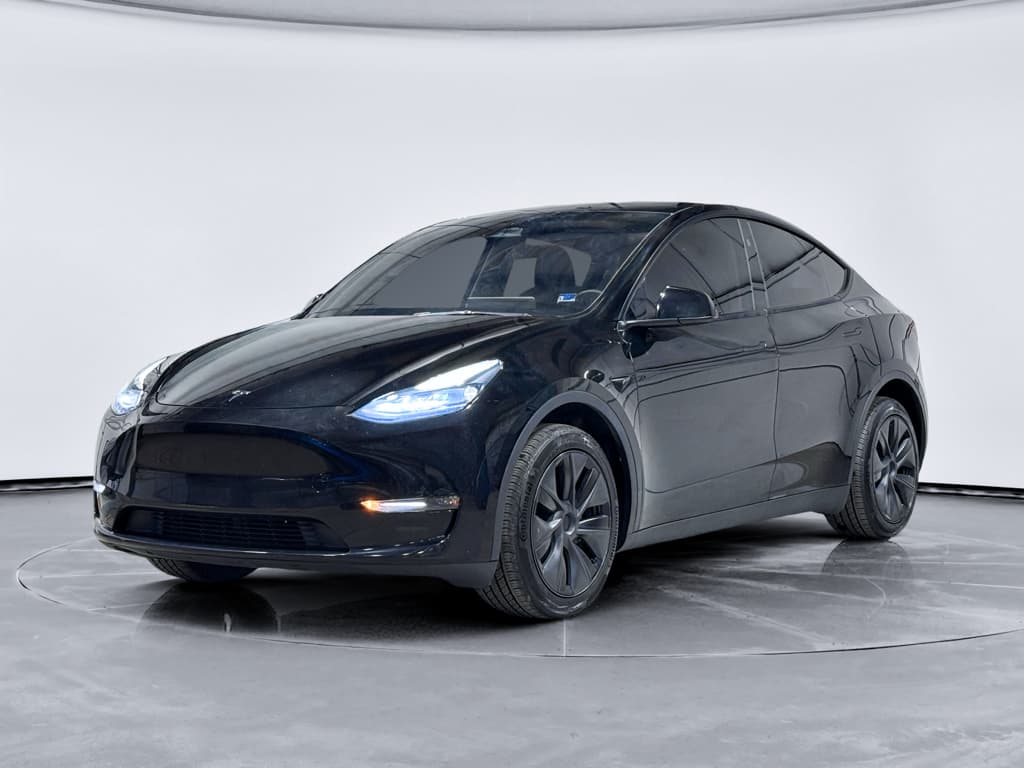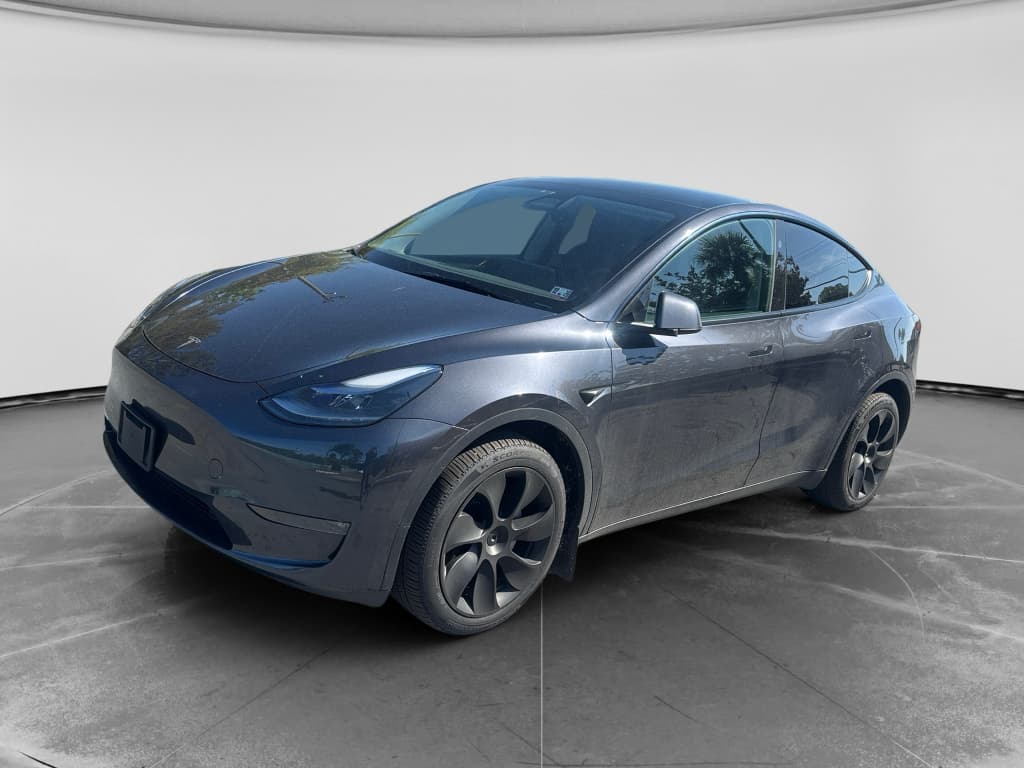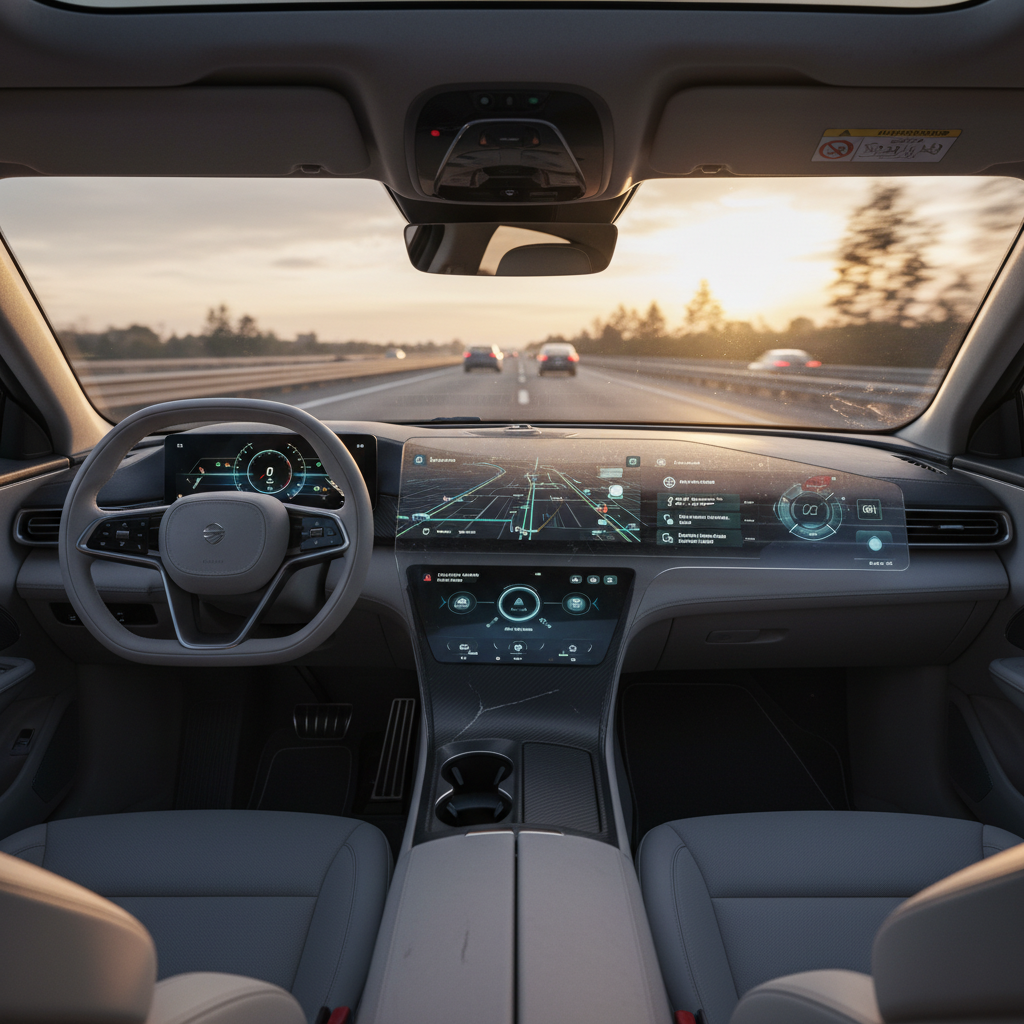
If you’re wondering “should I buy a used Tesla Model Y?”, you’re not alone. The Model Y is the best‑selling EV in the U.S., and as early leases and loans end, used inventory has exploded. That’s created some real deals, but also real risks, around pricing, battery health, and long‑term support. This guide walks you through the trade‑offs so you can decide if a used Model Y fits your budget, driving needs, and comfort with Tesla as a brand in 2026.
Quick take
Is a used Tesla Model Y worth it in 2026?
Used Tesla Model Y snapshot for 2026
In 2025, used Tesla prices fell below the broader used‑car market for the first time as oversupply and brand fatigue kicked in. By early 2026 they’ve started to rebound slightly, but it’s still generally a buyer’s market for used Model Ys compared with a few years ago. That means you’re no longer paying the extreme “Tesla tax” that early used buyers faced, but you should expect faster depreciation than a comparable gas SUV and more volatility than many competing EVs.
Who a used Model Y fits best
Key pros and cons of a used Model Y
Upsides and downsides at a glance
Balance the experience you want with the trade‑offs you can live with.
Pros of buying a used Model Y
- Practical range: Even with some degradation, many used Model Ys still deliver 230–280 miles of real‑world range.
- Fast charging: Native access to Tesla Superchargers makes road trips simpler than in most non‑Tesla EVs.
- Strong performance: Quick acceleration and smooth, quiet driving compared with gas SUVs.
- Simple maintenance: No oil changes, fewer moving parts, and generally lower routine service needs than ICE models.
- Over‑the‑air updates: Software improvements, new features, and bug fixes without visiting a service center.
Cons and risks to consider
- Depreciation swings: Tesla price cuts on new cars can suddenly knock thousands off used values.
- Service experience: Fewer service locations than legacy brands and variable repair wait times in some regions.
- Build quality complaints: Panel gaps, wind noise, and trim issues are still more common than on some competitors.
- Brand volatility: Public sentiment around Tesla and its CEO can affect resale value and your comfort owning the car.
- Feature changes: Hardware and software features change frequently; two Model Ys from the same year can be meaningfully different.
Don’t buy just for the badge
Used Tesla Model Y prices and depreciation
Used Tesla Model Y pricing is moving quickly right now. After steep declines through 2024 and early 2025, recent data shows used Teslas ticking back up a few percent on average, with the Model Y hovering around the high‑$20,000s to low‑$30,000s for 3–4‑year‑old examples. Meanwhile, valuation tools suggest a new‑ish Model Y can lose roughly 25–35% of its value in the first two years and around 60% over five years, depending on trim and mileage.
Illustrative Tesla Model Y depreciation curve
Approximate private‑party resale values for a $50,000 new Model Y Long Range based on recent analyst estimates. Your local market may vary.
| Vehicle age | Estimated value | Approx. depreciation from new |
|---|---|---|
| 1 year | $37,000 | ‑26% |
| 2 years | $31,000 | ‑38% |
| 3 years | $27,000 | ‑46% |
| 4 years | $23,000 | ‑54% |
| 5 years | $20,000 | ‑60% |
Use this as a directional guide, not a price guarantee.
Why depreciation can be your friend
Battery health and range on a used Model Y
The battery pack is the single most important, and most misunderstood, piece of the used‑Model‑Y puzzle. Most owners see around 5–10% capacity loss in the first 50,000–70,000 miles, which usually isn’t noticeable in day‑to‑day driving. A Long Range Model Y that started around 330 miles of EPA range might realistically deliver 280–300 miles when new and 250–270 miles several years later, depending on climate and driving style.
- Heat, frequent DC fast charging, and regular 100% charges are the biggest long‑term battery stressors.
- Cold climates temporarily reduce range but don’t necessarily destroy the battery if the car is pre‑conditioned and charged regularly.
- Tesla’s software estimates range; small changes after a software update don’t always mean real degradation.
How to actually gauge battery health
What warranty do you get on a used Model Y?
Tesla’s new‑vehicle warranty follows the car, not the original owner, which is good news if you’re shopping used. For most Model Ys sold in the U.S., the coverage looks like this (always verify by VIN before you buy):
Typical Tesla Model Y warranty coverage
High‑level overview, exact terms vary by model year and battery pack.
| Component | Typical coverage | What it means for a used buyer |
|---|---|---|
| Basic ("bumper‑to‑bumper") | 4 years / 50,000 miles from original in‑service date | Covers many interior, electronics and trim issues; may be expired on older used cars. |
| Battery & drive unit | 8 years / 100,000–120,000 miles with minimum 70% capacity retention (varies by pack) | Often still active on 3–6‑year‑old cars with average mileage; adds protection against major battery or motor failures. |
| Body & corrosion | Varies by year | Less critical, but still worth checking if you live in a rust‑prone region. |
Check the in‑app or online warranty status for the specific VIN you’re considering.
Tesla’s used‑car warranty ≠ CPO of old
Common issues to check before you buy
No used car is perfect, and the Model Y is no exception. The big difference is that Tesla’s retail model asks you to notice problems before you buy, not rely on a traditional dealer’s reconditioning standards. Whether you shop with Tesla, a marketplace, or a local dealer, you’ll want to check for a few recurring themes.
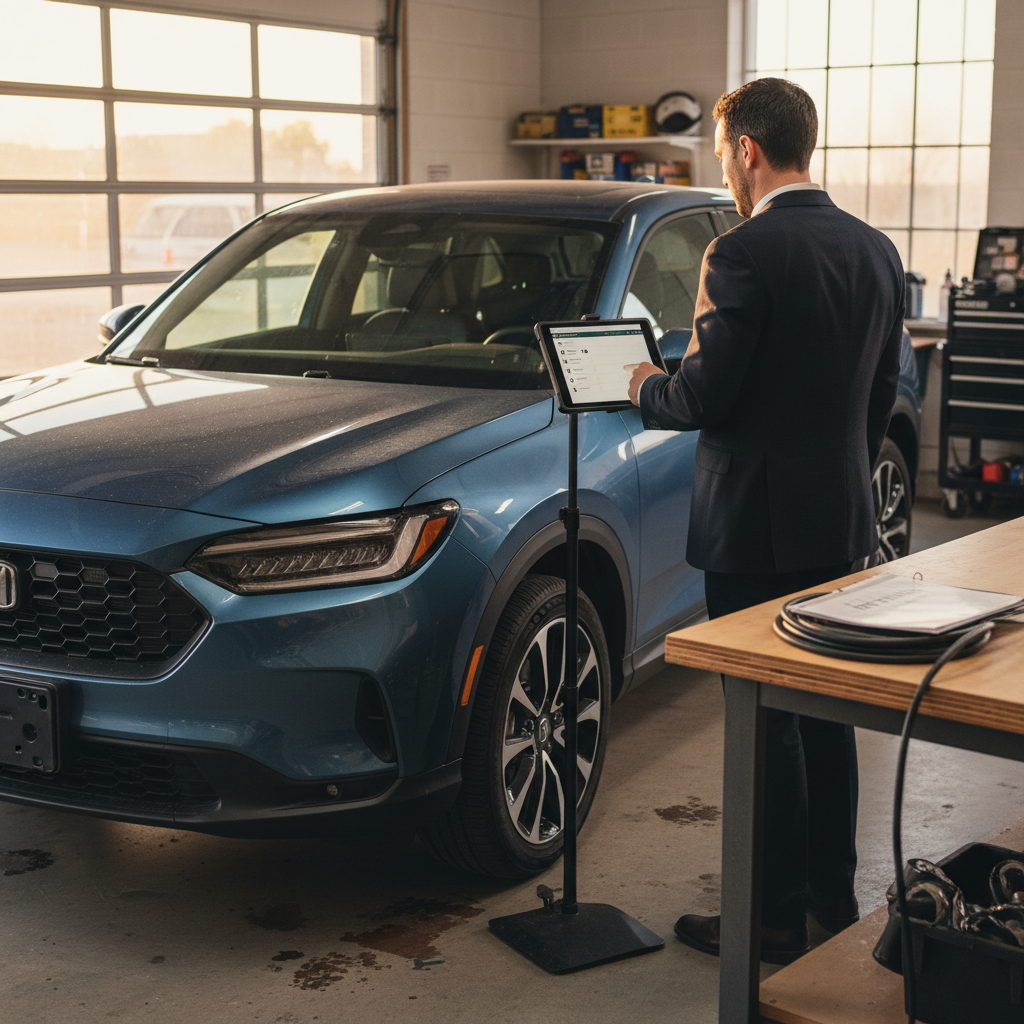
High‑priority items on a used Model Y inspection
Exterior fit, finish, and leaks
Inspect panel gaps around doors and hatch, check for uneven paint, and run the car through a wash or hose test if possible to look for water ingress at the liftgate and roof.
Suspension wear and noises
On a test drive, listen for clunks or rattles over bumps, especially on high‑mileage cars or those from rough‑road regions. Budget for control‑arm or bushing work on older, higher‑mileage examples.
Interior creaks, rattles, and seat wear
Tesla’s minimalist interiors show wear in different ways: rattles from trim, loose center consoles, or worn seat bolsters on commuter cars. None are dealbreakers alone, but they’re negotiation fuel.
HVAC and heat pump performance
The heat pump is standard on newer Model Ys and saves energy in cold climates. Confirm strong cabin heat and A/C and listen for unusual compressor noises.
Charging behavior
Plug into Level 2 and, if possible, a DC fast charger. Confirm the car charges at expected rates and doesn’t throw repeated charging errors.
ADAS and cameras
Check that every camera feed is clear, Autopilot engages and disengages properly, and there are no persistent driver‑assistance warnings.
Walk away from these red flags
Ownership costs vs other SUVs and EVs
One of the strongest arguments for a used Tesla Model Y is total cost of ownership. New‑car cost‑to‑own analyses for recent Model Y Performance and Long Range trim levels put five‑year maintenance and repairs in the roughly $3,000–$5,000 range, significantly lower than many similarly quick gasoline SUVs, even before factoring in fuel savings. Electricity typically costs less per mile than gasoline, especially if you can charge at home on off‑peak rates.
Where the Model Y saves you money
- Fuel: Many owners see energy costs equivalent to $1–$1.50 per gallon versus $3–$5 for gas, depending on local rates.
- Routine maintenance: No oil changes, timing belts, or emissions components; fewer fluids and filters overall.
- Brakes: Regenerative braking means pads and rotors often last far longer than on a gas SUV.
- Software: Some improvements (efficiency tweaks, new features) arrive via free OTA updates rather than paid dealer visits.
Where costs can surprise you
- Insurance: Higher repair costs and strong performance can mean higher premiums than an equivalent non‑EV SUV.
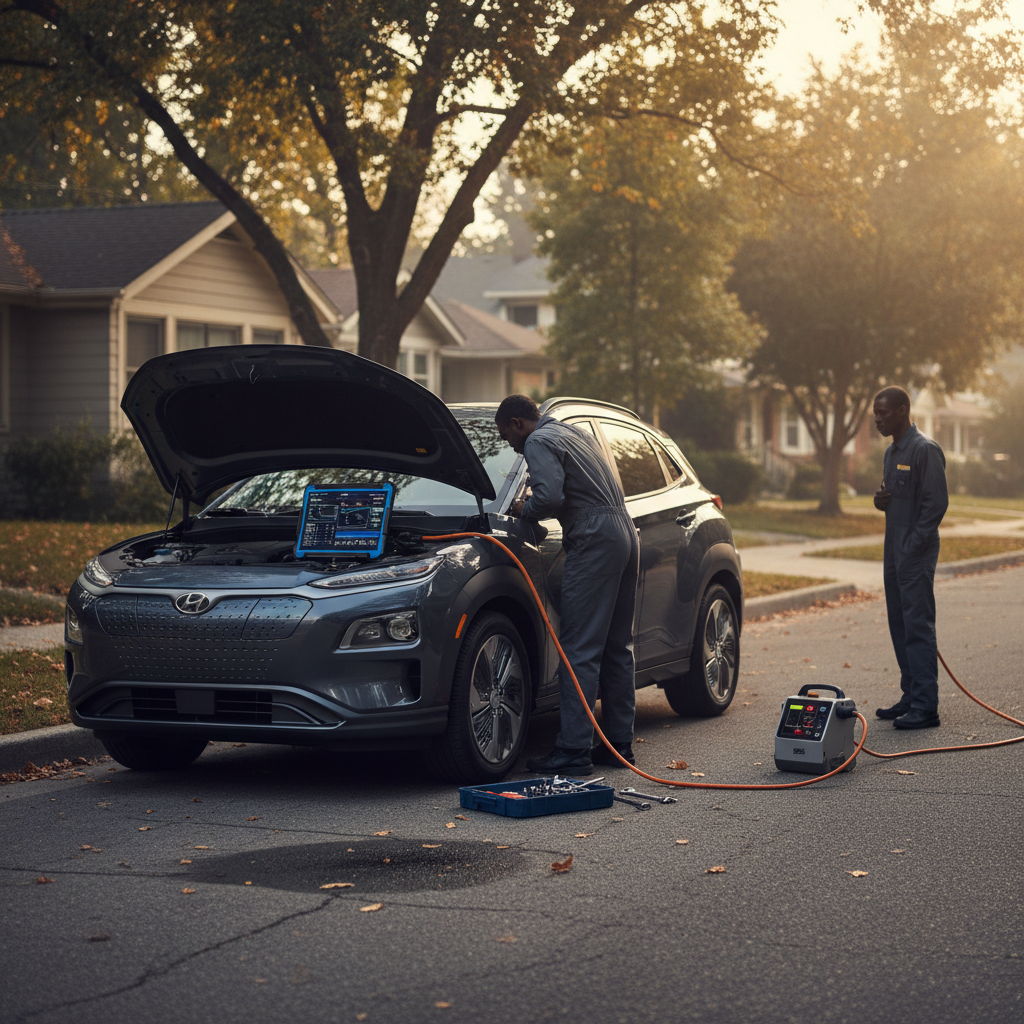
- Out‑of‑warranty repairs: Bodywork and certain electronic modules can be expensive, and Tesla parts availability can mean downtime.
- Depreciation: Rapid tech changes and Tesla’s pricing strategy can reduce resale values faster than expected.
- Home charging setup: Adding a 240‑V circuit or wallbox can run from a few hundred to a few thousand dollars depending on your home.
Compare apples to apples
How to shop smart for a used Model Y
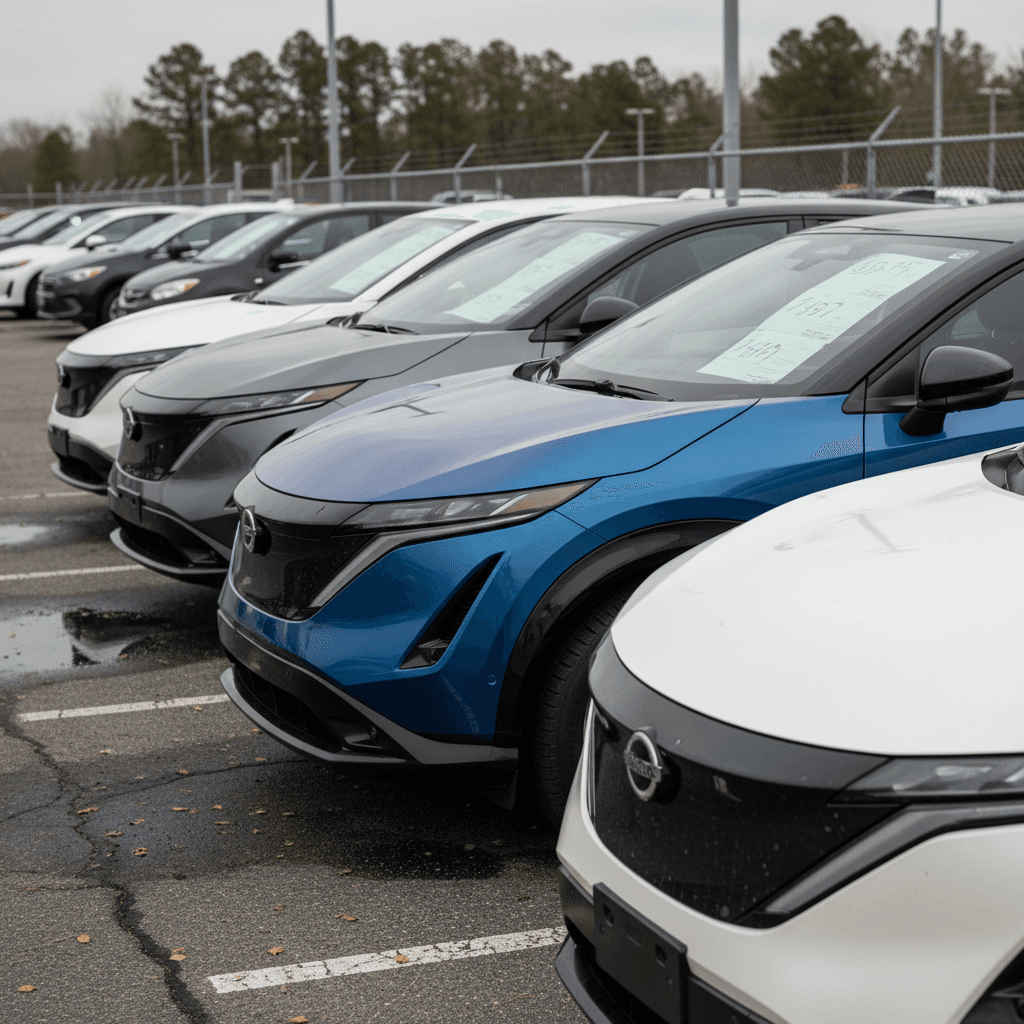
Shopping for a used Tesla Model Y is different from buying a used gas SUV at a traditional franchise dealer. You’re balancing software, battery health, and Tesla’s evolving hardware more than engine options or trim lines. A structured approach will keep you from overpaying or missing red flags.
Step‑by‑step used Model Y shopping checklist
1. Define your use case and trim needs
Decide how much range you truly need, whether you care about Performance acceleration, and whether all‑wheel drive is necessary for your climate. Many buyers overpay for capability they’ll rarely use.
2. Target the right age and mileage window
For value, look closely at 2–5‑year‑old cars with 20,000–70,000 miles. That’s often the sweet spot where depreciation has done its work but battery and warranty coverage remain reasonable.
3. Check VIN‑specific features
Hardware and sensors change frequently. Confirm whether the car has features you care about (heat pump, matrix headlights, parking sensors or their deletion, HW3 or newer Autopilot computer, etc.).
4. Review history and usage patterns
Pull a vehicle history report, but also ask about charging habits and previous use. A high‑mileage highway commuter that mostly used Level 2 charging can be healthier than a low‑mileage DC‑fast‑charge commuter.
5. Get a battery and charging health assessment
Use in‑car energy screens, real‑world test drives, and (ideally) a third‑party diagnostic to understand true usable capacity and fast‑charging behavior before you commit.
6. Compare total deal value, not just sticker
Evaluate out‑the‑door price, remaining warranty, included charging equipment, financing terms, and any service or return policies. A slightly higher sticker at a transparent, EV‑specialist retailer can be cheaper and safer than a “cheap” car with unknown issues.
Leverage EV‑specialist marketplaces
How Recharged helps you buy a used Tesla safely
Used EVs reward informed shoppers and punish guesswork. Recharged is built specifically to remove that guesswork. Whether you’re set on a Model Y or comparing it with other used EV SUVs, the goal is the same: transparent condition, realistic pricing, and support from people who actually understand EVs.
What you get when you buy a used EV through Recharged
Designed around how electric vehicles really age, not how gas cars used to be sold.
Recharged Score battery diagnostics
Fair pricing and EV‑savvy financing
Digital‑first, nationwide experience
Ready to find your next EV?
Browse VehiclesFrequently asked questions about used Tesla Model Y
Used Tesla Model Y FAQ
Bottom line: should you buy a used Tesla Model Y?
A used Tesla Model Y in 2026 is neither a slam‑dunk nor a mistake, it’s a high‑potential, high‑variance choice. You get one of the most efficient, practical electric SUVs on the market, with a charging ecosystem rivals are still chasing. In exchange, you accept faster‑moving resale values, a sometimes‑frustrating service experience, and a brand whose fortunes can swing with headlines.
If you value quiet, quick, low‑maintenance electric driving and you’re prepared to look past the logo to the actual condition, battery health, and price of the individual car, a used Model Y can be an excellent buy. If you’d rather have slower tech turnover, more traditional dealer support, or rock‑solid resale, you may want to cross‑shop alternatives from Hyundai, Kia, Ford, or others.
Either way, don’t navigate this alone if you don’t have to. Recharged was built to make used EV ownership simple and transparent, from verified battery diagnostics and fair pricing to financing, trade‑ins, and nationwide delivery. Whether your next EV ends up being a Tesla Model Y or something else entirely, the right data, and the right partner, will make that decision a lot easier.