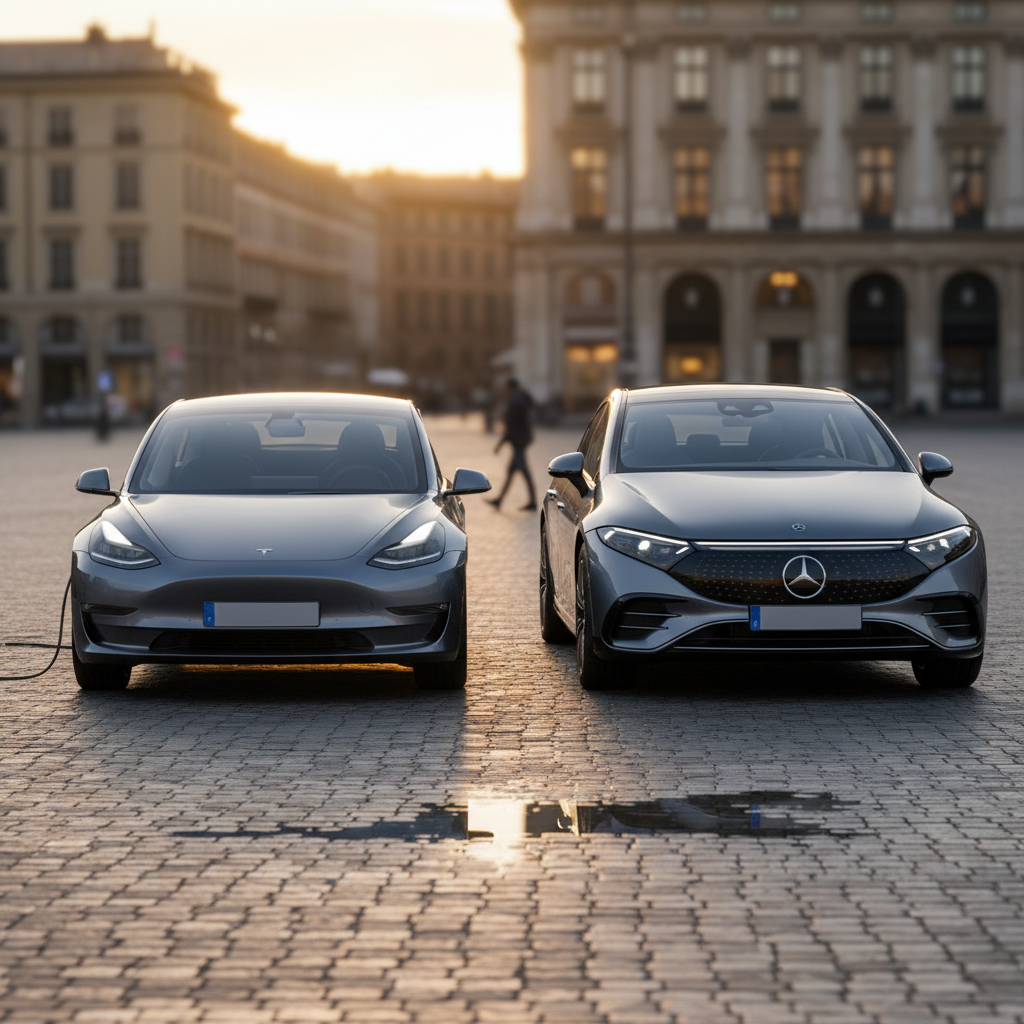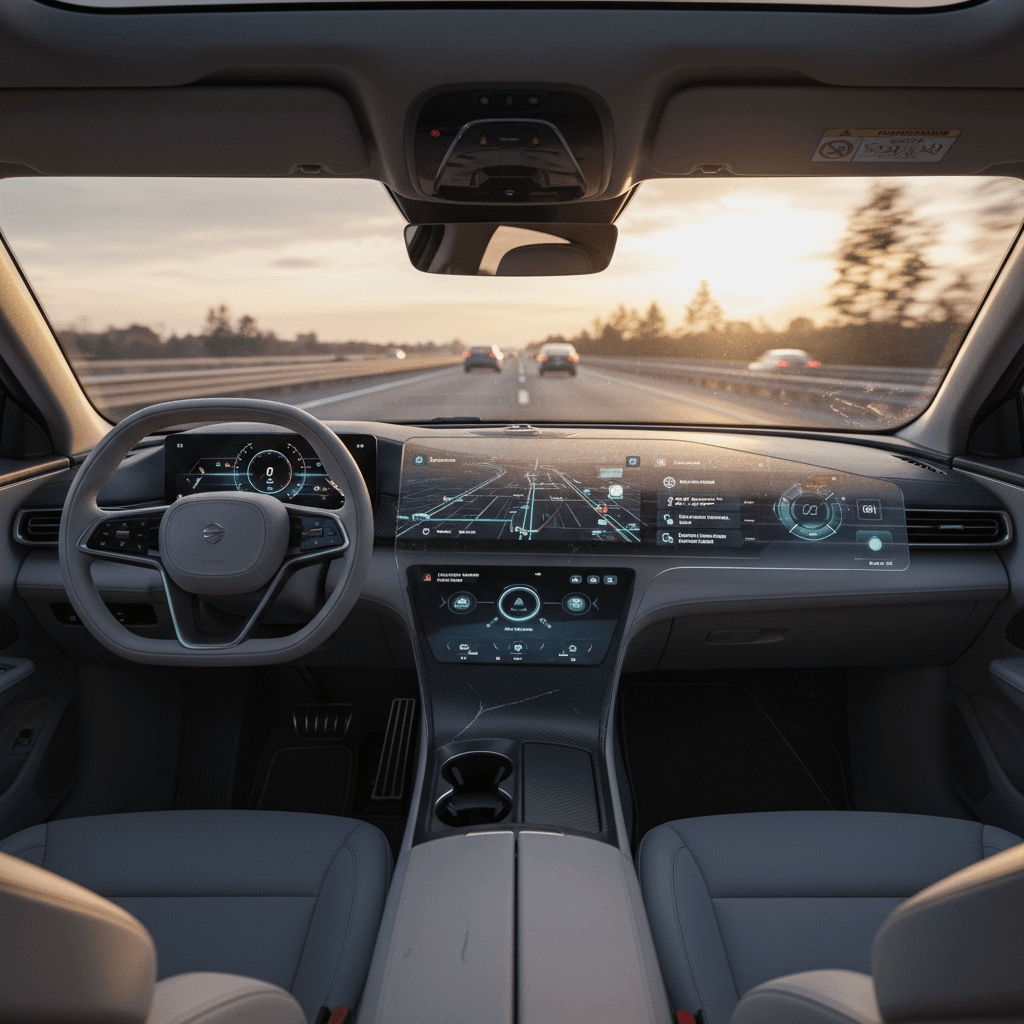
If you spend a lot of time on the highway, the **electric cars with the best driver assistance** can make every commute or road trip calmer and less tiring. But there’s a big gap between a basic lane-keep nudge and a genuinely confidence‑inspiring system that can steer, brake, and even go hands‑free on certain roads.
Quick reality check
Why driver assistance matters in an EV
Electric vehicles are already quiet and smooth. Add a good driver-assistance suite, and you get a car that **shrinks long drives**, keeps you centered in your lane, and can help avoid crashes when someone does something foolish in front of you.
What good driver assistance can do for you
For many shoppers, advanced driver assistance is now as important as horsepower or leather seats. If you’re buying used, it’s also one of the big reasons to pick a newer EV over an older bargain: the **software and sensors improve every few years**, and some brands add features over-the-air.
How driver-assistance systems work
Main building blocks
- Cameras: Read lane lines, traffic, signs, and sometimes even traffic lights.
- Radar: Measures distance and closing speed to vehicles ahead, great in poor weather.
- Ultrasonic sensors: Short‑range detection for parking and low‑speed maneuvers.
- LiDAR (on a few EVs): Laser-based mapping for very detailed 3D awareness.
What the systems actually do
- Safety layer: Forward-collision warning, automatic emergency braking, blind-spot and rear cross-traffic alerts.
- Comfort layer: Adaptive cruise control, lane centering, lane-change assist, traffic-jam assist.
- Hands-free extras: On mapped highways, some systems let you take your hands off the wheel, but not your eyes off the road.
About those "levels" of autonomy
Top electric cars with the best driver assistance in 2026
Different publications score these systems differently, but by 2026 a few names keep bubbling to the top in both tech capability and real‑world confidence. Here’s a **short list of standout EVs** and the driver-assistance suites that make them worth a look.
Standout EV driver-assistance systems
These are the systems enthusiasts and reviewers talk about the most.
Tesla Autopilot & Full Self-Driving (FSD)
Available on all Tesla models (Model 3, Y, S, X, Cybertruck). Autopilot handles adaptive cruise and lane centering; optional FSD adds more advanced automated lane changes, ramp-to-ramp navigation, and city-street assistance.
Best for: Tech-forward drivers who value rapid software updates and a huge user base.
Ford BlueCruise
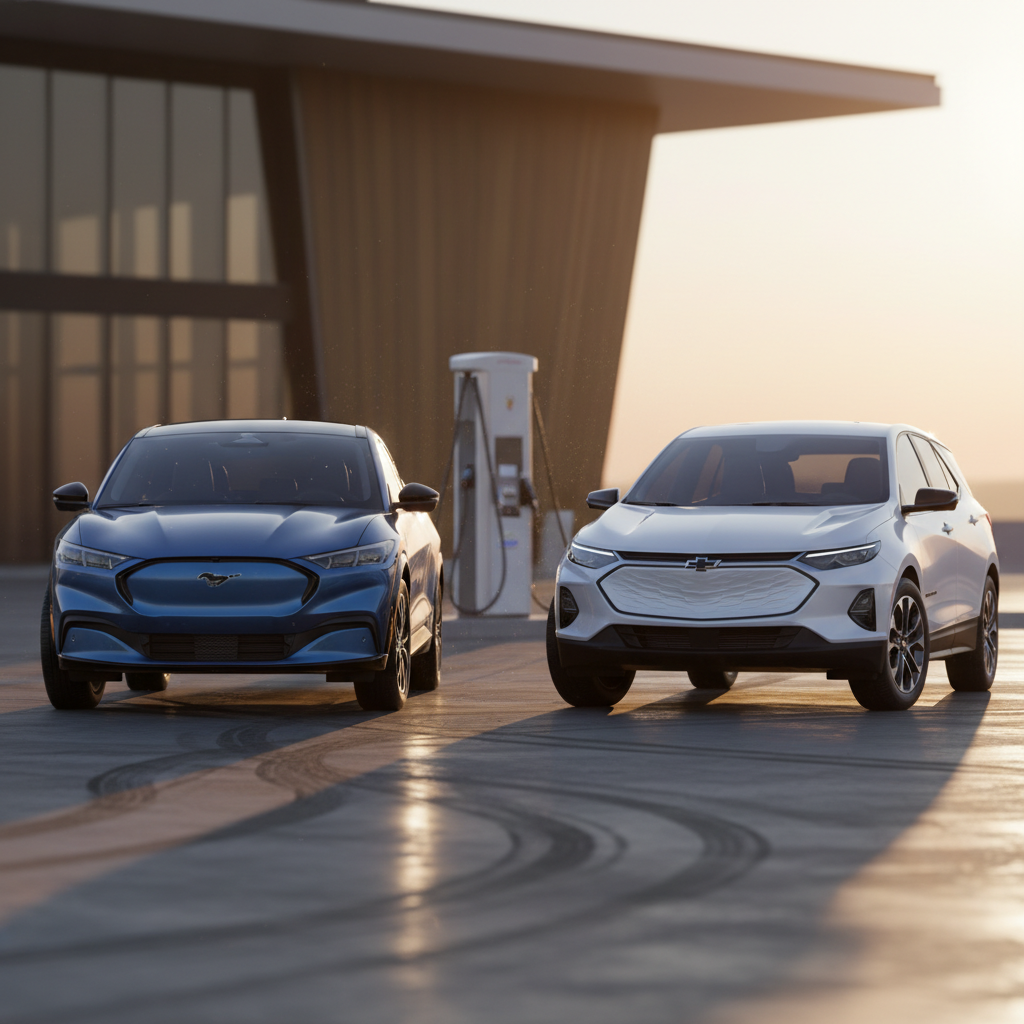
Available on the Mustang Mach‑E and F‑150 Lightning. Delivers hands-free driving on hundreds of thousands of mapped highway miles in North America, with strict driver monitoring.
Best for: Frequent highway commuters who want a relaxed, hands-off experience on road trips.
GM Super Cruise & Ultra Cruise
Found on the Cadillac Lyriq and some other GM EVs. Long considered a benchmark for hands-free highway driving, with precise lane control and automatic lane changes on mapped roads.
Best for: Drivers who value smooth, conservative behavior and rock-solid lane control.
More EVs with excellent driver assistance
Not hands-free everywhere, but seriously capable and confidence-inspiring.
Hyundai, Kia & Genesis (Highway Driving Assist)
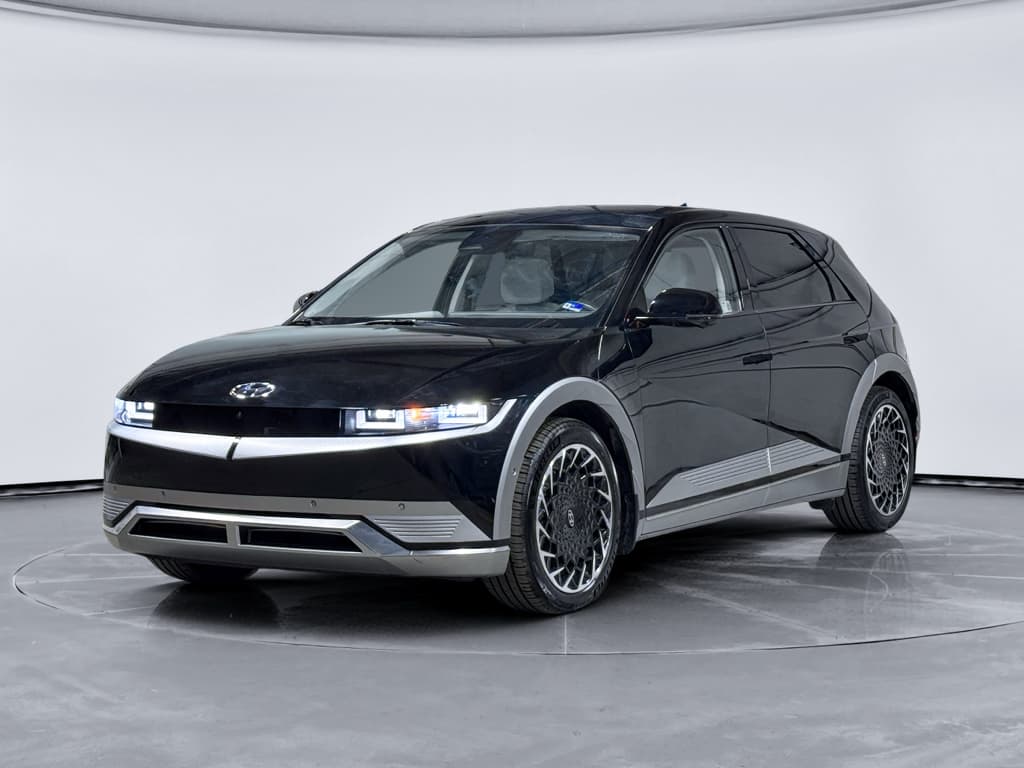
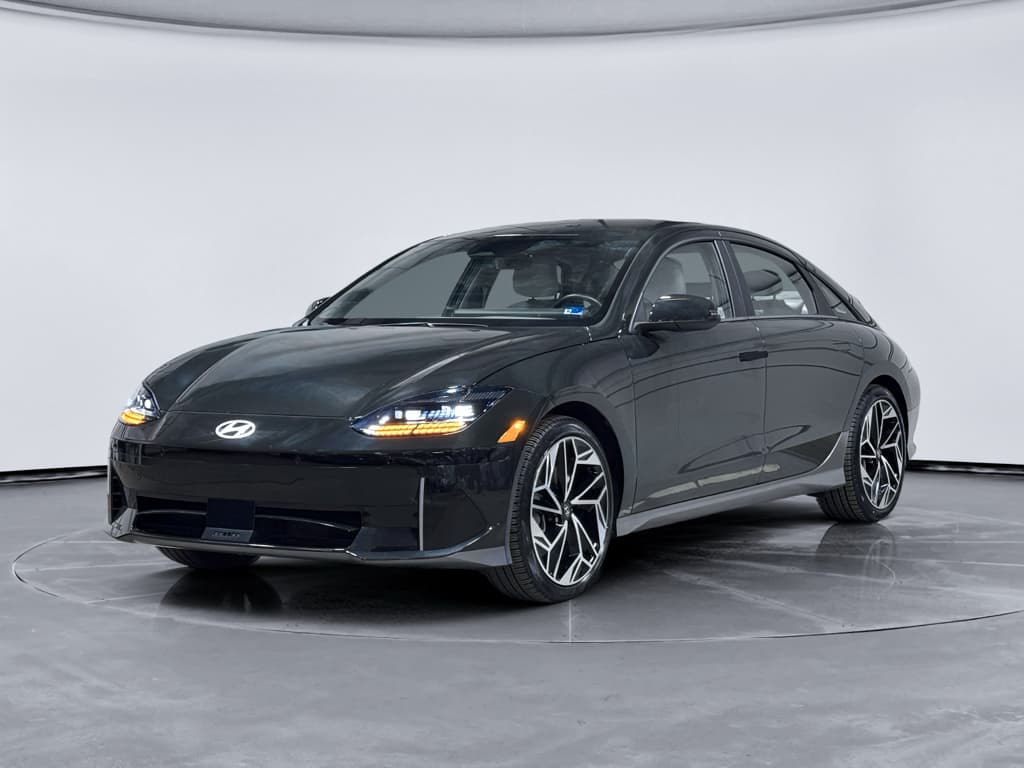
Hyundai Ioniq 5, Ioniq 6; Kia EV6; Genesis GV60/Electrified GV70. Their Highway Driving Assist and Smart Cruise Control suites punch way above their price, with smooth lane centering and easy-to-use interfaces.
Best for: Shoppers who want mainstream pricing with polished semi-automated driving.
Mercedes-Benz EQE/EQS & BMW iX/i7
Luxury EVs like the Mercedes EQE/EQS and BMW iX/i7 layer sophisticated highway assistants on top of rich sensor suites. Some trims even offer limited Level 3 traffic-jam automation in certain regions.
Best for: Luxury buyers who want the most refined, quiet, and tech-laden experience.
Lucid Air (DreamDrive Pro)
Lucid’s DreamDrive Pro uses a belt of cameras, radar, and LiDAR on the Air sedan, designed from the ground up for advanced assistance and future higher-level automation.
Best for: Early adopters who care about long-term capability and cutting-edge hardware.
Tip for U.S. shoppers
Spotlight: hands-free and highway-focused systems
Hands-free driving is where the marketing gets loud, and where expectations can get dangerously out of whack. Let’s put some structure around the big names you’ll hear at the dealer.
Hands-free style driver assistance on popular EVs
High-level comparison of how leading systems behave on the highway. Always verify exact availability by trim and region.
| Brand/system | Example EVs | Hands-free?* | Highway behavior | Notable strengths |
|---|---|---|---|---|
| Ford BlueCruise | Mustang Mach‑E, F‑150 Lightning | Yes on mapped roads | Calm, lane-centered, good hand‑off prompts | Excellent driver monitoring, clear feedback |
| GM Super Cruise | Cadillac Lyriq (plus some gas models) | Yes on mapped roads | Very smooth, confident lane changes | Long development history, robust mapping |
| Tesla Autopilot + FSD | Model 3, Y, S, X, Cybertruck | No formal hands‑free, but strong assistance | Assertive lane changes, frequent updates | Huge user fleet, rapid over-the-air (OTA) evolution |
| Lucid DreamDrive Pro | Lucid Air | Assistance only (hands on) | Comfortable, luxury-biased tuning | Huge sensor set including LiDAR |
| Hyundai/Kia Highway Driving Assist | Ioniq 5/6, EV6, Genesis GV60 | Hands-on Level 2 | Natural lane centering and adaptive cruise | Great blend of simplicity and capability |
Hands-free availability is limited to certain mapped roads, speeds, and conditions, and can change with software updates.
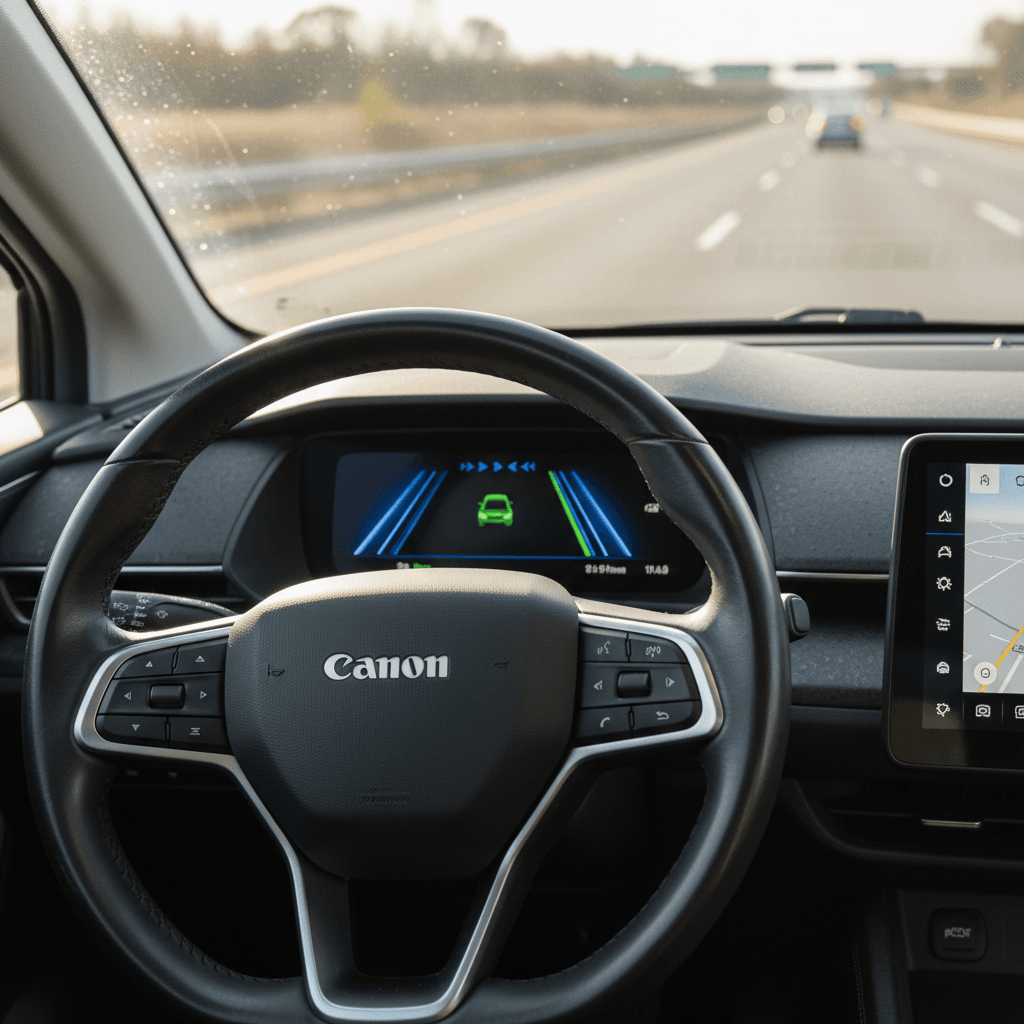
What "hands-free" really means
Best driver assistance on a budget
You don’t have to buy a six‑figure luxury EV to get capable driver assistance. Several mainstream electric cars and crossovers deliver **seriously good ADAS** without a luxury badge.
Budget-friendly EVs with strong driver assistance
Exact names and bundles change, but these lineups are consistently solid.
Hyundai Ioniq 5 / Ioniq 6
Hyundai’s SmartSense suite, including Highway Driving Assist, is one of the easiest to live with day to day. The car smoothly follows traffic, and the lane centering doesn’t pogo around inside the lane like some cheaper systems.
Used shoppers: Look for models with Highway Driving Assist II if you want automated lane changes.
Kia EV6 / Kia Niro EV
Closely related to Hyundai’s tech, Kia’s Highway Driving Assist systems deliver similar capability with slightly different tuning and interfaces. The EV6 in particular is a sweet spot for price, range, and driver assistance.
Used shoppers: Confirm the presence of adaptive cruise and lane-centering on a test drive; not every trim is equally loaded.
Volkswagen ID.4 (Travel Assist)
VW’s Travel Assist combines adaptive cruise and lane centering on highways and well-marked roads. Newer software can use “swarm data” from other VWs to improve performance where mapping is thin.
Best if you want a calm, conservative system rather than something sporty or aggressive.
Nissan Leaf, Ariya (ProPILOT Assist)
ProPILOT Assist won’t win every comparison test, but it offers capable Level 2 assistance on many trims at accessible prices. On newer models, it can combine navigation info with driver assistance to slow for curves and ramps.
Used shoppers: Make sure you understand which ProPILOT version you’re getting; features have evolved quickly.
Where Recharged fits in
Ready to find your next EV?
Browse VehiclesSafety first: how to use driver assistance the right way
I’ve driven thousands of miles in these systems, and the pattern is always the same: drivers who treat them like super‑smart cruise control love them; drivers who treat them like a robot chauffeur eventually get scared. Here’s how to stay in the first group.
Safe habits for using driver assistance
1. Start with a clean sensor view
Keep your windshield, front and rear cameras, and radar panels clean. Bugs, road salt, and badly installed license plates can blind sensors and lead to sudden disengagements.
2. Learn the system’s limits before trusting it
Read the driver-assistance section of the owner’s manual and test the features on a quiet, familiar stretch of road. Note what confuses it: faded lane lines, sharp hills, construction zones.
3. Keep your eyes up and hands ready
Even if the car allows hands-free operation, you are still the driver. Get in the habit of lightly resting your hands near the wheel and scanning mirrors and surroundings like you’re fully in control, because you are.
4. Treat alerts as serious, not suggestions
If the car beeps or flashes about its vision or lane-keeping, take over promptly. Don’t fight it or try to trick the driver-monitoring system; that’s how minor surprises turn into big scares.
5. Avoid "stacking" distractions
If you’re actively using driver assistance, that is not the time to be deep in your phone or fiddling with five menus on the center screen. Let the tech reduce workload, not invite more distraction.
Never misuse driver assistance
Buying a used EV for its driver assistance
When you’re shopping used, driver assistance becomes a moving target. A 2021 model of a given EV might behave very differently from a 2024 version after a few years of software updates. Here’s how to make sure you’re actually getting the experience you think you’re paying for.
Questions to ask the seller
- Which software version is it on? Especially important for Tesla, Lucid, and some Hyundai/Kia models that improve over-the-air.
- Is any driver-assistance package a subscription? Some hands-free features require an ongoing plan beyond the hardware.
- Has the car had any ADAS-related recalls or repairs? Ask for records if possible.
- Which features are actually enabled? On some Teslas, for example, Full Self-Driving capability may not transfer between owners depending on policy and timing.
How Recharged can help
When you buy through Recharged, every EV comes with a Recharged Score Report that documents its battery health and key tech features, including what driver-assistance hardware it has, and whether major functions are working correctly at inspection time.
If you’re torn between, say, a used Tesla Model 3 with Autopilot and a Mustang Mach‑E with BlueCruise, our specialists can walk you through how each system behaves in daily driving and which suits your habits.
Checklist: features to look for
Instead of chasing marketing names, Autopilot, Super Cruise, BlueCruise, focus on the **specific driver-assistance features** that matter to you. Use this checklist as you compare EVs online or during a test drive.
Driver-assistance features worth having
Adaptive cruise control with stop-and-go
Must-have for heavy traffic. The car maintains distance and can usually bring you to a stop and start again automatically.
Lane centering (not just lane departure warning)
Lane departure warning just beeps when you drift. Lane centering gently keeps you between the lines when cruise control is active.
Automatic emergency braking with pedestrian detection
AEB is your last line of defense when someone ahead slams on the brakes, or a pedestrian steps out unexpectedly.
Blind-spot monitoring and rear cross-traffic alert
Big EV pillars and thick doors can hide cars and bikes. These systems watch your blind spots and warn you during lane changes or backing out of parking spaces.
Highway or hands-free assist on roads you use
If a system offers enhanced highway or hands-free driving, confirm that your regular commute and favorite road-trip routes are included in its supported map.
Good user interface and clear alerts
You should always know <strong>when the system is active</strong> and who’s in charge. Look for clear steering-wheel lights, cluster graphics, and audible alerts that make sense to you.
FAQ: electric cars with best driver assistance
Frequently asked questions
Bottom line: which EV has the best driver assistance?
If you want the **most ambitious driver-assistance tech**, a well-optioned Tesla with Autopilot and Full Self-Driving, a Ford Mustang Mach‑E with BlueCruise, or a Cadillac Lyriq with Super Cruise belong on your short list. If you care more about a calm, confidence‑inspiring experience than headline‑grabbing autonomy, don’t overlook the Hyundai Ioniq 5/6, Kia EV6, VW ID.4, or a Lucid Air with DreamDrive Pro.
No matter which brand you choose, the smartest move is to **treat driver assistance as a bonus, not a crutch**. Buy the EV that fits your budget, range needs, and charging situation first, then use ADAS as the extra set of eyes and gentle steering hand that makes every mile a little easier.
If you’re shopping the used market and want help sorting out which cars actually deliver on the promise of advanced driver assistance, Recharged can help you compare real vehicles with real inspection data. Browse our used EV inventory, dig into the Recharged Score Reports, and let our specialists help you match the right car, and the right driver-assistance system, to the way you actually drive.