Buy an EV

  • EVs for sale
  • Learn about EVs
  • Articles
  • Charging

Sell or trade

  • How it works

Financing

  • Get pre-qualified
  • Credit application

Contact us

  • Book a consultation
  • Call us at (804) 390-5910
  • Email us at hello@recharged.com
  • Visit our Experience Centers
    • Richmond, VA
    • Fairfax, VA
    • Charlotte, NC

© 2025 Recharged. All Rights Reserved.

7-Day Return Policy·Privacy Policy·SMS Opt-In·Do Not Sell or Share My Information·
TikTokYouTubeInstagramLinkedInFacebook
    Should I Buy a Used Hyundai IONIQ 5? Honest 2026 Buyer’s Guide
    Used EVs·10 min read·By Recharged Editorial Team

    Should I Buy a Used Hyundai IONIQ 5? Honest 2026 Buyer’s Guide

    hyundai-ioniq-5used-ev-buyingev-crossoverbattery-healthev-reliabilityfast-chargingdepreciationev-market-2026recharged-score

    Table of Contents

    • Is a used Hyundai IONIQ 5 right for you?
    • Quick take: should you buy a used IONIQ 5?
    • Why the used IONIQ 5 is so appealing
    • What gives shoppers pause with used IONIQ 5s
    • Battery health and real‑world degradation
    • Charging performance: home and road trips
    • Reliability, recalls, and known issues
    • Depreciation and used pricing outlook
    • Which IONIQ 5 trims are the best used buys?
    • Inspection checklist before you buy
    • How Recharged helps with used Hyundai IONIQ 5s
    • Used Hyundai IONIQ 5 FAQ
    • Bottom line: should you buy one?

    If you’re asking yourself, “Should I buy a used Hyundai IONIQ 5?”, you’re not alone. As new-EV incentives shift and Hyundai slashes new IONIQ 5 prices for 2026, the used market is suddenly full of eye‑catching deals. But discounts don’t automatically equal value, especially with an EV, where battery health, charging hardware, and software matter as much as paint and mileage.

    What this guide covers

    We’ll walk through the IONIQ 5’s biggest strengths, its most important red flags (including recent charging issues and recalls), how it depreciates, and a step‑by‑step checklist so you can decide whether a used IONIQ 5 fits your budget, driving habits, and risk tolerance.

    Is a used Hyundai IONIQ 5 right for you?

    The Hyundai IONIQ 5 is a compact electric crossover with retro‑futuristic styling, a spacious cabin, and some of the fastest DC fast‑charging you’ll find outside of Tesla. On the used market, it tends to appeal most to shoppers who want family‑friendly practicality and road‑trip capable charging without paying luxury‑EV money.

    Great fit if you…

    • Drive 8,000–15,000 miles a year and want low running costs.
    • Have access to home Level 2 charging or reliable workplace charging.
    • Value interior space and comfort over sports‑car handling.
    • Plan to keep the car 3–7 years and care about battery health.

    Maybe not ideal if you…

    • Live far from Hyundai EV‑certified service centers.
    • Rely heavily on DC fast charging in very cold climates.
    • Need a third row (the IONIQ 5 only seats five).
    • Are extremely risk‑averse about any new‑tech reliability quirks.

    Quick take: should you buy a used IONIQ 5?

    Used Hyundai IONIQ 5 at a glance (2026)

    18–24 min
    Typical 10–80% DC charge
    One of the quickest‑charging non‑Tesla EVs when the hardware is healthy.
    ~35–50%
    5‑yr value retention
    Moderate depreciation versus other mainstream EVs, depending on trim and miles.
    10 yrs
    Battery warranty
    Hyundai’s U.S. battery warranty is 10 years/100,000 miles against defects.
    $20k–$30k
    Common 2022–2024 prices
    Many used examples now land in this range before incentives or dealer fees.

    Our overall verdict

    A used Hyundai IONIQ 5 can be an excellent buy in 2026 if you verify battery and charging health and price in recent depreciation. For many buyers, it’s one of the best value‑for‑money used EV crossovers, especially when backed by a transparent battery report and remaining factory warranty.

    Why the used IONIQ 5 is so appealing

    Key advantages of a used Hyundai IONIQ 5

    Where it stands out versus other used EV crossovers

    Roomy, comfortable interior

    The IONIQ 5 rides on a long wheelbase, which makes the back seat genuinely adult‑friendly and gives you plenty of legroom. Sliding rear seats and a flat floor make it feel more like a midsize SUV inside than a compact crossover.

    Ultra‑fast charging

    On a strong DC fast charger, an IONIQ 5 can go from ~10% to 80% in under half an hour when conditions are right. That’s road‑trip‑worthy, and faster than many similarly priced rivals.

    Strong performance

    Even the single‑motor versions feel quick in everyday driving. Dual‑motor all‑wheel‑drive models offer punchy acceleration that easily outpaces most gas crossovers in the same price bracket.

    Long battery warranty

    Hyundai’s 10‑year/100,000‑mile battery warranty from the original in‑service date is a big safety net for used buyers, especially on 2–4‑year‑old examples still well within coverage.

    Aggressive depreciation

    Steep price cuts on new IONIQ 5s and the loss of federal tax credits have pushed used values down. That hurts first owners, but if you’re buying used, it’s an opportunity to get a lot of EV for the money.

    Modern tech & design

    The minimalist interior, dual 12.3‑inch screens, available head‑up display, and over‑the‑air software updates give the IONIQ 5 a premium feel without a luxury‑brand badge.

    Value sweet spot

    In early 2026, many 2022–2024 IONIQ 5s are selling for a fraction of their original $45,000–$55,000 MSRPs, especially higher‑trim examples. If you’re flexible on color and options, you can often step into a better‑equipped trim for only a little more money than a base model.

    What gives shoppers pause with used IONIQ 5s

    • Reports of ICCU (charging electronics) failures in a small but noticeable percentage of Hyundai/Kia EVs, including the IONIQ 5.
    • A few targeted recalls on certain model years, including driveshaft and instrument‑cluster software issues.
    • Faster‑than‑average depreciation versus some competitors, which can affect your own resale value later.
    • Ongoing questions about real‑world winter range and charging speeds in very cold climates.
    • Limited dealer EV expertise in some regions, which can make complex diagnosis or warranty work slower.

    Don’t skip a charging‑system check

    The Integrated Charging Control Unit (ICCU) is the heart of the IONIQ 5’s charging hardware. A small but meaningful share of owners have reported failures that can leave the car unable to charge until repaired. Before you buy used, it’s crucial to verify there are no active errors, that recall work is complete, and that the car can fast‑charge properly.

    Battery health and real‑world degradation

    Battery health is the single biggest variable in whether buying a used Hyundai IONIQ 5 is a smart move. The good news: so far, real‑world data suggests the IONIQ 5’s battery packs are holding up well, with many owners reporting minimal capacity loss after tens of thousands of miles when the car is used and charged reasonably.

    What we’re seeing so far

    • Owner reports with 20,000–40,000 miles often show very low apparent degradation based on range tests and energy‑use data.
    • The pack is liquid‑cooled and shared with sibling models (Kia EV6, Genesis GV60), which also show stable capacity when cared for properly.
    • Hyundai’s 10‑year/100,000‑mile battery warranty for defects adds an extra layer of protection for early‑life issues.

    How to protect and verify the pack

    • Favor cars that mostly used Level 2 home charging versus constant DC fast charging.
    • Avoid routinely charging to 100% or running down to 0%, that’s hard on any lithium‑ion pack.
    • Use a third‑party battery health report (or the Recharged Score) to get an objective state‑of‑health reading rather than guessing from the dash.

    How Recharged handles battery health

    Every EV sold through Recharged includes a Recharged Score Report with an objective battery‑health diagnostic, so you’re not relying only on an in‑car range estimate. We also compare each vehicle’s pricing to fair‑market data so you can see how battery condition, mileage, and model year affect value.

    Charging performance: home and road trips

    One of the biggest reasons to buy an IONIQ 5, new or used, is its charging experience. On Hyundai’s 800‑volt E‑GMP platform, it can add serious range in a short highway stop, and at home it behaves like a well‑sorted mainstream EV.

    Hyundai IONIQ 5 charging overview

    Approximate numbers for common U.S. setups; your exact results will vary with temperature, driving style, and charger quality.

    ScenarioHardwareApprox. PowerTypical Result
    Overnight home chargingLevel 2, 240V, 32–40A7–9.6 kWFrom low state of charge to near‑full in 7–9 hours.
    Workplace / public Level 27–11 kW public EVSE7–11 kWGood for topping up 20–60% during the workday.
    Highway DC fast charge (ideal conditions)150–350 kW stationUp to 230 kW peakRoughly 10–80% in ~18–24 minutes.
    Cold weather DC chargingSame as above, battery coldOften under 100 kWLonger sessions unless you precondition and plan stops.

    Charging performance is a major reason used IONIQ 5s are attractive, provided the charging hardware is healthy.

    Plan your charging mix
    If you have reliable home Level 2 charging and only fast‑charge on road trips, a used IONIQ 5 is a strong fit. If you rely heavily on DC fast charging several times a week, consider how that may affect long‑term battery and ICCU wear, and make a charging‑health check non‑negotiable.
    Hyundai IONIQ 5 connected to a DC fast charger at a public station, showing charging status on the screen
    Fast charging is one of the IONIQ 5’s standout strengths, check that your used example can hit and sustain healthy speeds.

    Reliability, recalls, and known issues

    Like most first‑wave EVs from legacy brands, the Hyundai IONIQ 5 mixes strong engineering with a few early‑generation hiccups. Understanding these issues, and how to check whether they’ve been addressed, goes a long way toward deciding whether you should buy one used.

    Common IONIQ 5 issues to know about

    Most are manageable if you check history and software

    ICCU / charging‑system problems

    Some owners report failures of the Integrated Charging Control Unit, which can trigger warnings, limit charging speed, or in rare cases leave the car unable to charge until repaired. Ask for documentation of any related repairs and test both Level 2 and DC fast charging yourself.

    Targeted recalls on certain years

    There have been limited recalls on issues like rear driveshafts (which can affect motive power) and, more recently, instrument‑cluster software that may fail to display critical info. Verify via VIN that all recall work is complete before you buy.

    Cold‑weather quirks

    In winter, you may see slower DC charging and reduced range, especially if you don’t precondition the battery or cabin. This isn’t unique to Hyundai, but it’s worth understanding if you live in a cold climate.

    Security and theft concerns (region‑specific)

    In some markets outside the U.S., owners have raised concerns about keyless‑entry vulnerability to relay‑attack devices. Using a steering‑wheel lock or key‑signal blocking pouch can reduce risk, but this is a good reason to carry comprehensive insurance and park smartly.

    Never ignore warning lights

    On a test drive, take any warning messages about the EV system, charging system, or battery seriously, especially if they appear under load or when plugging in. These aren’t minor “check engine” annoyances; they can be expensive if not covered by warranty.

    Depreciation and used pricing outlook

    If you’re buying a used Hyundai IONIQ 5 in 2026, depreciation is your friend. Between aggressive manufacturer discounts on new models, the end of federal tax credits in late 2025, and a flood of lease returns, prices on 2–3‑year‑old IONIQ 5s have softened noticeably.

    How hard has the IONIQ 5 been hit?

    ~35–50%
    5‑yr retention estimate
    Industry trackers show the IONIQ 5 retaining roughly 35–50% of its value at five years, depending on trim and mileage.
    $20k–$25k
    Typical 2022 examples
    Many 2022 SE/SEL models are now landing in the low‑to‑mid $20,000s at retail, with higher trims somewhat above.
    Price cuts
    2026 new models
    Hyundai has trimmed nearly $10,000 off 2026 IONIQ 5 MSRPs, which puts downward pressure on lightly used prices.

    What this means for you

    You’re likely buying after the steepest part of the depreciation curve. If you hold the car 4–6 more years, your own dollar losses per year may be much lower than what the first owner experienced, especially if you choose a well‑priced example with strong battery health.

    Which IONIQ 5 trims are the best used buys?

    The IONIQ 5 has been offered in SE Standard Range, SE, SEL, and Limited trims, with both rear‑wheel‑drive and all‑wheel‑drive variants. On the used market, the sweet spot depends on how you drive and where you live.

    Used Hyundai IONIQ 5 trims: quick guide

    General guidance, always confirm exact equipment, battery size, and drivetrain on any individual vehicle.

    Trim / drivetrainWhy choose it used?You might skip it if…
    SE Standard Range (RWD)Lowest purchase price, fine for short commutes and city use.You routinely drive long highway trips or want maximum resale flexibility.
    SE / SEL (RWD, larger pack)Balanced range, price, and comfort. Strong value in 2022–2024 model years.You need all‑weather traction or want every available feature.
    SE / SEL (AWD)Punchy acceleration and improved traction in snow and rain.You prioritize maximum range over performance and live in a mild climate.
    Limited (RWD or AWD)Panoramic sunroof, ventilated seats, premium audio, more tech, often heavily discounted used.You don’t care about extra features, or ultra‑wide glass roofs conflict with roof‑rack plans.

    Trim and drivetrain choices affect range, performance, and price, pick what matches your real use case.

    Trim‑shopping tip

    When new‑vehicle price cuts are this steep, top‑trim used models sometimes sit only slightly above mid‑trim pricing. If you’re already in the market, it can be smarter to buy a well‑equipped Limited with strong battery health than a bare‑bones base model priced only a little lower.

    Inspection checklist before you buy

    Used IONIQ 5 pre‑purchase checklist

    1. Confirm battery and charging health

    Review a <strong>battery health report</strong> or diagnostic scan. Test home‑style Level 2 charging and, if possible, a DC fast‑charge session to confirm speeds are in a normal range and no EV‑system warnings appear.

    2. Verify recall and warranty status

    Run the VIN through Hyundai’s recall tool or NHTSA, and ask for service records. Confirm the in‑service date so you know exactly how much battery and bumper‑to‑bumper warranty remains.

    3. Review charging and usage history

    Ask how the car was charged: mostly home Level 2, or constant fast charging? High mileage plus frequent DC use isn’t an automatic dealbreaker, but it should be reflected in price and your expectations.

    4. Inspect tires, brakes, and suspension

    EVs are heavy; worn tires and suspension can show up earlier than on gas cars. Look for uneven tire wear and listen for clunks or rattles over bumps on a test drive.

    5. Test all tech and driver‑assistance

    Confirm that adaptive cruise, lane‑keeping assist, cameras, parking sensors, and infotainment features work smoothly. Glitches can indicate the need for software updates, or, rarely, hardware repairs.

    6. Check charging‑port and cable condition

    Inspect the charge port for damage, corrosion, or signs of forced connectors. Make sure the charge‑port door opens and closes correctly and the locking mechanism feels solid.

    Get everything in writing

    If a seller promises that recall work or an ICCU replacement “is scheduled” or “will be covered,” make sure that’s documented in writing, or, better yet, completed, before you sign. With EVs, paperwork matters as much as a clean test drive.

    How Recharged helps with used Hyundai IONIQ 5s

    Buying a used EV shouldn’t feel like a science experiment. At Recharged, we focus specifically on used electric vehicles like the IONIQ 5, so you don’t have to decode battery jargon or guess whether a price is fair.

    What you get with a used IONIQ 5 from Recharged

    Transparency on battery health, pricing, and the whole process

    Recharged Score battery diagnostics

    Every vehicle includes a Recharged Score Report with verified battery health and charging‑system checks, so you know how the pack is performing before you buy.

    Fair market pricing

    We benchmark each IONIQ 5 against nationwide auction and retail data, current incentives, and equipment, so you can see exactly how the advertised price compares to the market.

    EV‑specialist support

    Our EV experts help you choose the right trim, explain real‑world range for your routes, and walk you through charging at home and on the road.

    Nationwide delivery

    Found the right IONIQ 5 but it’s not in your backyard? Recharged offers nationwide delivery and a fully digital buying experience so you can shop from anywhere.

    Flexible selling & trade‑in options

    Already own an EV or gas car? We offer trade‑ins, instant offers, and consignment so you can smoothly transition into your IONIQ 5.

    Richmond, VA Experience Center

    If you’re near Virginia, you can visit our Experience Center in Richmond to see vehicles in person, test drive, and get hands‑on EV charging demos.

    Ready to find your next EV?

    Browse Vehicles

    Used Hyundai IONIQ 5 FAQ

    Frequently asked questions about buying a used IONIQ 5

    Bottom line: should you buy one?

    If you want a spacious, quick‑charging electric crossover and you’re shopping used in 2026, the Hyundai IONIQ 5 deserves a spot at the top of your list. It’s not perfect, no early‑generation EV is, but its combination of design, comfort, charging performance, and now‑attractive pricing make it one of the most compelling used EV values on the market.

    You should strongly consider buying a used IONIQ 5 if you can confirm healthy battery and charging hardware, complete recall work, and a price that reflects current market conditions. If that feels like a lot to juggle, partnering with an EV‑focused retailer like Recharged, where every vehicle includes a Recharged Score battery report, transparent pricing, and EV‑savvy support, can turn a complicated decision into a confident one.
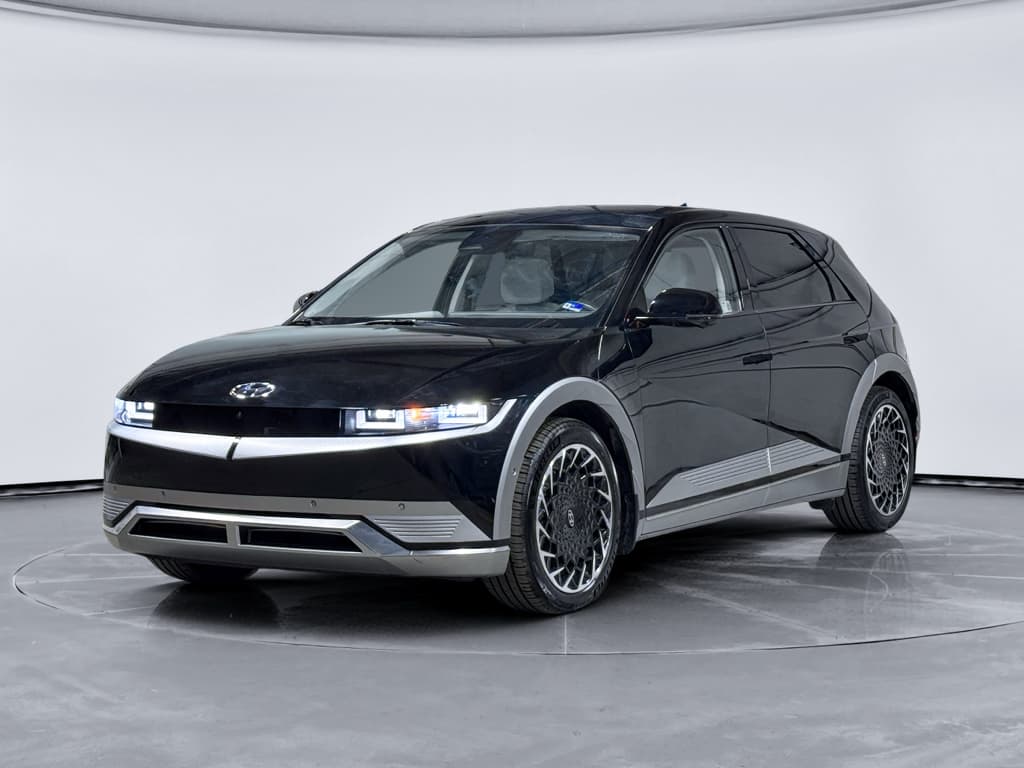
    Hyundai IONIQ 5 on Recharged

    See all →
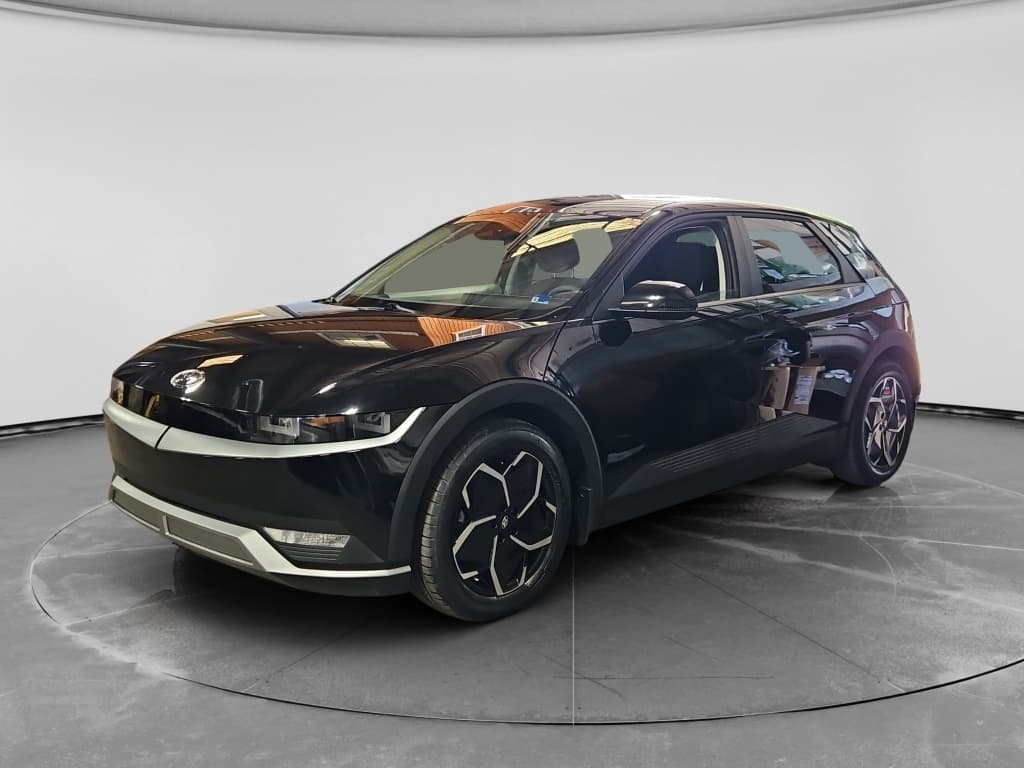
    2024 Hyundai IONIQ 5

    2024 Hyundai IONIQ 5

    SE•9K mi•252 mi range
    4.6/5Recharged Score
    $26,997
    2024 Hyundai IONIQ 5

    2024 Hyundai IONIQ 5

    Limited•30K mi•260 mi range
    4.8/5Recharged Score
    $31,997
    2024 Hyundai IONIQ 5

    2024 Hyundai IONIQ 5

    SEL•21K mi•303 mi range
    Pending Recharged Score
    $24,996

    Related Articles

    Lithium-Ion Batteries for Electric Cars: 2025 Buyer’s Guide
    Battery & Range·9 min

    Lithium-Ion Batteries for Electric Cars: 2025 Buyer’s Guide

    Learn how lithium-ion batteries for electric cars work, how long they last, replacement costs, and what to look for when buying a used EV in 2025.

    ev-batterieslithium-ionnmc
    Rivian R1S Battery Replacement Cost (2026 Guide for Owners)
    Battery & Range·10 min

    Rivian R1S Battery Replacement Cost (2026 Guide for Owners)

    Wondering what a Rivian R1S battery replacement will cost in 2026? See real-world price ranges, warranty coverage, and ways to avoid paying out of pocket.

    rivian-r1sev-battery-replacementbattery-health
    2025 Rivian R1S Trade‑In Value: What Your Electric SUV Is Really Worth
    Selling·10 min

    2025 Rivian R1S Trade‑In Value: What Your Electric SUV Is Really Worth

    Learn what impacts 2025 Rivian R1S trade-in value, how dealers really price them, and how to get more for your used R1S – with and without Rivian’s own trade tool.

    rivian-r1srivianev-depreciation