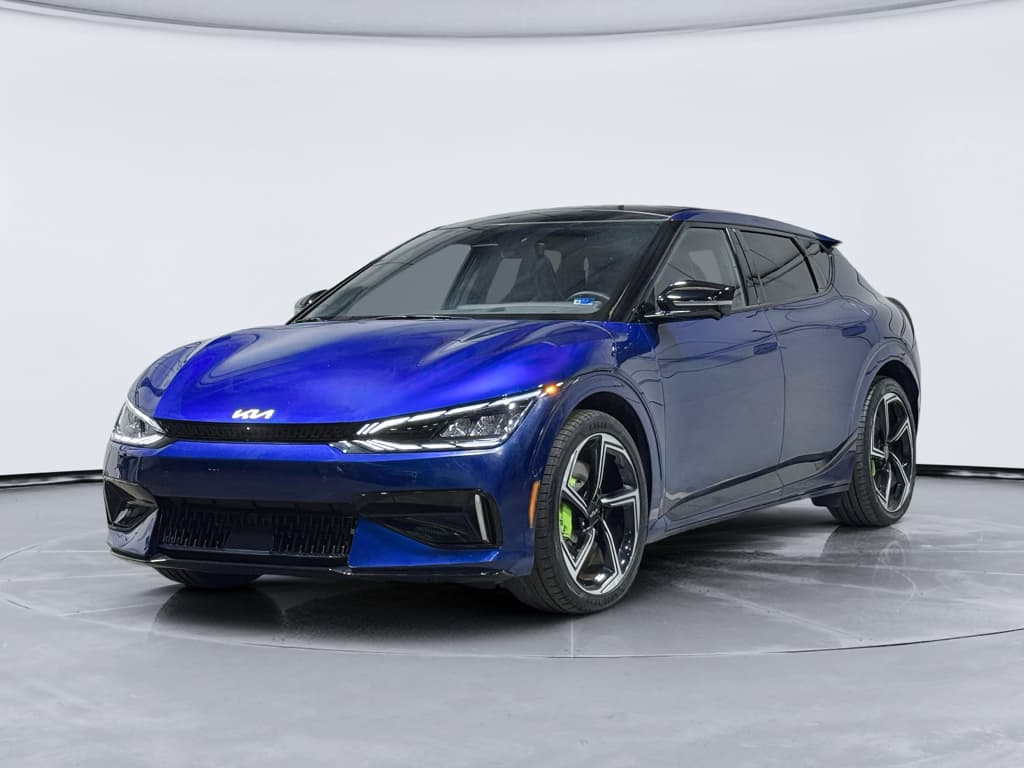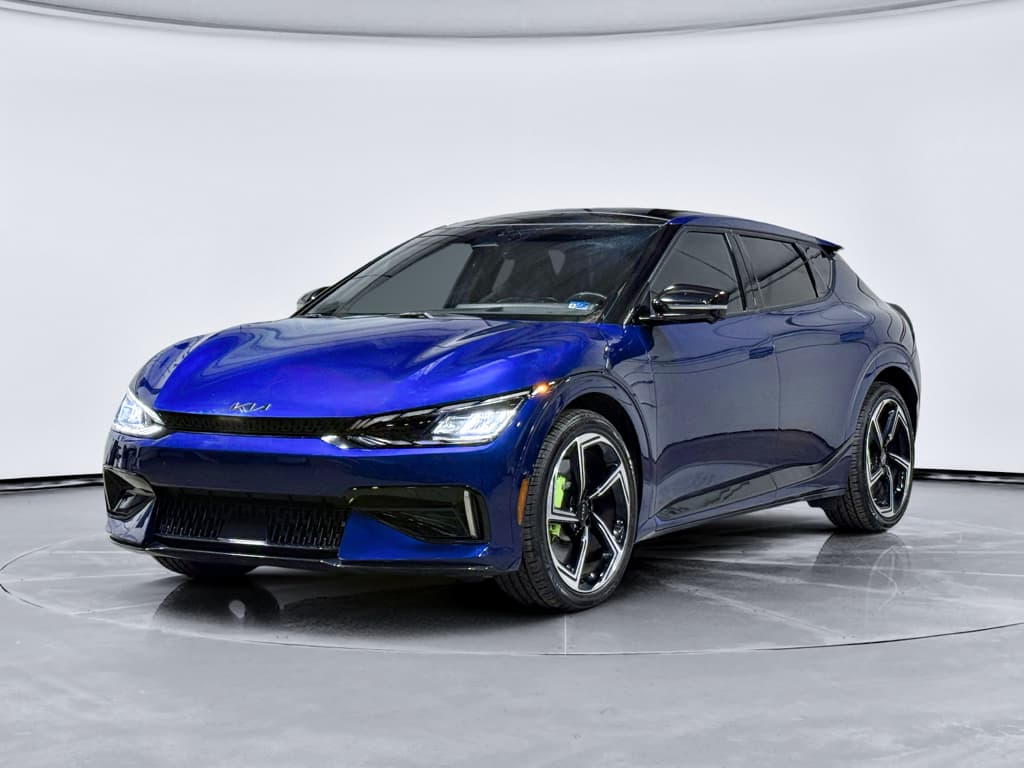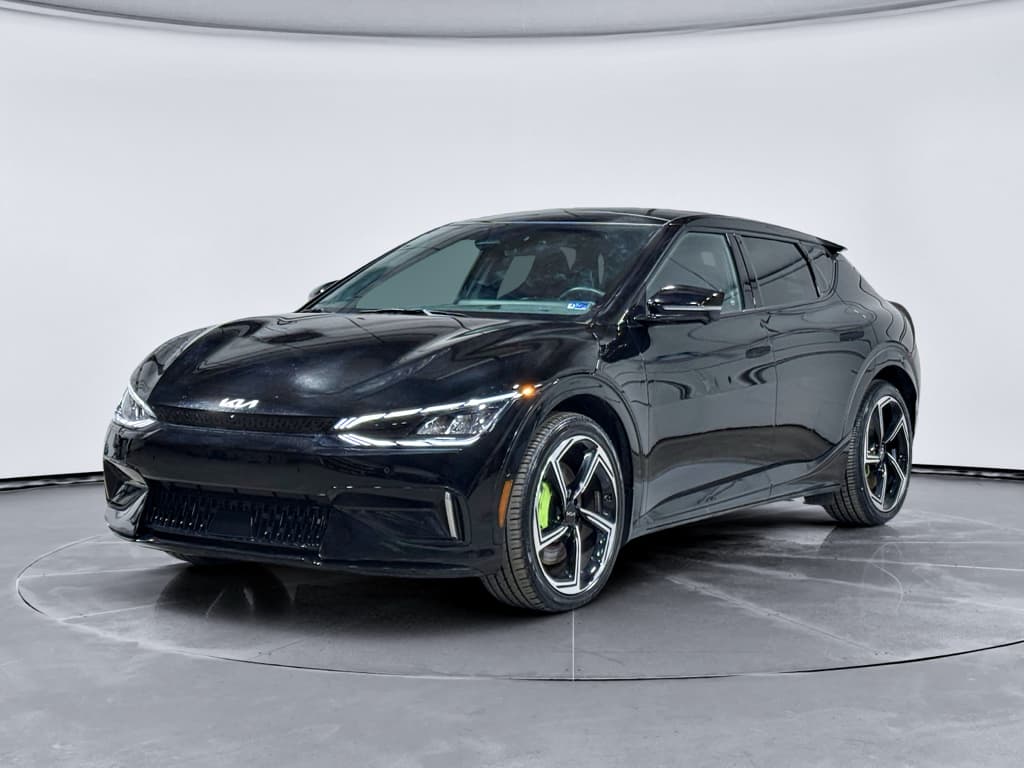
If you’re searching “sell my Kia EV6,” you’ve probably noticed something: values are all over the place. One dealer offer, a totally different number from an online buyer, and private listings that seem disconnected from both. This guide breaks down what your EV6 is likely worth in 2026, how EV-specific depreciation works, and the smartest ways to sell without leaving thousands of dollars on the table.
Quick take
Why selling your Kia EV6 feels tricky right now
Selling a Kia EV6 in 2026 is not like selling a normal gas crossover. EV prices have been on a roller coaster since 2024, and the EV6 is right in the middle of that correction. Incentives have shifted, new‑car discounts are aggressive, and a growing wave of off‑lease EVs is turning up at auctions. All of that filters down into the offer you get when you try to sell.
- Big depreciation early on: Like most EVs, the EV6 can lose a large share of its value in the first 3–5 years, especially if it started with a high MSRP and heavy incentives.
- Tax‑credit and incentive whiplash: The end of certain federal EV credits and new factory discounts on 2025 models have moved new‑car prices down, putting pressure on used EV6 values.
- Uneven demand by region: In EV‑heavy coastal metros, buyers know the EV6 well; in some interior states, EV demand is softer, which can drag down local offers.
- Battery questions: Shoppers have learned to ask about battery health, but most listings still don’t show real diagnostic data, just guesses. That makes pricing more cautious.
Why offers can feel insulting
How much is my Kia EV6 worth in 2026?
No single article can give you an exact dollar amount, but current US pricing data, auction results, and major valuation guides do outline a realistic range for 2023–2025 Kia EV6 models in early 2026. Think of these as ballparks, then adjust for your specific trim, mileage, and battery state of health (SOH).
Kia EV6 value snapshot (U.S. market, early 2026)
Illustrative Kia EV6 price ranges in 2026
These ranges blend public listing data and valuation‑guide ballparks. Your exact number will move up or down based on options, mileage, condition, region, and verified battery health.
| Model year & example trim | Typical mileage | Realistic private‑party asking range | Typical dealer / instant‑offer range |
|---|---|---|---|
| 2022 EV6 Wind RWD | 35,000–50,000 miles | $23,000–$28,000 | $18,000–$23,000 |
| 2023 EV6 GT‑Line AWD | 20,000–35,000 miles | $28,000–$35,000 | $23,000–$29,000 |
| 2024 EV6 Light Long Range AWD | 10,000–25,000 miles | $27,000–$33,000 | $22,000–$28,000 |
| 2025 EV6 GT‑Line AWD | <20,000 miles | $35,000–$45,000+ | $30,000–$38,000 |
Use this table as a directional guide, not a quote, when you start evaluating offers.
Don’t anchor on one number
What really drives Kia EV6 resale value
If you want to sell your Kia EV6 for top dollar, it helps to understand how buyers, dealers, and EV marketplaces think about value. With EVs, some factors matter more than they would on a gas SUV.
Key Kia EV6 value drivers
These are the knobs you can turn, or at least document, to improve offers.
Age & model year
Newer EV6s (especially 2024–2025) command stronger prices, but the steepest depreciation often hits in years 1–3. That means a 2–4 year‑old EV6 can be a sweet spot for buyers, and still worth enough for you to care about how you sell it.
Mileage & usage
EV buyers watch mileage closely because it can correlate with battery wear. A 2023 EV6 with 18,000 miles and clean records will usually beat a similar 40,000‑mile car by several thousand dollars.
Battery health (SOH)
For an EV6, verified battery state of health is the new odometer. A pack still showing high‑80s to 90‑plus percent SOH is a major selling point. Without data, many buyers assume the worst and discount their offers.
Accidents & repairs
Structural damage, airbag deployment, or poorly documented bodywork will scare away EV shoppers and some lenders. Minor cosmetic work is less of a deal‑breaker if it’s disclosed and properly repaired.
Trim & options
GT‑Line, dual‑motor AWD, tech packages, tow prep, and winter packages can all lift value. Make sure every option actually appears in your listing, don’t assume VIN decoders will surface everything correctly.
Location & timing
EV6 demand is stronger in regions with robust charging and EV incentives. Seasonality matters too: listings often perform better in spring and early summer than in the dead of winter.
Pro move: lead with battery health
Best ways to sell your Kia EV6, compared
Once you have a sense of what your EV6 might be worth, the next question is how to sell it. In 2026 you’ve effectively got four main paths: trade‑in at a dealer, take an instant online offer, list it yourself, or use an EV‑focused marketplace like Recharged.
Ways to sell a Kia EV6 in 2026
How the main selling channels stack up on price, speed, effort, and EV expertise.
| Selling option | Typical price vs. top market | Speed to cash | Effort level | EV expertise |
|---|---|---|---|---|
| Dealer trade‑in | Lowest (often $3k–$7k below private value) | Same day | Very low | Varies widely |
| Instant online offer (general sites) | Low‑to‑mid | 1–3 days | Low | Limited EV‑specific nuance |
| Private sale (DIY) | Highest potential | 1–6+ weeks | High (photos, listing, screening, paperwork) | Depends on you |
| EV‑focused marketplace (e.g., Recharged) | Near top of market in many cases | Several days to a few weeks | Moderate | High, battery and EV pricing specialists |
Higher estimated price usually comes with more work. The right option depends on how much time and risk you’re willing to take on.
Dealer trade‑in
Trading your EV6 in at a Kia or non‑Kia dealer is the fastest way to be done. You hand over the keys, sign a few forms, and your old loan (if any) gets paid off in the background. The catch: dealers typically build in a healthy profit margin and a buffer for EV price swings, so trade‑in figures can feel harsh.
Best for: Situations where convenience and tax advantages on a new purchase matter more than squeezing out every last dollar.
Private sale or EV marketplace
Listing your Kia EV6 privately, on classifieds or social media, can net you the highest gross price, but you’re also handling tire‑kickers, financing uncertainty, and risk of fraud. EV‑specific marketplaces like Recharged sit in the middle: they attract EV‑savvy buyers, help with pricing and battery diagnostics, and handle much of the paperwork while still targeting close‑to‑retail prices.
Best for: Sellers who want more money than a trade‑in offers but don’t want to be their own salesperson, title clerk, and fraud investigator.
Where Recharged fits
Ready to find your next EV?
Browse Vehicles
How to get the most money for your EV6
Whichever selling path you choose, there are a few levers that consistently move the needle on price. Think of them as low‑friction upgrades to your listing that often return several times what they cost in effort or cash.
High‑impact ways to boost EV6 resale value
These are the practical steps that buyers, and algorithms, actually reward.
Detail & recondition
A professional or very thorough DIY detail can make your EV6 look a model year newer in photos. Touch up curb‑rashed wheels, repair small windshield chips, and fix obvious dings that will jump out on inspection reports.
Document maintenance & charging
Gather service records, software‑update receipts, and any proof of regular DC fast‑charging or mostly home Level 2 use. Buyers like to see that the car was cared for and that charging habits weren’t extreme.
Upgrade your photos
Shoot 20–30 clear photos in good light: exterior from all angles, interior front and back, wheels, tires, charger, and the main infotainment screen. Clean, honest photos build trust and reduce back‑and‑forth.
Show real battery health
Whenever possible, include a third‑party battery health report instead of just showing the dash range. On Recharged, this is built in via the Recharged Score battery diagnostics.
Price with a cushion
If you’re selling privately, price your EV6 a bit above the minimum you’d accept to leave room for negotiation. Re‑evaluate weekly and adjust if views are high but inquiries are slow.
Be transparent about flaws
Disclose cosmetic issues, past repairs, or small quirks upfront. Honest descriptions and close‑up photos tend to attract more serious buyers and reduce last‑minute haggle attempts.
Lean on EV‑specific pricing data
Using an EV-focused marketplace like Recharged
If you’d like help with pricing, battery health, and dealing with buyers, an EV‑specific marketplace can be a strong middle ground between DIY selling and a low‑ball trade‑in. Here’s how a platform like Recharged typically works for a Kia EV6 seller.
What Recharged brings to the table when you sell an EV6
Battery health verified with Recharged Score
Every vehicle listed through Recharged gets a <strong>Recharged Score</strong> battery health report using specialized diagnostics. That gives buyers an objective look at your pack’s condition instead of relying on vague range screenshots.
Pricing guidance based on real EV6 data
Recharged looks at live used‑EV6 listings, auction data, and depreciation patterns, not just generic SUV curves, to help you set a realistic asking price for your trim and region.
Multiple ways to sell, one place
You can request an instant offer, consign your EV6 for Recharged to market on your behalf, or trade into another EV in their inventory. That flexibility is useful if your priorities change mid‑process.
Nationwide buyer reach
Because Recharged operates as a national digital marketplace with an Experience Center in Richmond, VA, your EV6 isn’t limited to buyers in your ZIP code. That can matter if local EV demand is soft.
End‑to‑end support & paperwork
From lien payoffs to title transfer and shipping, Recharged’s EV specialists help handle the admin so you’re not Googling forms at midnight or guessing how to coordinate a long‑distance sale.
In‑person help if you want it
Step-by-step checklist before you sell
Before you accept any offer on your Kia EV6, dealer, online buyer, or private party, run through this short checklist. It will help you spot issues that buyers will flag anyway and prepare you to negotiate with confidence.
Pre‑sale checklist for your Kia EV6
1. Pull your payoff and ownership docs
Contact your lender (if you have a loan) to verify your payoff amount and confirm there are no title surprises. Locate your title, registration, and any lien release documents so the sale doesn’t stall later.
2. Get a realistic value range
Use at least two sources: a major price guide, plus an EV‑specific reference such as a Kia EV6 resale or depreciation guide. If you’re working with Recharged, ask for a preliminary pricing view based on your VIN and mileage.
3. Gather service and charging records
Download service history from the Kia app or your dealer’s portal, print out key invoices, and save any reports from prior inspections or tire replacements. If you’ve mostly charged on home Level 2, note that too.
4. Schedule a battery health check
If you’re selling through Recharged, the Recharged Score evaluation will handle this step. Otherwise, look for an independent EV shop or diagnostic service that can read battery SOH and share a report you can show buyers.
5. Recondition and photograph the car
Wash, vacuum, and declutter your EV6. Then take clear, daylight photos from all angles, including close‑ups of wheels, tires, screens, seats, and the charge port. Good visuals can easily add perceived value.
6. Decide your minimum acceptable price
Before you get emotional about offers, write down the lowest number you’ll actually take after payoff. That anchor will help you avoid snap decisions and recognize a genuinely strong offer when it comes.
Common pitfalls when you sell a Kia EV6
Most EV6 sellers only do this once or twice, which means it’s easy to trip over avoidable mistakes, especially when the EV market is still adjusting. Here are some of the big ones to watch for.
- Accepting the very first trade‑in number without checking EV‑specific data or getting at least one competing offer.
- Listing your EV6 privately with only a few dim, indoor photos and no mention of battery health or recent service.
- Letting a buyer test‑drive alone with your keys and plate, something that invites unnecessary risk.
- Ignoring tax implications or potential sales‑tax savings if you’re trading into another vehicle.
- Misrepresenting or omitting prior accidents and paintwork, then watching serious buyers walk away at inspection time.
Safety first on private sales
FAQ: Selling a Kia EV6
Frequently asked questions about selling a Kia EV6
Bottom line: Should I sell my Kia EV6 now?
If you’re thinking “it’s time to sell my Kia EV6,” the 2026 market rewards preparation and transparency. Values have come down from their early‑pandemic highs, but a well‑cared‑for EV6 with documented battery health is still a compelling used EV, especially for buyers looking beyond Tesla.
Your next move should be simple: get a realistic value range from both general and EV‑specific sources, decide how much convenience you’re willing to trade for price, and line up at least two selling options. Whether you opt for a fast dealer trade‑in, a higher‑effort private sale, or an EV‑focused marketplace like Recharged, going in with data, not just a gut feeling, will help you walk away confident you got a fair deal for your Kia EV6.