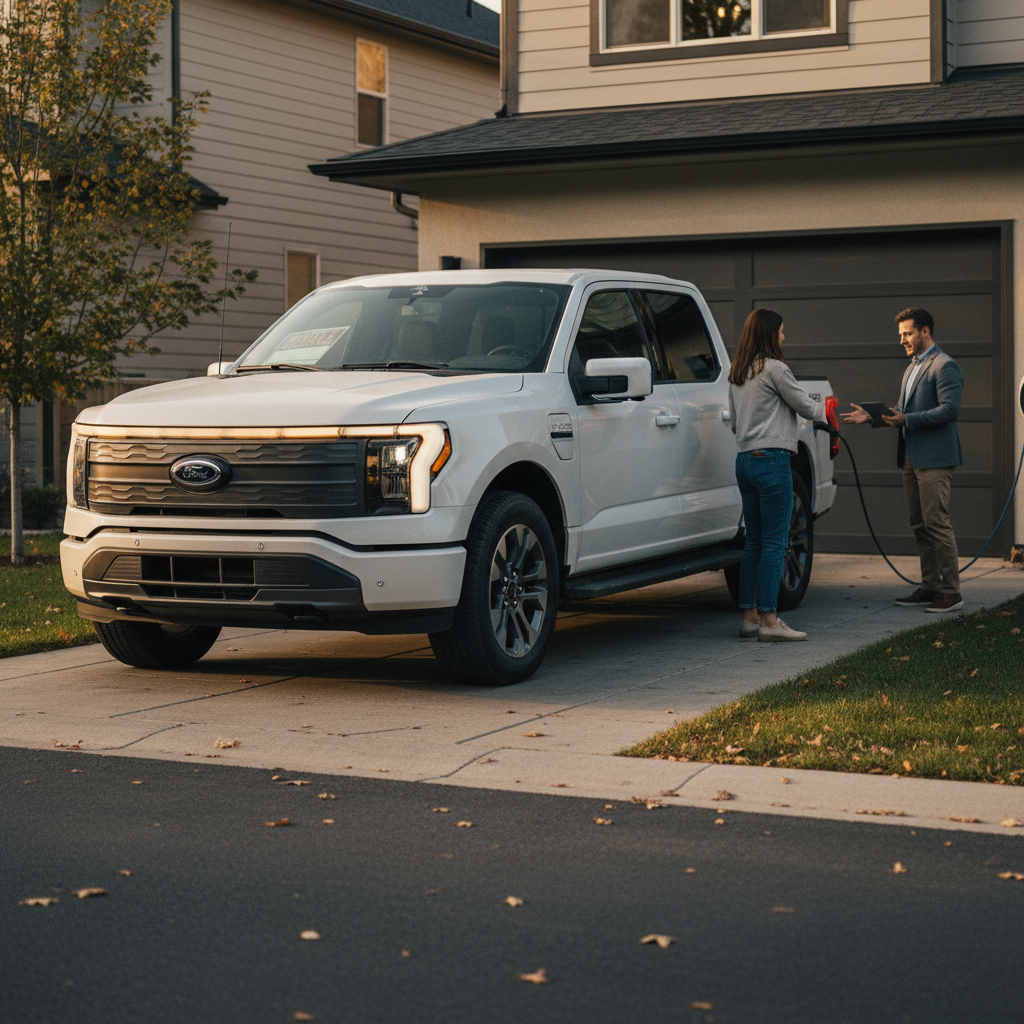
If you’re thinking, “I want to sell my electric car in California, but I don’t want to get burned,” you’re not alone. California has the most EVs and the deepest pool of potential buyers in the U.S., but it’s also a market where pricing, battery health, and incentives are changing fast. The good news: with a clear plan, you can sell quickly and still squeeze the real value out of your EV.
Quick snapshot: California’s EV used market
Why Selling an Electric Car in California Is Different
Four ways California changes your EV sale
Stronger demand, more scrutiny, and a different set of rules.
1. Deep pool of EV buyers
2. Charging is less of a barrier
3. Strong consumer protection culture
4. State rules around smog & paperwork
Don’t copy gas-car playbooks
Decide How to Sell Your Electric Car in California
Before you research price or take photos, decide how you want to sell. In California, your main options are: private-party sale, dealer trade‑in, or selling through an online marketplace or EV specialist like Recharged.
Ways to sell an electric car in California
How different channels perform on price, effort, and risk.
| Option | Typical price | Time & effort | Who it fits best | Key trade‑off |
|---|---|---|---|---|
| Private-party sale | Highest | High – you handle listing, test drives, paperwork | You want top dollar and can manage the process | More effort and more interaction with strangers |
| Dealer trade‑in | Lowest | Low – happens during your next purchase | You’re already buying another car and want speed | You give up value for convenience |
| Instant cash offer (online) | Low–medium | Low – quick inspections and offers | You need money fast or want no-hassle sale | Lower price ceilings, especially for niche EVs |
| EV specialist marketplace (like Recharged) | Medium–high | Medium – guided digital process | You want strong pricing but hate the DIY grind | May take longer than a wholesale sale, but with higher net proceeds |
Use this to match your time, risk tolerance, and cash needs to the right sales path.
Rule of thumb
Step-by-Step: How to Sell an Electric Car in California
Your step-by-step California EV selling checklist
1. Gather vehicle info and history
Collect VIN, current mileage, original window sticker if you have it, maintenance records, recall notices, and any battery or drive unit warranty details. Buyers in California often ask detailed questions and will walk away if documentation feels thin.
2. Check remaining EV and battery warranties
Look up how much warranty coverage is left on the battery, powertrain, and basic bumper‑to‑bumper. A car with years of battery warranty left is dramatically easier to sell, and worth more.
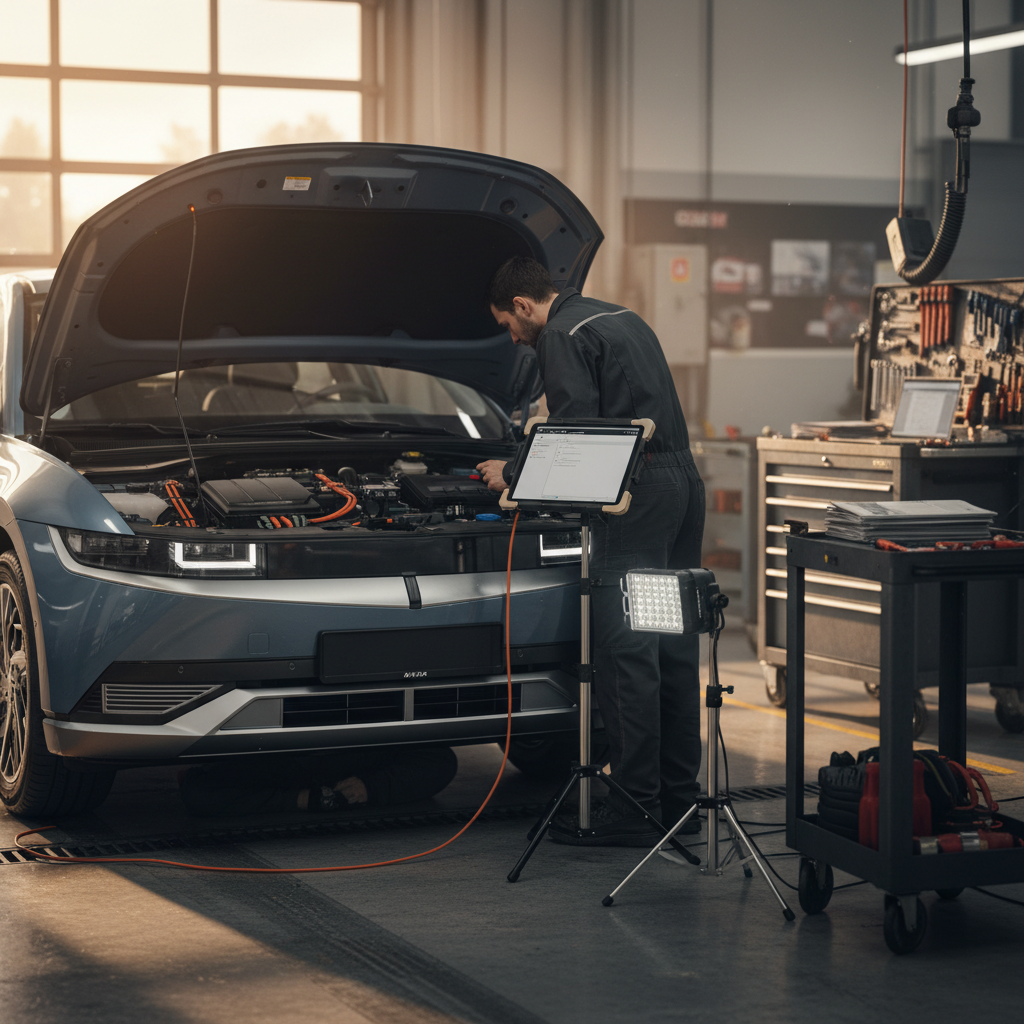
3. Get a real battery health assessment
For EVs, a generic pre‑purchase inspection isn’t enough. Use telematics tools, an OEM report, or a third‑party service like the <strong>Recharged Score</strong> to quantify battery state of health in plain language for buyers.
4. Confirm payoff amount or title status
If you still have a loan or lease, contact your lender to get a payoff quote and understand their payoff/title transfer process. For leases, confirm whether you’re even allowed to buy out and resell under your contract.
5. Clean, detail, and fix easy issues
EV buyers look closely at paint, wheels, tires, and cabin tech. Clear error messages, replace worn wiper blades, and fix obvious minor issues that can spook buyers or give them leverage to lowball.
6. Photograph and list with EV‑specific details
Shoot clear photos of the exterior, interior, display screens showing range at a given state of charge, charging port, and floor mats. In your listing, highlight battery health, charging speed, included cables/adapters, and software features.
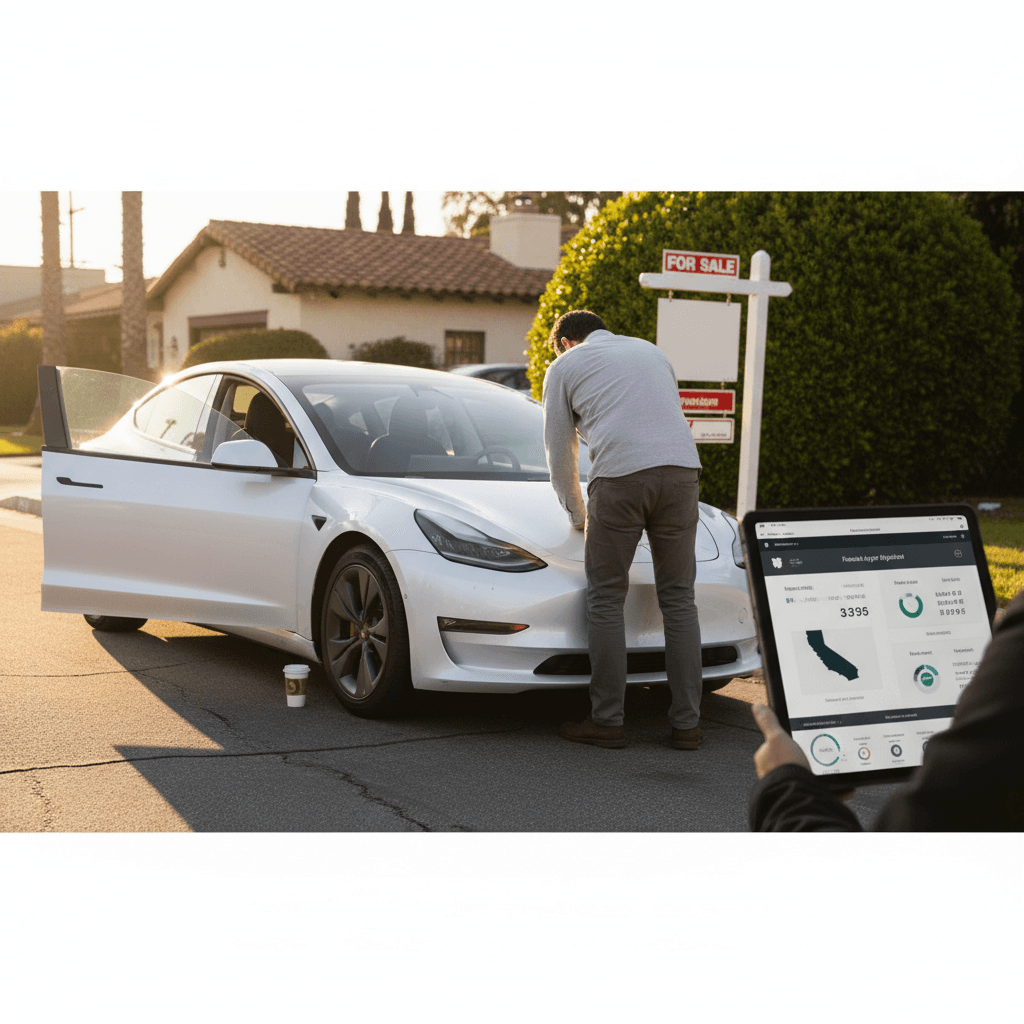
7. Screen buyers and manage test drives
Verify a valid driver’s license and insurance for test drives, meet in safe public places, and keep the car charged so buyers can see realistic range. For high‑value Teslas and luxury EVs, consider meeting near a bank.
8. Close the deal and complete CA paperwork
Collect certified funds, complete a bill of sale, sign the title, and submit the Notice of Transfer and Release of Liability to the California DMV within 5 days so you’re not on the hook for tickets or tolls.
Pricing Your Electric Car for the California Market
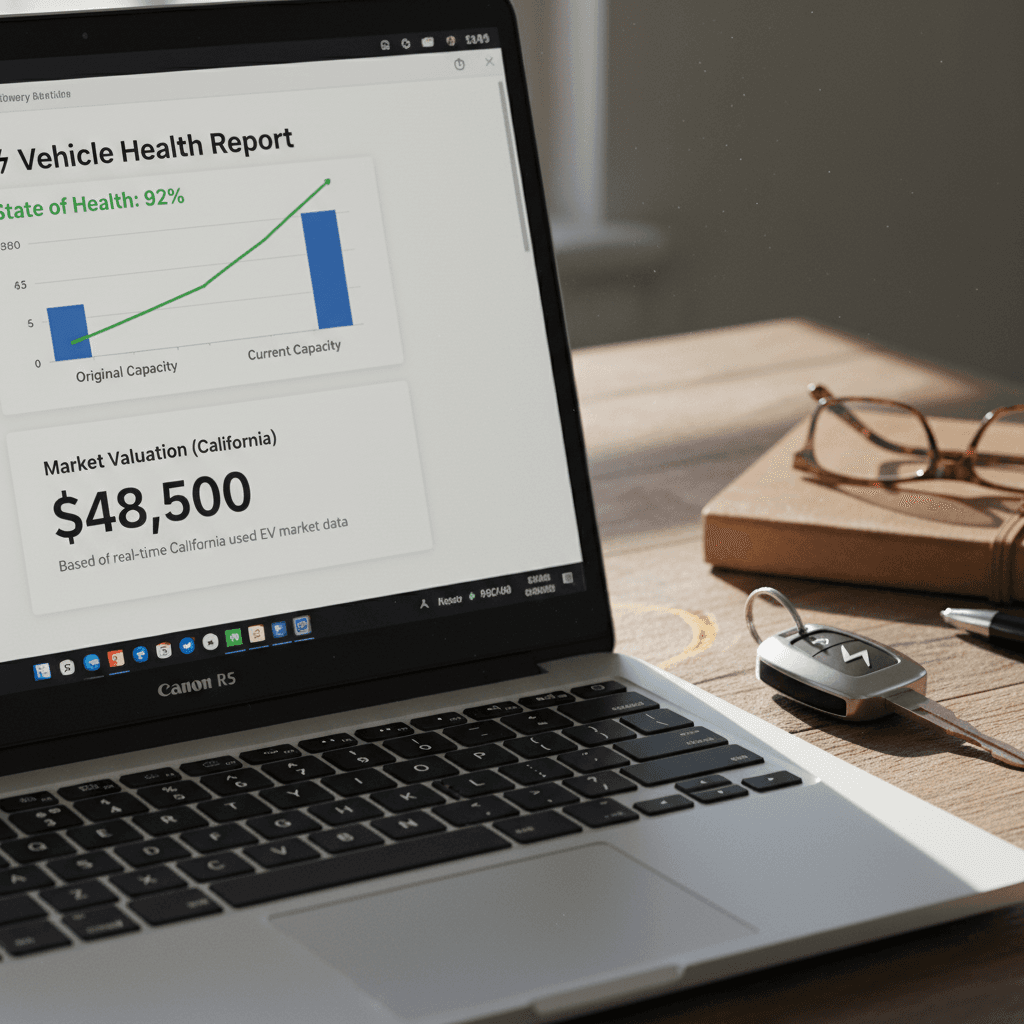
Used EV pricing in California looks different from gas cars. Sticker prices for new EVs have come down, many popular models are now offered with aggressive leases, and federal tax credits have shifted or ended, while California still has strong demand. You need to understand not just what your car cost new, but how buyers think about value per mile of range and remaining warranty.
Why pricing power is still strong in California
- Start with sold listings for your exact model, trim, and battery size in California ZIP codes, not national averages that don’t reflect this market.
- Adjust for battery health: a pack at ~90–95% of original capacity typically commands more than a similar car at 80–85%.
- Factor in remaining battery and powertrain warranty. California buyers understand that “years and miles left” directly affect risk.
- Consider home‑charging readiness: if you’re including a Level 2 charger or high‑demand accessories (like Tesla NACS adapters), price that into your package.
- Be realistic about incentives: federal used‑EV tax credits are changing or gone for many buyers, so don’t assume subsidized demand. Price based on actual buyer appetite, not last year’s headlines.
Use tiered pricing
Battery Health: The Number One Factor in Used EV Value
In a used EV sale, you aren’t just selling a car, you’re selling a battery. For many California buyers, state of health (SoH) and degradation matter more than paint color or wheels. A buyer who believes your pack is healthy will overlook minor cosmetic flaws; a buyer who doubts it will vanish or hammer you on price.
How buyers judge battery health
- Displayed range at a given state of charge (e.g., 80% charge showing 205 miles vs 240 when new).
- Any warning lights, “reduced power” messages, or error codes on the dash.
- Fast‑charging behavior: does it reach expected kW, or taper early?
- Service records showing battery replacements, module repairs, or software updates.
How to prove your pack is solid
- Use a third‑party battery report like a Recharged Score to translate telemetry into a simple A–F style rating.
- Take photos of the instrument cluster showing range at 80–100% charge.
- Document any OEM battery warranty work or software updates.
- Include recent fast‑charge session screenshots (for Teslas and some other EVs) if available.
How Recharged handles battery health
Paperwork, Smog, and Legal Requirements in California
The legal side of selling an EV in California is similar to selling a gas car, with one big difference: no smog check is required for battery‑electric vehicles. That simplifies one headache, but you still have to get the title and DMV steps right.
Key California requirements when you sell an EV
Handle these correctly to avoid tickets, tolls, or tax surprises after the sale.
Title and ownership
Bill of sale
Notice of Transfer
Smog check exemption for EVs
Leased EVs are a different animal
Where to Advertise and How to Stand Out
California buyers browse everywhere: mainstream classifieds, brand‑specific forums, social media, and specialist EV marketplaces. The channel matters, but your listing quality matters more. A well‑crafted ad with strong photos and real battery data will outperform a generic post on the “perfect” site.
- Mainstream marketplaces (Autotrader, Cars.com, Facebook Marketplace, Craigslist) offer broad exposure but mix your EV with thousands of gas cars.
- EV‑focused marketplaces and communities attract more informed buyers who understand range, charging, and incentives.
- Brand‑specific forums and owner groups (for Tesla, Rivian, Hyundai/Kia, etc.) can be powerful if you’re willing to engage with enthusiasts.
Must‑have details in your listing
- Battery size and trim (e.g., 2021 Hyundai Kona Electric Ultimate 64 kWh).
- Realistic range today and a clear note on how you measured it.
- Charging details: max AC rate (kW), DC fast‑charging speed, connector type (NACS, CCS, CHAdeMO, J1772).
- Included equipment: charging cable(s), adapters, wallbox, floor mats, roof racks.
- Software and driver‑assist features (Autopilot/FSD, BlueCruise, Super Cruise, etc.).
Photo angles that sell EVs
- Front 3/4 view and rear 3/4 view in good daylight.
- Interior with center screen powered on, showing range and software UI.
- Close‑up of the charge port (and adapter if included).
- Wheels and tires (tread depth visible).
- Any imperfections, photographed honestly to build trust.
Think like a remote buyer
Special Considerations for Tesla and Other Popular EVs
California is Tesla’s home turf, but it’s also a strong market for Chevy Bolt/Equinox EV, Hyundai Ioniq 5/6, Kia EV6, VW ID.4, Nissan Leaf, and more. Each model has quirks that matter in a used sale, especially around battery behavior, recall history, and charging hardware.
Model‑specific tips for California sellers
What buyers quietly worry about, and want you to address up front.
Tesla (Model 3/Y/S/X)
Chevy Bolt and EUV
Hyundai Ioniq 5/6 & Kia EV6
Nissan Leaf
Don’t forget adapters and cables
When a Specialist Marketplace Like Recharged Makes Sense
If this all sounds like a lot, battery diagnostics, pricing, screening buyers, you’re exactly the kind of seller EV‑focused marketplaces are built for. Rather than throwing your car into a generic auction funnel, you can work with people who understand how to value and explain your specific EV to California buyers.
How Recharged helps California EV sellers
Built from the ground up around used EVs, not gas cars.
Verified battery health
Fair market pricing
Digital selling, local support
Ready to find your next EV?
Browse VehiclesWhy some sellers choose consignment
FAQ: Selling an Electric Car in California
Frequently asked questions about selling an EV in California
Bottom Line: How to Sell Your EV Smartly in California
Selling an electric car in California is both easier and more demanding than in most of the country. There are plenty of buyers, but they’re informed and increasingly focused on battery health, charging, and software rather than just mileage and leather seats. If you price around real California comps, document your pack’s condition, and handle DMV paperwork cleanly, you can move your EV quickly without leaving money on the table.
If you’d rather not become an EV salesperson overnight, consider leaning on a specialist. Marketplaces like Recharged combine verified battery diagnostics, fair‑market pricing tools, financing, trade‑in options, and expert guidance from first contact through delivery. Whether you choose DIY, a dealer, or a dedicated EV platform, the key is the same: make your electric car’s health and value transparent, and California’s deep pool of EV shoppers will do the rest.