If you’re thinking, “It’s time to sell my Chevrolet Blazer EV,” you’re not alone. Between the early software drama, price cuts, and fast‑moving EV incentives, a lot of Blazer EV owners are wondering whether to cash out now or hold on. The good news: if you understand how this SUV’s unique story affects resale, you can still walk away with a strong deal in 2026.
Why the Blazer EV is a special case
Should I sell my Chevrolet Blazer EV now?
Start with the big question: does it make more sense to keep the Blazer EV or move on in 2026? Because this model launched with teething problems and aggressive price cuts, early‑build 2024s in particular have seen heavy depreciation, while later 2025 examples have a cleaner story and slightly stronger footing. That means the answer depends on your model year, software history, and how happy you are living with the vehicle day to day.
Top reasons owners are selling their Blazer EVs in 2026
See which ones sound familiar before you decide
You’re done beta‑testing
Range or charging doesn’t fit life
Incentives on newer EVs
Rule of thumb
How much is my Chevy Blazer EV worth in 2026?
Values move quickly on newer EVs, and the Blazer EV is no exception. By 2026, many 2024s have taken a steep hit from their original sticker, while later 2025s with updated software and cleaner histories hold a bit more. Pricing also depends heavily on trim (LT vs RS), mileage, and whether major recalls and updates are already done.
Chevy Blazer EV value snapshot for 2026 (big picture)
Use these ballparks as a sanity check, not as gospel. To dial in your number, combine a general appraisal tool with EV‑specific reality checks: recent sold listings, your local demand for used EVs, and, critically, the health of your Blazer EV’s battery and charging behavior.
Don’t price off original MSRP
What hurts or helps Blazer EV resale value?
Blazer EV value drivers in 2026
How the main factors move your asking price up or down.
| Factor | Helps value when… | Hurts value when… |
|---|---|---|
| Model year & trim | Later‑build 2025, popular trims (e.g., RS with dual‑motor AWD) that show updated software and options buyers want. | Early 2024 with lots of visit history, or unusual spec that’s harder to resell. |
| Battery health | You can show strong usable capacity, normal fast‑charge curves, and no high‑voltage warnings. | There are range complaints, fast‑charge failures, or recent high‑voltage system repairs with unclear outcomes. |
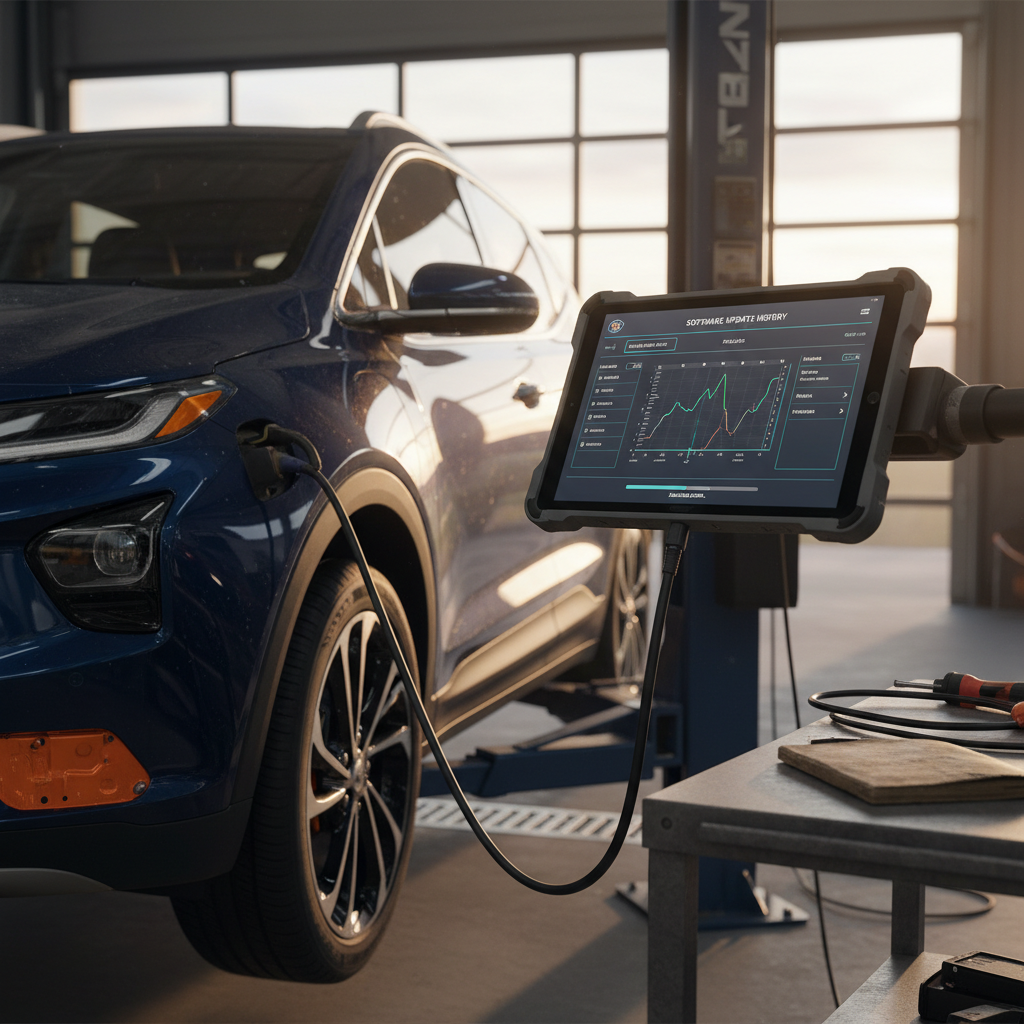
| Software & recalls | All campaigns and recalls closed, with paperwork from a Chevrolet dealer. | Open recalls, partial software updates, or a buyer who has to become the test driver for the next fix. |
| Charging behavior | Car charges consistently at home and DC fast chargers without errors. | Frequent charge faults, picky behavior with certain networks, or scary warning messages. |
| History & cosmetics | Single owner, no accidents, clean interior, straight bodywork, tires and brakes in good shape. | Accidents, buyback history, heavy wear, curb rash, warning lights, or mismatched tires. |
| Market & timing | You sell when local EV demand is healthy and new incentives aren’t undercutting your price segment. | You try to sell right after a big price cut, negative press, or during a flood of fleet off‑lease EVs. |
Use this as a checklist when you gather documents and photos.
How Recharged looks at Blazer EVs
Get your Blazer EV ready to sell: step‑by‑step
Pre‑sale checklist for your Chevrolet Blazer EV
1. Pull your service and recall history
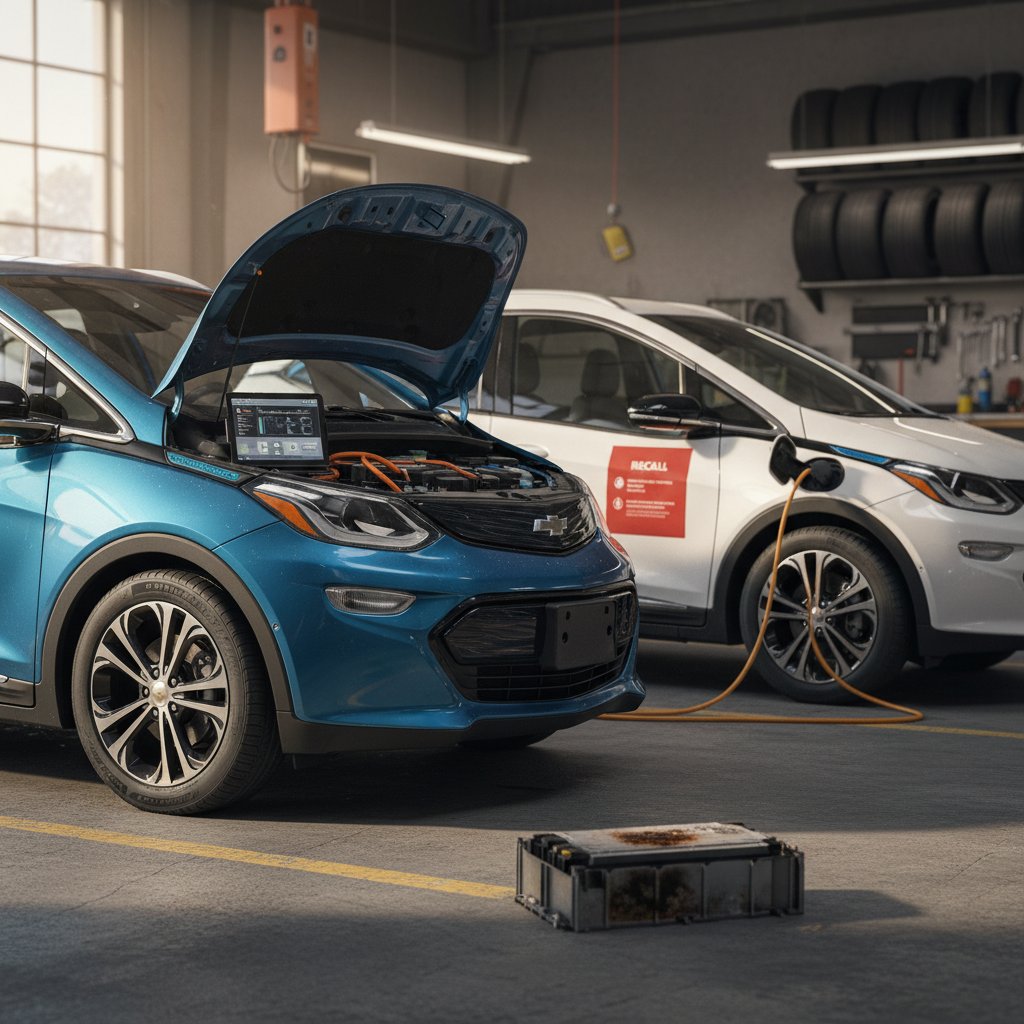
Log into your MyChevy account or call your dealer to confirm all open recalls and campaigns are complete. Print or save documentation, buyers are far more comfortable when they see that the stop‑sale and software issues have been addressed on your specific vehicle.
2. Get a battery and charging health snapshot
If possible, capture recent range at 100%, your typical DC fast‑charge speeds, and any battery‑related warnings (or lack of them). A third‑party battery health report, like the <strong>Recharged Score</strong> our technicians produce, can be a powerful trust signal.
3. Fix small but visible issues
Replace cracked windshield glass, burned‑out bulbs, and cheap interior trim pieces; clean up curb‑rashed wheels if the cost is reasonable. A Blazer EV that looks cared for helps buyers overlook the model’s reputation and focus on your specific car.
4. Detail the car inside and out
Deep‑clean the cabin, steam or shampoo stains, and have the exterior washed, decontaminated, and polished. EV shoppers tend to be meticulous; a spotless Blazer EV photographs better and justifies a stronger asking price.
5. Gather both keys, manuals, and charging gear
Include the mobile charge cord, any adapters, and wall‑box documentation you’re selling with the car. Missing keys or charge equipment create anxiety and give a buyer easy leverage to knock hundreds off your price.
6. Prepare an honest, detailed description
Write down the car’s full trim, options, software status, and any past issues that have been resolved. Being up front about the Blazer EV’s early quirks, and how they were fixed, often earns you more trust and fewer lowball offers.
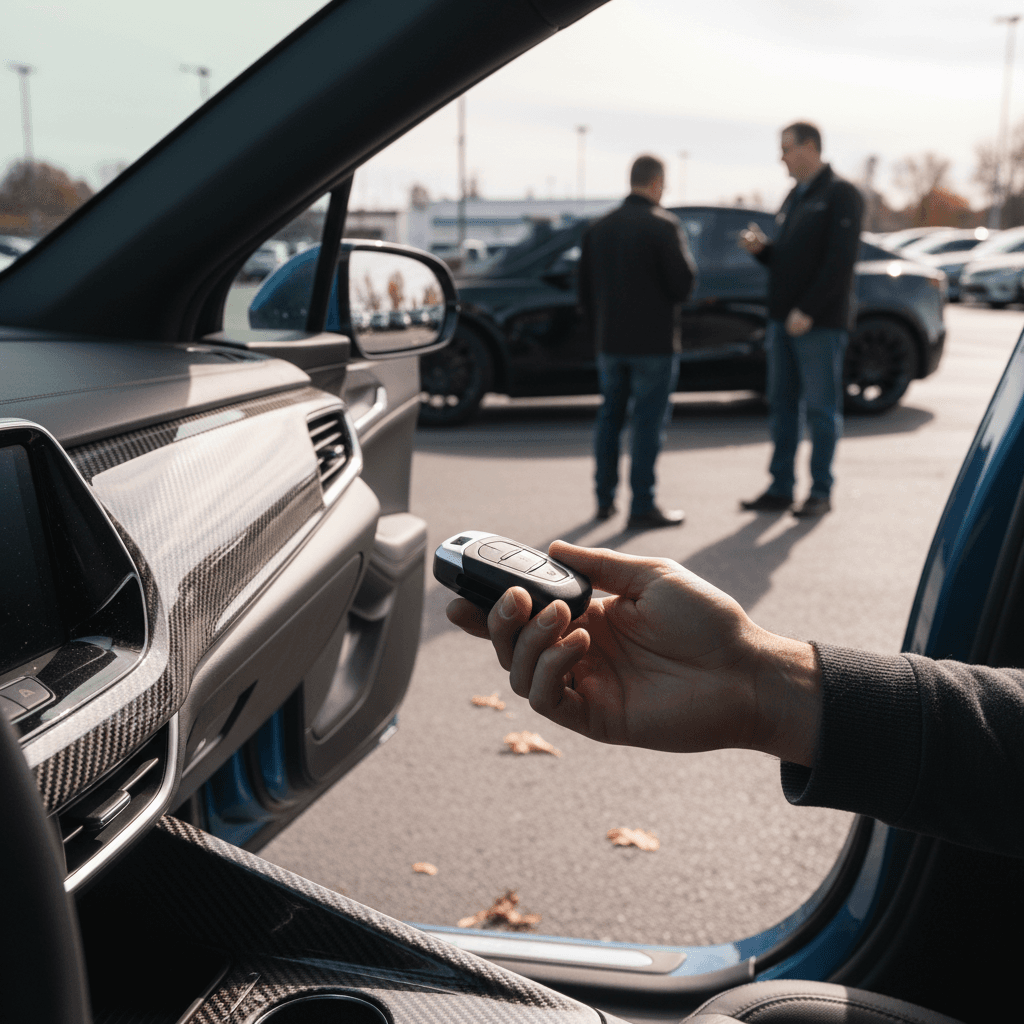
Selling options: trade‑in, instant offer, consignment, or private sale
Dealer trade‑in or direct sale
If you’re replacing your Blazer EV with another vehicle, a trade‑in is the simplest route. The dealer takes your SUV, handles paperwork, and you pay tax only on the difference in many states. The trade‑off is price: on a complex EV like the Blazer, many traditional dealers lowball to cover their uncertainty around software, battery health, and future recalls.
Some dealers will also simply pass if they’ve had bad experiences with early Blazer EVs. That’s where an EV‑focused buyer or marketplace can be a better fit.
Instant offer or consignment with an EV specialist
An instant offer from an EV‑specialist retailer gives you a firm buy number with almost no hassle, no tire‑kickers, no late‑night test drives, just a straightforward payout or trade credit.
Consignment sits between private sale and trade‑in: you still own the Blazer EV until it sells, but a company like Recharged markets it, fields buyers, and closes the sale, often for more money than a conventional dealer would pay.
How the main selling paths compare
Think about money, time, and your appetite for hassle.
Trade‑in at a dealer
- Pros: Fast, easy, tax advantage in many states.
- Cons: Often the lowest price, especially for a complicated EV with mixed press like the Blazer.
Instant offer (Recharged)
- Pros: Quick, transparent EV‑specific valuation, no private‑sale stress.
- Cons: You may get less than a top‑tier private sale, but usually more than a nervous gas‑focused dealer will pay.
Private sale
- Pros: Highest potential price if you market well.
- Cons: More time, more no‑shows, you handle all paperwork, and you’ll have to explain the Blazer EV’s story yourself.
Where Recharged fits in
Selling your Blazer EV to an EV specialist like Recharged
Not every buyer understands why a Blazer EV might behave oddly at a particular DC fast charger, or why an early software campaign matters more than a new set of floor mats. That’s the advantage of selling through an EV‑first company: the people valuing your car speak the same language you do, and they’re used to separating normal EV quirks from true red flags.
What you get when you sell a Blazer EV through Recharged
Designed around used EVs, not gas cars with a plug.
Objective battery and charging diagnostics
Market‑fair pricing and guidance
Handled paperwork and funding
Pickup and delivery support
Ready to find your next EV?
Browse VehiclesPricing strategies for a fast, fair sale
Once your Blazer EV is cleaned up and documented, the next job is picking a price that respects what you’ve invested but won’t scare off informed EV buyers. The trick is to ignore outlier asking prices and focus on where clean, realistically‑priced Blazer EVs are actually changing hands.
- Start with 2–3 appraisal tools to set a baseline, but remember they may not fully account for the Blazer EV’s early‑production drama or heavy incentives.
- Search recent sold listings, not just active ads, for similar year, trim, mileage, and option content in your region.
- Adjust upward for a clean history, complete recall documentation, and strong battery health proof. Adjust downward if a buyer will inherit unresolved software issues or cosmetic damage.
- Price with a small negotiation cushion (for example, list 3–5% above your minimum acceptable number) and be ready to adjust if you get lots of views but no messages.
- If you’re listing through Recharged consignment, work with their EV specialist to choose a market‑fair price that balances speed and return. Their data on similar Blazer EVs can keep you from chasing the market down.
Use your car’s story as a selling tool
Common mistakes when selling a Blazer EV
- Pretending the recall history doesn’t exist. EV shoppers research. If your buyer learns about stop‑sales and early glitches from YouTube instead of from you, they’re more likely to walk, or lowball.
- Skipping battery and charging documentation. Range and charging anxiety don’t disappear just because the badge says Chevrolet. The more proof you can offer that your Blazer EV behaves, the more comfortable buyers will be.
- Letting warning lights or software bugs slide. If infotainment or charging messages pop up regularly, address them before you list the car or be prepared to price accordingly. A check‑engine light in the ad photos is an invitation for bottom‑feeders.
- Under‑estimating traditional dealers’ caution. Some gas‑focused dealers simply don’t want to touch a Blazer EV right now. Don’t take a single lowball as proof your SUV is worthless; look for EV‑savvy buyers and marketplaces.
- Over‑spending on cosmetics while ignoring fundamentals. A paint correction won’t offset an open high‑voltage recall. Fix what actually affects safety and drivability first.
Safety and high‑voltage work is not DIY
Frequently asked questions about selling a Chevrolet Blazer EV
Chevy Blazer EV selling FAQ
Final thoughts: Make your Blazer EV’s bad press work for you
The Chevrolet Blazer EV has had a rockier start than anyone at Chevrolet wanted, and used‑market values reflect that. But as a seller, you’re not powerless. When you understand how early software issues, recalls, and battery health shape what buyers are willing to pay, you can turn that backstory into leverage instead of a liability.
If you’re ready to sell your Chevrolet Blazer EV, start by gathering documentation, getting a clear read on battery and charging behavior, and deciding how much time you’re willing to invest. Whether you choose a quick instant offer, a consignment listing with EV specialists like Recharged, or a carefully managed private sale, the right preparation can turn a controversial electric SUV into a solid exit, and a smooth step into your next EV.