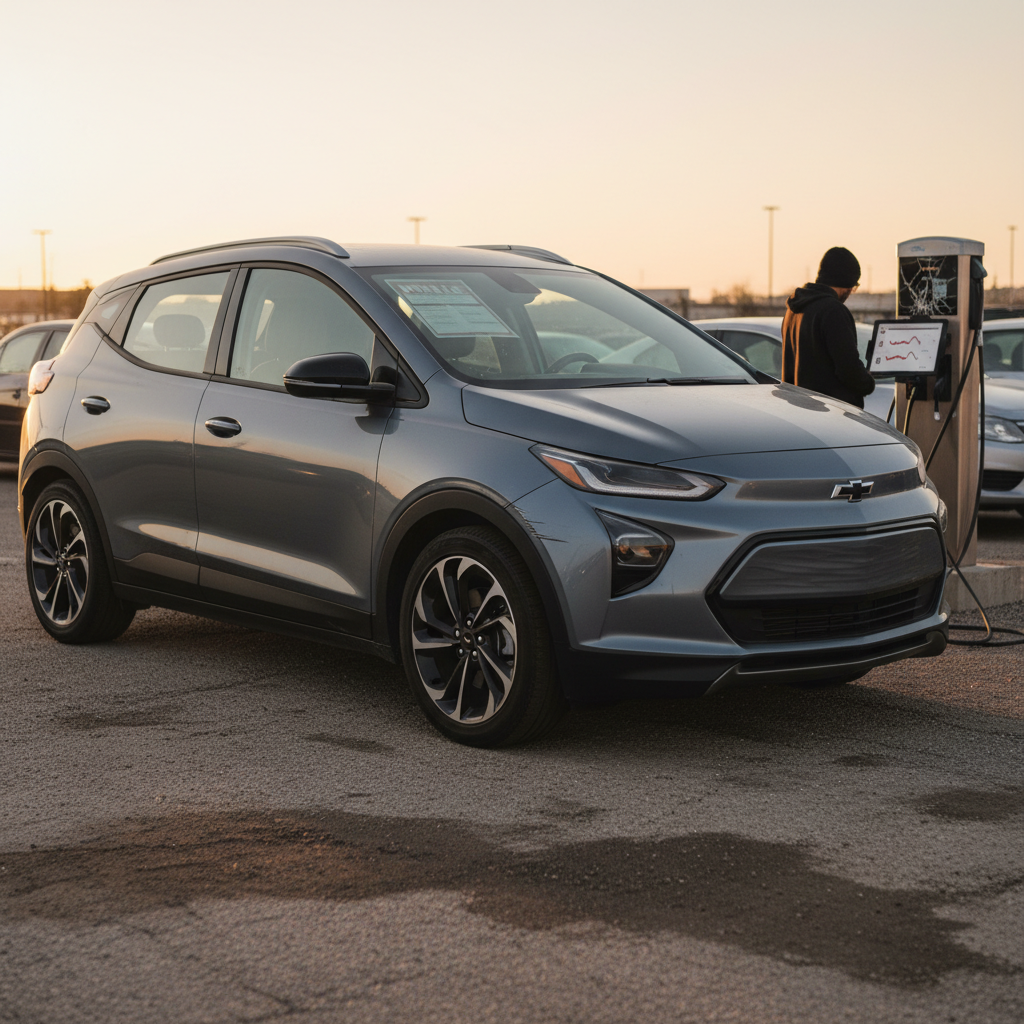
If you want to sell a leased electric car early, you’re not alone. Thanks to aggressive EV lease incentives in 2023–2025 and shifting used EV prices, a lot of drivers now find themselves in the same spot: the car no longer fits, the payment feels high, or there might be real equity trapped in the lease. The good news is that you often have options, but the rules around leased EVs are more complicated than just “selling your car.”
Important context for 2026
Why so many drivers want to sell a leased EV early
EV leasing & used market in 2025–2026
Three big forces are driving people to explore selling a leased EV early: 1. Life changes: New job, new commute, or a move where public charging is worse (or better) than expected. 2. Payment shock: Insurance, interest rates, and maintenance like tires can make the lease feel more expensive than planned. 3. Market reality: Residual values written in 2023 looked optimistic. In 2026, some leases are deeply underwater while others are sitting on thousands in equity.
Leases are not simple loans
Can you actually sell a leased electric car early?
In most cases, yes, but not in the way people imagine. When you “sell” a leased EV early, you’re really doing one of two things: 1. Early lease buyout: You (or a dealer on your behalf) pay the leasing company what it takes to buy the car early, then the car gets resold or traded. 2. Early termination without buyout: You simply end the lease and hand the vehicle back, paying whatever early termination charges the contract calls for. The first path is what people usually mean by “selling” a leased EV. The second is basically cutting your losses and walking away.
- Some leasing companies allow third‑party buyouts (to dealer groups, online retailers, or marketplaces).
- Others only allow buyouts if the purchaser is you or a franchised dealer for that brand.
- A few make early buyouts expensive with extra fees or inflated payoff quotes, effectively pushing you to ride out the lease.
Watch for third‑party buyout restrictions
Step 1: Read your EV lease like a lawyer
Before you get quotes or list anything online, pull out your lease agreement (or download it from your finance portal) and look for a few critical sections. Take notes, you’ll use all of this when you compare offers.
Key clauses to find in your EV lease
1. Purchase option & residual value
Look for language like “purchase option at end of lease term.” Note the residual value (the price to buy the car at scheduled lease end). This is your baseline number.
2. Early termination or early buyout
Find the section on early termination or early payoff. Some contracts spell out a specific formula; others refer you to the lessor for a current quote.
3. Disposition and other fees
Confirm whether there’s a disposition fee if you turn the car in, and whether it also applies to early termination. Many leases charge around a few hundred dollars for handling the returned vehicle.
4. Excess mileage & wear
Even if you exit early, the lessor can charge for over‑miles and excess wear. Knowing your mileage allowance, current odometer, and condition will help you predict these costs.
5. Third‑party buyout rules
Look for any language about selling, assigning, or transferring the lease. Some contracts explicitly say that only you or a franchised dealer can buy the car from the lessor.
6. State‑specific protections
Some states limit how much a lessor can collect on early termination. Your contract or separate state addendum will usually reference these rules; if not, a quick call to the lessor is essential.
Call your lessor before you call any buyer
Step 2: Calculate your buyout and true cost
To decide whether selling your leased EV early makes sense, you need to know the number that any buyer has to beat: your total cost to get out of the lease today. That’s more than just the residual value printed on page one.
Option A: Early buyout
Ask your lessor for a current lease payoff quote. This often includes:
- Remaining base payments (sometimes discounted)
- Residual value (what the car is expected to be worth at term end)
- State taxes on the buyout (if applicable)
- Buyout or purchase‑option fee
This is what you, or a dealer or marketplace, must pay the lessor to buy the car today.
Option B: Early termination
Some contracts let you terminate without buying the car. In that case, you’ll usually owe:
- Any past‑due payments and late fees
- Early termination charge (a formula in the contract)
- Disposition fee, plus excess wear and mileage
- Taxes and official fees linked to termination
This route is more about limiting losses than capturing equity, but it may be cheaper than trying to sell if you’re far underwater.
Pro move: Get the payoff in writing
Step 3: See if your leased EV has equity
Lease equity is the difference between what your EV is worth on the open market and what it costs to buy from the lessor. When values were spiking in 2021–2022, it was common to have thousands in positive equity. In today’s market, it’s much more mixed, especially for EVs with aggressive discounting on new models.
How to check for equity in your leased EV
You need both sides of the equation: payoff and market value
1. Get your payoff
Use the written payoff quote from your lessor. This is your cost basis. Don’t guess based on your residual alone, early payoffs can be higher.
2. Get cash offers
Request instant cash offers or trade appraisals from multiple buyers: franchised dealers for your brand, used‑EV specialists, and online retailers.
3. Compare & decide
If the best offer exceeds your payoff, you have positive equity. If it’s lower, selling early means bringing money to the table.
When early sale usually makes sense
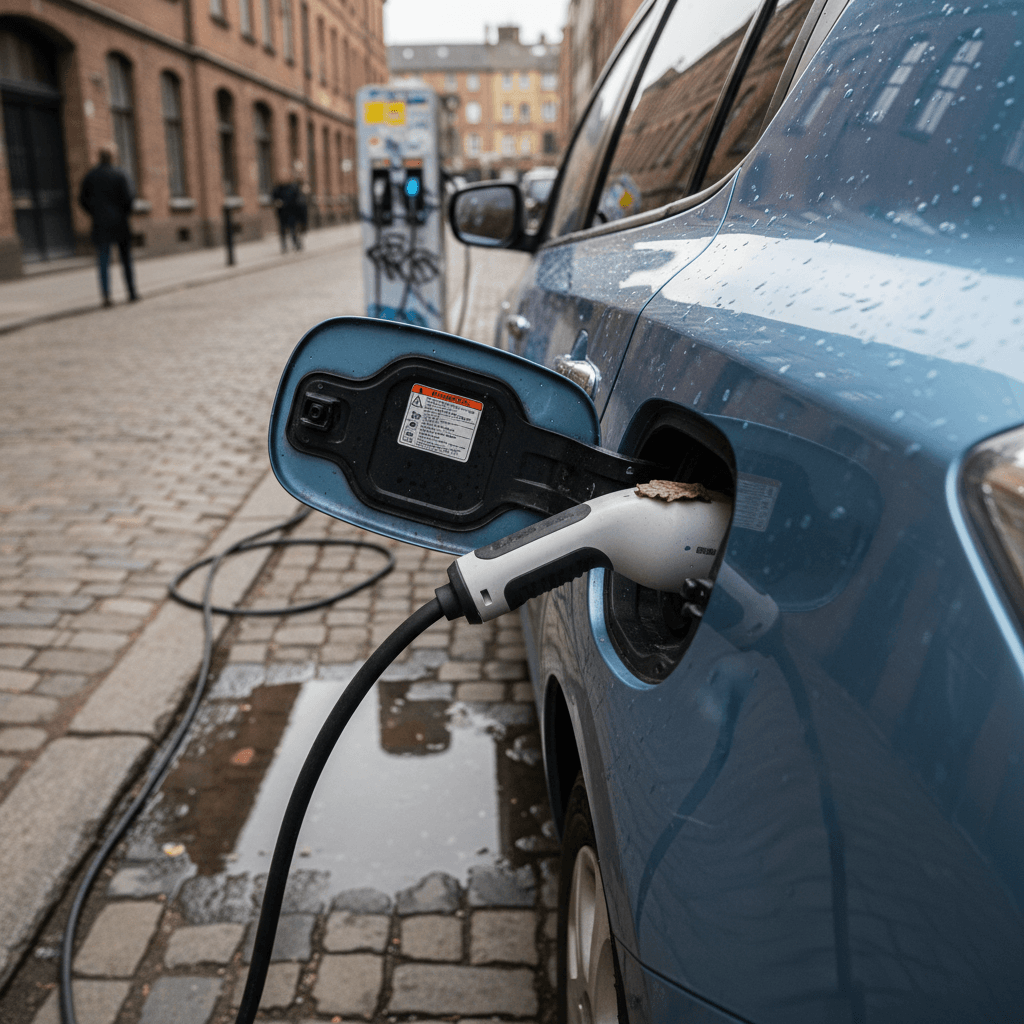
Four main ways to sell a leased EV early
Once you know your payoff and whether you have equity, you can choose the best exit path. All of these boil down to buying the car from the lessor and then turning it into cash or another vehicle, but the mechanics and fees differ.
Comparing early exit options for a leased electric car
Use this to see which route fits your situation, then dig into the details below.
| Option | Who buys the car | Best when | Risks/downsides |
|---|---|---|---|
| Trade into another EV at a dealer | Franchised or used‑EV dealer | You want another EV and value convenience | Dealer controls pricing; easy to miss equity if you don’t know your payoff. |
| Sell to an online or national buyer | Large used‑car retailer or marketplace | Your lessor allows third‑party buyouts and your EV is in demand | Some captives block third‑party buyouts; offers can change quickly. |
| Buy it yourself, then resell | You, then private buyer or marketplace | There’s strong equity and you’re comfortable handling title and tax | You front the buyout cost and take on short‑term market risk. |
| Early termination with no sale | No one buys; you just return the car | You’re deeply underwater and just need out | You may still owe thousands in early termination and wear charges. |
Numbers vary by brand and state, but the trade‑offs tend to look like this.
1. Trade your leased EV into another vehicle
This is the most common and usually the simplest path. You bring your leased EV to a dealer, either the same brand or a used‑EV specialist, tell them you want to trade out of a lease, and they handle the buyout with your lessor as part of the deal.
- If your trade value is higher than the payoff, the equity can reduce the price or payment on your next vehicle.
- If it’s lower than the payoff, the negative equity gets rolled into the new loan or lease, or you pay it in cash.
- Many brand dealers are set up to buy out leases from their own captive finance arm even when national car‑buying services can’t.
Don’t negotiate only the monthly payment
2. Sell to an online or national car buyer
Many national used‑car retailers and some online platforms will appraise and purchase leased vehicles by paying off the lessor directly. From your perspective it feels like selling any other car, but behind the scenes, it’s a lease payoff plus title transfer.
The catch is policy. Some leasing companies no longer allow direct third‑party buyouts, or they quote a much higher “third‑party payoff” than your personal buyout. That can erase your equity on paper even if the car is worth more than the residual.
How to check third‑party buyout rules
3. Buy the EV yourself, then resell it
If your lessor blocks third‑party buyouts but your EV clearly has equity, you can execute the buyout personally. You pay the payoff (usually via a short‑term loan or cash), get the title in your name, and then sell the car like any other used EV, privately, to a marketplace, or to a dealer that pays more than your payoff.
- This can unlock equity that isn’t available through a direct dealer buyout.
- You’ll need to cover taxes and registration in your name, then deal with title transfer again when you sell.
- You’re taking on short‑term price risk: if the EV market dips or your car sits longer than expected, your net proceeds shrink.
Financing a self‑buyout
4. Early termination with no sale
If you’re far underwater and can’t or don’t want to finance a buyout, early termination may be the least‑bad option. You return the car to the lessor, pay whatever early‑termination formula, fees, and wear/mileage charges the contract calls for, and walk away.
This doesn’t feel good, but if your lease was written on inflated used‑car assumptions or your EV’s value has plunged faster than expected, throwing more good money after bad just to “own something” can be worse. The key is to model both paths before deciding.
Don’t stop making payments too soon
Special issues with electric car leases
Getting out of an EV lease early adds a few wrinkles you wouldn’t worry about as much with a gas car. These can affect both your payoff math and the offers you’ll see from buyers.
What makes EV lease exits different
Battery health, incentives, and charging all matter
Battery health & degradation
Buyers care deeply about usable battery capacity. An EV with documented, healthy battery state of health (SoH) is much easier to sell than one with unknown or poor battery readings.
Rapid tech & price shifts
New EVs keep getting incentives, range bumps, and price cuts. Those moves can push down used values quickly, especially for short‑range or first‑generation models.
Charging experience
If your EV has limited fast‑charging compatibility, poor charging curves, or an older connector standard, some buyers will discount their offers accordingly.
Incentives baked into leases
Many EV leases were built on federal and state incentives that effectively lowered the monthly payment, but not necessarily the residual. That can leave you underwater if used prices soften.
Battery documentation is a selling tool
How Recharged can help if you’re exiting an EV lease
If you’ve decided your current EV lease isn’t the right fit, the next question is what to drive instead, and how to get there without wasting money. This is exactly where an EV‑first retailer like Recharged is designed to help.
1. Understand your numbers
Our EV specialists can help you interpret your lease, compare payoff vs. market value, and figure out whether you’re sitting on equity or facing negative equity.
2. Move into a used EV that fits
Recharged’s marketplace focuses on used EVs with verified Recharged Score battery health reports and fair‑market pricing, so you can step into ownership with more transparency than a typical lease trade.
3. End‑to‑end, digital‑first process
From financing and trade‑in or consignment to nationwide delivery and expert support, you can handle almost everything online, or visit our Experience Center in Richmond, VA if you prefer in‑person help.
Turn a lease exit into an upgrade
Ready to find your next EV?
Browse VehiclesFAQ: Selling a leased electric car early
Frequently asked questions
Bottom line: should you sell your leased EV early?
Selling a leased electric car early isn’t as simple as “finding a buyer.” It’s a three‑step process: understand your contract, calculate your true payoff, and compare it to the real‑world value of your EV. For some drivers, that exercise reveals meaningful equity that can jump‑start a transition into a better‑fitting used EV. For others, it’s a warning to ride out the lease or negotiate a cleaner exit.
Either way, you’re making a high‑stakes decision at a time when EV prices, incentives, and technology are changing fast. Lean on specialists who understand both the EV hardware, especially battery health, and the financial plumbing of leases, trade‑ins, and financing. If you’re ready to run the numbers on your own situation, Recharged can help you value your lease, structure a trade or consignment, and move into a used EV with more transparency and less guesswork.