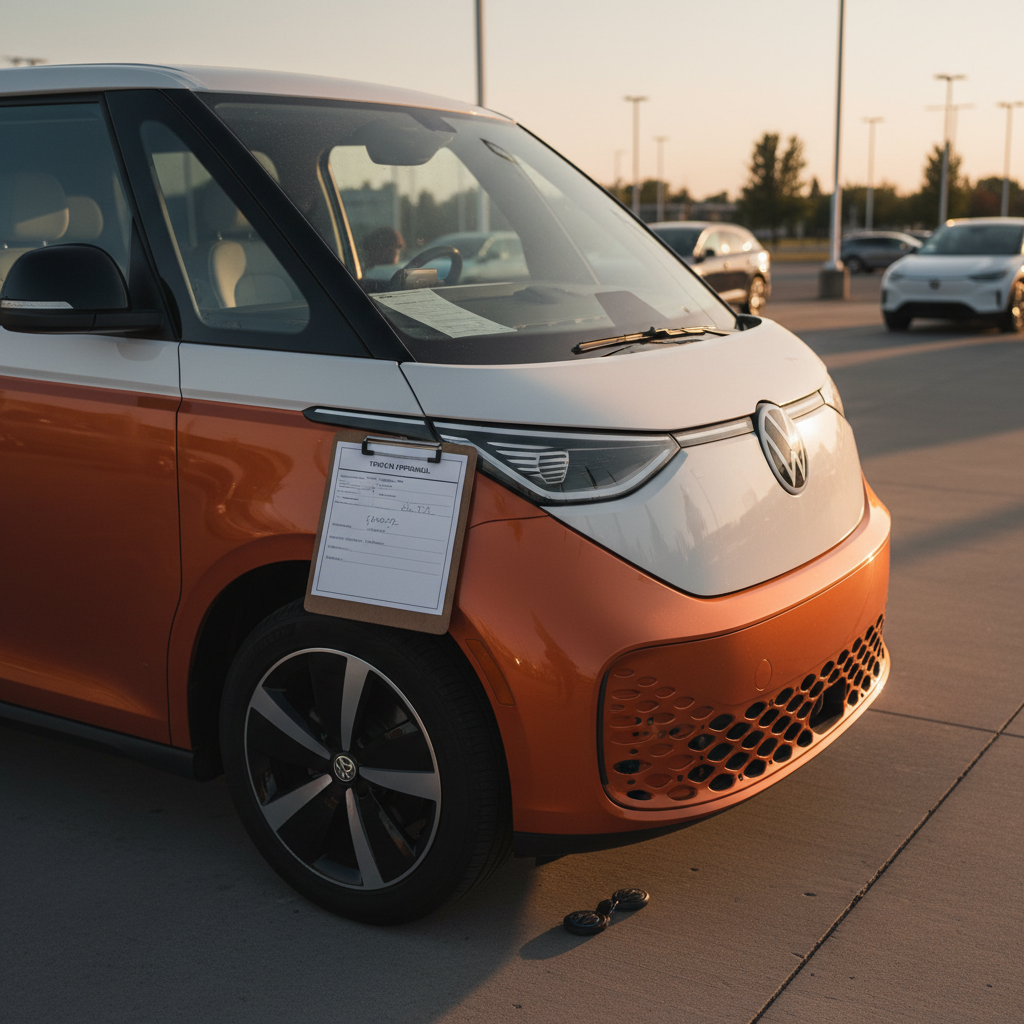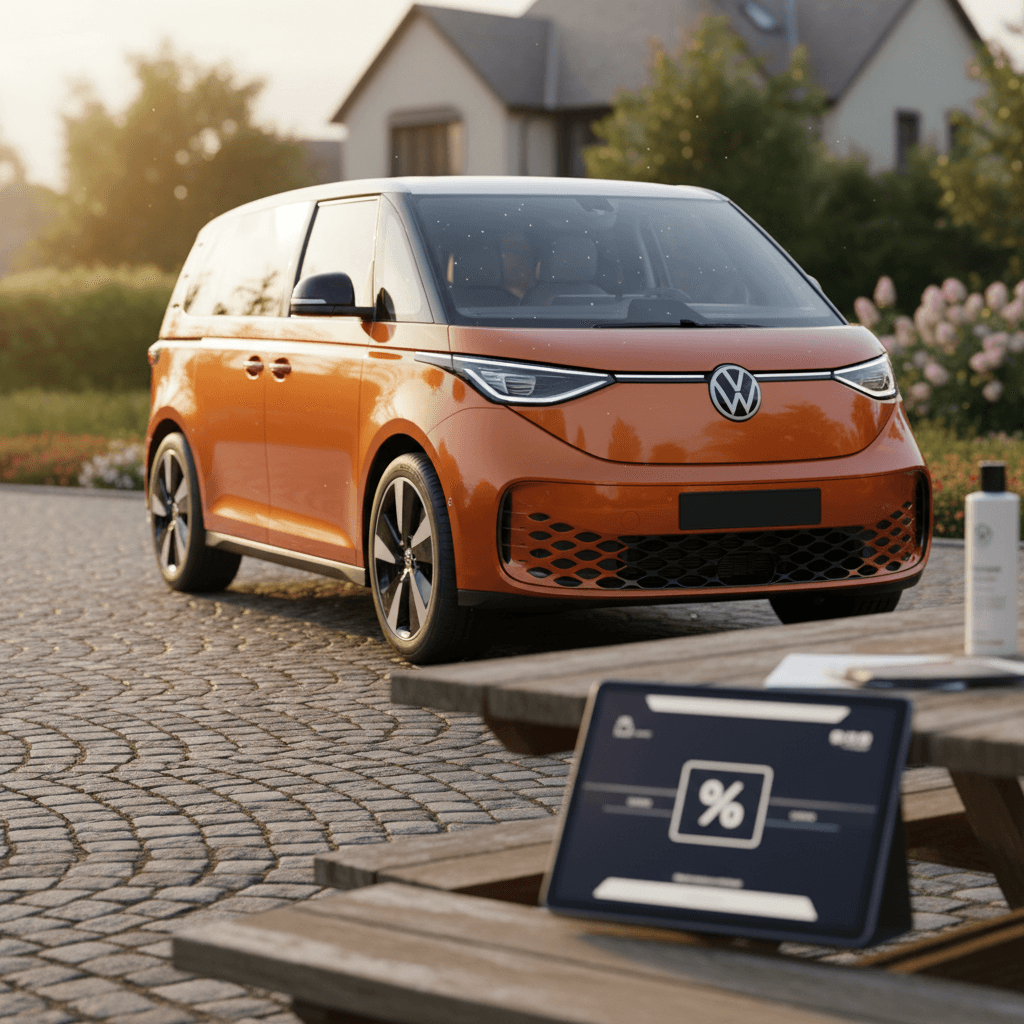
If you’re thinking about selling a 2026 Volkswagen ID. Buzz, you’re not just selling a quirky electric van, you’re selling a rolling lifestyle statement in a segment with almost no direct competitors. That uniqueness can help or hurt your 2026 ID. Buzz value, depending on how you position it, how healthy the battery is, and who you sell to.
Context for 2026 sellers
2026 ID. Buzz resale basics: what you’re really selling
Not just “an EV”
The ID. Buzz lives at the intersection of family hauler, road-trip van, and retro design object. Buyers aren’t cross‑shopping it against a random compact SUV; they’re comparing it to three‑row crossovers, minivans, and sometimes camper builds.
That means buyers will pay up for space, flexibility, and the emotional pull of the Microbus look, if the range and battery health check out.
Model-year 2026 wrinkle
VW’s stop‑start strategy with the U.S. ID. Buzz and shifting incentives means 2026 Buzzes sit in a weird middle ground: you’re close to new‑car tech, but used‑EV price swings can be sharp. Expect values to be driven more by real‑world range and equipment than by the model year stamped on the title.
In other words, a clean, well‑equipped 2025 or 2026 Buzz with strong battery health can still command serious money, even if headline news around EV depreciation looks grim.
How much is a 2026 Volkswagen ID. Buzz worth?
Because the 2026 Volkswagen ID. Buzz is still new to the U.S. used market, there isn’t enough clean, public transaction data yet to quote precise dollar ranges by trim and mileage. Instead, you should think in terms of relative value:
Benchmarks that frame 2026 ID. Buzz value
VW’s own ID.4 compact SUV has depreciated faster than the best‑resale EVs but roughly in line with the broader EV average. It’s reasonable to expect the 2026 ID. Buzz, more niche, more expensive, and less efficient, to track similar or slightly steeper depreciation unless it develops cult‑classic status in the used market.
A simple pricing starting point
7 factors that drive 2026 ID. Buzz resale value
What used‑Buzz buyers actually pay for
It’s not just mileage and Carfax, here’s what moves the needle.
1. Battery health & range
For any EV, State of Health (SOH) is king. A Buzz that still delivers close to its original usable range is dramatically easier to sell at a strong price than one that’s already down double‑digit percent.
2. Mileage & usage pattern
City miles, lots of DC fast charging, and heavy loads are tougher on packs. Reasonable annual mileage with mostly AC home charging is what savvy buyers want to see.
3. Service & software history
Clean, documented maintenance and completed software updates tell buyers the van has been cared for, and help protect you from post‑sale complaints.
4. Region & climate
Cooler climates tend to be easier on batteries. Harsh winters or desert summers don’t kill value on their own, but they do make a clean battery report even more important.
5. Seating & interior spec
Most buyers want the long‑wheelbase, three‑row layout with flexible seating. Premium interiors, pano roof, and tech packages all help your Buzz stand out, and justify a higher ask.
6. Condition & modifications
Light camping gear and tasteful wraps can help; hacked‑in wiring, lifted suspensions, or DIY solar installs scare off mainstream buyers and devalue the van at trade‑in.
- Title status (clear vs. rebuilt) and accident history still matter as much as on a gas car.
- Color and wheel choice affect emotional appeal more than book value, but that’s often what gets your listing clicked.
- Existing warranties and any transferrable extended battery or electronics coverage can smooth over buyer anxiety.
Why battery health matters more than anything else
For a used EV, battery health is the difference between a great deal and a regret. The 2026 ID. Buzz rides on Volkswagen’s MEB platform, sharing battery technology with the ID.4 and other VW EVs. That architecture has matured, but buyers have now seen enough real‑world degradation across the segment to be skeptical without hard data.
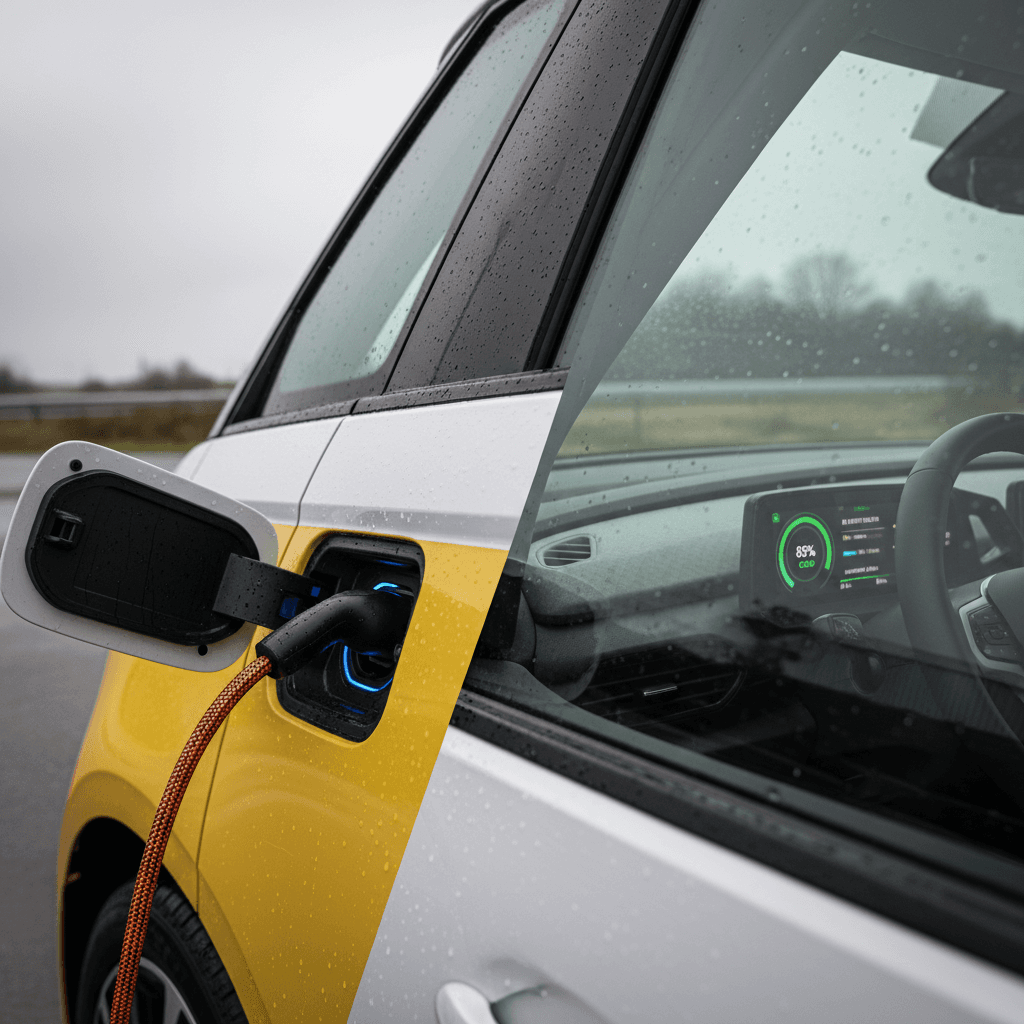
Battery health vs. odometer
This is exactly why every vehicle sold through Recharged includes a Recharged Score Report with verified battery diagnostics. It gives buyers objective confidence about the pack and gives sellers hard evidence to support their asking price. If you’re selling your 2026 ID. Buzz privately, getting independent battery testing done is one of the highest‑ROI steps you can take.
Leased vs. owned: how it changes what you can get
If you leased your 2026 ID. Buzz
- Check your buyout number first. Some 2026 leases will have residual values that are unrealistically high relative to today’s used‑EV market. If your buyout is well above comparable used listings, it may not pencil out to purchase and resell.
- Mind mileage and wear. If you’re under mileage and the van is clean, buying it out and then selling to a retailer like Recharged or via consignment can unlock more than just handing it back.
- Leased = usually cleaner history. Many retail buyers prefer former lease vehicles because they expect regular maintenance and lower risk of severe mods.
If you bought your 2026 ID. Buzz
- You control the spread. When you own the van outright (or with a loan), you’re free to chase the best offer, trade‑in, instant cash offer, or private sale.
- Equity depends on timing. If you bought early at full MSRP and incentives later improved, your equity may be thin. If you bought with heavy discounts, selling in 2026–2027 can still leave you meaningfully ahead.
- Look at your payoff. Compare your loan payoff to realistic sale prices. If you’re underwater, you may prefer trade‑in with a new‑car deal to soften the blow.
Watch for residual-value traps
Best ways to sell a 2026 ID. Buzz (and who pays most)
Four main ways to sell your 2026 ID. Buzz
Each path trades off price, effort, and risk.
1. Instant cash offer / wholesale
Fastest, usually lowest. Online car-buying sites, big‑box retailers, and some VW dealers will give you a quick number based mostly on VIN, mileage, and book values.
Great if you need to be out of the van this week, but it often leaves thousands on the table versus retail pricing, especially for clean, well‑optioned EVs.
2. Trade‑in at a dealer
Convenient, but blended pricing. A VW or multi‑brand dealer can roll your ID. Buzz value directly into a new lease or purchase, which is tax‑efficient in some states.
The catch: the dealer has to protect themselves against EV price swings, so offers tend to be conservative unless they know they can retail the Buzz quickly.
3. Private‑party sale
Highest ceiling, most work. Listing on classifieds or auction sites can bring out true believers who will pay extra for the right spec. But you’ll manage photos, test drives, payment risk, and paperwork yourself.
Expect more questions about range, charging, and battery history than you’d get selling a conventional minivan.
4. EV‑specialist marketplace (like Recharged)
EV‑focused buyers and transparent process. A specialist used‑EV platform understands battery health, fast‑changing incentives, and how to price unique vehicles like the ID. Buzz.
With Recharged, you can request an instant offer, trade in toward another EV, or use a consignment model where our team markets your van at a retail price while you keep more of the upside.
Where Recharged fits in
Ready to find your next EV?
Browse VehiclesHow to price your 2026 ID. Buzz without leaving money on the table
Setting your ask too high leaves your Buzz sitting for weeks in a market where EV values can move quickly. Pricing too low means you effectively give the next owner free equity. Here’s a disciplined way to land in the right band.
Step‑by‑step pricing process
1. Establish the “book” range
Pull estimates from multiple tools, traditional book values, instant‑offer sites, and dealer trade‑in quotes. This gives you a low‑to‑mid baseline, not your final answer.
2. Audit real listings, not just algorithms
Search for active 2025–2026 ID. Buzz listings within a few hundred miles, matched for trim, miles, and options. Ignore outliers that are obviously mispriced or stale.
3. Adjust for battery health and range
If you have a strong battery report and can demonstrate real‑world range that matches or beats peers, you can justify pricing at or above the top of the local range.
4. Factor in timing and incentives
Used‑EV values tend to dip when new‑car incentives or rate promotions spike. If VW or competitors are heavily discounting new EV vans, you may need to shade your ask down to stay competitive.
5. Decide your acceptable minimum
Before you list or visit a dealer, decide on the lowest number you’ll take. That protects you from making an emotional decision after a lowball offer or a long sale process.
Think in spreads, not single numbers
Pre-sale checklist to boost your ID. Buzz value
You can’t change the model year or erase an accident, but you can meaningfully improve how your 2026 ID. Buzz shows up to buyers. Here’s what to handle before you ask for serious money.
Pre‑sale prep for a stronger 2026 ID. Buzz price
1. Get a professional detail
A proper interior and exterior detail, including upholstery cleaning and glass, pays off far more than it costs. The Buzz’s huge glass area and bright fabrics show dirt and streaks quickly.
2. Fix obvious wear items
Curbed wheels, bald tires, cracked glass, and dead key‑fob batteries signal neglect. Fixing small items ahead of time prevents buyers from mentally subtracting big round numbers from their offers.
3. Pull and organize records
Print or save PDFs of service visits, recall work, charging‑equipment receipts, and any battery‑health reports. A tidy folder or digital packet screams “cared for,” which is exactly what used‑EV shoppers want.
4. Charge to a realistic state of charge
Show the van at 60–80% charge with a recent trip history that reflects real‑world range. A Buzz parked at 8% or constantly “100%” charged triggers questions from informed buyers.
5. Photograph like a retailer
Shoot in soft daylight, use a clean background, and capture the details buyers care about: third‑row space, cargo area, charging port, infotainment screen with range estimate, and close‑ups of any flaws.
6. Prepare an honest description
In your listing or when talking to buyers, lead with strengths but disclose flaws. Being upfront about a scraped bumper or small dent builds trust and can keep deals from blowing up at the last minute.
Common mistakes that crush ID. Buzz resale value
Avoid these 2026 ID. Buzz selling pitfalls
Each of these is small on its own, but together they can easily erase thousands from your sale price.
| Mistake | Why it hurts value | What to do instead |
|---|---|---|
| Ignoring battery documentation | Buyers assume the worst if you can’t show any evidence of pack health or charging habits. | Get a third‑party battery test or sell through a platform like Recharged that can provide a verified battery report. |
| Over‑personalized modifications | Heavy wraps, extreme wheel/tire setups, or DIY camper conversions shrink your buyer pool and scare off dealers. | Keep mods reversible or restore to near‑stock before selling. Market hardcore builds on enthusiast‑specific platforms. |
| Pricing off MSRP alone | New‑car discounts, lost tax credits, and rate changes can shift the whole market under your feet. | Anchor on current used listings and offers, not what you paid on day one. |
| Letting small damage linger | Scrapes, cracked trim, or broken interior pieces make buyers question unseen issues. | Repair cheap, visible damage; get quotes only (not full repairs) on bigger items and price accordingly. |
| Poor communication with buyers | Slow replies or vague answers on range and charging kill trust, especially with first‑time EV buyers. | Prepare a concise FAQ about your van: where you charge, typical road‑trip range, and any issues you’ve had. |
Don’t give buyers (or dealers) extra excuses to discount your van.
Don’t misrepresent range or charging behavior
FAQ: Selling a 2026 Volkswagen ID. Buzz
Frequently asked questions about 2026 ID. Buzz value
The bottom line on 2026 ID. Buzz resale value
Selling a 2026 Volkswagen ID. Buzz is less about reciting book values and more about telling a credible story: how the van’s been used, how healthy the battery is, and why it still delivers the range and flexibility that drew you to it in the first place. In a young used‑EV market that still doesn’t quite know what to do with an electric Microbus, sellers who come prepared with documentation, realistic pricing, and the right sales channel consistently do better.
Whether you choose to trade in, sell privately, or work with an EV‑focused marketplace like Recharged, focus your energy on the few levers that actually move your 2026 ID. Buzz value: verified battery health, honest condition, thoughtful prep, and disciplined pricing. Get those right, and you’ll give the next owner a great electric van, without giving away more of its value than you have to.