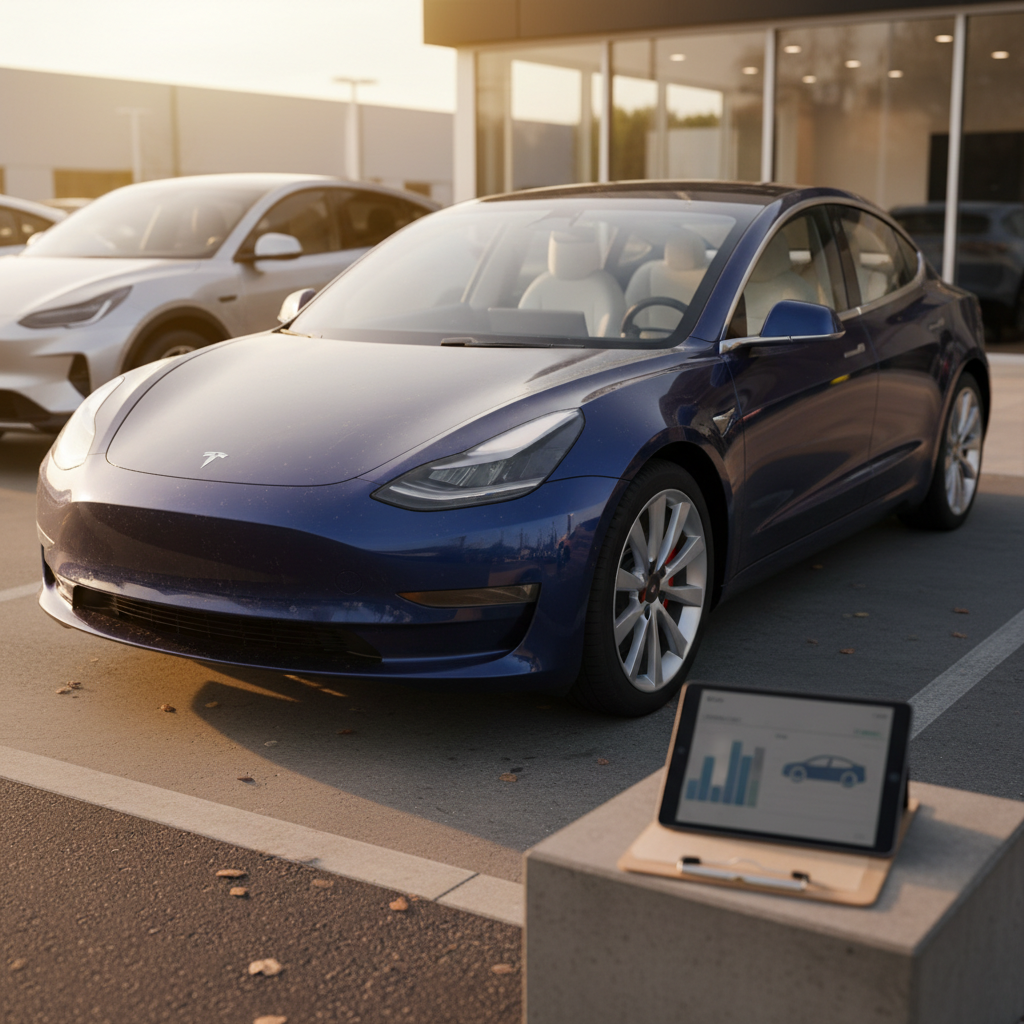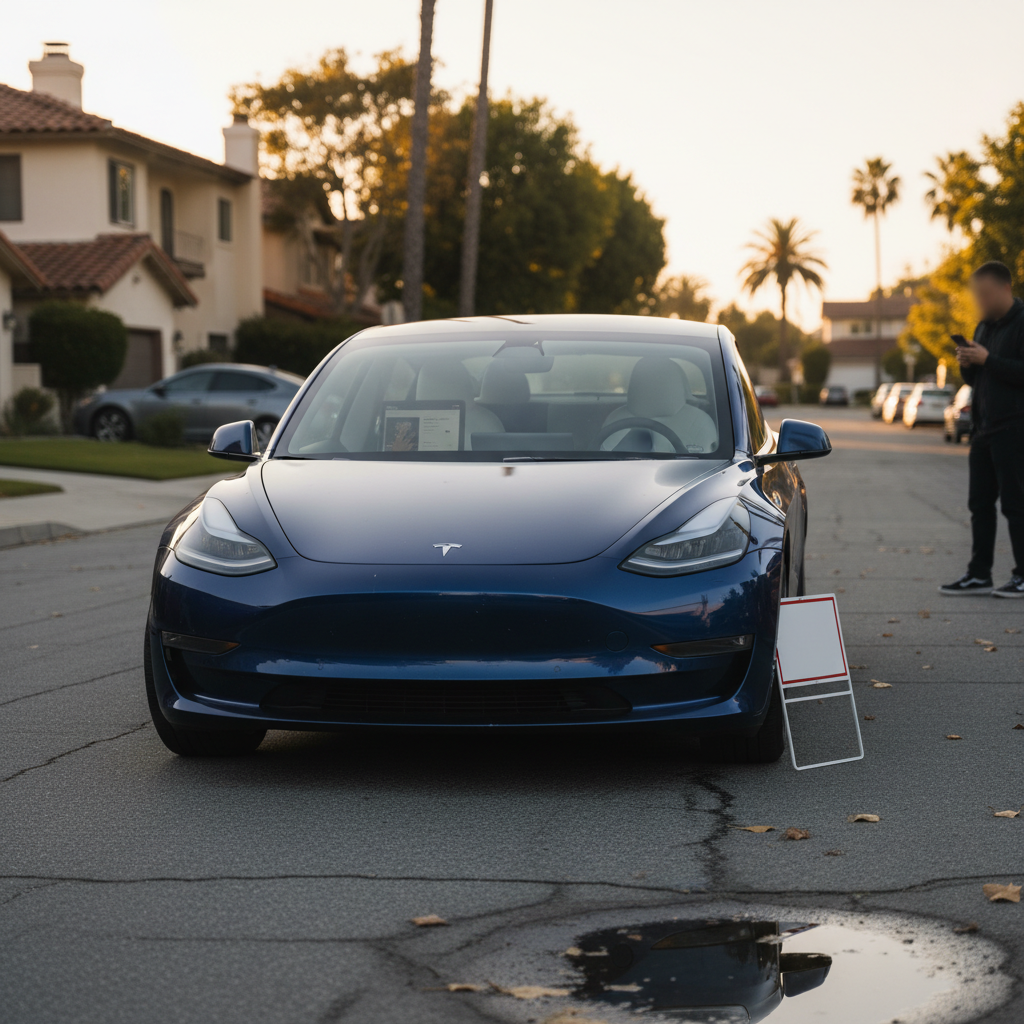
If you’re thinking, “Is now the right time to sell my 2025 Volkswagen ID.4, and what is it actually worth?”, you’re not alone. The ID.4 has seen wild swings in pricing, factory discounts, and tax-credit eligibility over the last few years, and that directly affects what a 2025 model will fetch today. The good news: with a little prep and smart timing, you can keep thousands of dollars from slipping through your fingers.
Why 2025 matters for value
Should you sell a 2025 VW ID.4 now?
Before you fixate on a number, step back and ask why you’re selling your 2025 ID.4. Are you upgrading to a longer‑range EV, trying to shed a high payment, or moving someplace where public charging is a headache? Your “why” determines how hard you should push on price, and whether you chase every last dollar with a private sale or value convenience with a trade‑in or a service like Recharged.
Good reasons to sell now
- Your commute or family needs changed and you want more range or space.
- Your payment is stretching your budget and you can move into a cheaper used EV.
- You ordered another EV and don’t want to carry two loans or leases.
- You’re still under the factory 4‑year/50,000‑mile warranty, which helps value.
Reasons to hold for a bit
- You’re upside‑down on your loan and would need to bring cash to the table.
- You like the ID.4 but are just spooked by short‑term EV headlines.
- You’re under 10,000 miles; the depreciation curve often slows after year two.
- The car still fits your life and you don’t have a clearly better replacement lined up.
A quick gut‑check
How much is a 2025 Volkswagen ID.4 worth today?
Let’s talk numbers. Early 2025 ID.4s are just starting to show up on the used market, mostly off short leases and early trade‑ins. Public pricing tools like Edmunds peg a used 2025 VW ID.4 at roughly the high‑$20,000s to mid‑$40,000s depending on mileage, condition, and trim, think Pro vs Pro S Plus, RWD vs AWD. That’s the wide lens; your specific history narrows the shot.
2025 VW ID.4 value snapshot (typical ranges)
Remember the tax credit effect
The five factors that drive 2025 ID.4 value
What really moves your 2025 ID.4’s price
Five levers buyers and appraisers look at first
1. Mileage
On a nearly new EV, mileage is blunt but powerful. Dropping from 30,000 to 15,000 miles can mean a several‑thousand‑dollar swing in what buyers are willing to pay.
2. Battery health
Shoppers care more about usable range than the original window‑sticker number. Strong battery health and documented charging habits add confidence, and value.
3. Warranty runway
Volkswagen’s 4‑year/50,000‑mile basic coverage and 8‑year/100,000‑mile high‑voltage battery warranty are big selling points. The more warranty you have left, the more attractive the car.
4. Condition & history
Accidents, curb‑rashed wheels, and a cluttered interior send a message: this car hasn’t been loved. Clean history reports and detailed records do the opposite.
5. Local market
EV‑dense metro areas with solid charging (think West Coast, big East Coast cities) usually support stronger 2025 ID.4 resale value than rural markets with thin infrastructure.
6. Equipment & trim
AWD, larger battery, premium wheels, and driver‑assist packages all help, but only if buyers in your area care. A loaded Pro S Plus in a value‑focused market won’t recoup every option dollar.
How Recharged handles these factors
Pricing your 2025 ID.4: a step‑by‑step playbook
A simple process to set a smart asking price
1. Decode your exact trim and options
Pull your original window sticker or log into your VW account to confirm battery size, drivetrain (RWD vs AWD), and option packages. A 2025 ID.4 Pro AWD with the larger 82‑kWh pack and premium wheels should not be priced like a base RWD model.
2. Check current retail listings, not just book values
Look at real asking prices for comparable 2025 ID.4s within 250 miles, same trim, similar miles, similar colors. Pricing tools are a starting point, but today’s EV market moves faster than traditional value guides.
3. Adjust for mileage and condition
If your mileage is lower than the listings you found and the car is spotless, you can aim near the top of the range. If you’ve got rock chips, curbed wheels, or a door ding, price closer to the middle and consider fixing the cheap stuff.
4. Factor in incentives you used when new
If you bought new with a $7,500 tax credit or heavy dealer discount, the market doesn’t “owe” you the original MSRP. Anchor your expectations on your <strong>real</strong> out‑of‑pocket cost plus normal depreciation, not the paper sticker.
5. Decide your strategy: speed vs dollars
If you need the car gone this week, price slightly below similar listings and be ready to accept strong early offers. If you can wait a month, start near the top of the realistic range and adjust after 10–14 days of feedback.
6. sanity‑check with Recharged
Use Recharged to get an <strong>instant value range</strong> and, if you like, a no‑obligation cash or consignment offer. Even if you sell privately, that range gives you a reality check before you list your car.
A quick pricing example
Trade‑in vs private sale vs Recharged
Where to sell your 2025 ID.4
Each path has trade‑offs in price, effort, and risk. Here’s how they stack up.
| Option | Typical Price | Effort Level | Pros | Cons |
|---|---|---|---|---|
| Dealer trade‑in | Lowest | Very low | One‑stop convenience, tax savings in some states, fast if you’re already buying another car | Often thousands less than private sale, dealers may undervalue EVs |
| Private sale | Highest (if done well) | High | Maximum control over price, ideal if you’re not in a rush, good for unusual color/trim combos | Time‑consuming, strangers at your house, handling payment and paperwork yourself |
| Instant cash offer (online buyer) | Low–medium | Low | Quick, transparent quotes, competitive for clean late‑model EVs in some markets | Not always the true top dollar, strict condition thresholds |
| Sell with Recharged (consignment or sale) | Medium–high | Medium | EV‑savvy pricing, Recharged Score battery report, national reach and logistics handled for you | Takes longer than a straight trade‑in; consignment fees apply but are baked into the final deal |
Use this table as a framework; actual numbers depend on your car and your market.
Blend strategies if you can
How battery health and warranty affect what you get
With gas cars, buyers obsess over oil changes. With EVs, they obsess over battery health and range. The 2025 ID.4’s high‑voltage battery is covered by an 8‑year/100,000‑mile warranty, which is a big safety net for the next owner. But how you’ve treated the pack, fast‑charging vs home Level 2, letting it sit at 100% or near empty, still shapes perceived value.
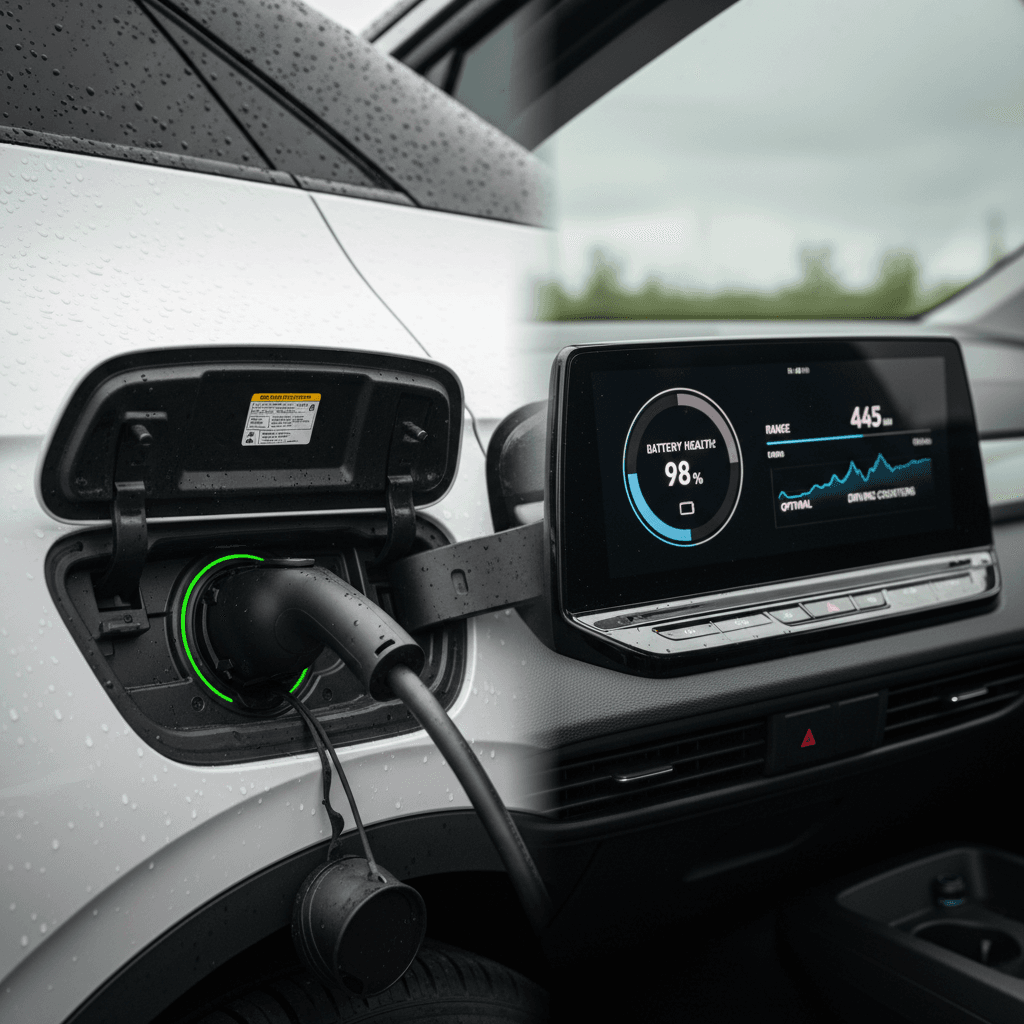
- Aim to show buyers at least 220–260 miles of real‑world displayed range on a full charge if your trim originally promised around 280–290 miles; obvious range loss will drive tougher negotiations.
- Have charging receipts or app screenshots ready if you mostly use gentle home charging instead of living on DC fast chargers.
- Mention any battery‑related recalls or software updates that have already been performed, this shows the car is up to date.
- Highlight remaining warranty in your listing: for example, “Battery warranty to 2033 or 100,000 miles (whichever comes first).”
How Recharged’s battery report helps
Timing the market: when to sell your 2025 ID.4
Best times to sell a 2025 VW ID.4
If you daily‑drive 15–18k miles a year
Consider selling around the 2–3‑year mark, before you blow past 40,000–50,000 miles.
Each additional 10,000 miles on a nearly new EV can peel off a noticeable chunk of value.
Avoid listing right after you put on a rough winter of salty, potholed miles, detail and touch‑up first.
Try to sell ahead of any major tire or brake service if they’re due soon; buyers notice fresh rubber.
If you’re a low‑mileage driver
You’ve got more flexibility; the car may still look and feel nearly new after three years.
You can time your sale around life events, moves, growing family, without being punished by mileage.
Watch new‑car incentives on the ID.4 and direct rivals; deep new‑car discounts can pull used values down.
If you’re under 20,000 miles by late 2027, you may still command a premium compared with higher‑mile peers.
Big timing risk: new incentives and refreshes
Prep your ID.4 to squeeze out extra value
Quick ways to make your 2025 ID.4 look worth more
A weekend of effort can pay you back at sale time
Deep clean inside and out
Shampoo carpets, clean fingerprints off the big touchscreen, and refresh the door jambs. EV buyers expect a modern, minimalist vibe, not crumbs and coffee stains.
Fix cheap cosmetic flaws
Touch‑up paint for small chips, a mobile wheel‑repair service for curb rash, and a headlight polish kit cost little but change first impressions a lot.
Organize records
Service invoices, recall letters, tire receipts, and any accessory purchases (like winter wheels or roof racks) all build a story that supports a stronger price.
Update and reset tech
Make sure the ID.4’s software is current, clear your personal data, and demonstrate key features like driver‑assist, navigation, and app connectivity during test drives.
Shoot honest, flattering photos
Take clear, daylight photos from all four corners, close‑ups of wheels, seats, and the infotainment screen, plus any flaws. Good photos attract serious buyers.
Drive it so it feels right
Resolve obvious vibrations, brake squeaks, or warning lights before you list. Nothing kills confidence faster than a new noise on a test drive.
Your 2025 ID.4 listing cheat‑sheet
Write a clear, no‑nonsense description
Lead with year, mileage, trim, and drivetrain: “2025 Volkswagen ID.4 Pro S AWD, 14,800 miles.” Then hit battery warranty, key options, and why you’re selling.
Disclose the bad with the good
Buyers reward honesty. Mention that one small rear‑bumper scrape or a wheel scuff in your ad rather than letting someone “discover” it in your driveway.
Know your non‑negotiables
Before you meet the first buyer, decide your true walk‑away number and what forms of payment you’ll accept (cashier’s check at your bank, for example).
Plan a safe test‑drive route
Have a short loop planned that shows off smooth acceleration, one‑pedal driving feel, and quiet highway manners without taking a stranger on a road trip.
Common mistakes that quietly kill ID.4 value
- Pricing off your loan payoff instead of the market, then wondering why the phone doesn’t ring.
- Ignoring small cosmetic fixes that could cost $200 to repair but lead buyers to negotiate $1,000 off.
- Letting the car hit service milestones (tires, brakes, inspection) right before selling, which forces you to either spend big or accept “needs work” pricing.
- Relying on a single dealer trade‑in quote instead of shopping multiple offers, including EV‑savvy buyers.
- Listing the car with dingy photos, a vague description, and no mention of warranty or battery health.
The underwater trap
FAQ: Selling a 2025 Volkswagen ID.4
Frequently asked questions about selling a 2025 VW ID.4
Bottom line: a simple strategy for selling your 2025 ID.4
A 2025 Volkswagen ID.4 can still be a compelling package for the next owner: modern software, usable range, and plenty of warranty left. That’s your leverage, if you use it. Understand where your car sits in today’s market, price it based on real listings instead of your payoff, and do a weekend’s worth of cosmetic and paperwork prep before anyone shows up with a checkbook.
If you’d rather not turn selling your EV into a part‑time job, you don’t have to. Use dealer quotes and instant offers as baselines, then let Recharged give you an EV‑specific value range and, if you choose, handle the heavy lifting through a sale or consignment. Either way, a little strategy, and a clear view of your 2025 ID.4’s true value, will keep more money in your pocket when you hand over the keys.