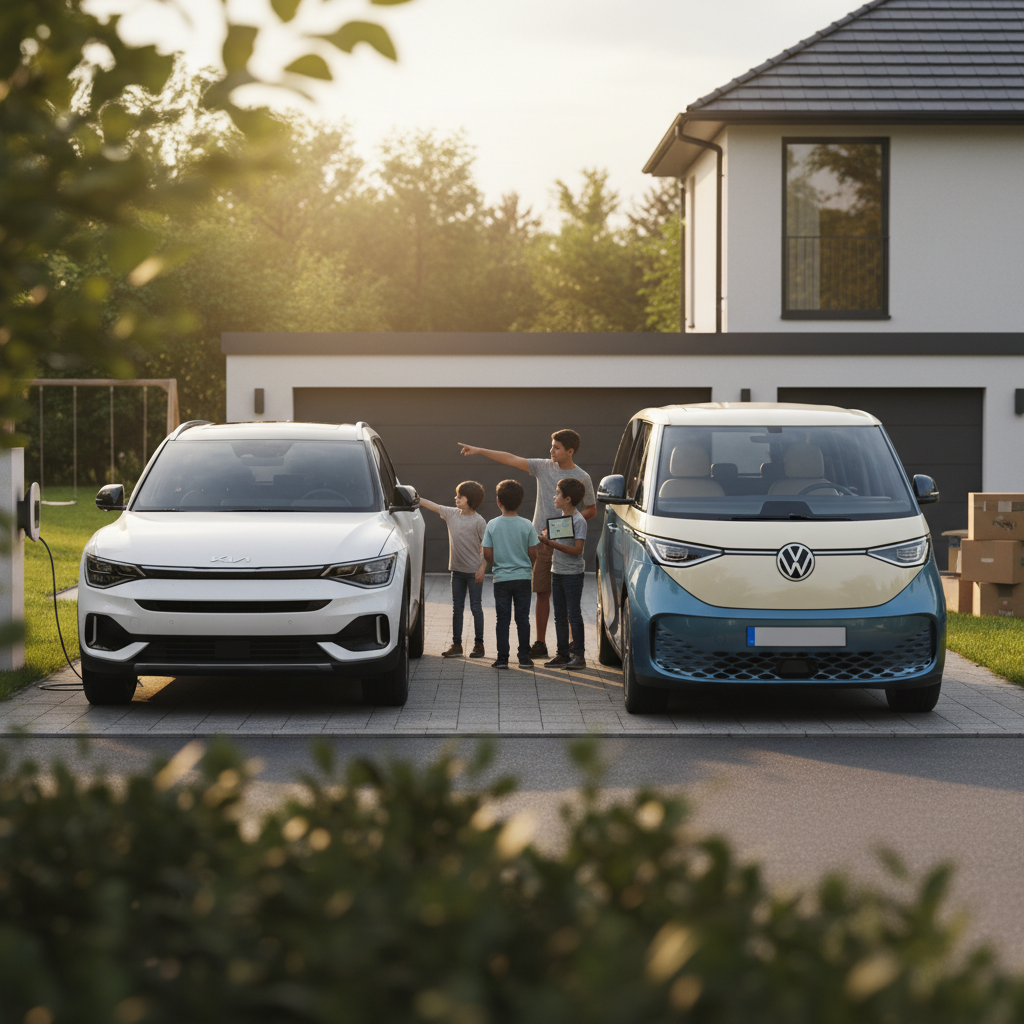
You don’t buy a 2025 Volkswagen ID. Buzz because it’s sensible. You buy it because it makes strangers point, kids wave, and you smile every time you walk up to it. But when it’s time to sell a 2025 Volkswagen ID. Buzz and protect its value, that emotion collides with a used‑EV market that’s still figuring out what this rolling nostalgia piece is actually worth.
Quick reality check
Why 2025 ID. Buzz value is tricky right now
If you feel like every pricing guide is shrugging at your ID. Buzz, you’re not wrong. In the U.S., the long‑wheelbase 2025 VW ID. Buzz arrived as a halo model with relatively low volume, sticker prices hovering around $60,000–$70,000, and then a curveball: Volkswagen announced it would pause U.S. Buzz imports for the 2026 model year and revisit the lineup later in the decade. That means your van sits at the intersection of cult object, discontinued import, and mainstream EV experiment.
Niche appeal, broad awareness
The Buzz is instantly recognizable. That wider awareness helps demand, but the actual buyer pool is smaller than for, say, a Tesla Model Y. It’s the electric van for people who want to advertise that they own an electric van.
EV market headwinds
Higher interest rates, faster EV tech cycles, and aggressive discounting on new EVs all weigh on used prices. Even desirable models have seen sharper first‑three‑year drops than older gas cars.
Why guidebook values feel off
What your 2025 Volkswagen ID. Buzz is worth right now
2025 ID. Buzz: early value bands (U.S. market)
No one can quote a universal price for your van without seeing it. But if you bought a 2025 ID. Buzz Pro S or Pro S Plus in the $60,000–$70,000 window and have typical year‑one mileage, you’re probably staring at a paper loss of around 15–20% if you sold today. Low‑mile, rare‑color, or 1st Edition‑style specs can command more; white‑on‑black fleet‑ish builds or high‑milers, less.
How Recharged pins down your real number
Ready to find your next EV?
Browse VehiclesHow the ID. Buzz is likely to depreciate
Depreciation is just the market’s long, slow judgment on a car’s relevance. The ID. Buzz is unusual: in Europe it’s become the bestselling electric van, while in the U.S. it’s a high‑priced curiosity with imports paused and a refresh on the horizon. Expect a depreciation pattern that’s steeper than a Toyota Sienna but better than an orphaned compliance EV.
Illustrative 2025 ID. Buzz depreciation forecast
This is a directional forecast for a well‑kept Buzz, not a guarantee. Local demand, incentives, and battery health will move the numbers.
| Year in service | Odometer range | Expected value vs. MSRP | Approx. value |
|---|---|---|---|
| End of 2026 (1 year) | 10k–15k miles | 80–85% | $52,000–$55,000 |
| End of 2028 (3 years) | 30k–40k miles | 62–70% | $40,000–$45,500 |
| End of 2031 (6 years) | 60k–75k miles | 45–55% | $29,000–$35,500 |
| End of 2033 (8 years, end of battery warranty) | 80k–100k miles | 38–48% | $25,000–$31,000 |
Assumes original MSRP of $65,000 and average mileage.
Why these numbers are more resilient than they look
Factors that move your 2025 ID. Buzz value up or down
Biggest levers on your 2025 ID. Buzz resale
These are the knobs you can turn, and the ones you can’t.
Mileage & use pattern
Under ~10,000 miles per year with consistent service records puts you in the sweet spot. High annual mileage is less scary in an EV than in a turbo gas van, but buyers still pay for low numbers on the odometer.
Battery health & DC fast‑charge history
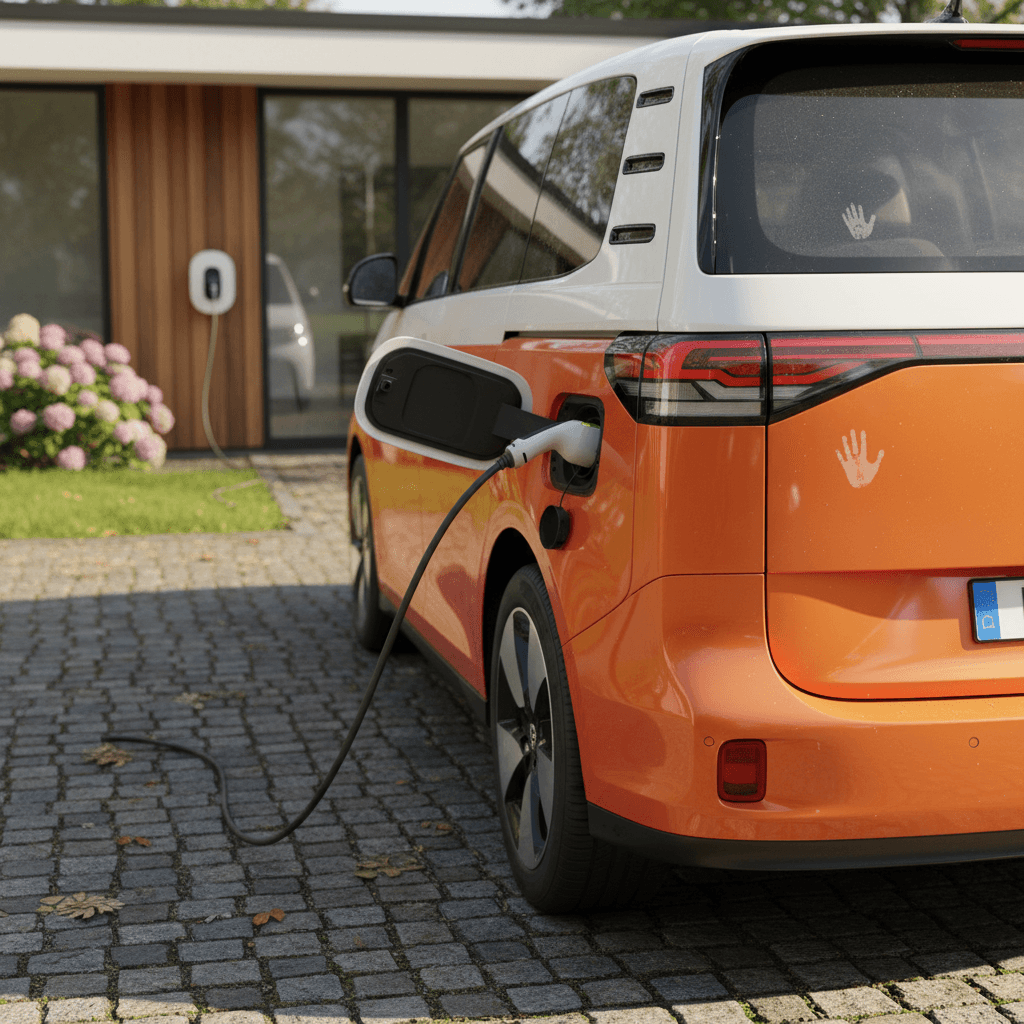
EV buyers are becoming battery nerds. A Buzz that’s mostly home‑charged on Level 2, with smart charging habits and good state‑of‑health readings, will beat a cosmetically identical van that lived at public DC fast chargers.
Spec, colors, and options
Loud two‑tone paint, nicer wheels, and popular convenience features (panoramic roof, upgraded audio, driver‑assist tech) help values. Beige fleet spec with basic wheels? You’ll need to price sharper.
Warranty status
Volkswagen’s 8‑year/100,000‑mile high‑voltage battery warranty is a huge psychological safety net for second owners. The closer you are to the start of that window, the easier the sale.
Service history & software updates
Documented service, completed recalls, and the latest software help reassure buyers who’ve read about early‑build glitches. Screenshots, invoices, and dealer work orders are your friends.
Accident, flood, and lemon history
A clean history report is table stakes in this price range. Structural damage, airbag deployments, or buyback titles will tank values and shrink your buyer pool dramatically.
Easy value win
Battery health: the silent price‑maker
The ID. Buzz uses Volkswagen’s MEB platform with a liquid‑cooled lithium‑ion pack that, if treated decently, tends to age well. Real‑world testing on similar VW packs has shown surprisingly low degradation over six‑figure mileage, and the factory warranty backs the battery for eight years or 100,000 miles if it drops below about 70% of original capacity.
- A Buzz that still delivers range close to its original EPA estimate will feel "like new" to a second owner, and command pricing to match.
- Visible degradation or wildly inconsistent range will spook buyers, slow your sale, and push offers down, even if everything else looks perfect.
- Most private buyers don’t have tools to measure state of health, so they lean heavily on documentation, charging habits, and trusted third‑party diagnostics.
How Recharged’s battery report helps you sell
Best ways to sell a 2025 VW ID. Buzz
1. Trade it in
Fastest, least effort, usually the lowest number. Many VW dealers are still learning the ID. family and may be conservative with offers on a six‑figure‑MSRP electric van they don’t see every day.
2. Instant offer or consignment
Platforms like Recharged blend convenience with closer‑to‑market pricing. You can request an instant cash offer for your Buzz or place it on digital consignment, where Recharged handles marketing, buyer vetting, and paperwork.
3. Private sale
Often yields the highest top‑line price, but you’re doing the legwork: photos, listings, test drives, financing headaches, and the "Is the battery OK?" interrogation. Expect a longer timeline unless you price aggressively.
Where Recharged fits in
Pricing strategy: where to set your number
Getting the asking price right is the difference between selling in a weekend and explaining for months why your Buzz has been on the market longer than some marriages. The goal isn’t to squeeze every last dollar; it’s to find the point where buyers feel like they’re winning and you still walk away happy.
5 steps to a smart ID. Buzz asking price
1. Start with real comps, not just guides
Search used listings for 2025 ID. Buzz vans with similar trim, mileage, and colors. Note both asking prices and how long they’ve been live. Use valuation tools as a reference, not gospel.
2. Adjust for your van’s story
Add value for low miles, rare options, and immaculate history. Subtract for curb rash, accidents, or missing features. Be brutally honest; the buyer will be.
3. Decide how quickly you need it gone
If you want it sold this month, price at or slightly below the bottom of the realistic range. If you can wait 60–90 days, you can push toward the upper end and test the market.
4. Leave a small negotiation cushion
On a $50,000–$55,000 asking price, a $1,000–$2,000 “haggle band” feels reasonable. Over‑pad it and you’ll just scare away educated EV shoppers.
5. Update as the market moves
If you get clicks but no calls, you’re too high. If serious buyers show up and immediately mention other, cheaper Buzzes, listen. Adjust in $500–$1,000 steps rather than big panicked drops.
Timing your sale: 2026–2028 outlook
Timing matters almost as much as mileage. The ID. Buzz story over the next few years will be written by three overlapping forces: EV incentives and policy, VW’s own product decisions, and how quickly Americans warm to electric vans.
How timing may shape your 2025 ID. Buzz value
Sell in the next 12 months (through late 2027)
You’ll be one of the few late‑model Buzz sellers in a tight niche, which helps pricing.
Battery is young, warranty tail is long, and tech still feels current.
You’re exiting before any major refresh or re‑import announcement can undercut your van with newer hardware.
Hold 3–5 years (into 2029–2031)
You’ll rack up miles and routine wear, narrowing your buyer pool to true Buzz believers.
Any mid‑cycle refresh, new battery tech, or cheaper competitors could push your prices down.
On the flip side, if VW keeps volumes low and no rival appears, the Buzz may settle into cult‑classic territory with surprisingly stable late‑life values.
Watch for product‑cycle land mines
Prep checklist: squeezing maximum value from your 2025 ID. Buzz
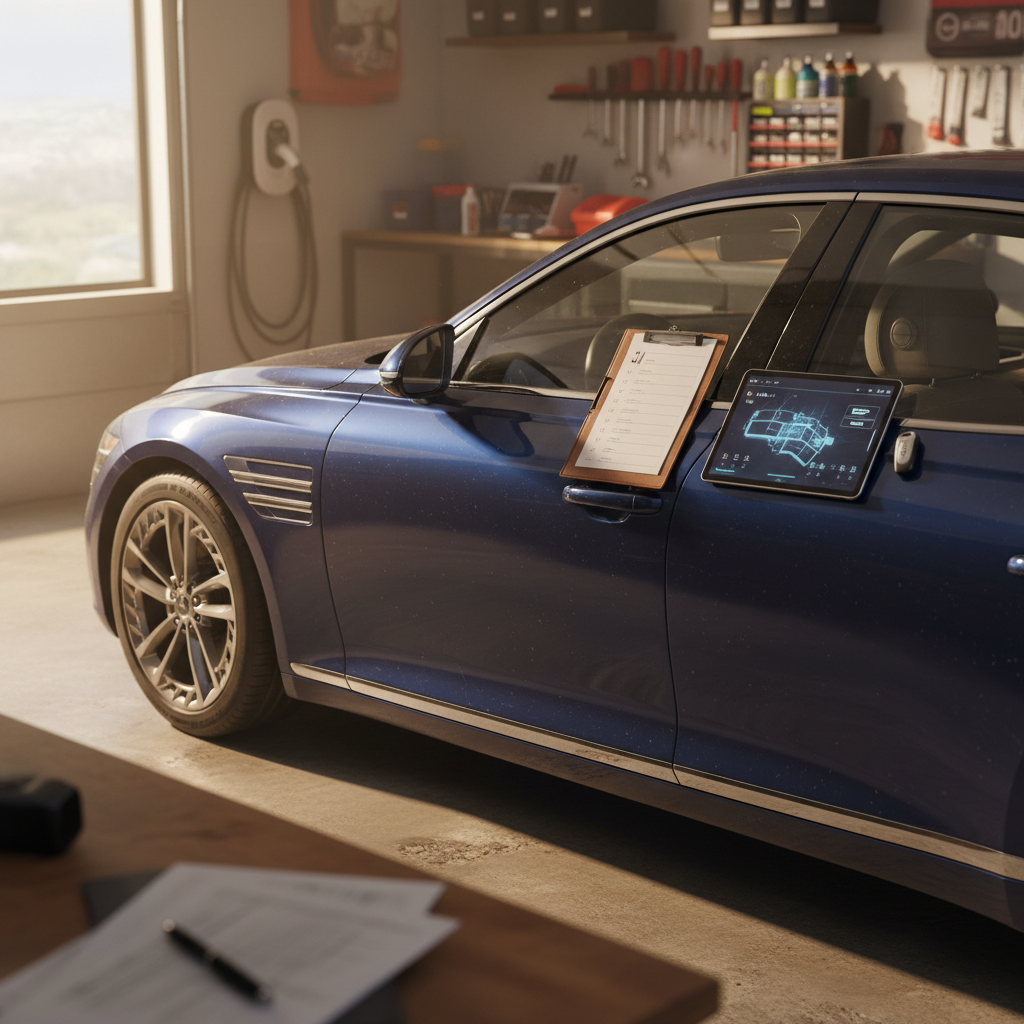
Buyers shopping a $50,000‑plus used EV expect the van to look cared‑for and come with receipts. A few hours of preparation can easily be worth a four‑figure swing in resale value.
Pre‑sale prep checklist for your ID. Buzz
Detail it like a dealer would
Professional interior and exterior detailing, including steam‑cleaned seats, touched‑up scuffs, and spotless glass, can make your Buzz look a model year newer. Don’t forget sliding‑door tracks and the cargo area.
Fix obvious, cheap flaws
Curb‑rashed wheels, missing floor mats, cloudy headlights, or peeling stickers telegraph neglect. Address anything under a few hundred dollars that visually punches above its cost.
Gather records and documents
Pull service invoices, recall completion paperwork, home‑charger installation receipts, and warranty info. Organize them in a folder (physical or digital) you can hand to the next owner or upload with your Recharged listing.
Document range and efficiency
Take clear photos of your typical range display at high state of charge and your long‑term consumption stats. Savvy EV buyers scan those screenshots the way gas‑car folks scan dipsticks.
Photograph it properly
Shoot in good light, from multiple angles, with clean backgrounds. Show the third row, cargo space, and any kid‑ or pet‑related wear honestly. On Recharged, great photos paired with an objective score report can help your Buzz stand out nationwide.
Reset and de‑personalize
Clear personal data from infotainment, remove bumper stickers and novelty badges, and stash personal accessories. The goal is to let buyers imagine their lives in the van, not yours.
FAQ: Selling a 2025 Volkswagen ID. Buzz
Frequently asked questions about 2025 ID. Buzz resale value
Key takeaways if you’re selling your 2025 ID. Buzz
- Expect a first‑year hit of roughly 15–20% off MSRP, with more gradual losses afterward if the van stays desirable and well kept.
- Your biggest value levers are mileage, battery health, spec, and documentation. None of those are glamorous, all of them matter.
- Timing around product updates and competing EV vans can shift prices by thousands; if you already want out and rumors of major changes appear, sooner is usually better.
- Selling through an EV‑focused platform like Recharged lets you showcase battery health, get expert pricing help, and choose between instant cash, trade‑in, or a higher‑value consignment route.
- In a used‑EV market full of anonymous crossovers, a clean 2025 ID. Buzz with a strong battery and a stack of records will always have an audience, it’s your job to present it so those people can find it.
If you’re ready to move on from your 2025 Volkswagen ID. Buzz, you’re not just selling a van, you’re selling a story: how it’s been driven, how its battery has been treated, and how much life it has left. Price it with clear eyes, prepare it with care, and give buyers the information they need to trust it. And if you want help turning that story into a strong sale without turning your life into a full‑time listing manager, Recharged is built to make that process simple, transparent, and squarely in your favor.