If you own a Genesis G80 Electrified and you’re thinking about selling, you’re in a very specific niche. It’s a low‑volume luxury EV with impressive range, fast charging, and a long battery warranty, but also limited shopper awareness and a discontinued U.S. sales story. This Genesis G80 Electrified selling checklist walks you step by step through how to prep, price, and present your car so you attract the right buyer and protect your bottom line.
Quick context: the G80 Electrified in the used market
Why a Genesis G80 Electrified–Specific Selling Checklist Matters
Selling a used luxury EV sedan is different from off‑loading a mainstream gas car. With the Genesis G80 Electrified, shoppers will fixate on three questions: battery health, charging convenience, and long‑term support now that new U.S. sales have ended. A generic used‑car checklist doesn’t address those nuances. The right prep can turn those potential objections into selling points, and help you justify a price that reflects what you actually own.
What G80 Electrified shoppers really care about
Shape your prep and listing around these priorities
Battery & range
Proof that the 77.4 kWh pack is healthy, with realistic range expectations based on your climate and driving mix.
Charging experience
How easy it is to live with: home charging setup, DC fast‑charge behavior, and any active charging plans or perks.
Warranty & support
Clear explanation of what’s still covered under Genesis warranties, plus any extra coverage or support you provide.
Step 1: Confirm Your Trim, Specs, and Options
Start with the basics: exactly what car you’re selling. The G80 Electrified was offered in relatively simple configurations, but options and packages (like interior colors, wheel designs, and advanced driver‑assistance bundles) still matter to value‑minded shoppers.
- Decode your VIN through Genesis or a trusted VIN‑decoder to confirm model year, drivetrain (all G80 Electrifieds are dual‑motor AWD), and original equipment.
- Note key specs shoppers will search for: 77.4 kWh battery, roughly 365 hp dual‑motor output, DC fast‑charging capability around 10–80% in about 22–25 minutes on a powerful 800‑V charger, and EPA‑style range in the mid‑200‑mile bracket in U.S. conditions.
- List standout comfort and tech features: Nappa leather, premium audio, head‑up display, Highway Driving Assist, 360° cameras, etc.
- Identify any dealer‑ or port‑installed accessories that stay with the car (all‑weather mats, cargo tray, charging cables).
Tip: Build a one‑page spec sheet
Step 2: Document Battery Health and Charging History
For any EV, but especially a niche model like the G80 Electrified, battery transparency is where deals are won or lost. Shoppers want reassurance that the pack still supports the serene, long‑legged driving the car is known for.
Battery & charging documentation checklist
1. Record current range behavior
On a full charge, note the indicated range on the dash and how it compares to original estimates. Include typical highway versus city range in your listing so buyers see real‑world numbers, not just brochure specs.
2. Capture battery health indicators
If your car or service history shows battery state of health (SoH) or degradation estimates, note them. If you don’t have this data, consider a third‑party EV battery health test, Recharged’s <strong>Recharged Score</strong> includes this when we list the vehicle on our marketplace.
3. Summarize your charging habits
Explain whether you mostly charged on Level 2 at home, how often you’ve DC fast‑charged, and whether you regularly charged to 100% or kept it closer to 80–90%. Most buyers see gentle charging habits as evidence of a well‑cared‑for pack.
4. Document any charging issues or repairs
If you’ve ever had charging hardware replaced (on‑board charger, charge port door, EVSE at home), keep invoices and explain what was done and when. A repaired issue with paperwork is better than a mystery future problem.
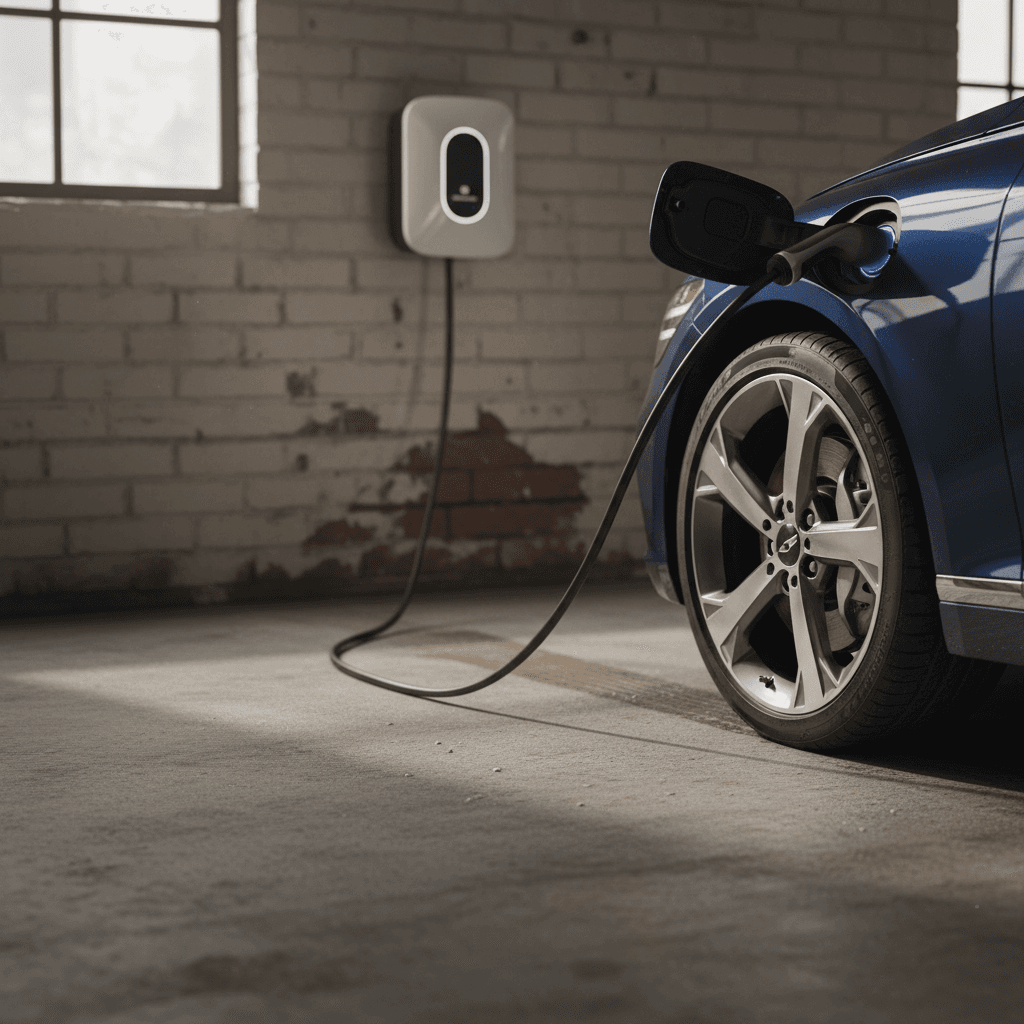
5. Show your charging setup
Take clear photos of your home Level 2 charger, outlet, or portable charging solution. A lot of buyers are first‑time EV owners; seeing a simple, working setup lowers anxiety.
Be honest about range
Step 3: Gather Title, Service Records, and Warranty Info
Next, clean up the paper trail. The G80 Electrified’s long factory coverage is a selling point, but only if you can clearly explain what’s left and back it up with records.
Typical Genesis warranty story for a G80 Electrified
Exact coverage varies by year, state, and original in‑service date, so verify details with Genesis or your dealer. Use this table as a talking framework, not a legal guarantee.
| Coverage type | Typical original term* | What buyers want to know |
|---|---|---|
| Bumper‑to‑bumper | Around 5 years / 60,000 miles | How much general coverage is left for electronics, interior, and tech. |
| Powertrain | Often 10 years / 100,000 miles for first owner | Whether any powertrain coverage transfers to subsequent owners (policies differ). |
| EV battery | Up to ~10 years / 100,000 miles on traction battery | That the high‑voltage pack is protected against major defects for years to come. |
| Maintenance / roadside | Varies by year and program | If any free maintenance or roadside benefits are still active. |
Always confirm remaining warranty by VIN before you advertise specifics, especially for second or third owners.
Collect and organize:
- Clean title or payoff letter from your lender if there’s still a lien.
- Full service history, dealer invoices, tire rotations, brake fluid service, cabin filters, any software updates. Genesis EVs have low maintenance needs, so a short, clean record is actually a positive sign.
- Any warranty booklets or PDFs, plus a short written summary of what coverage you believe remains (with a clear note that buyers should verify with Genesis).
- Receipts for tires, windshield, or body repairs if they’re recent, these can ease concerns about wear or prior damage.
Don’t guess on warranty
Step 4: Assess Condition and Handle EV-Specific Reconditioning
A G80 Electrified buyer expects a quiet, refined, near‑new luxury feel. That doesn’t mean you need to spend thousands preparing the car, but you should tackle the items that undermine that impression the moment a shopper opens the door.
High‑impact areas to fix before selling
Focus on what your next owner will see, touch, and hear first
Exterior & wheels
- Professional wash, clay, and wax or sealant.
- Touch‑up paint for small chips, especially on the nose and door edges.
- Refinish or repair curbed wheels if damage is obvious.
- Fix cracked glass and large dings that devalue a luxury sedan.
Interior & NVH
- Thorough vacuuming, leather conditioning, and stain removal.
- Fix squeaks/rattles if inexpensive; the cabin should stay near‑silent.
- Remove personal items, aftermarket phone mounts, and clutter.
- Replace worn mats with fresh OEM or quality all‑weather mats.
EV‑specific reconditioning wins
Step 5: Price Your Genesis G80 Electrified Realistically
Pricing a G80 Electrified can be tricky. Volumes are low, traditional pricing guides may lag reality, and Genesis’ decision to end new U.S. sales in 2025 adds another wrinkle. You’re balancing rarity against narrow buyer awareness.
Key factors that move G80 Electrified pricing
How to land on a smart asking price
1. Research online listings and sales data
Look at current listings for Genesis G80 Electrifieds and comparable luxury EV sedans (Mercedes EQE, BMW i5, Audi e‑tron GT) in similar age, mileage, and condition. Focus on actual sale prices where available, not just ambitious asks.
2. Adjust for mileage and options
Nicer wheels, high‑end audio, and active safety features matter. So does mileage: a 20,000‑mile car should be priced meaningfully above a 60,000‑mile example, all else equal.
3. Factor in battery and tire condition
Healthy battery behavior and nearly new tires can justify being at the top of the private‑party range. Conversely, an imminent tire replacement or unknown battery history should push you toward the middle or lower end.
4. Decide on your pricing strategy
You can price slightly high with room to negotiate, or position the car as a no‑haggle, well‑documented example at or just below market. For a niche EV, clear documentation plus a fair price often beats a premium ask that sits for months.
Remember: time is part of the price
Step 6: Create a Listing That Highlights EV Strengths
Most shoppers will cross‑shop your Genesis against more familiar luxury EV names. Your listing needs to show why the G80 Electrified is special and defuse common EV fears around range and charging.
What to emphasize
- Luxury first, EV second: Comfortable ride, quiet cabin, materials that feel more S‑Class than startup.
- Real‑world range: Describe your daily commute and road trips the car handles comfortably.
- Charging story: Mention your home Level 2 setup and how often you use DC fast charging.
- Ownership costs: Lower maintenance and fuel costs versus a comparable gas G80.
What to avoid or clarify
- Vague claims like “never any issues” without records, pair positives with documentation.
- Overstated range numbers that don’t match your driving reality.
- Tech jargon without explanation; define terms like DC fast charging, kilowatts, and kilowatt‑hours in everyday language.
- Confusion about warranty; always say buyers should confirm coverage with Genesis.
Photo checklist for a G80 Electrified listing
Step 7: Schedule Test Drives and Screen Buyers Safely
Because the G80 Electrified is both valuable and relatively rare, you’ll likely get a mix of serious shoppers and EV‑curious tire‑kickers. Set up a process that protects your time and your safety.
Safe test‑drive process for a luxury EV
1. Pre‑screen over phone or video
Confirm that the buyer understands this is the electric version of the G80, has budget in range, and can explain how they plan to pay (cash, financing through their bank, etc.).
2. Meet in a public, well‑lit place
Use a bank parking lot, police‑station "safe exchange" area, or busy shopping center during the day. For higher‑value EVs like this, consider bringing a friend.
3. Check ID and insurance
Before anyone drives, photograph their license and proof of insurance. Explain that it’s your standard policy for letting someone test a high‑value vehicle.
4. Plan a short route
Include a mix of city and highway so buyers can experience ride quality, one‑pedal feel (if they use regen modes), and driver‑assist tech, but keep it to 15–20 minutes.
5. Address EV learning curve
Show them how to start the car, shift, adjust regen, and use basic charging functions. First‑time EV drivers may be nervous; a calm walkthrough builds confidence.
Protect your personal data
Step 8: Close the Sale and Transfer Charging Access
When you find the right buyer and agree on price, slow down and handle the paperwork and handoff carefully. With EVs, the "handoff" also includes software accounts and charging access.
- Use a bill of sale that clearly lists VIN, mileage, sale price, and "as‑is" status unless you explicitly offer a written warranty.
- If they’re paying with a cashier’s check, meet at their bank, verify funds with a teller, and only then sign over the title.
- Complete any state‑required smog or inspection steps, even though the car is electric, paperwork rules still apply.
- Walk the buyer through creating or transferring any connected‑car accounts and mobile apps (Genesis apps, charging‑network apps).
- Remove the car from your insurance only after money has cleared and the buyer has physically taken delivery.
Don’t forget software and charging apps
Genesis G80 Electrified Selling Checklist at a Glance
One‑page Genesis G80 Electrified selling checklist
Confirm exact spec
Verify model year, trim, color, options, and key specs (battery size, range, charging capability). Create a simple spec sheet.
Document battery health
Gather any state‑of‑health data, describe your typical range, summarize charging habits, and photograph the car while charging.
Organize paperwork
Title or payoff info, full service history, warranty booklets, tire and repair receipts, and a written summary of remaining coverage.
Recondition smartly
Detail inside and out, address obvious cosmetic issues, fix simple squeaks/rattles, and make sure tires and brakes are in honest, presentable shape.
Research and set price
Study comparable listings, adjust for mileage and features, and decide whether you want a quick sale or are willing to wait for a top‑dollar buyer.
Build a strong listing
Write a clear, honest description that explains EV benefits and your real‑world experience. Add high‑quality, well‑lit photos from multiple angles.
Run safe test drives
Screen buyers, meet in public, verify ID and insurance, plan a reasonable route, and coach first‑time EV drivers through the basics.
Close and hand off
Use a proper bill of sale, verify funds, sign over title correctly, transfer apps and charging access, and remove the car from your insurance.
Where Recharged Fits In If You Don’t Want to DIY
If this checklist feels like a lot of moving parts, you’re not wrong. Selling a niche luxury EV like the Genesis G80 Electrified takes more work than trading in a mainstream SUV. That’s exactly the gap a marketplace like Recharged is built to fill.
How Recharged can simplify selling your G80 Electrified
Less guesswork, more transparency, for you and your buyer
Verified battery health
Data‑driven pricing
End‑to‑end support
Ready to find your next EV?
Browse VehiclesYou choose how hands‑on you want to be
Genesis G80 Electrified Selling FAQ
Frequently asked questions about selling a Genesis G80 Electrified
Selling a Genesis G80 Electrified isn’t about casting the widest net, it’s about connecting with the right buyer and giving them confidence. If you follow this checklist, documenting battery health, preparing the car like the luxury sedan it is, pricing with current EV data, and presenting an honest, detailed story, you’ll stand out in a small but serious buyer pool. And if you’d rather not manage every step yourself, a specialist marketplace like Recharged can layer in battery diagnostics, pricing support, financing, and logistics so you exit your G80 Electrified with a lot less friction.