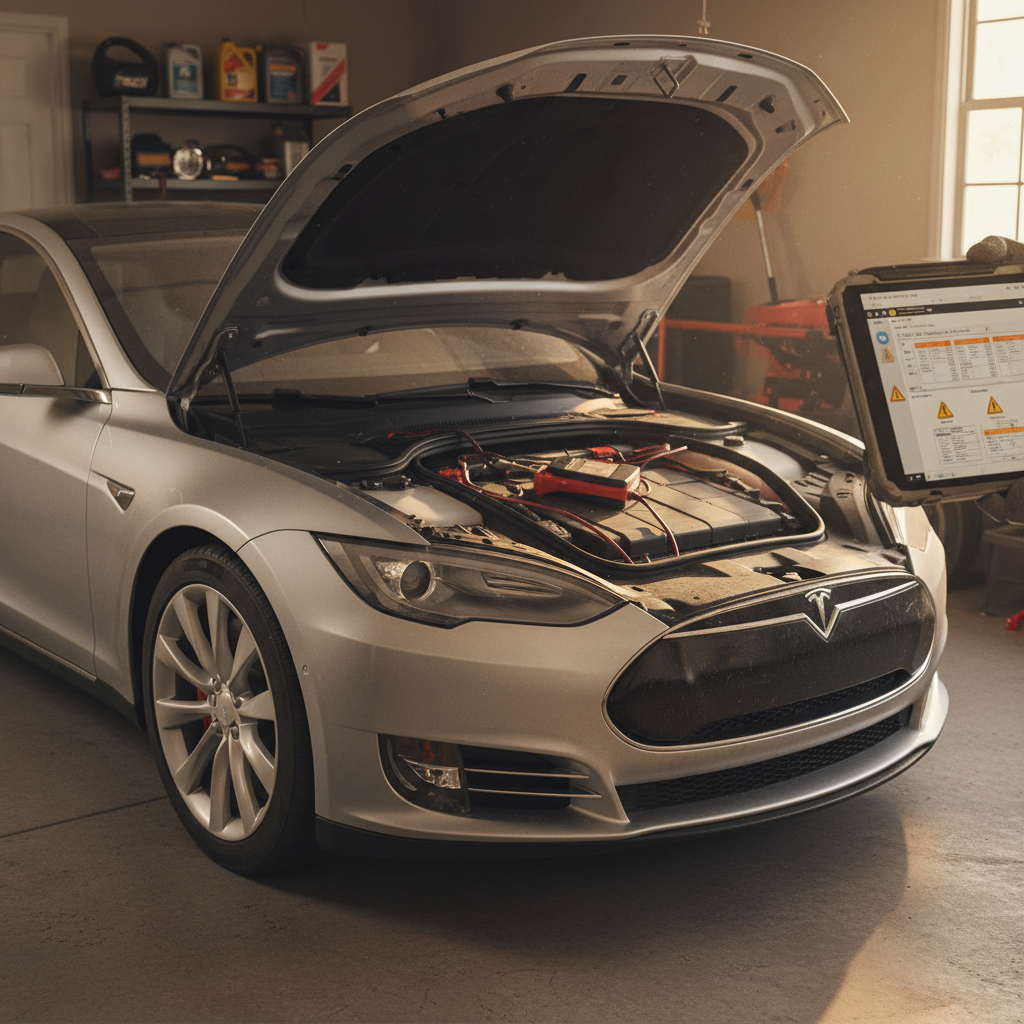
If you bought a 2024 Tesla Model S, you’ve lived through a roller coaster of price cuts, option changes, and shifting demand. Now, in 2026, you might be asking the big question: what’s my 2024 Tesla Model S worth, and how do I sell it for maximum value?
Quick takeaway
What Your 2024 Tesla Model S Is Worth in 2026
2024 Tesla Model S Value Snapshot (Early 2026)
Those numbers are directional, not a quote. They reflect aggregate data from valuation guides and current listings. To dial in your 2024 Model S value, you’ll need to layer in details like odometer, trim (Long Range vs Plaid), accident history, wheel size, and battery health, especially actual usable range today versus the original EPA rating.
Important context on depreciation
Why 2024 Model S Values Are Moving So Fast
Four Big Forces Behind 2024 Model S Resale
Understanding the backdrop helps you decide when, and how, to sell.
1. Aggressive Tesla pricing and trims
In 2023–2025, Tesla repeatedly cut MSRPs and shuffled equipment on the Model S. A car someone paid upper‑$90Ks for in early 2023 suddenly had a comparable new price in the $70Ks or even high‑$60Ks later. Those price moves pulled used values down with them.
2. EV resale reset
Across the EV market, values slid as more models hit the used market and demand cooled. Several independent studies showed Tesla models, including the Model S, near the top of the list for year‑over‑year value drops. Buyers now expect discounts versus sticker, even on nearly new 2024s.
3. Tech churn and autonomy updates
Hardware and software have been moving quickly, new driver‑assist hardware, Autopilot/FSD pricing changes, and software‑locked features. A 2024 Model S with the latest hardware and active FSD subscription will command a premium over a similar car without those upgrades.
4. Production changes and future scarcity
Tesla has signaled that Model S production is winding down in favor of other priorities. That can cut both ways: short‑term uncertainty may cap values, but longer‑term, well‑kept Model S examples could become rarer. For a seller today, it mainly means the market is in flux.
Why this matters to you
8 Factors That Shape Your 2024 Model S Resale Value
- Trim and performance: Plaid typically brings the strongest demand and highest prices; Long Range slots below but can be easier to sell in some markets because it’s cheaper to insure and maintain.
- Mileage: Sub‑20,000‑mile 2024 cars can command a clear premium over 30,000‑ to 40,000‑mile examples. Once you push far above the U.S. average (about 12,000 miles per year), expect steeper discounts.
- Battery health and real‑world range: Buyers care less about the original window‑sticker range and more about what you can actually drive today on a full charge. A pack that still delivers near‑original range is a major selling point.
- Accident and repair history: A clean Carfax or similar report is worth real money. Structural repairs, airbag deployments, or branded titles (salvage, rebuilt) can knock tens of thousands off a late‑model luxury EV’s value.
- Options and software: FSD, upgraded wheels, premium interiors, and rare colors can nudge your price up, but only when they match what buyers in your area actually want. Some wheel and tire packages may hurt value by raising curb‑rash and replacement‑cost concerns.
- Location and climate: Cars from harsh‑winter or extremely hot regions may see more cosmetic and battery wear. Conversely, clean, rust‑free cars from milder climates can be more desirable nationwide.
- Market supply in your area: If there are dozens of similar 2023–2024 Model S listings around you, you’ll need sharper pricing. Thin supply in your region, or nationwide if you’re open to shipping, can support stronger asking prices.
- Selling channel: Instant cash offers and traditional dealer trade‑ins usually land at the low end of your car’s value band for convenience. Marketplaces, consignment, or specialist retailers often get you closer to full retail.
Document what buyers really care about
Price Strategy: How to Set a Realistic Asking Price
To sell a 2024 Tesla Model S at a strong number, you need a price that’s aggressive enough to attract attention, but realistic enough to survive buyer research. Here’s a simple framework you can use before you ever publish a listing.
Building Your 2024 Model S Price Range
Use this as a starting point, then adjust for your car’s specifics.
| Step | What to Check | Typical Outcome | How It Affects Price |
|---|---|---|---|
| 1 | Online valuation tools (KBB, Edmunds, etc.) | Baseline retail and trade estimates | Sets your rough low/high value band |
| 2 | Comparable 2023–2024 Model S listings | Real‑world asking prices in your region | Shows what buyers actually see alongside your car |
| 3 | Condition vs “average” | Better or worse than typical listing photos | Clean, well‑documented cars can support top‑of‑range pricing |
| 4 | Battery health and range | Full‑charge range versus original EPA number | Near‑original range justifies a premium; visible degradation may require discounting |
| 5 | Ownership cost to date | Loan balance vs expected sale proceeds | Tells you whether you’re upside‑down and whether selling now makes sense |
| 6 | Urgency to sell | Need cash now vs flexible timeline | Short timelines usually mean pricing closer to trade‑in numbers |
Think in ranges, not single numbers, and be ready to move quickly if the market shifts.
Scenario A: Strong‑spec car
2024 Model S Long Range, 14,000 miles, one owner, clean history, near‑original range, popular color and 19‑inch wheels.
- Online valuations: low‑$50Ks trade, high‑$50Ks retail
- Local comps: similar cars listed $57,000–$62,000
Strategy: List around $59,900–$61,900 and be ready to accept the high‑$50Ks for a quick, clean deal.
Scenario B: High‑mile or story car
2024 Model S Plaid, 45,000 miles, minor cosmetic issues, otherwise clean, average range.
- Online valuations: low‑$50Ks to mid‑$50Ks retail
- Local comps: few high‑mile Plaids, large price spread
Strategy: List in the $55,000–$58,000 zone depending on condition, lean toward the low end if you need a quick sale.
Don’t chase your own listing down
Selling Options: Trade-In vs Marketplace vs Consignment
Common Ways to Sell a 2024 Model S
Each option trades convenience for some amount of value.
Franchise dealer trade‑in
Best for: One‑stop new‑car deal.
Pros: Fast, simple, potential tax benefit on the new purchase in some states.
Cons: Many dealers aren’t EV experts; offers tend to be conservative, especially on high‑dollar EVs.
Instant offer & car‑buying sites
Best for: Quick cash with minimal hassle.
Pros: Online quotes, fast payment, pickup options.
Cons: Offers often cluster near wholesale levels, leaving equity on the table versus a retail‑oriented sale.
Online marketplace or consignment
Best for: Maximizing value while reaching national EV shoppers.
Pros: Access to more buyers, EV‑savvy pricing help, guidance on battery health and disclosure.
Cons: Takes more time than a basic trade‑in; some consignment programs charge fees or margin.
Where Recharged fits in
Ready to find your next EV?
Browse VehiclesPrep Checklist: Simple Moves That Boost Sale Price
Pre‑Sale Checklist for Your 2024 Model S
1. Get the car software‑clean
Update to the latest Tesla software, clear error messages where appropriate, and take photos with a clean, modern UI on the center screen. Buyers equate visible warnings with expensive repairs, even when they’re minor.
2. Detail the interior and exterior
Professional detailing often pays for itself. Fix obvious issues such as heavy curb rash on wheels, deep scratches, or stained carpets. Late‑model luxury EV buyers expect a car that feels close to new.
3. Document battery health and charging habits
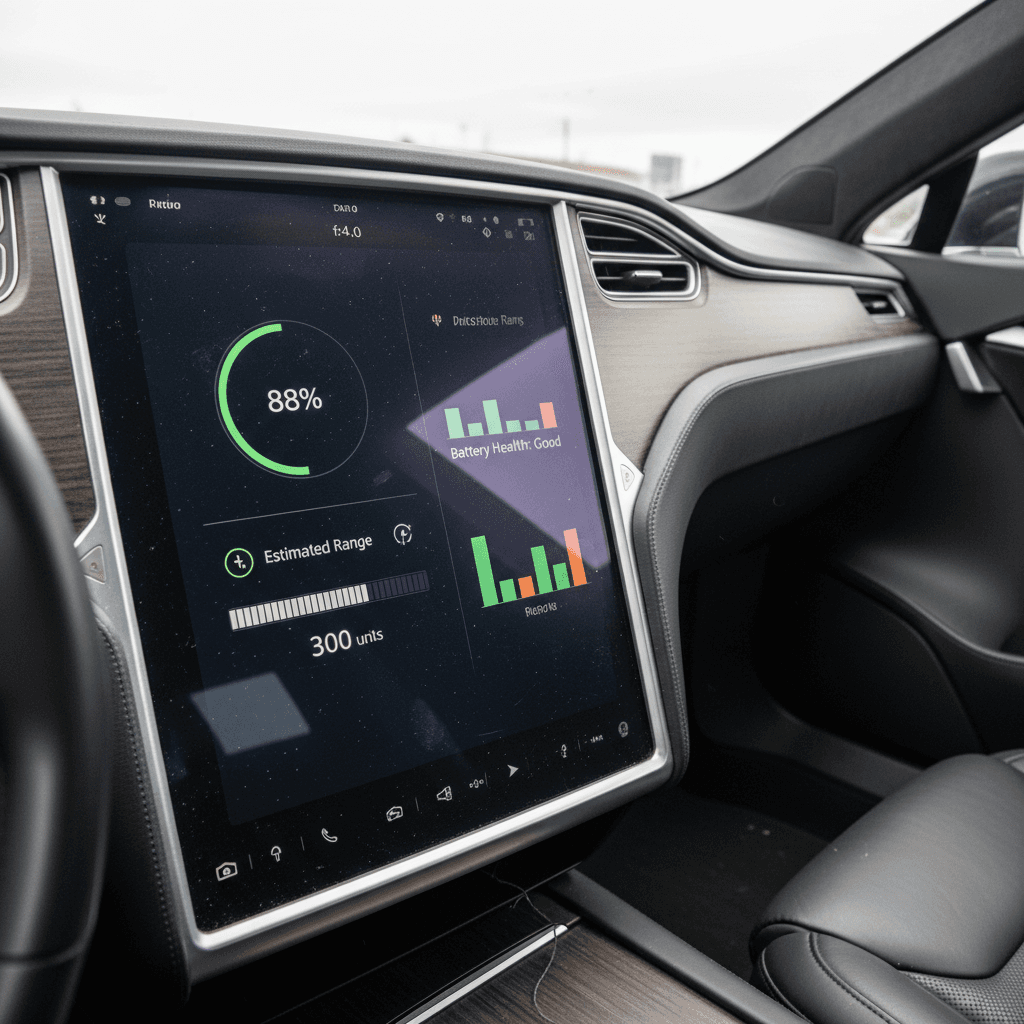
Capture screenshots of full‑charge rated range and your typical charging limits (for example, 80–90%). If you’ve mostly used Level 2 home charging and avoided frequent 100% fast charges, say so in your listing.
4. Gather all service and warranty records
Download service history from your Tesla account when possible and save emails or invoices for any third‑party work. Organized records reassure buyers that the car has been properly maintained and that any issues were addressed under warranty.
5. Photograph like a dealer, not a hobbyist
Shoot in good daylight, with a clean background. Include wide exterior shots from all corners, detailed interior shots, wheel close‑ups, and clear images of the center display showing mileage and range. Poor photos can knock thousands off perceived value.
6. Prepare an honest but confident description
Lead with trim, mileage, color, and standout options, then acknowledge flaws upfront (“small curb rash on left rear wheel,” “minor chips on front bumper”). This builds trust and reduces haggling.
Battery Health, Range, and the Recharged Score
On a 2024 Tesla Model S, usable range and battery behavior matter more to buyers than almost any standalone option. Two cars with identical mileage and trim can be separated by thousands of dollars in value if one shows clear signs of heavy fast‑charging or accelerated degradation and the other doesn’t.
How buyers judge your battery
- Full‑charge range: How close is it to the original EPA rating?
- Charging behavior: Do you have a history of mostly home Level 2 charging, or lots of DC fast charging?
- Consistency: Has range dropped suddenly or gradually?
- Warranties: Is the original battery warranty still active for time and mileage?
What the Recharged Score adds
Every vehicle sold through Recharged includes a Recharged Score Report with verified battery‑health diagnostics, fair‑market pricing benchmarks, and a clear explanation of what the data means. That transparency makes it easier for buyers to pay top‑of‑market prices for a 2024 Model S with a healthy pack, and helps you justify your asking price.
Use battery data as a selling tool
Timing the Market: When to Sell Your 2024 Model S
Timing the market perfectly is impossible, but you can avoid obvious pitfalls. The 2024–2026 period has been unusually volatile for Tesla values, and that volatility will likely continue as new models, incentives, and interest‑rate movements ripple through the market.
Choosing the Right Time to Sell
You want to protect equity
Aim to sell before your 2024 Model S racks up significantly more mileage than other late‑model examples in your area.
Watch financing rates and new‑car incentives, heavily discounted new EVs can suddenly undercut used values.
Consider selling sooner if rumors of major hardware changes or new flagship EVs pick up; those announcements can drag older‑model prices down.
You’re maximizing long‑term usage
If you plan to keep the car 5–7 years or longer, short‑term market swings matter less than total cost of ownership.
Focus on battery health and maintenance; a well‑cared‑for car will still be competitive when you eventually sell, even if headline depreciation numbers look scary.
Re‑evaluate value annually. If resale stabilizes or even ticks up, as sometimes happens when production ends, you might find a surprisingly strong exit window.
Beware sudden price moves
FAQ: 2024 Tesla Model S Value and Selling
Frequently Asked Questions
Bottom Line: Maximizing Your 2024 Model S Value
The 2024 Tesla Model S has moved from “hot new luxury EV” to “high‑dollar used car” faster than many owners expected. That doesn’t mean you’re doomed to take a bath. If you understand how quickly the market has shifted, price your car against live data, and present clear evidence of strong battery health and careful ownership, you can still sell a 2024 Tesla Model S at a compelling value in 2026.
Whether you’re leaning toward a fast trade‑in or want to test the waters with a full‑retail listing, treat this like a business decision: know your numbers, prep the car, and choose the selling channel that balances time, risk, and return. And if you’d rather not navigate that alone, Recharged can walk you through financing, trade‑in, instant offers, or consignment while putting hard data, especially on battery health, behind the price you ask and the offers you accept.