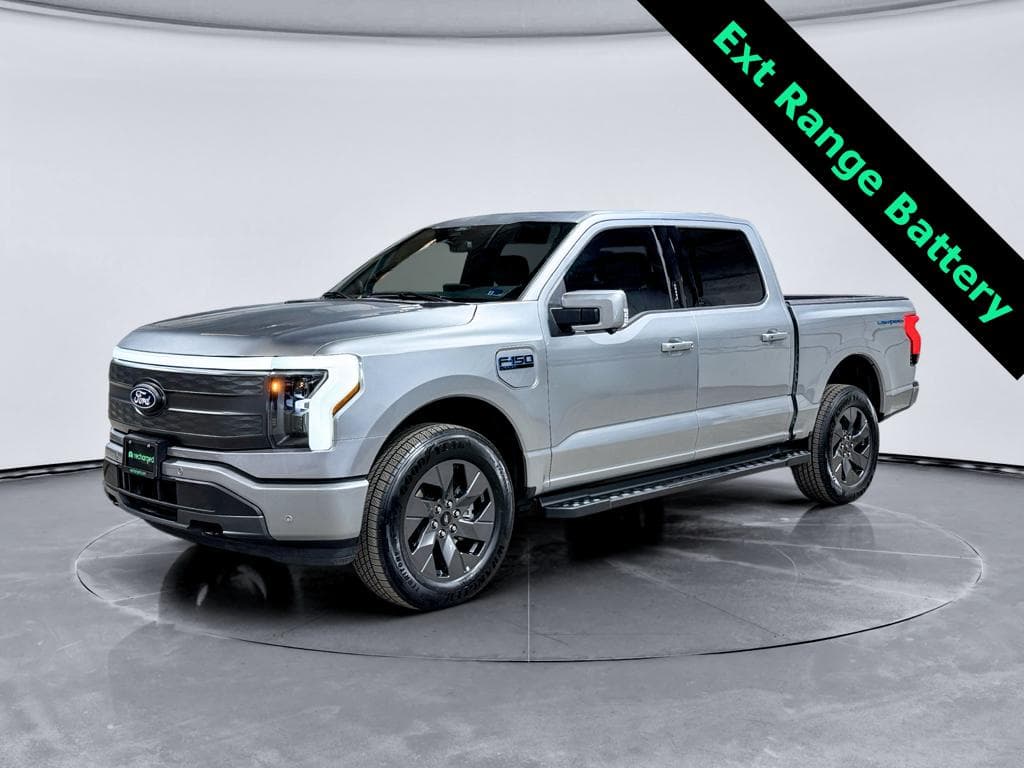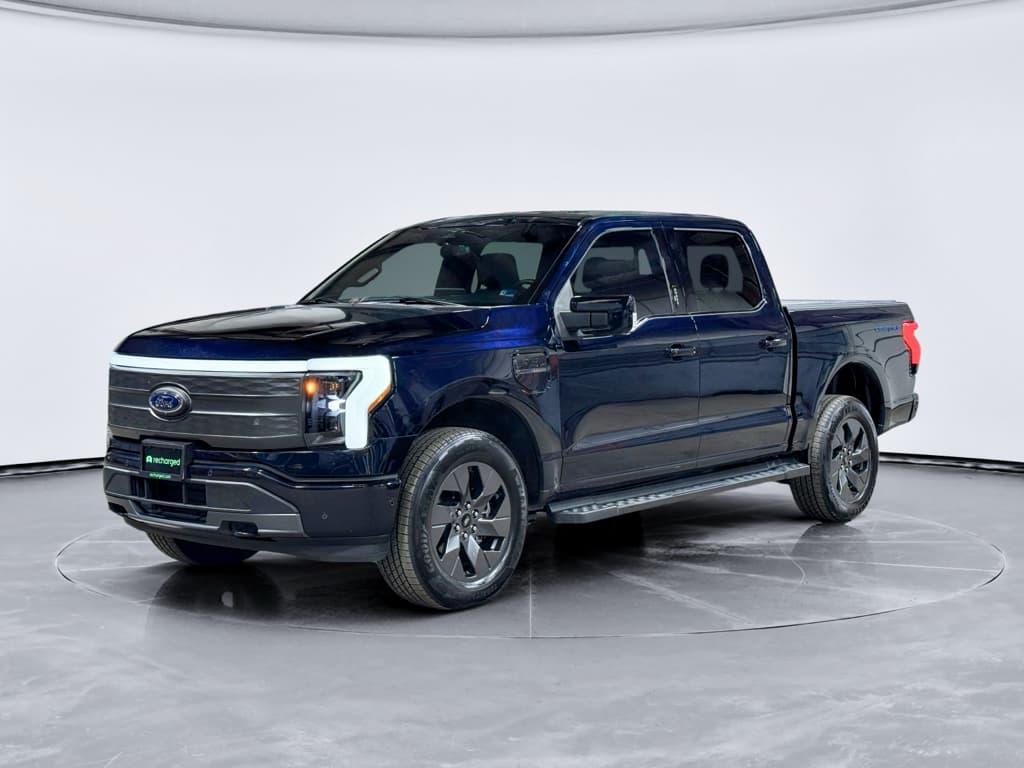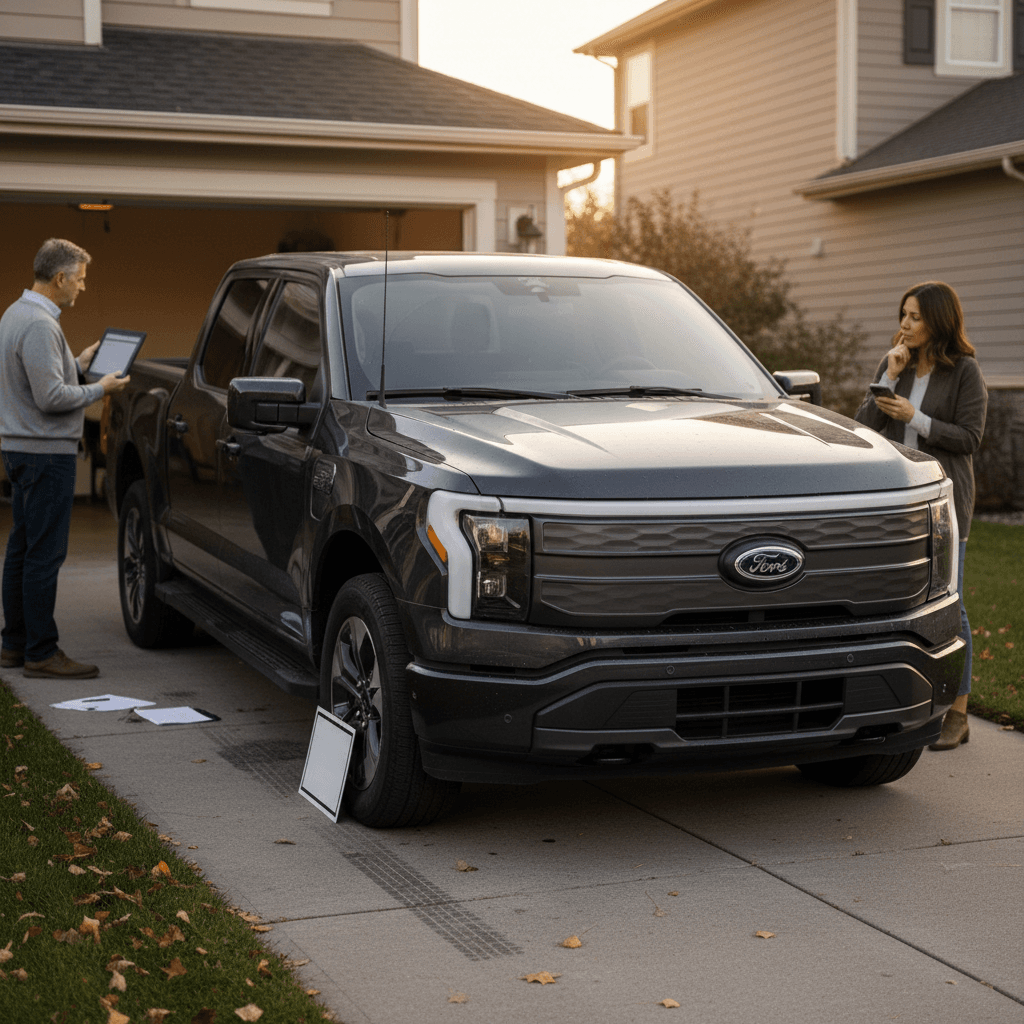
If you own a 2023 Ford F-150 Lightning and you’re thinking about selling, you’ve probably noticed something tough: values haven’t held up the way you hoped. The question isn’t just “what’s it worth?” but “how do I sell a 2023 F-150 Lightning for the best value in a soft used-EV market?” This guide walks you through what your truck is realistically worth in 2025–2026 and how to sell it without leaving thousands of dollars on the table.
Context: the Lightning is already a discontinued configuration
Why 2023 F-150 Lightning values look the way they do
To understand how to sell a 2023 Ford F-150 Lightning for maximum value, you first need to understand why prices look the way they do today. Compared with gas F‑150s, early Lightnings have been hit by a perfect storm: aggressive price cuts on new trucks, shifting EV demand, and fast‑moving tech that makes older hardware look outdated quickly.
2023 F-150 Lightning value at a glance (2025–2026)
In plain English: if you paid $70,000–$80,000 for a nicely optioned 2023 Lightning, it’s normal, unfortunately, to see market offers in the $35,000–$50,000 range today. That doesn’t mean you’re powerless, but it does mean you need to be realistic and strategic.
Don’t anchor on your original sticker price
How much is my 2023 F-150 Lightning worth today?
No single article can spit out a perfect number for your truck, but you can ballpark your 2023 F-150 Lightning resale value using the same inputs professional buyers use: trim, original MSRP, mileage, condition, and current market comps in your region.
Illustrative 2023 F-150 Lightning value ranges (spring 2026)
These are example asking-price bands for private-party sales of typical 2023 trims in the U.S., assuming clean history and average mileage (20,000–40,000 miles). Your actual value will depend heavily on options, location, and real-time demand.
| Trim & Battery | Original MSRP (typical) | Typical private-party range | What strong pricing looks like |
|---|---|---|---|
| Pro / Standard Range | Mid–$50Ks | Low–$30Ks to high–$30Ks | Price near top of 30s with clean history and good photos |
| XLT / Standard Range | High–$50Ks to low–$60Ks | Mid–$30Ks to low–$40Ks | Push closer to $40K if sub‑25K miles and well equipped |
| XLT / Extended Range | Low–$70Ks | Low–$40Ks to high–$40Ks | Aim for high‑40s if under 20K miles, no accidents |
| Lariat / Extended Range | Mid–$70Ks to low–$80Ks | Low–$40Ks to low–$50Ks | Realistically mid‑40s; high‑40s with low miles and perfect history |
| Platinum | High–$80Ks+ | Mid–$40Ks to low–$50Ks | Narrow buyer pool; make condition and features shine |
Approximate ranges only – always check live listings and instant offers for precise pricing.
How to sanity‑check these ranges quickly
Quick way to benchmark your value
- Pull your original window sticker or build sheet (for MSRP and options).
- Check current KBB/Edmunds appraisal estimates for a 2023 Lightning with your mileage and condition.
- Search for similar trucks within 250 miles and sort by “recently listed.”
- Average the middle 5–7 asking prices, that’s your likely private‑sale band before negotiation.
Where Recharged can help
If you don’t want to reverse‑engineer the market yourself, Recharged can give you a data‑backed view of where your truck really sits. Because we live in the used‑EV world, we see actual transaction prices for Lightnings, not just optimistic listings.
You can start by getting an instant offer, or talk to an EV specialist about consigning your Lightning through Recharged so you capture more retail value without doing all the work yourself.
Key factors that move your Lightning’s sale price
What buyers look at when pricing your 2023 Lightning
These levers can move your sale price by thousands of dollars.
Trim & options
An XLT Extended Range with tow package, Pro Power Onboard, and driver-assistance options will often pull materially more than a base Pro.
List every notable option in your ad, buyers comparing trucks side‑by‑side care about the details.
Mileage & usage
A 2023 Lightning with 15,000 miles and mostly highway use is a very different proposition from one with 45,000 miles and heavy towing history.
Staying under major mileage thresholds (20K, 30K, 40K) can help your truck stand out.
Accident history
Clean Carfax/AutoCheck is table stakes in this segment. Even a minor accident can push institutional buyers to discount by several thousand dollars.
Be transparent and document high‑quality repairs if there is history.
Battery health
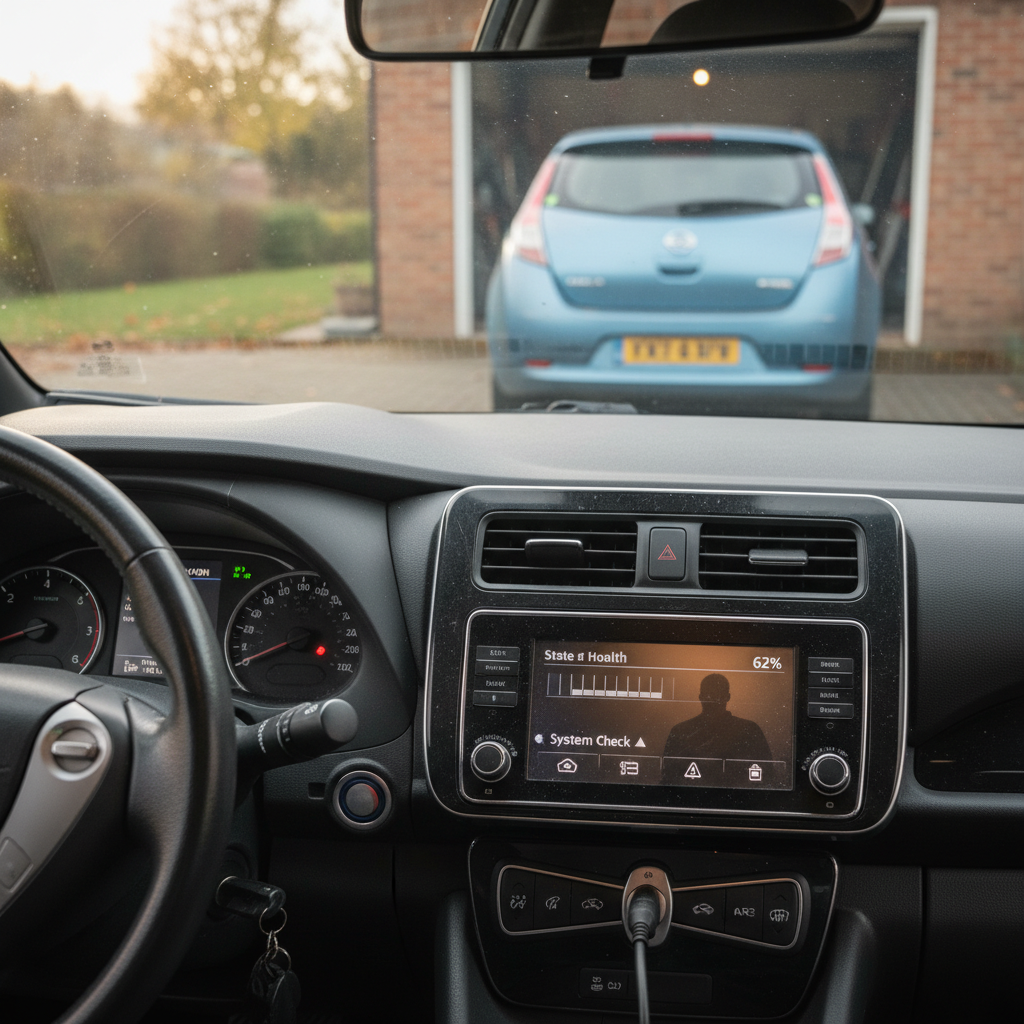
EV buyers are learning to ask about real battery capacity, not just the range estimate shown on the dash.
A verified battery report (like a Recharged Score) reassures them the pack hasn’t been abused.
Region & climate
Lightnings move fastest in metro areas with good DC‑fast‑charging infrastructure and milder climates. Heavy snow-belt use can raise questions about winter range and corrosion.
If your truck has lived in a mild climate and garaged life, say so clearly.
Market timing
Ford incentives, fuel prices, and EV headlines all move demand. When new Lightnings are heavily discounted or advertised, used values soften.
If you have flexibility, avoid selling right as big new‑truck incentives hit the news in your region.
Trade-in vs sell vs consign your 2023 Lightning
You have three realistic paths to unlock your 2023 F-150 Lightning value: trade it in, sell it outright, or consign it with a specialist who sells on your behalf. Each has a different balance of convenience, time, and final price.
Ways to sell your 2023 Lightning: pros and cons
How common selling paths typically stack up for a 2023 F-150 Lightning owner in 2025–2026.
| Path | Typical value vs private sale | Time & effort | Best for |
|---|---|---|---|
| Traditional dealer trade‑in | Lowest (often 10–20% under private value) | Fastest; dealer handles paperwork, but you have little leverage on price | If you’re already buying another vehicle there and value convenience over dollars |
| Instant cash offer site | Below private, but often better than a random dealer | Quick online bids; you still need to schedule inspection/drop‑off | If you want a clean exit and don’t want to show the truck to multiple strangers |
| Private sale (DIY) | Highest potential, but not guaranteed | You handle photos, listings, test drives, and paperwork | If you’re comfortable selling vehicles and have time to wait for the right buyer |
| Consignment with EV specialist (like Recharged) | Near‑retail pricing minus a transparent fee | Professional photos, marketing, buyer screening, and paperwork done for you | If you want close‑to‑retail value with less hassle and EV‑savvy guidance |
Remember that actual offers depend on your specific truck and local market conditions.
Where Recharged fits in
Ready to find your next EV?
Browse VehiclesStep-by-step: how to sell a 2023 F-150 Lightning for max value
Your 10‑step Lightning sale playbook
1. Decide your priority: cash now or max value
Be honest about whether you care more about squeezing every last dollar out of your 2023 Lightning or getting out quickly. That choice determines whether trade‑in, instant offer, or consignment/private sale makes the most sense.
2. Gather paperwork and digital records
Locate your title or loan payoff amount, service records, charging history if you have it, and any accessory receipts. A clean paper trail makes buyers more comfortable and reduces friction at closing.
3. Get a realistic value range
Use KBB/Edmunds style tools, check live listings, and request instant offers from a few online buyers, including EV‑specialist marketplaces like Recharged, to establish a credible low, mid, and stretch price.
4. Check battery health and on‑board data
Document your typical range at 100% and 80%, driving mix, and any battery‑related service history. A third‑party battery health assessment or a Recharged Score report is even better and can justify a higher asking price.
5. Recondition smartly, not excessively
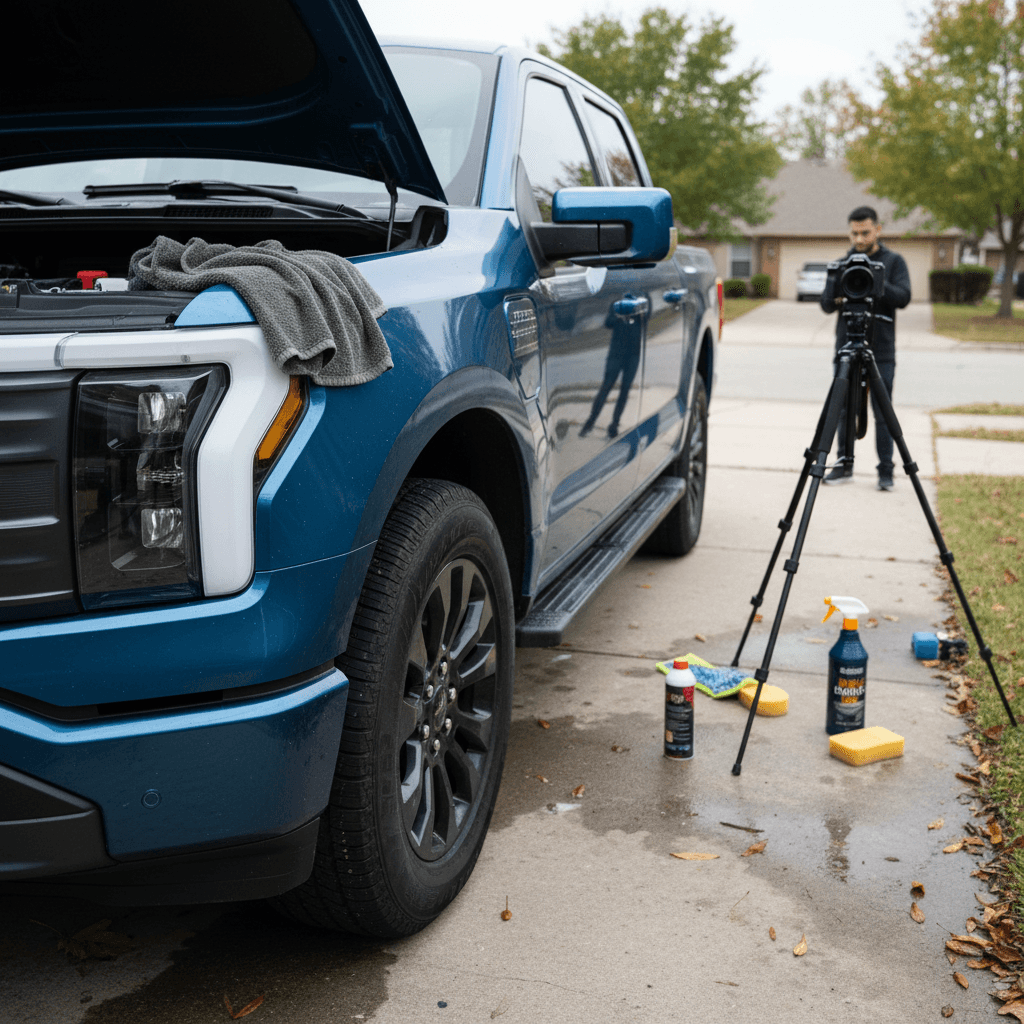
Take care of professional detailing, paintless dent repair for obvious dings, and inexpensive interior refreshes. Skip major cosmetic overhauls that won’t return their cost in a sale price bump.
6. Photograph like a pro
Shoot 20–40 high‑resolution photos: exterior from all angles, interior, frunk, bed, underbody where possible, charge port, infotainment screens, and key options like Pro Power outlets. Good photos are non‑negotiable in the EV space.
7. Write a buyer‑focused listing
Highlight what Lightning buyers care about: battery health, charging habits, towing use, software updates, and how you’ve stored and charged the truck. Be upfront about any flaws and why you’re selling.
8. Choose your sales channels
List on 2–3 platforms, not 8. Consider one broad marketplace, one EV‑specific platform like Recharged, and potentially your local classifieds. Too many channels can be hard to manage and confuse interested buyers.
9. Screen buyers and structure safe test drives
Verify serious interest with a quick phone call before meeting. Meet in daylight at safe, camera‑covered locations, and require proof of license and insurance. Join them on the test drive and set a clear route.
10. Close the deal cleanly
Use a simple bill of sale, handle payoff and title transfer correctly, and remove your data from FordPass, infotainment, and any connected services before handing over the keys.
Pricing strategies that actually work in 2025–2026
Because 2023 F‑150 Lightning values have been moving quickly, pricing is more about strategy than wishful thinking. You’re not just picking a number, you’re signaling whether you’re prepared to sell in this market or just testing the waters.
- Use a three‑tier model: set a "walk‑away" minimum (what you’d accept from a dealer or instant offer), a realistic target price based on comps, and a stretch price you’d be thrilled to get but can justify.
- Price slightly under stale listings: if similar trucks have been sitting for 45–60 days at $47,000, coming out at $45,900 with better photos will attract serious attention.
- Be willing to adjust within 2–3 weeks: if you don’t get quality inquiries in the first 10–14 days, the market is telling you something. A measured $1,000–$2,000 reduction can wake up buyers without signaling desperation.
- Consider sweeteners instead of big discounts: including a home Level 2 charger, winter wheels, or an extended warranty transfer can shape buyer perception without slashing the headline price.
- Be transparent about the market: savvy buyers know Lightnings have depreciated. Acknowledging this and focusing on why your truck is a good value today builds trust, which often matters more than squeezing the last $500 out of the deal.
Leverage EV‑specific demand, not just truck buyers
Battery health: how much does it affect value?
For any used EV, battery health is the quiet variable that can make or break a deal. The Lightning’s liquid‑cooled pack has generally held up well in its first few model years, but buyers have read the same depreciation headlines you have, they want reassurance the expensive part of the truck is sound.
What buyers are afraid of
- That your truck’s usable range is already far below original EPA ratings.
- That heavy fast‑charging or frequent towing has accelerated wear.
- That a future out‑of‑warranty pack replacement could wipe out their savings.
Even if those fears are overblown, they’re real, and they’re baked into the lowball offers many Lightning owners complain about.
How to turn battery health into a selling point
- Document your typical range at 80% and 100% state of charge with screenshots.
- Explain your charging habits (e.g., mostly home Level 2, rarely fast‑charged to 100%).
- Show any high‑voltage system service records from Ford.
- Where possible, include a third‑party battery diagnostic or a Recharged Score battery report that quantifies estimated remaining capacity.
How the Recharged Score helps your Lightning stand out
Common mistakes that kill 2023 Lightning resale value
Avoid these value killers when you sell
Most of them cost little to fix, if you catch them in time.
Ignoring obvious cosmetic issues
Door dings, curb‑rashed wheels, and a scratched bed can push buyers to discount your truck or move on entirely.
Paintless dent repair and professional detailing often return more than they cost, especially in photos.
Vague or misleading listings
Listings that hide accident history, gloss over options, or use generic language signal “hassle ahead” to serious buyers.
Be specific about trim, battery, packages, and history, it increases trust and filters out tire‑kickers.
Overpricing based on your payoff
Many Lightning owners are “upside‑down”, they owe more than the truck is worth. Pricing to cover your loan instead of the market just leads to months of no activity.
Buyers don’t care about your payoff; they care about comps.
Under‑explaining EV benefits
If your ad reads like a gas truck listing with a battery, you’re missing buyers who would pay more for home charging, low running costs, and tech features.
Spell out what makes the Lightning different to someone’s daily life.
Sloppy test‑drive process
Letting strangers joy‑ride your truck with no screening or expectations invites abuse and last‑minute flaking.
Set ground rules and only demo for buyers who are clearly ready.
Messy paperwork and digital accounts
Surprises at the DMV or seeing your truck still in your FordPass app after the sale is a bad look.
Plan the title transfer and remove your data from all connected services before hand‑off.
Reality check on negative equity
When it might make more sense to keep your Lightning
Not every owner should sell right now. In some situations, keeping your 2023 Lightning and extracting more utility from it is the rational move, especially if the offers you’re seeing feel insultingly low.
- Your payoff is far above current market: if retail offers are $42,000 and you owe $55,000, you’d be locking in a large loss to exit. Extending ownership while paying down the loan can shrink that gap.
- The truck still fits your life well: if the Lightning continues to cover your range, towing, and work needs, and you like driving it, depreciation becomes a paper loss, not a monthly pain point.
- You benefit from cheap electricity: low home electricity rates or solar can make the Lightning’s ongoing operating costs much lower than a gas F‑150, offsetting some of the hit you took up front.
- You expect to use Pro Power Onboard heavily: if you rely on the truck as a mobile generator for work or recreation, its utility may be worth more to you than what the current market is offering.
- You’re waiting for the next generation: with Ford pivoting toward an extended‑range Lightning concept, holding your current truck until the new tech and pricing stabilize could give you clearer upgrade math.
Resale value is about more than today’s number on a screen; it’s about the net cost of the miles, and the work, you’ve already gotten from the vehicle.
If you decide to hold for now, make a plan: how long you’ll keep it, how you’ll maintain battery health, and what payoff balance you’re targeting before revisiting a sale. That way you’re not just waiting and hoping, you’re managing your exposure.
FAQ: selling a 2023 Ford F-150 Lightning
Frequently asked questions
The 2023 Ford F‑150 Lightning is a case study in how quickly the EV market can move, and how bruising that can be for early adopters. You can’t change that macro story, but you can absolutely control how you present, price, and sell your truck. By understanding where values really sit today, documenting battery health, choosing the right sales channel, and avoiding the common traps that sink resale, you give yourself the best shot at a clean exit and a strong number. And if you’d rather not go it alone, Recharged’s instant offers, financing support, consignment, and Recharged Score battery diagnostics are there to help you turn your 2023 Lightning into your next chapter in EV ownership on your terms.