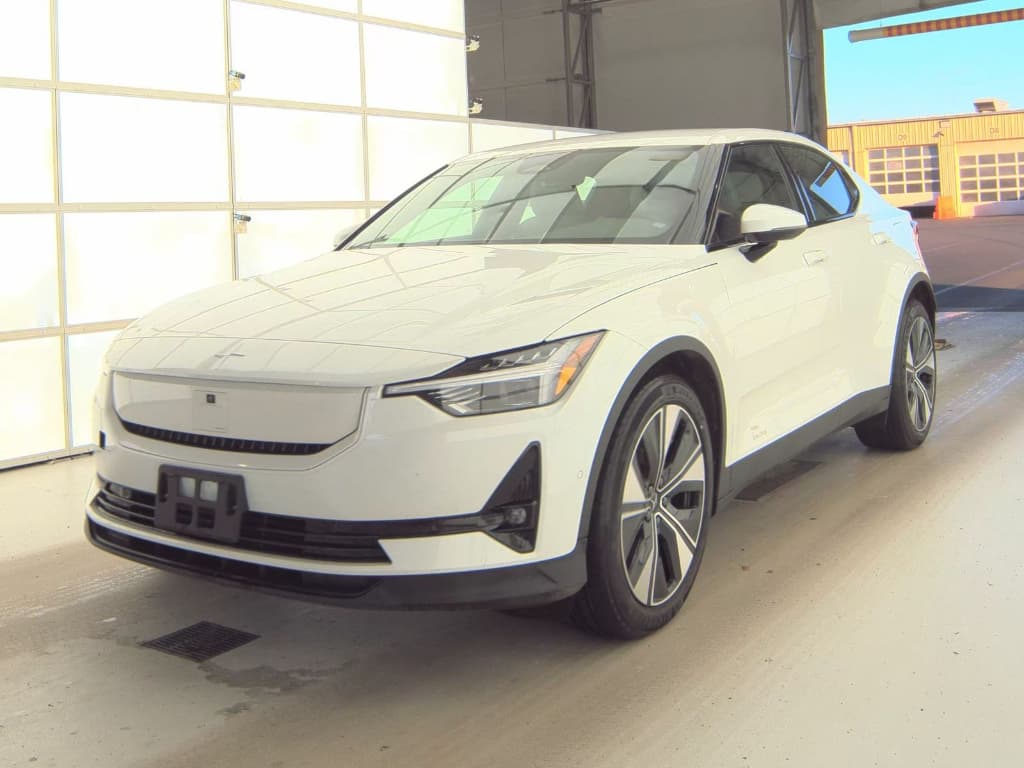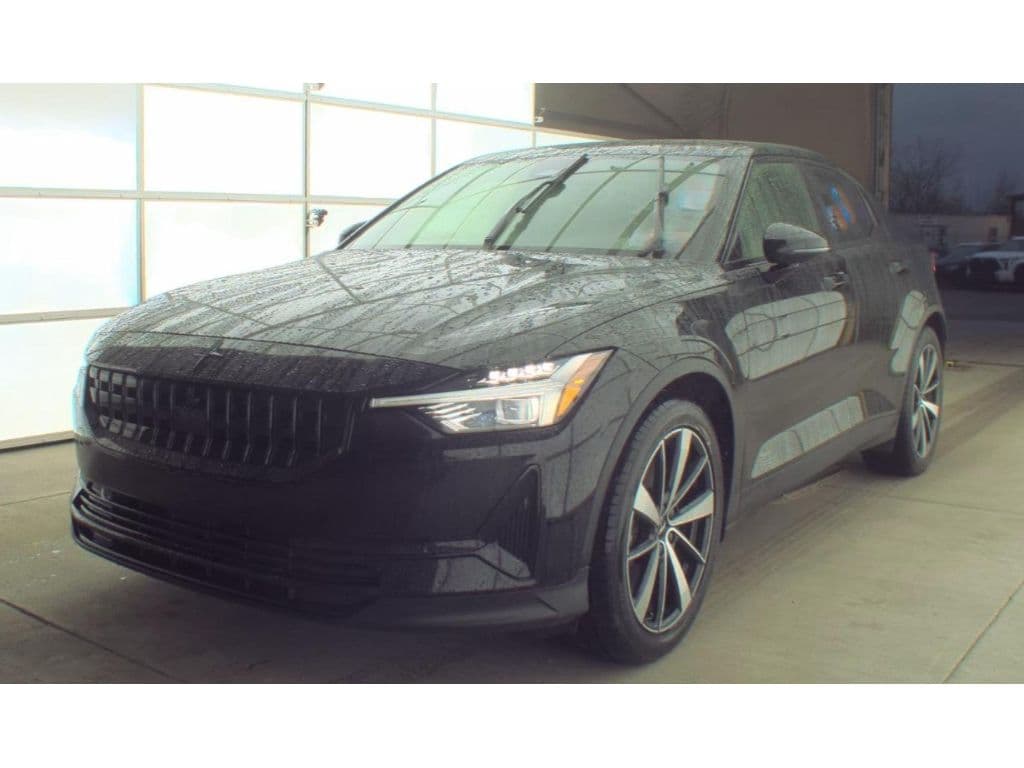
If you’re ready to sell a 2021 Polestar 2, you’re not alone. Early Polestar 2s are now five model years old, out of basic warranty, and sitting at the awkward intersection of steep EV depreciation and rising used-EV demand. The good news: if you understand where values sit in 2026 and how buyers think, you can still get strong money for the right car.
Quick take on 2021 Polestar 2 value
2021 Polestar 2 value overview in 2026
2021 Polestar 2 value snapshot (early 2026)
Internal and third-party data on the Polestar 2 show that 2021 models have already shed just over half their original price, landing around the high-$20,000s at retail for typical miles. Trade-in and instant-offer ranges tend to lag by several thousand dollars, especially on cars with higher mileage, accidents, or weak reconditioning.
Why some value tools show much lower numbers
How much is my 2021 Polestar 2 worth right now?
Typical 2021 Polestar 2 value bands (early 2026, U.S.)
These are ballpark ranges for private-party sale vs. trade-in or instant offer. Real numbers depend on options, color, region, and market timing.
| Mileage & condition | Example trim | Likely private-party range* | Likely trade-in / instant-offer* | Notes |
|---|---|---|---|---|
| 25,000–40,000 mi, very clean | LR Dual Motor, Pilot/Plus | $29,000–$33,000 | $25,000–$28,000 | Top of the market; buyers pay extra for low miles and options. |
| 40,000–65,000 mi, clean | Single or Dual Motor | $26,000–$30,000 | $23,000–$26,000 | Where many 2021 cars now land, assuming normal wear. |
| 65,000–85,000+ mi, average | Any | $22,000–$26,000 | $19,000–$23,000 | High miles and cosmetic issues push you toward the lower end. |
| Branded title / major issues | Any | $15,000–$22,000 | $13,000–$18,000 | Accidents, battery concerns, or major faults can crush value. |
Estimate where your 2021 Polestar 2 sits before getting real offers.
Private sale vs. trade-in math
To sanity-check your numbers, look at real listings for 2021 Polestar 2s with similar mileage and options in your region, then discount them by $1,000–$2,000 to approximate true selling prices. Combine that with a couple of instant offers and you’ll quickly see where the real-world market is for your specific car.
What actually drives 2021 Polestar 2 resale value
The big levers behind your 2021 Polestar 2’s value
These factors matter more than most sellers realize.
Mileage & usage
Battery & charging history
Service & repair history
Options & packages
Cosmetic condition
Region & demand
The Polestar 2 lives in a tough neighborhood: it competes directly with used Tesla Model 3s, Model Ys, and newer Korean and American EV sedans that often have longer range or faster charging. That competitive set is one reason 2021 Polestar 2 depreciation has been steeper than mainstream gasoline cars, but it’s also why a clean, well-priced example can still stand out for shoppers looking for something different.
Lean into what Polestar 2 buyers care about
Battery health: how much it moves your value
For a 2021 Polestar 2, the battery story is the value story. The high-voltage battery and drive units carry an 8-year / 100,000‑mile warranty, so in 2026 your car still has several years of coverage left. Most owners are seeing modest degradation, often within the 5–10% range by year five, if charging has been managed reasonably.
Healthy battery, documented
If your 2021 Polestar 2 still delivers range close to original estimates and you can show some evidence of that, you’re in the sweet spot.
- Recent DC fast-charge session logs or trip data
- Service invoices showing no battery-related faults
- Third-party or OEM-style battery health report
Cars with clear, positive battery stories can command $1,000–$2,000 more than similar-looking cars with no documentation.
Range or charging red flags
On the flip side, buyers quickly punish anything that hints at battery trouble.
- Noticeably reduced range vs. peers
- Charging failures or repeated DC fast-charge derating
- Warning lights or open battery-related recalls
These issues can push your car to the bottom of the value range, or make some buyers walk away entirely.
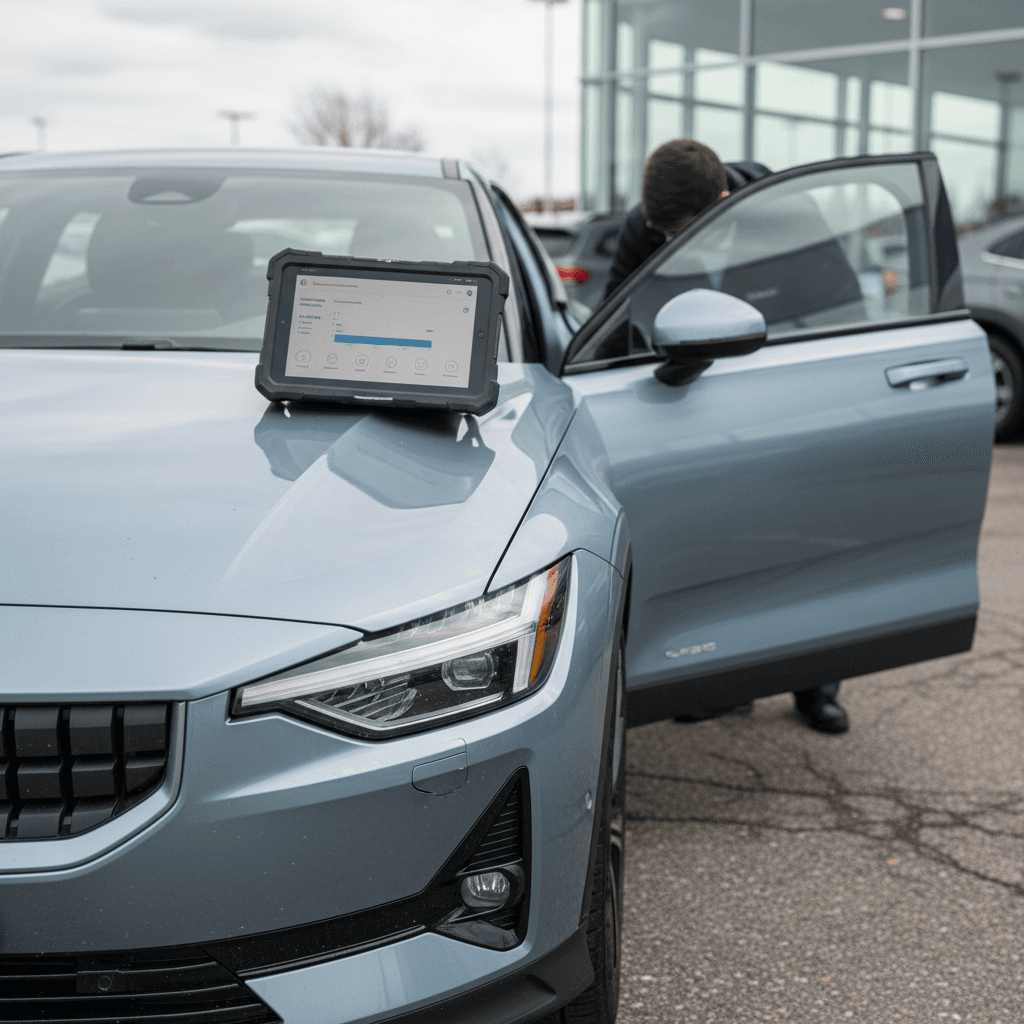
How Recharged helps you prove battery health
Ready to find your next EV?
Browse VehiclesSelling options: trade-in vs. private sale vs. EV marketplace
Compare your options for selling a 2021 Polestar 2
Each path has trade-offs in price, effort, and risk.
Dealer trade-in
Fast and simple, especially if you’re buying another vehicle.
- Lowest hassle
- Often lowest price
- May save on sales tax when trading
Private-party sale
Typically yields the highest sale price, but demands work.
- You handle marketing and screening
- Meet-ups, test drives, paperwork
- More time on market, more tire-kickers
Digital EV marketplace
A middle ground that mixes strong pricing with support.
- Instant online offers or consignment
- EV-savvy pricing, battery diagnostics
- Guided process and nationwide reach
Where you sell your 2021 Polestar 2 can matter as much as what you sell. A mainstream dealer might lowball an unfamiliar Swedish EV, while an EV‑focused platform is more likely to understand the car’s equipment, software state, and battery health, and price it accordingly.
Where Recharged fits in
How to price your 2021 Polestar 2 confidently
Step-by-step pricing playbook for your 2021 Polestar 2
1. Start with current local comps
Filter listings to 2021 Polestar 2s within 200–300 miles of you, then narrow by similar mileage, trim, and options. Track both asking prices and the age of listings so you can see what might be overpriced and sitting.
2. Adjust for mileage and condition
Shift your target price band up for low miles and exceptional condition, or down for wear, wheel rash, chips, or interior blemishes. A good rule of thumb is to move $500–$1,000 for every clear step up or down in condition.
3. Factor in options and colors
Launch Edition cars, Pilot and Plus packages, premium audio, and popular colors (white, silver, dark gray) can all support a higher ask. Less popular wheels or interiors may require price flexibility.
4. Gut-check against instant offers
Get trade or instant-offer quotes from at least two sources. If your target private-party price is only $1,000 above those, you may be underpricing. If it’s $7,000 higher, you may be dreaming.
5. Decide your strategy: speed vs. max dollars
If you need to sell quickly, aim near the middle of the current market. If you can hold out, price closer to the top, and be willing to walk offers downward over a couple of weeks.
6. Revisit every 2–3 weeks
The used EV market moves quickly. If you’re not getting bites after 10–14 days, reduce your price in clear, meaningful steps rather than a handful of tiny cuts.
Anchor your price with data in the listing
Prep checklist to boost your sale price
- Deep clean inside and out, and repair obvious cosmetic blemishes like curb rash and small paint chips if the repair cost is less than the likely value gain.
- Update all software and complete open recalls before listing; note this in your ad so buyers know the car is up to date.
- Gather documentation: purchase paperwork, all service records, recall letters, and any battery diagnostics you have access to.
- Install a fresh set of wiper blades and ensure tires have adequate tread and even wear; these small cues reassure picky buyers.
- Take high-quality, well-lit photos from multiple angles, including close-ups of wheels, seats, screens, and the charging port.
- Prepare both keys, charging cable(s), manuals, and accessories; complete packages sell faster and for more.
How much can good prep add?
Common 2021 Polestar 2 buyer concerns to address
“Is the car still under warranty?”
Buyers know early Polestar 2s had a 4‑year / 50,000‑mile basic warranty and an 8‑year / 100,000‑mile battery and drivetrain warranty.
- Spell out your in-service date and current mileage.
- Clarify roughly how many years / miles remain on the battery warranty.
- Mention any extended or CPO coverage if it applies.
“Has it had software or hardware issues?”
Early Polestar 2s were known for occasional software glitches and 12‑volt battery complaints.
- Note major software updates that improved stability.
- Disclose any 12‑volt battery replacements or significant repairs.
- Be upfront about any remaining quirks; buyers appreciate honesty.
Don’t hide issues, it backfires
When it makes sense to sell now vs. hold
Choose your timing strategy for a 2021 Polestar 2
You should consider selling now if…
You’re within 12–18 months of the 4‑year / 50,000‑mile basic warranty expiring and don’t want to own it out of coverage.
You’re nearing 80,000–90,000 miles and want to maximize value before buyers start worrying about six-figure mileage.
You plan to move into a longer-range EV or SUV and want to tap current used-EV demand while it’s healthy.
You don’t have convenient Polestar service access in your new area, making ownership more complicated.
You may want to hold a bit longer if…
Your 2021 Polestar 2 has very low miles, flawless history, and you still enjoy driving it daily.
You’re not ready to commit to a replacement, and the car’s remaining battery warranty still gives you peace of mind.
Current local offers feel artificially low (for example, compared with similar listings) and you’re not under time pressure.
You’re open to riding out another year or two of depreciation while extracting more utility from the car.
Think in 12–18 month windows
FAQs about selling a 2021 Polestar 2
Frequently asked questions
Bottom line: getting the best value for your 2021 Polestar 2
A 2021 Polestar 2 will never recapture its launch-year MSRP, but that doesn’t mean you’re stuck accepting the first low offer that arrives in your inbox. In 2026, the cars that sell well are the ones whose owners understand where the market really is, can tell a clear story about battery health and maintenance, and choose the right channel for their goals.
If you’d rather not navigate that alone, selling through Recharged gives you access to EV‑specialist pricing, a Recharged Score battery report, nationwide marketing, and options to trade in, get an instant offer, or consign your 2021 Polestar 2. However you choose to sell, going in with data, documentation, and realistic expectations is the best way to protect your car’s remaining value.