If you’re shopping for a used electric vehicle, you’ve probably noticed something right away: the same Tesla Model 3 or Chevy Bolt can be priced *very* differently depending on whether it’s at CarMax, on Carvana, or on an EV‑focused marketplace like Recharged. Comparing CarMax used EV prices vs online dealers isn’t just about the sticker, it’s about fees, battery health transparency, and how much risk you’re really taking on.
Why this comparison matters now
CarMax vs online EV pricing: what shoppers are really asking
When shoppers compare CarMax used EV prices to online dealers, they’re usually trying to answer three questions: 1. **Am I overpaying at a big brick‑and‑mortar brand?** 2. **Are online‑only dealers cheaper, or just less transparent about fees and battery health?** 3. **Where do I get the best mix of price, convenience, and confidence about the battery?** To answer those questions, you need to understand how used EV prices have changed since 2022, where each channel tends to price aggressively, and how factors like battery health reporting, warranty coverage, and reconditioning standards differ.
Used EV market snapshot (2022–2026)
How used EV prices have shifted since 2022
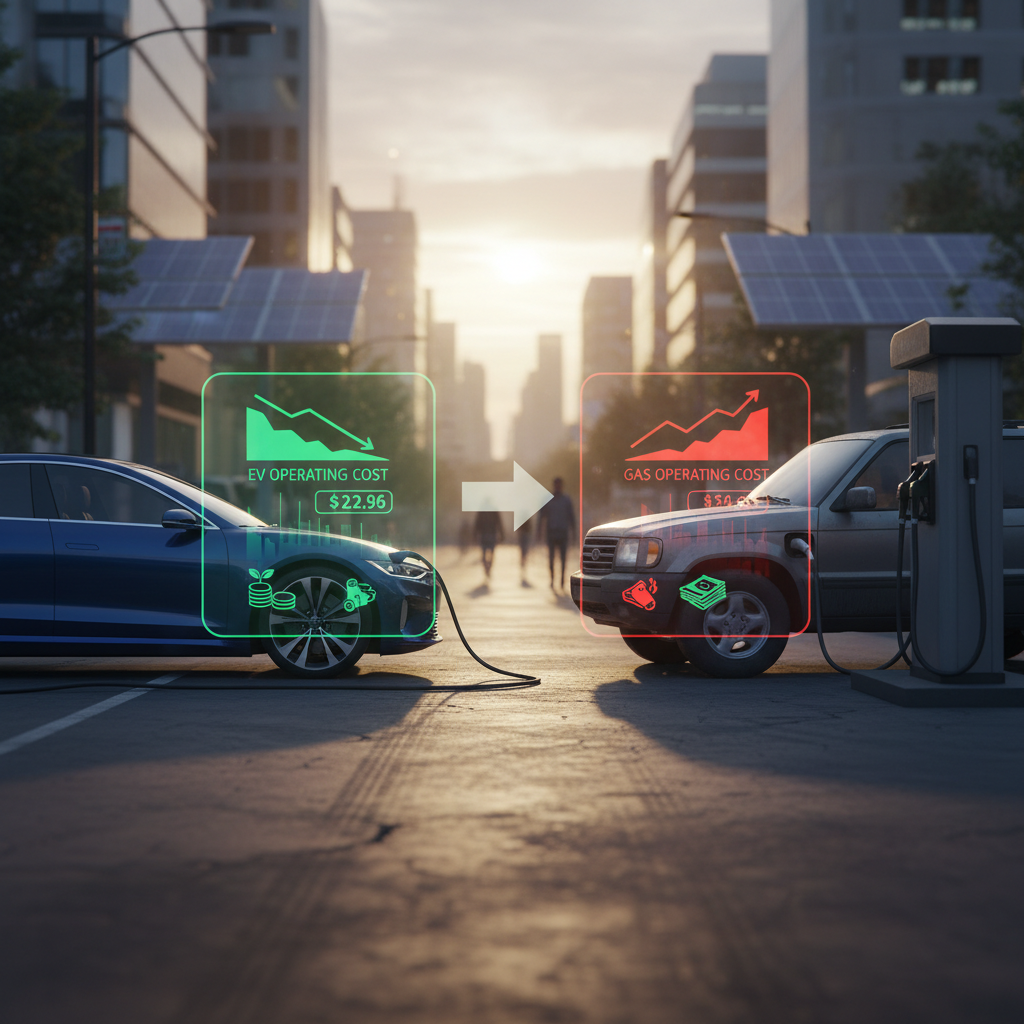
The first thing to understand is that **today’s CarMax and online prices are sitting on top of a roller coaster**. In 2022 and early 2023, new EV price cuts and a flood of off‑lease vehicles pushed used EV values down hard. Studies in 2024 showed used EV prices falling more than 30% year‑over‑year, with Teslas leading the decline.
By early 2025, analyst reports and retailer data showed average used EV prices down over 40% compared with January 2022, even as many used gas vehicles were only down around 12%. At the same time, **CarMax’s own EV search traffic nearly doubled** from January 2022 to early 2025, and online‑only platforms like Carvana saw EVs grow to more than 4% of their total used sales as prices became more approachable.
Now in early 2026, the story is more nuanced: - **Used Tesla prices have actually ticked up**, one recent study showed an increase of about 4% since the federal EV tax credit for new cars expired in late 2025. - **Non‑Tesla EVs have softened further**, with average prices slipping a few more percentage points. - The result is a **two‑tier used EV market**: relatively firm pricing on Teslas and deeply discounted prices on many other EVs. Every player in the used EV space, CarMax, Carvana, and EV‑first marketplaces like Recharged, has had to adapt their pricing strategies to that reality.
Don’t assume 2022 pricing logic still applies
Where CarMax tends to be cheaper, or more expensive
Where CarMax can be competitive
- Mainstream, high‑volume EVs like Tesla Model 3/Y, Chevy Bolt, Hyundai Ioniq 5, and VW ID.4 are often priced close to what you’ll see on major online platforms, especially in markets where CarMax has strong EV demand.
- One‑to‑three‑year‑old EVs that CarMax can certify and finance easily sometimes undercut online dealers that rely more heavily on third‑party reconditioning and shipping.
- Holiday or promo periods when CarMax runs special APR offers can make the effective cost of ownership lower even if the sticker price isn’t the absolute cheapest.
Where CarMax often looks pricier
- Older or niche EVs, first‑generation Nissan LEAFs, Fiat 500e, BMW i3, or low‑range compliance cars, sometimes carry higher asking prices at traditional retailers than on auction‑backed online platforms or EV‑focused marketplaces.
- High‑spec Teslas with dual‑motor, Performance, or long‑range options may list higher at CarMax if reconditioning and transport costs are baked into the price.
- States with limited EV demand where CarMax’s lot space is dominated by gas vehicles, making EVs more of a specialty offering than a volume play.
CarMax’s business model is built around **no‑haggle pricing plus physical inventory**. That often means you’ll pay a bit more than the absolute rock‑bottom online listing, but you’re also seeing and driving the car in person. By contrast, many online‑only dealers lean harder on algorithms and national auctions, so prices can be lower, but condition and battery history are harder to verify.
Use multiple tabs, not just one lot
Beyond price: fees, warranties, and the fine print
Price vs total cost: CarMax vs online dealers vs Recharged
Look past the headline number and into what’s included.
CarMax
- No‑haggle pricing on the sticker.
- Store and transfer fees if the EV is moved from another location.
- Typically includes a limited warranty and return window.
- Reconditioning tends to be consistent, but battery data is usually surface‑level.
Online mega‑dealers (e.g., Carvana)
- Algorithm‑driven pricing that can be aggressive in some ZIP codes and higher in others.
- Delivery fees that vary by distance and market conditions.
- Home‑delivery convenience, but you’re relying heavily on photos and a short return period.
- Battery information often limited to basic range estimate and a generic inspection checklist.
EV‑first marketplaces (e.g., Recharged)
- Pricing benchmarked to the broader used EV market using EV‑specific depreciation data.
- Transparent fee structures and nationwide delivery.
- Battery‑focused inspections like the Recharged Score Report, which verifies pack health and fair pricing.
- Digital process with access to EV specialists to explain range, charging, and incentives.
A CarMax car that looks $1,000 more expensive than an online listing might actually be cheaper once you add **shipping, doc fees, and the impact of different warranties**. Conversely, an eye‑catching online deal can evaporate once you factor in delivery, interest rate differences, and the risk of buying a high‑degradation pack with only a generic inspection behind it.
Watch for silent price creep
Battery health: the biggest blind spot in most listings
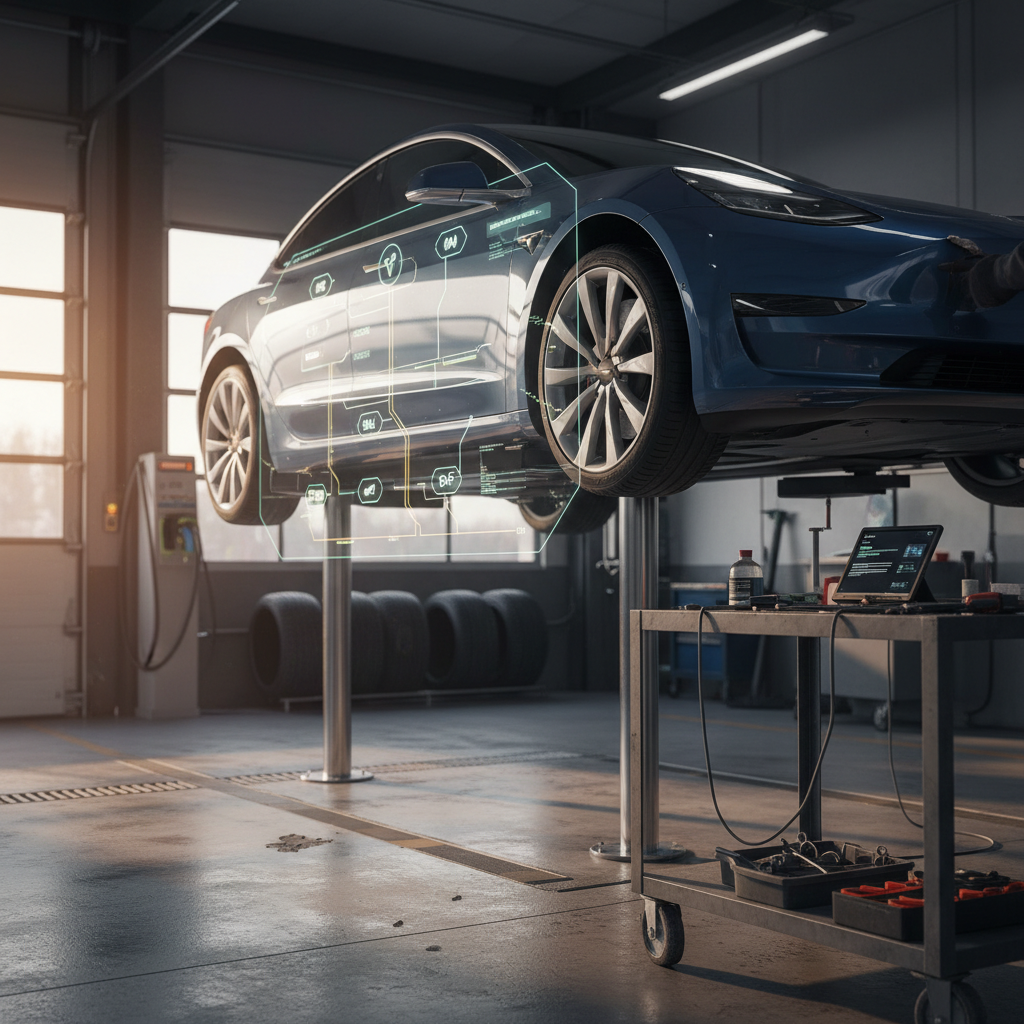
With gas cars, you can live with a slightly worn engine if the price is right. With EVs, the **battery pack is the car**, and that’s where most pricing comparisons break down. When you’re weighing CarMax used EV prices vs online dealers, the more important question is often: who is telling me the most truth about the battery?
- Most big box retailers, including CarMax, highlight a generic multipoint inspection and basic range estimate, but rarely publish detailed state‑of‑health (SOH) data for the battery pack.
- Online‑only dealers typically rely on visual inspections and scan tools, with battery details presented as a simple “passed inspection” line item.
- OEM‑branded used EV programs (for example, certified pre‑owned programs from Tesla, Hyundai, or Volkswagen) sometimes include more robust testing but can command higher prices.
- EV‑focused marketplaces like Recharged invest directly in pack‑level diagnostics, publishing a Recharged Score that includes verified battery health, expected range, and fair‑market price bands.

How Recharged changes the math
Inventory, selection, and how fast used EVs are moving
CarMax, Carvana, and EV‑first marketplaces all fish from the same pond: off‑lease vehicles, trade‑ins, fleet sales, and auctions. Where they differ is **how much of that pond they want to own** and how quickly they’re willing to move cars.
How major channels handle used EV inventory
EV shoppers care about both selection and days‑to‑sale, cars that sit too long can be overpriced or less desirable specs.
| Channel | Typical EV Inventory Strategy | Days to Sell (Approx.) | Where It Shines |
|---|---|---|---|
| CarMax | Curated EV mix at ~250 stores; heavier EV presence on the West Coast and in EV‑friendly states. | Around a month, often faster in EV‑dense markets. | In‑person shopping with test drives; good for first‑time EV buyers who want to see and touch before they buy. |
| Online mega‑dealers | Large, nationally distributed inventory; EV mix rising but still a minority of total stock. | Similar or slightly faster than big box dealers in hot ZIP codes. | Sheer convenience and national selection, especially if you’re flexible on color and features. |
| Recharged (EV‑first) | Inventory made up exclusively of used EVs, focused on models and trims that represent strong value for money. | Competitive days‑to‑sale because pricing is tied closely to battery health and real‑time EV demand. | Shopper experience that assumes you’re buying an EV, not just a car, battery data, charging guidance, and model‑specific education baked in. |
Generalized comparison based on recent industry reports and marketplace behavior.
Location still matters
Financing and trade-ins: CarMax vs online dealers vs Recharged
Once you’ve lined up prices, the next big lever is **how you pay**, and what you do with your current vehicle. On a used EV, a small difference in interest rate or trade‑in value can matter more than a few hundred dollars in sticker price.
How key players handle financing and trade‑ins
Look at the whole deal, not just the advertised payment.
CarMax
- In‑house financing plus access to multiple lenders.
- Online pre‑qualification, but many shoppers still finalize in‑store.
- Trade‑ins accepted on the spot, often with instant offers.
- EV‑specific residuals can be conservative, which sometimes pushes monthly payments a bit higher.
Online mega‑dealers
- Fully digital financing flow with soft‑pull pre‑qualification.
- Trade‑in offers generated by algorithms and photos.
- Some offer very competitive teaser rates for top‑tier credit.
- Less nuance around EV‑specific issues like battery warranties, tax credits, or state‑level incentives.
Recharged
- Financing built around used EV values, with payment options tuned to faster early‑year depreciation.
- Instant offers or consignment for your current vehicle, plus traditional trade‑ins.
- EV specialists who can walk you through how battery warranties and potential incentives impact your total cost.
- Nationwide, fully digital process plus an Experience Center in Richmond, VA if you prefer some in‑person guidance.
Compare monthly cost, not just APR
Which channel fits which used EV shopper?
Match your buying style to the right channel
“I need to see it and drive it”
You’re more comfortable walking a lot than scrolling listings.
CarMax’s no‑haggle pricing and large stores may feel familiar.
You’ll likely pay a modest premium for the ability to test‑drive and talk face‑to‑face.
Still, ask pointed questions about battery health and request as much documentation as they can provide.
“I’m price‑sensitive and tech‑savvy”
You’re willing to do more research in exchange for a lower price.
Online‑only dealers and EV marketplaces open up national inventory and frequent price drops.
Be meticulous about fees and delivery costs so you don’t erase your savings.
Prioritize sellers that publish real battery data, not just generic inspection notes.
“I want EV‑specific guidance”
You care less about shaving off the last $300 and more about avoiding a bad battery.
Recharged and other EV‑first players are designed around questions like range, charging at home, and battery warranties.
You’ll get a Recharged Score Report, expert assistance, and nationwide delivery without stepping into a traditional showroom.
This approach is especially helpful if you’re cross‑shopping several EV models and trims, not just one specific car.
Checklist: how to compare any CarMax EV to an online listing
Side‑by‑side used EV comparison steps
1. Normalize the basics
Match year, trim, options, mileage, and drivetrain as closely as you can across CarMax, online dealers, and any Recharged listings. A $1,000 difference means nothing if one car has a larger battery or crucial option packages.
2. Build a true out‑the‑door price
Add purchase price, dealer or doc fees, state taxes, delivery or transfer fees, and any mandatory add‑ons. Do this for every quote so you’re comparing real numbers, not teaser prices.
3. Quantify the battery story
Ask for battery state‑of‑health or capacity data. If a seller can’t provide more than a generic “battery passed inspection,” mark that listing as higher risk, especially for older EVs or high‑mileage Teslas.
4. Map out warranties and protections
List remaining factory battery and drivetrain coverage, plus any dealer or third‑party warranties. A slightly higher price with 3–4 extra years of battery coverage can be a smarter buy.
5. Compare financing and trade‑in offers
Look at monthly payment, APR, and term for each option, plus how each channel values your current vehicle. Recharged, for example, can provide instant offers, trade‑ins, or consignment to help you capture more of your car’s value.
6. Weigh convenience and support
Finally, put a value on home delivery, the ability to test‑drive locally, or access to EV specialists. If you’re new to EVs, the right guidance can be worth more than the last couple hundred dollars of savings.
FAQ: CarMax used EV prices vs online dealers
Frequently asked questions
Bottom line: how to get a fair deal on a used EV
CarMax used EV prices vs online dealers are only part of the story. After the last few years of sharp price swings, the used EV market in 2026 is full of opportunity, but also easy ways to make a costly mistake. A slightly cheaper online listing can hide a tired battery or high delivery fees, while a comfortable, familiar retail name can lure you into overpaying if you don’t benchmark the deal.
If you’re serious about getting a fair deal, compare total cost of ownership across channels: out‑the‑door price, battery health, warranty coverage, financing, and how your trade‑in is handled. Big players like CarMax offer predictability and in‑person shopping. Online‑only dealers deliver convenience and broad national selection. EV‑first marketplaces like Recharged layer on what used EV buyers need most right now, transparent battery diagnostics, fair‑market pricing tied to real EV data, EV‑specialist support, and financing and trade‑in options built around the realities of electric vehicles.
Start by finding two or three candidates across CarMax, a major online dealer, and Recharged. Run them through the checklist in this guide, and let the numbers, and the battery reports, decide. When you do that, you’re not just chasing the cheapest EV; you’re choosing the one that will still feel like a smart buy years down the road.