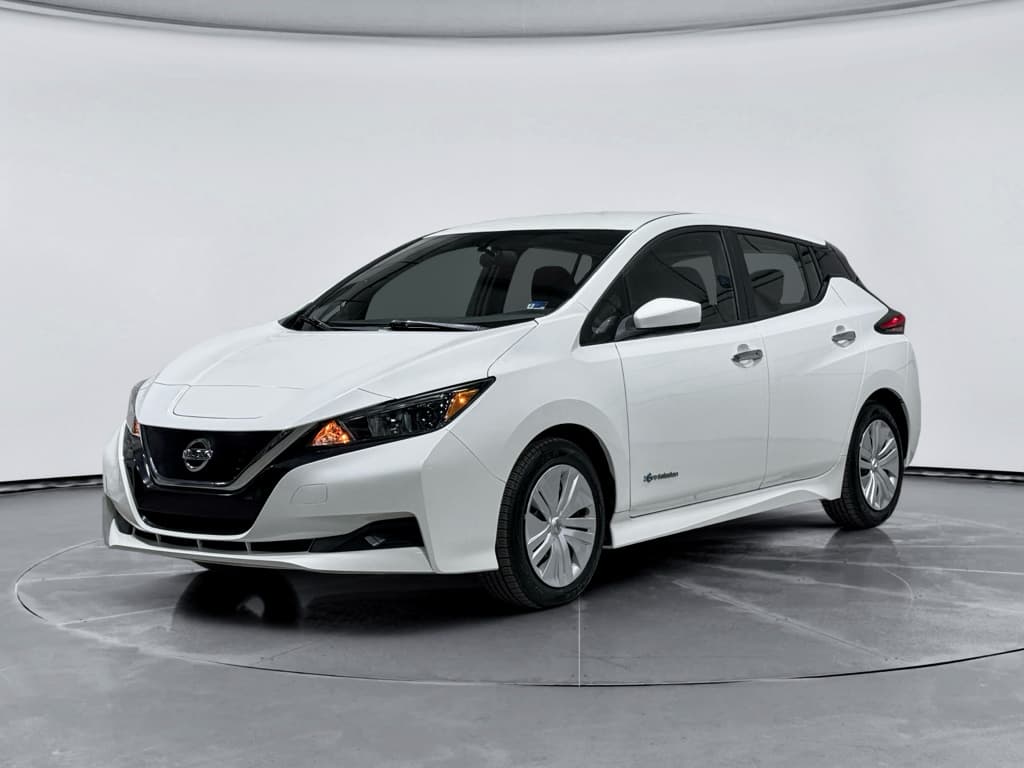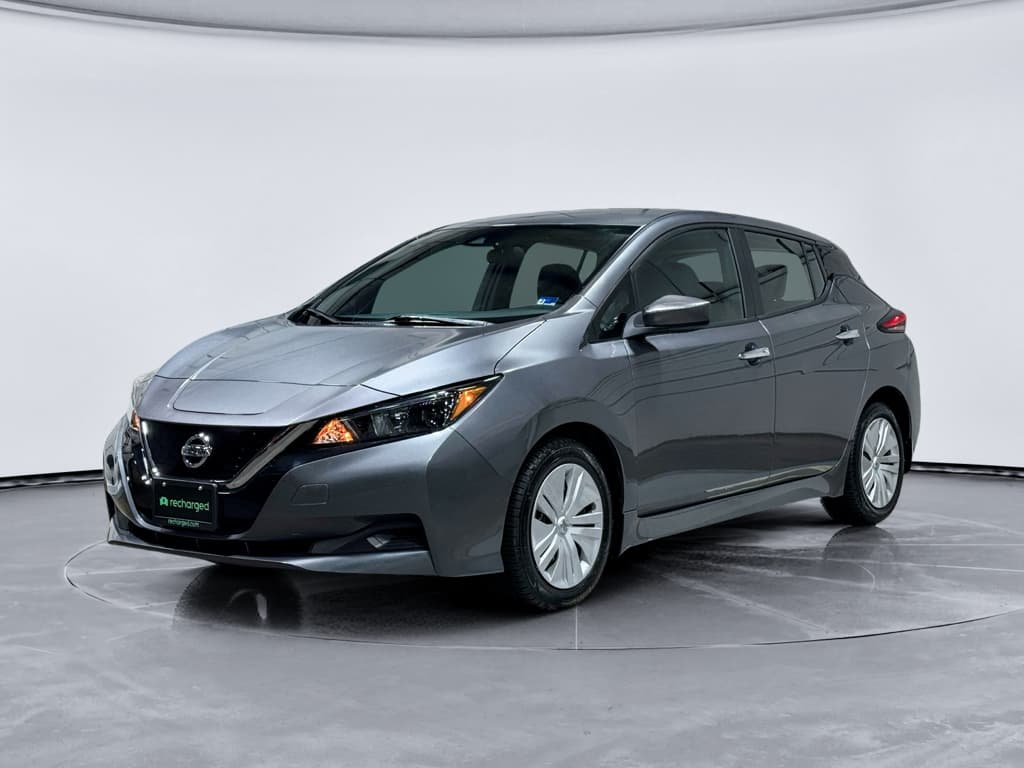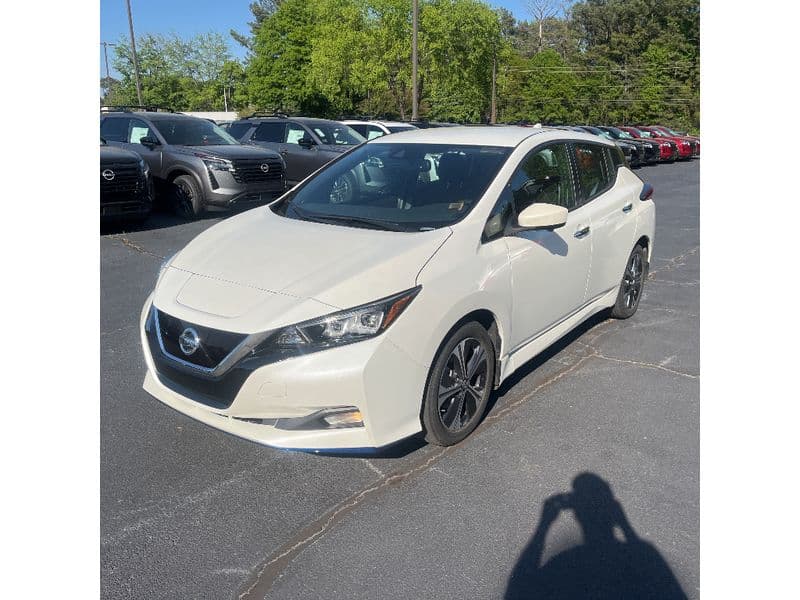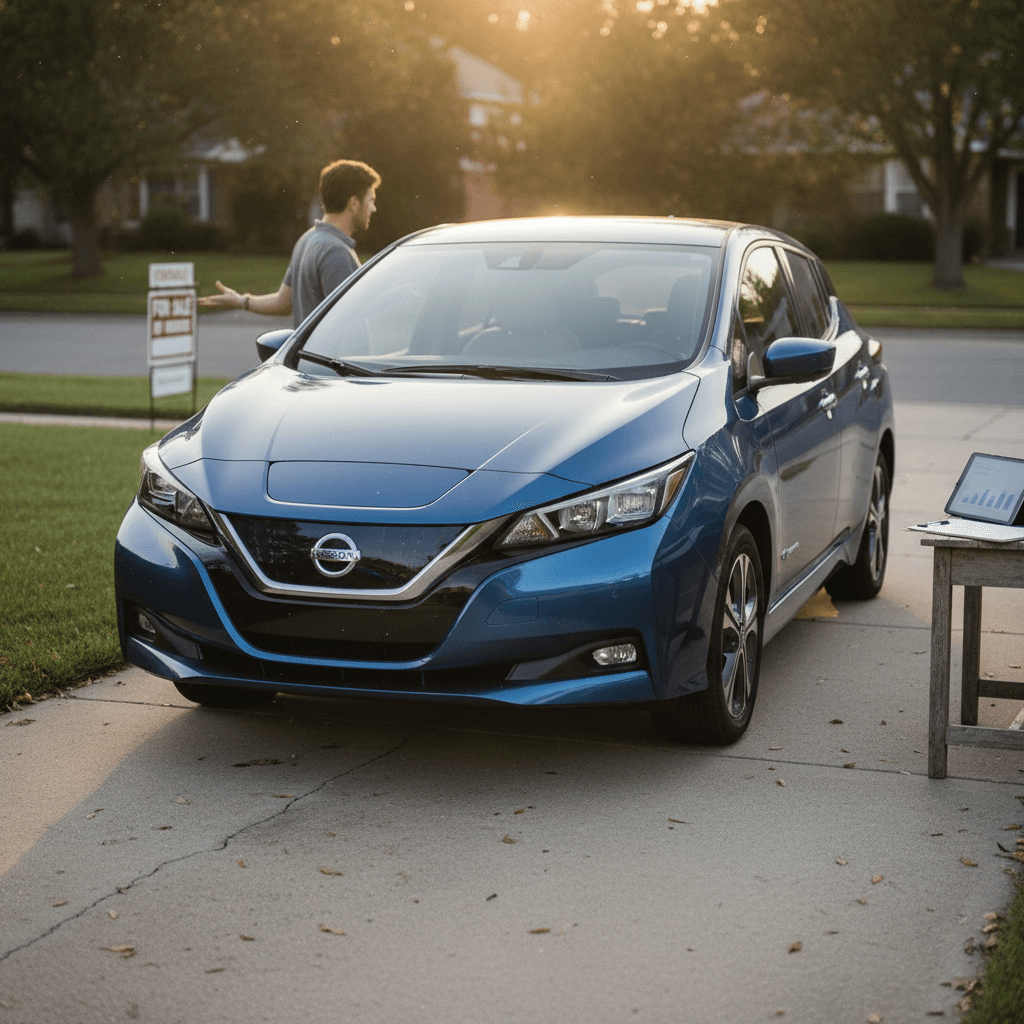
If you’re getting ready to sell a 2021 Nissan Leaf, you’ve probably noticed something odd: values are all over the map. One site shows a trade‑in offer in the mid‑$7,000s, while dealer listings in your area are asking well into the teens. Understanding your true 2021 Nissan Leaf value starts with knowing how this car depreciates, how buyers think about battery health, and where you choose to sell.
Quick snapshot: 2021 Leaf value in 2025–2026
Why 2021 Nissan Leaf values look strange right now
On paper, the 2021 Leaf should sit right in the EV sweet spot: modern safety tech, usable range, and a price that’s far below a new EV. But it’s also a textbook case of how EV depreciation works. Third‑party data shows 2021 Leafs losing on the order of 50–60% of their original MSRP within about three years, which puts them among the faster‑depreciating hatchbacks on the market. That’s painful if you bought new, but it creates opportunity if you’re selling today and you position the car correctly.
2021 Nissan Leaf value at a glance
Don’t panic about the depreciation headline
What is a 2021 Nissan Leaf worth today?
Every car is unique, but you can think of 2021 Nissan Leaf value in bands. Price is heavily influenced by battery size, mileage, condition, and whether the buyer can verify battery health.
Typical 2021 Nissan Leaf price ranges (U.S., early 2025–2026)
Approximate real‑world asking and selling prices assuming clean history and normal wear. Local markets can run hotter or cooler.
| Model / Battery | Condition & mileage | Likely private‑party asking price | Typical dealer retail listing | Realistic trade‑in range |
|---|---|---|---|---|
| Leaf S / SV (40 kWh) | Average, 35k–60k mi | $10,000 – $12,000 | $12,000 – $15,000 | $7,000 – $9,000 |
| Leaf SL (40 kWh) | Lower miles, more options | $11,500 – $13,500 | $13,500 – $16,000 | $7,500 – $9,500 |
| Leaf S Plus (62 kWh) | Average miles | $12,500 – $14,500 | $14,500 – $18,000 | $8,500 – $10,500 |
| Leaf SV Plus / SL Plus (62 kWh) | Lower miles, well kept | $13,500 – $16,000 | $16,000 – $19,500 | $9,000 – $11,500 |
These ranges assume average mileage (30,000–45,000 miles) and a clean title. Exceptional condition or verified strong battery health can move a car to the top of its band.
Why the ranges are wide
Factors that move your 2021 Leaf sale price up or down
Biggest drivers of 2021 Nissan Leaf value
You can’t control everything, but knowing what matters helps you focus your effort.
Battery size & health
Leaf Plus models with the 62 kWh pack sell for more than the 40 kWh versions, sometimes by several thousand dollars. Within each group, buyers will pay a premium for documented battery health.
Mileage & usage pattern
Most shoppers expect a 2021 Leaf to have 30,000–50,000 miles. Very low mileage can boost value, but short‑trip, always‑charged‑to‑100% use can also stress the pack. Buyers care more about how it was used than a single odometer number.
Trim & options
SV and SL trims with ProPILOT Assist, larger wheels, and nicer interiors tend to sell quicker and closer to asking price than base S models. A loaded SL Plus in great shape is the top of the 2021 Leaf food chain.
Your region
In EV‑dense markets (West Coast, Northeast metros), Leafs sell faster but face more competition. In secondary markets with fewer EVs, a clean 2021 Leaf can stand out and bring strong money if priced right.
Accident history
A clean Carfax or AutoCheck report is worth real money. Any structural damage, airbag deployment, or branded title will undercut values and make private buyers skittish.
Condition & maintenance
Fresh tires, recent brake service, and a tidy interior can easily be the difference between a quick full‑price sale and weeks of lowball offers. EV buyers notice cosmetic details.
How battery health impacts what buyers will pay
Unlike a gas car, the heart of your 2021 Leaf’s value is its battery pack. For 2021, Nissan offered two versions: a 40 kWh pack with about 149 miles of EPA‑rated range and a 62 kWh pack in Leaf Plus trims with roughly 215–226 miles of rated range. Over four to five years of real‑world use, some degradation is normal, but uneven or excessive loss is what scares buyers.
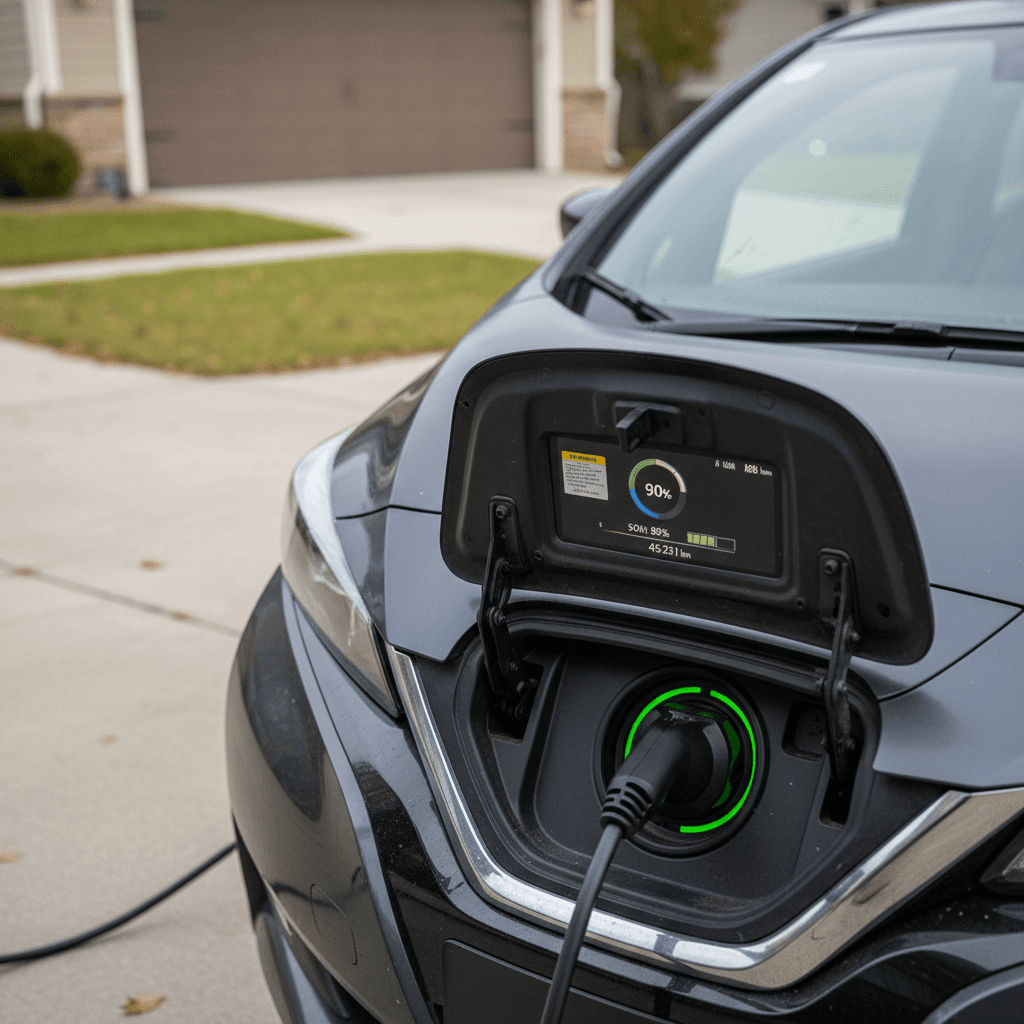
- Most informed buyers expect 10–20% range loss by year four or five, depending on climate and charging habits.
- Fast‑charging exclusively and frequent 100% charges in hot climates can accelerate degradation.
- Leafs don’t use active liquid battery cooling, so history in very hot regions can make shoppers more cautious.
- A car that still shows all 12 capacity bars and has a recent battery health report will be easier to sell and justify a higher price.
Turn battery health into a selling point
Setting a smart asking price for your 2021 Leaf
1. Start with real data, not just one website
Use multiple sources: pricing tools, dealer listings, and EV‑focused marketplaces. Look specifically at 2021 model year cars with your battery size and trim, not just generic Leaf values. Pay attention to prices that actually move, long‑stagnant ads are often overpriced.
At Recharged, we use live market data plus our own transaction history to anchor pricing recommendations so you don’t leave money on the table or scare away the right buyers.
2. Adjust for your car’s specifics
- Plus model? Add an appropriate premium over 40 kWh cars in your area.
- Higher miles? Tilt toward the lower half of the range.
- Great battery report? Aim toward the upper half, especially for Leaf Plus.
- Fresh tires or recent service? Mention them clearly and hold firmer on price.
Most successful 2021 Leaf sellers price 2–5% above their walk‑away number to leave room for negotiation.
A simple pricing rule of thumb
Should you trade in, sell privately, or use a marketplace?
Ways to sell a 2021 Nissan Leaf
Speed, effort, and value differ depending on which route you choose.
Traditional dealer trade‑in
- Pros: Fast, convenient, especially if you’re buying another car.
- Cons: Typically the lowest dollar amount. Dealers price in risk on an aging EV and may undervalue battery health.
- Best for: When you value time and simplicity over squeezing out every last dollar.
Private‑party sale
- Pros: Highest potential sale price if you’re patient and good at marketing.
- Cons: You handle advertising, test drives, paperwork, and no‑shows.
- Best for: Owners comfortable meeting buyers and negotiating, with time to wait for the right offer.
EV‑focused marketplace (like Recharged)
- Pros: EV‑savvy audience, professional battery health reporting, help with pricing, paperwork, and even nationwide buyers.
- Cons: You may pay a fee or commission, but often still net more than dealer trade‑in.
- Best for: Sellers who want near‑retail value with less friction than a pure private sale.
Think total deal, not just sale price
Step-by-step checklist to prepare your 2021 Leaf for sale
Pre‑sale checklist for a stronger 2021 Leaf value
1. Document battery and service history
Gather service records, recall documentation, and any previous battery reports. If you don’t have a recent health check, consider getting one before listing so buyers can see how the pack has aged.
2. Resolve warning lights and basic maintenance
Address any dash lights, squeaky brakes, or unusual noises. Replace wiper blades, top off washer fluid, and consider a basic inspection so you can confidently tell buyers the car is ready to drive.
3. Refresh tires and brakes if needed
If tires are nearly worn out or brakes are close to the end of their life, you’ll either eat that cost in a lower sale price or in reconditioning. On an EV, visible tire tread is something buyers check immediately.
4. Deep clean inside and out
A professional detail, or a careful DIY job, is one of the highest‑ROI steps you can take. Clean the charge port, vacuum under the cargo floor, and wipe fingerprints off touchscreens and glossy plastics.
5. Photograph like a pro
Shoot in good natural light, capture all four corners, interior, dashboard with mileage, and close‑ups of the charge port and tires. Include a photo of the capacity bars and any battery report you have.
6. Write a transparent, EV‑savvy description
Highlight battery size (40 or 62 kWh), typical real‑world range, charging habits, included charging cables, and any remaining warranties. Answer the questions EV‑curious buyers will ask before they have to.
Common pricing mistakes 2021 Leaf sellers make
Avoid these value‑killing missteps
- Pricing like it’s a Tesla. Leaf buyers are cost‑conscious and know the market. Asking Tesla‑level money for a Leaf, even a Plus, will just drive them to the next listing.
- Ignoring battery questions. A vague “range is fine” answer turns off informed shoppers. Back up your claims with numbers and, ideally, a report.
- Hiding fast‑charge history. It’s better to be honest about regular DC fast‑charging and back it up with a solid health report than to dodge the question.
- Dropping price too fast. If your car is prepared well, give your listing a couple of weeks before making big price cuts. Sometimes the right buyer simply hasn’t seen it yet.
- Taking the first offer out of frustration. The first cash offer isn’t always the best. Compare it against your research and your minimum acceptable number before saying yes.
How Recharged can help you sell a 2021 Nissan Leaf
Selling an EV is different from selling a gas car, and the Leaf’s fast depreciation only magnifies that. At Recharged, we built our platform specifically around used electric vehicles, with tools that help your 2021 Leaf stand out for the right reasons.
What you get when you sell a 2021 Leaf through Recharged
Designed to turn battery health transparency into real dollars at sale time.
Recharged Score battery health report
Every car on Recharged gets a Recharged Score Report, including verified battery health diagnostics. That gives buyers confidence about your 2021 Leaf’s remaining range and helps justify a stronger price than a generic used‑car listing.
Flexible selling options
You can request an instant offer, trade in toward another EV, or consign your 2021 Leaf on our marketplace. Our EV‑specialist team helps you choose the path that best balances speed and net proceeds.
Nationwide audience & delivery
Because Recharged offers nationwide delivery, your 2021 Leaf isn’t limited to local buyers. If your car is a perfect fit for someone in another state, we can help them purchase and get it to their driveway.
Expert EV guidance from start to finish
From pricing strategy to listing copy and negotiation coaching, our specialists walk with you through the process so you don’t have to guess what your Leaf is worth or how to talk about its battery.
Ready to find your next EV?
Browse VehiclesFAQs about selling a 2021 Nissan Leaf
Frequently asked questions
Bottom line on 2021 Nissan Leaf value
The 2021 Nissan Leaf hasn’t been a depreciation hero, but that’s not the end of the story. If you understand where your car fits in the market, document its battery health, and choose the right selling channel, you can still unlock strong value from it in 2025–2026.
Use realistic data to set your expectations, prepare the car carefully, and be transparent with buyers about range and charging. If you’d rather not manage all of that yourself, Recharged can handle the details, from Recharged Score battery diagnostics to pricing, marketing, and even nationwide delivery, so you get fair value for your 2021 Leaf with far less friction.