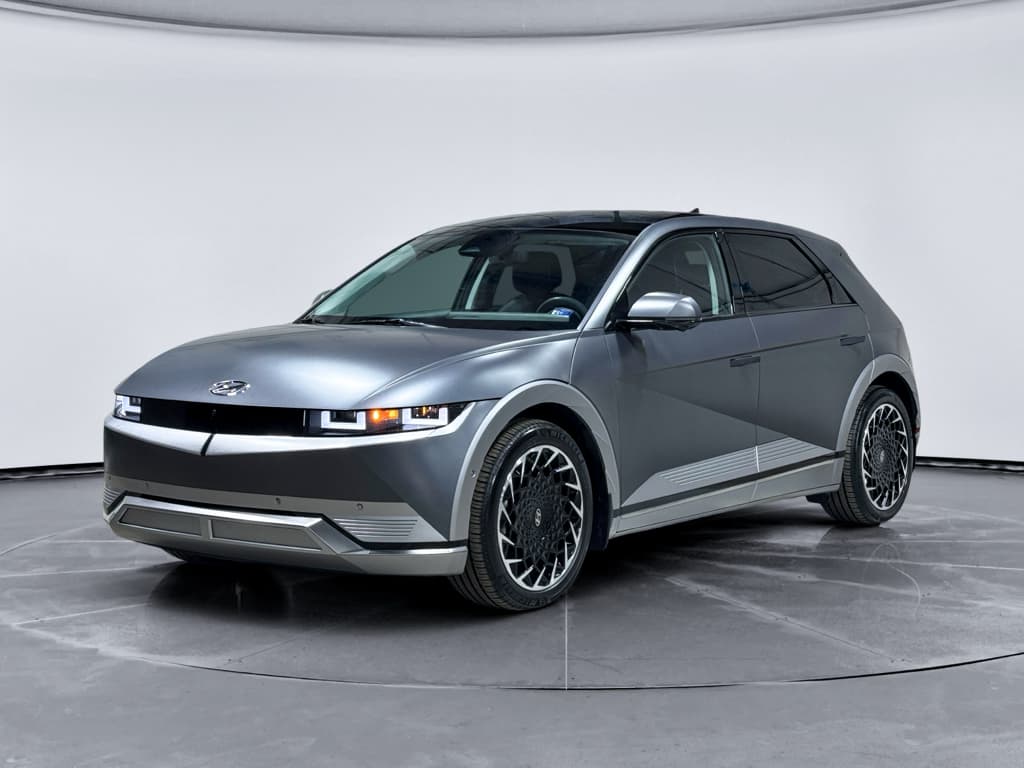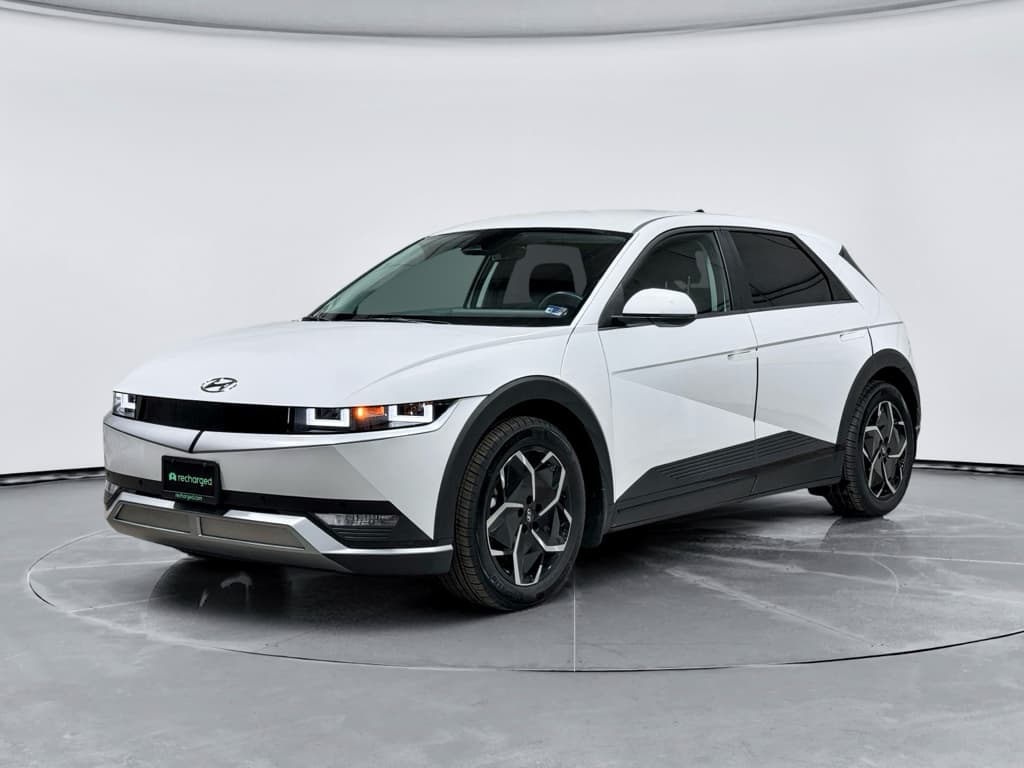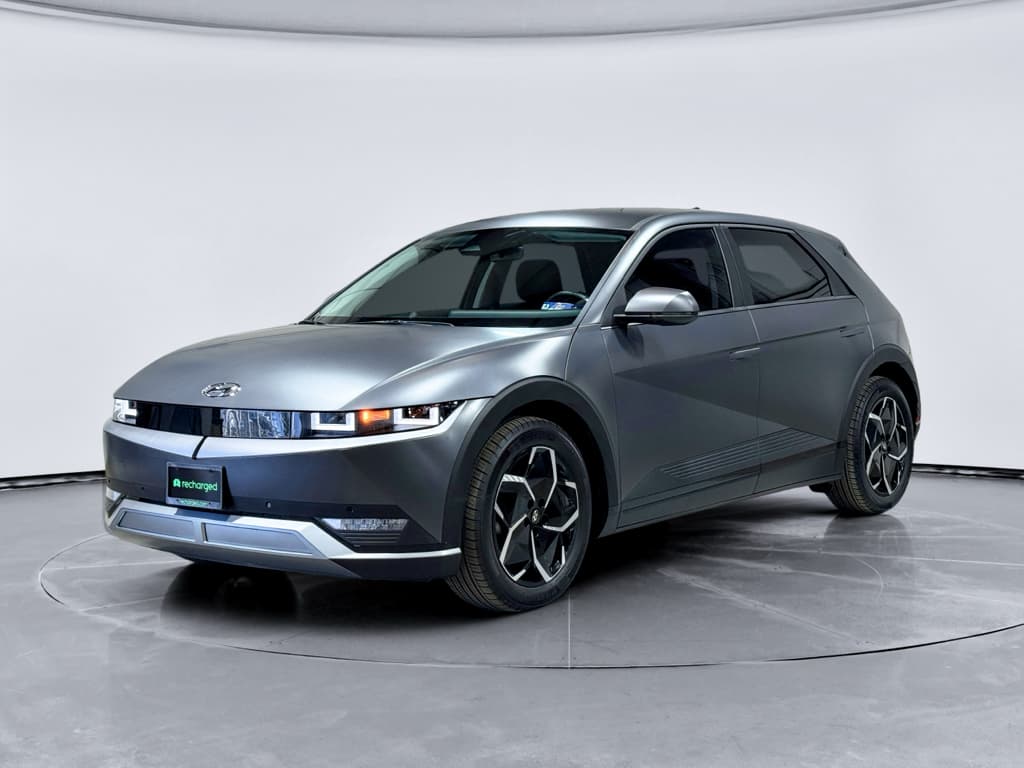
If you’re shopping for the best used Hyundai IONIQ 5 to buy in 2026, you’re in a sweet spot. Early cars from 2022 and 2023 have taken their biggest depreciation hit, yet you still get standout design, fast charging, and a roomy cabin that feels more luxury than mainstream. The key is picking the right year, trim, and battery, and avoiding a few known trouble spots.
At a glance
Why the IONIQ 5 is a smart used buy in 2026
Used Hyundai IONIQ 5 snapshot for 2026
Hyundai priced the IONIQ 5 aggressively when new, and the EV market corrected hard in 2024–2025. As a result, you can often buy a nicely equipped used IONIQ 5 for the price of a new compact gas crossover, while getting far lower running costs and a much more modern driving experience.
Think like a long-term owner
Quick answer: the best used IONIQ 5 to buy in 2026
Best used Hyundai IONIQ 5 picks for 2026
Good, better, best, based on value, range, and reliability signals so far
Best all-around
2023–2024 SE or SEL Long Range RWD
- 77.4 kWh battery, strong real-world range
- Simpler single-motor layout cuts cost and complexity
- Enough features without Limited’s price premium
Step-up choice
2023–2024 SEL or Limited AWD
- Dual motors, more power, available HTRAC traction
- Great if you live in snow country or want punchier acceleration
- Slight range penalty vs. RWD, especially in winter
Budget pick (with caveats)
2022–2023 SE Long Range RWD
- Older year, deeper depreciation
- Same big battery and charging hardware
- Check carefully for early ICCU/12V issues and recall history
Trims to avoid for most buyers
IONIQ 5 model years 2022–2026: what changed
Understanding what Hyundai changed each year will help you decide whether to stretch for a newer model or grab a deal on an early build.
Hyundai IONIQ 5 model year overview (U.S.)
High-level changes that matter when you’re buying used in 2026.
| Model year | Key changes | Why it matters used |
|---|---|---|
| 2022 (launch year) | First U.S. IONIQ 5s. 58 kWh Standard Range and 77.4 kWh Long Range batteries; SE, SEL, Limited trims. | Biggest depreciation but also the highest concentration of early ICCU/12V complaints. Best for value shoppers who buy with strong inspection data. |
| 2023 | Tweaks to options, some driver-assist refinements; towing capacity improvements on certain trims. | Often the sweet spot between price and updates. Many cars still under bumper‑to‑bumper warranty in 2026. |
| 2024 | Refinements to infotainment and driver-assistance; availability and packaging changes, still CCS fast-charging port. | Good choice if you want a “newer” feel but don’t need the 2025 styling/tech refresh. |
| 2025 | Updated styling in some markets, tech and driver-assist upgrades, and adoption of NACS fast-charging port in North America. | Future-proof plug for U.S. public fast charging. But 2025 pricing is closer to new-car territory in 2026. |
| 2026 (early builds) | Continuation of 2025 updates with price adjustments and NACS hardware baked in from the start. | Best if you want near-new with full warranty, but not usually the value play on the used lot. |
Details vary by trim; always confirm equipment on the specific car you’re considering.
About NACS vs. CCS on the IONIQ 5
Which IONIQ 5 trims are the best used buys
Hyundai keeps its trim structure fairly straightforward: SE (including SE Standard Range), SEL, and Limited, plus the newer XRT off‑road‑look variant in some 2025+ markets. Your decision mostly comes down to battery size, drivetrain (RWD vs. AWD), and comfort/tech features.
How the main IONIQ 5 trims stack up used
Think in terms of battery, drivetrain, and must‑have features, not just the sticker price.
SE / SE Long Range
- SE Standard Range: 58 kWh battery, shortest range; budget only.
- SE Long Range: 77.4 kWh battery, strong value and range.
- Cloth seats, fewer luxury touches but no-nonsense daily driver.
SEL
- Same battery choices as SE when new, but most used examples are Long Range.
- Adds convenience features: power driver seat, more active safety, often better audio.
- Sweet spot if you’re okay paying a bit more for comfort.
Limited (and XRT)
- Top trim with leather, panoramic roof, larger wheels, more tech.
- Often AWD and heavily optioned, which raises used prices and can trim range.
- Great if you want near‑luxury feel; overkill if you’re just commuting.
Most buyers’ sweet spot
Battery size, range, and charging: what you actually need
All IONIQ 5s feel quick and refined. The real difference you’ll live with every day is range and how often you need to plug in. That comes down to battery size, weather, and your driving habits far more than the 0–60 time on a spec sheet.
Standard Range vs. Long Range
- Standard Range (≈58 kWh): EPA range roughly in the low‑200‑mile bracket depending on year and trim. Fine for city drivers with home charging, limiting for road trips.
- Long Range (≈77 kWh): Mid‑to‑high‑200s EPA range; many owners report 250–280 miles in mixed driving, less in cold weather.
- Because the market discounts Standard Range cars, they look cheap, but they’re also harder to resell.
Charging reality check
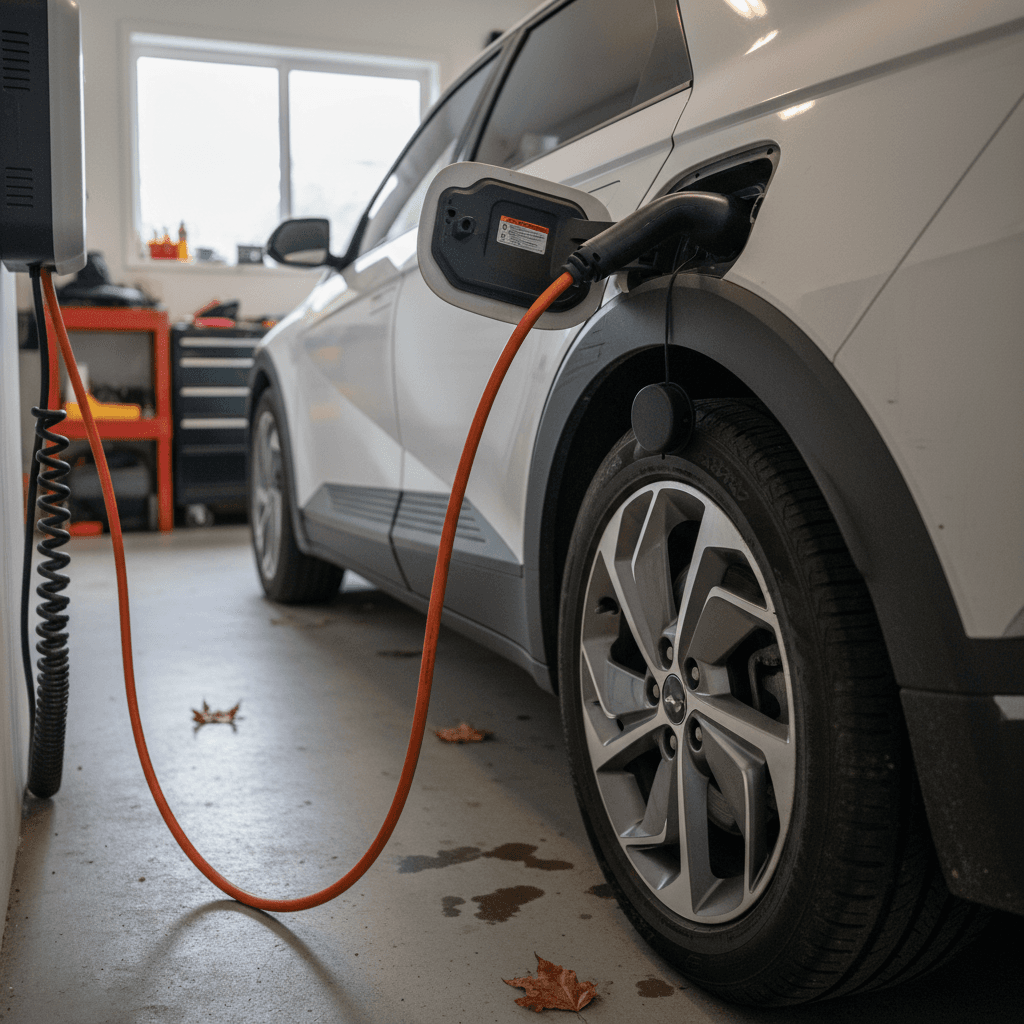
- AC charging: Up to about 10–11 kW on Level 2. With a 40‑amp home charger, many owners can add ~25–30 miles of range per hour.
- DC fast charging: The E‑GMP platform is capable of very high peak rates when the battery is warm and the charger is strong; in practice, expect rapid 10–80% sessions on good hardware.
- For most owners with home charging, DC fast charge speed matters far less than everyday range and a healthy battery.
Match battery to your lifestyle
Reliability and common issues: what to watch for
The IONIQ 5 has earned praise for comfort and performance, but like many early modern EVs, it isn’t problem‑free. The single biggest theme on owner forums and recall notices involves the ICCU (Integrated Charging Control Unit) and the humble 12‑volt battery that powers the car’s low‑voltage systems.
- ICCU / 12‑volt issues: Some 2022–2024 cars experienced failures that left them unable to start or charge, often after warning messages like “Check EV system.” Hyundai has issued software updates and recalls; later builds appear less prone but not immune.
- High‑voltage battery recalls: Newer 2025–2026 builds have been subject to traction‑battery recalls in some markets for improperly assembled components. On a used car, this is mostly a question of making sure the work was done.
- Minor electronics glitches: Infotainment freezes, charging‑port door quirks, and driver‑assist warning lights show up occasionally in owner reports but are usually fixable under warranty.
- Normal wear items: Tires go quickly on heavier EVs with lots of torque, and the IONIQ 5 is no exception. Budget for a set of quality EV‑rated tires sooner than you might on a gas crossover.
Red flags on a used IONIQ 5
"With any used EV, I tell shoppers to treat the battery and charging electronics the way they’d treat the engine and transmission on a gas car. If those aren’t healthy, nothing else matters."
How much to pay for a used IONIQ 5 in 2026
Exact prices will depend on your market, mileage, options, and incentives, but by 2026 there’s enough data to see patterns. Early IONIQ 5s have shed a significant chunk of their original MSRP, while lightly used 2025–2026 cars still behave more like new inventory.
Typical 2026 asking-price bands for used Hyundai IONIQ 5s
High-level guide for U.S. retail listings in early 2026. Always adjust for mileage, condition, and local market conditions.
| Model year / trim | Typical mileage | Rough asking-price band* | Notes |
|---|---|---|---|
| 2022 SE/SEL Long Range RWD | 25k–45k | Often the lowest; commonly well under comparable new EV prices | Best value if inspection and battery checks are clean. |
| 2023 SE/SEL Long Range RWD | 15k–35k | Moderate; usually a bit more than 2022 but still clearly discounted vs. new | Our top pick for most buyers balancing price and updates. |
| 2023–2024 Limited / AWD | 15k–35k | +$2,000–$5,000 vs. comparable SE/SEL | You’re paying for options and AWD, not extra range. |
| 2024 SE/SEL Long Range | 10k–25k | Higher than 2022–2023 but still meaningful depreciation | Great if you want a newer feel and can afford it. |
| 2025–2026 all trims | Under 15k | Close to new-car pricing; may overlap with discounted new inventory | Worth considering only if the discount vs. new is real and you want NACS from day one. |
Use these as starting points, your offer should also reflect battery health and remaining warranty coverage.
Use the new-car price as your anchor
Inspection checklist for a used IONIQ 5
When you’re face‑to‑face with a used IONIQ 5, whether at a dealer, from a marketplace, or at Recharged, run through a structured checklist. With EVs, you’re investigating software history and charging behavior just as much as paint and upholstery.
Essential checks before you buy a used IONIQ 5
1. Verify recall and software history
Run the VIN through Hyundai’s recall site and NHTSA’s database. Confirm that all ICCU, charging, and high‑voltage battery campaigns have been completed, and ask for service records showing software updates.
2. Get a battery health report, not just a guess
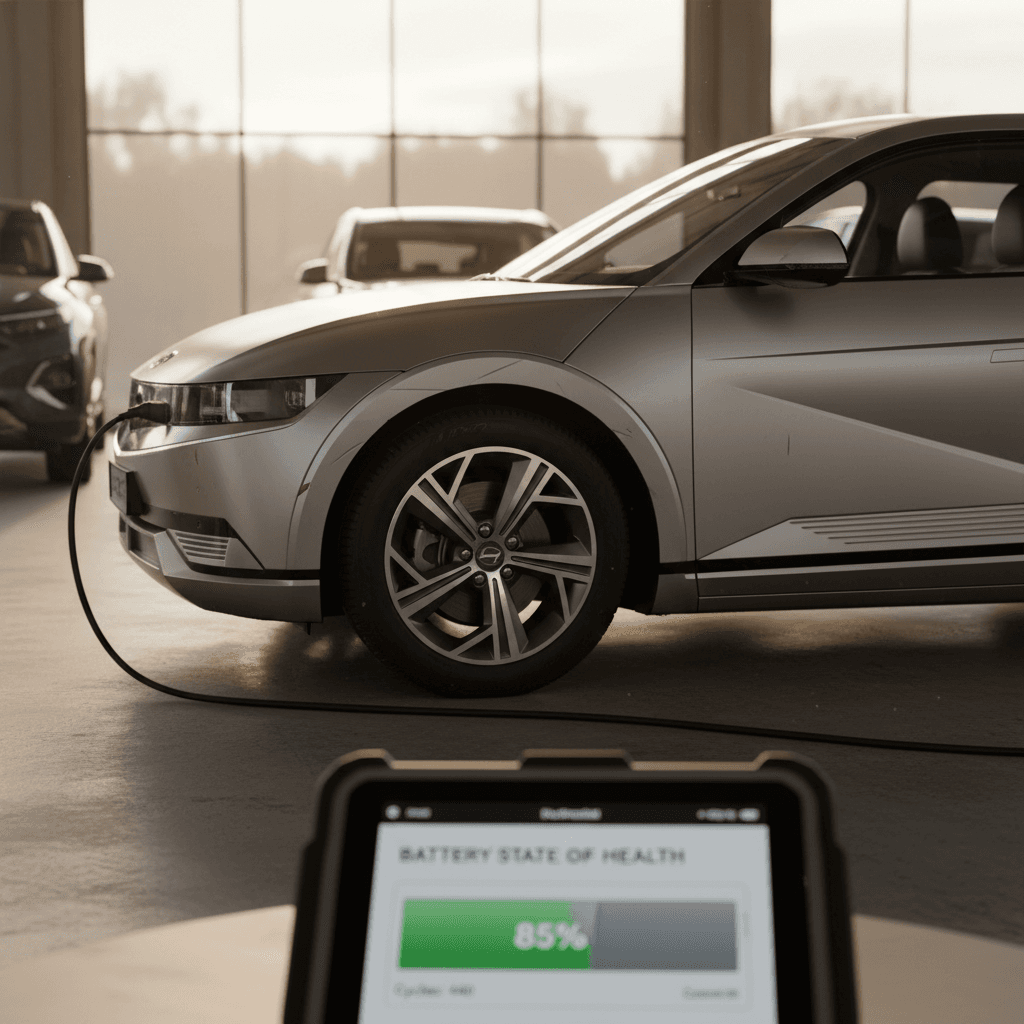
Ask for data on <strong>state of health (SoH)</strong> of the high‑voltage battery, not just the dashboard range estimate. At Recharged, every IONIQ 5 includes a Recharged Score battery report with pack-level insights instead of vague impressions.
3. Test Level 2 charging from low to high SOC
Plug into a known‑good Level 2 charger and watch for uninterrupted charging from around 20% to at least 80%. Any unexpected stops, error messages, or unusual noises deserve a closer look.
4. Try DC fast charging if possible
On a public fast charger, confirm that the car initiates DC charging promptly and ramps up normally. You’re checking both the port hardware and the car’s charging electronics under stress.
5. Drive it like you’ll use it
On the test drive, mix city and highway, engage driver-assistance systems, and listen for suspension clunks or wind noise. Make sure all ADAS features you care about (like adaptive cruise or lane keep) actually work.
6. Inspect tires and brakes carefully
Heavy EVs eat tires faster, especially with enthusiastic driving. Uneven wear may hint at alignment problems or hard use. The friction brakes should still feel smooth despite heavy regenerative braking use.
Bring a charging checklist
How Recharged helps you buy the right IONIQ 5
Used EVs reward careful shoppers, and the IONIQ 5 is no exception. That’s exactly why Recharged was built, to take the mystery out of battery health, pricing, and the fine print that most listings leave out.
Why consider a used IONIQ 5 from Recharged
Data-backed battery insight, transparent pricing, and EV‑specialist guidance from start to finish.
Recharged Score battery report
Fair, market-based pricing
EV‑specialist support & delivery
Ready to find your next EV?
Browse VehiclesIf you already own an IONIQ 5 and are thinking about selling or trading up to a newer NACS‑equipped model, Recharged can appraise your current vehicle, factor in its battery health, and help you move into your next EV with confidence.
Frequently asked questions
Used Hyundai IONIQ 5: common questions in 2026
Bottom line: choosing the best used IONIQ 5
In 2026, the Hyundai IONIQ 5 is one of the more compelling used EV buys on the market, if you choose wisely. For most shoppers, a 2023–2024 SE or SEL Long Range RWD offers the best mix of price, range, and updated hardware. Step into an AWD SEL or Limited if you need traction or luxury, and only pay up for 2025–2026 NACS‑equipped cars when the discount vs. new is meaningful.
Whichever direction you go, let the high‑voltage battery and charging electronics guide your decision, not just the color or the wheels. A clean recall history, strong battery health report, and uneventful charging tests are worth far more than a few thousand miles either way. If you want help stacking all of that data up in one place, Recharged’s Recharged Score, fair pricing tools, and EV‑savvy team can make your first (or next) IONIQ 5 purchase feel a lot less like a gamble and a lot more like a smart move.