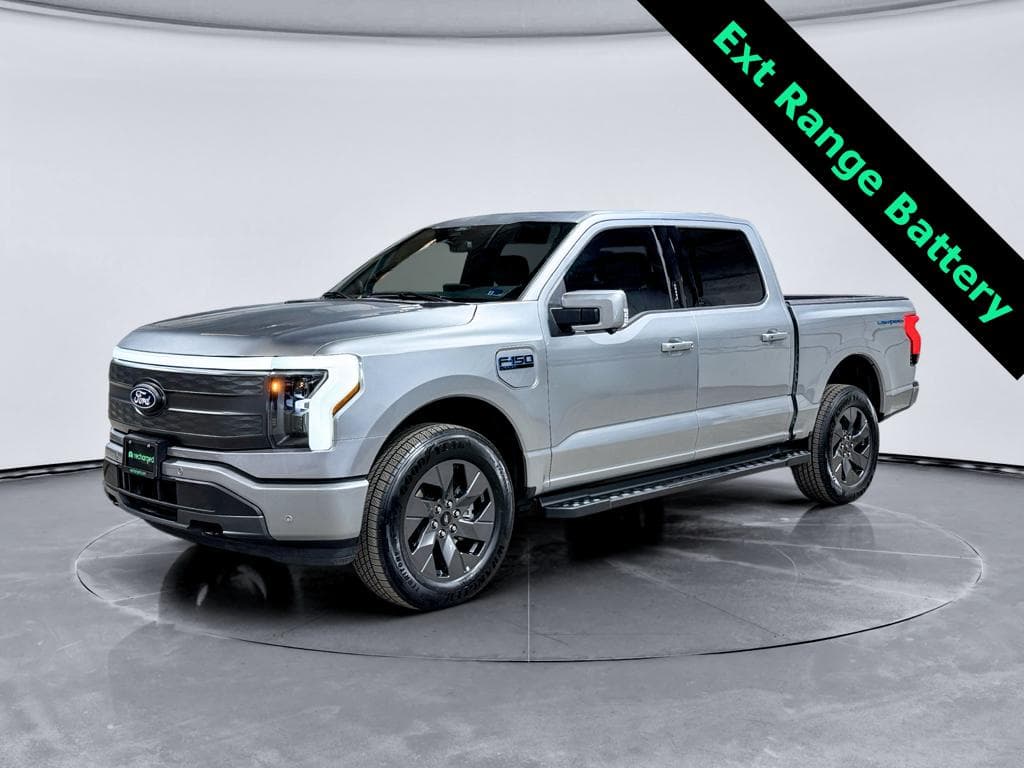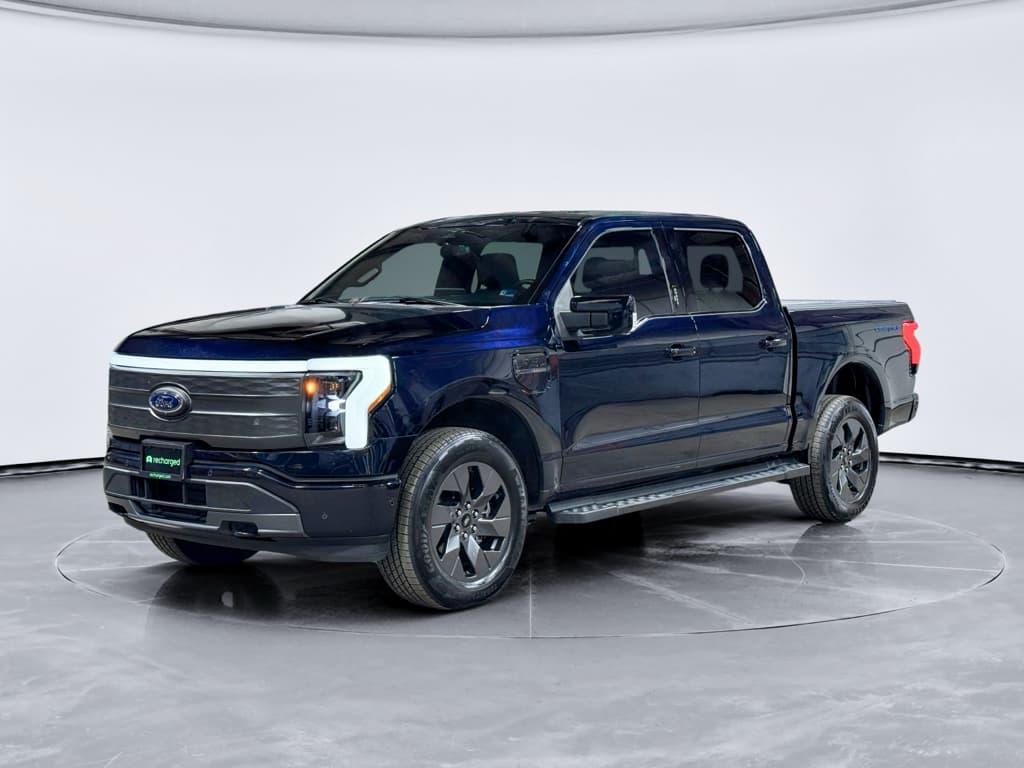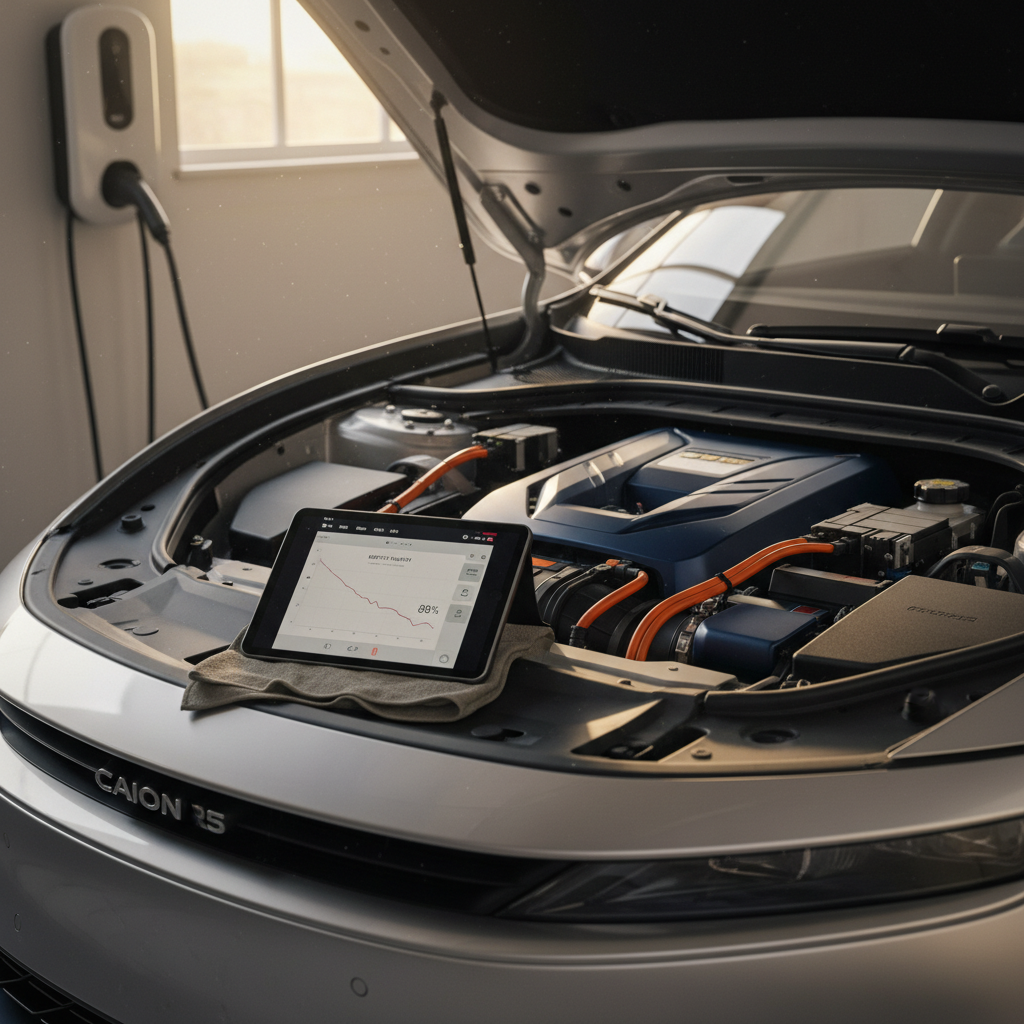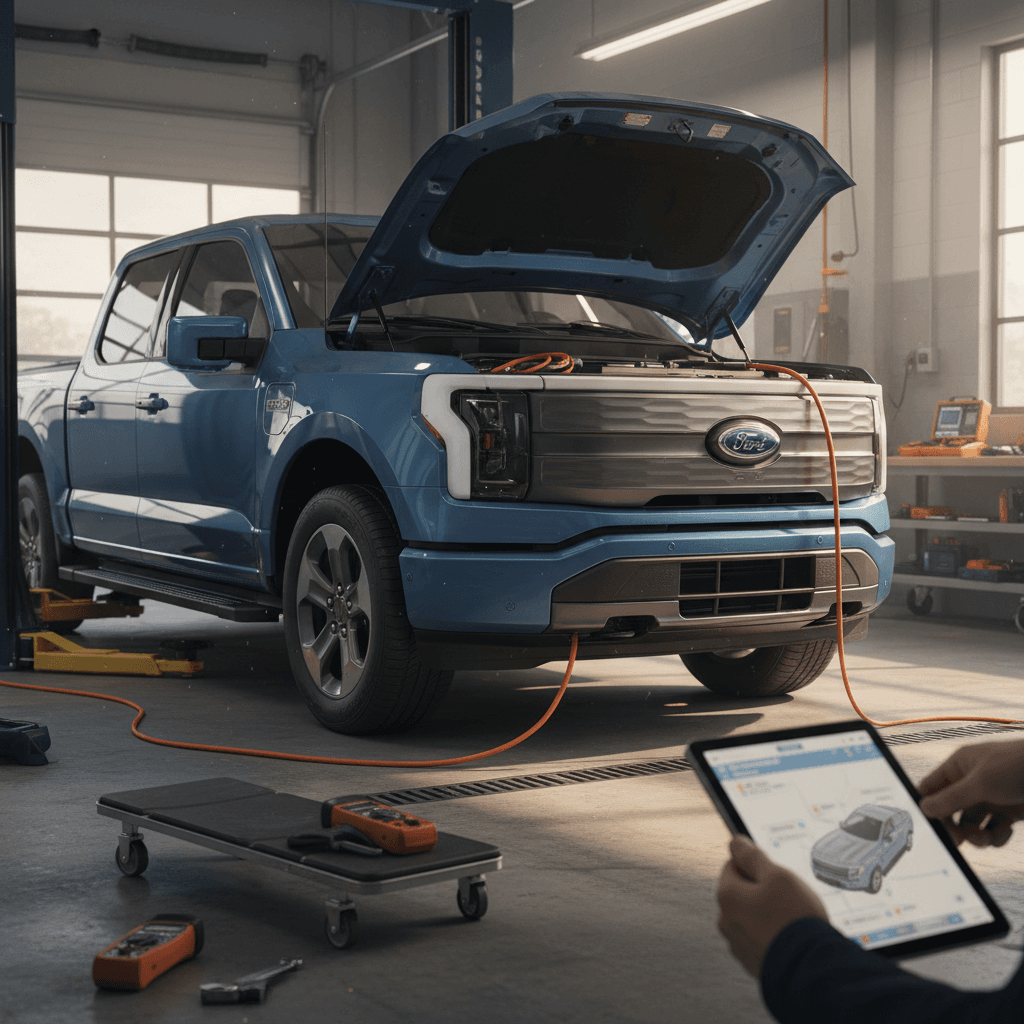
The Ford F-150 Lightning maintenance schedule is a lot simpler than the schedule on a gas F-150, but that doesn’t mean you can ignore it. Staying on top of a few key services like tire rotations, brake fluid, and battery cooling system checks will keep your electric truck safe, efficient, and under warranty for the long haul.
Good news for Lightning owners
Why the F-150 Lightning Maintenance Schedule Matters
Electric trucks like the F-150 Lightning put down instant torque and carry a heavy battery pack. That extra weight and performance can be hard on tires, suspension, and brakes if you don’t follow the recommended schedule. On the flip side, skipping coolant or brake fluid service can shorten the life of high‑voltage components that are expensive to repair out of warranty.
- Protect your high-voltage battery and drive units with proper coolant and fluid service.
- Keep tires wearing evenly so you’re not replacing a $1,200+ set early.
- Maintain maximum range and efficiency by keeping alignment, tires, and software in good shape.
- Preserve your factory warranty and resale value with documented service history, especially important if you ever sell or trade.
- Catch small issues (like a noisy wheel bearing or torn suspension bushing) before they become big repairs.
How F-150 Lightning Maintenance Differs from a Gas F-150
What you no longer service
- No engine oil or oil filters
- No spark plugs, ignition coils, or timing belts
- No transmission fluid changes in a multi‑gear automatic
- No exhaust, mufflers, or catalytic converters
What still needs attention
- Tires & alignment (heavier truck, more torque)
- Brake fluid and brake hardware
- Cabin air filter and HVAC system
- Battery cooling system and drive-unit fluids
- 12‑volt battery and software updates
Don’t treat it like a maintenance-free appliance
Core Ford F-150 Lightning Maintenance Schedule
Ford doesn’t publish a separate schedule for every EV in a single chart, but its EV care guidance, along with dealer service schedules and industry data, gives us a clear view of what a typical F-150 Lightning service interval plan looks like. Always confirm specifics in your owner’s manual or FordPass app, but you can use the outline below as a practical roadmap.
Quick-Glance F-150 Lightning Service Intervals
Ford F-150 Lightning Maintenance Schedule by Mileage
Here’s a simplified maintenance schedule for a typical Ford F-150 Lightning. Intervals are approximate and may vary slightly by model year, driving conditions, and towing use, so think of this as a practical owner’s checklist, not a substitute for your official manual.
Approximate Ford F-150 Lightning Maintenance Schedule
Common maintenance items and when most Lightning owners can expect to address them.
| Mileage / Time | Service Item | What’s Done | Notes |
|---|---|---|---|
| Every 10,000 miles or 12 months | Tire rotation & inspection | Rotate all four tires, check tread depth and wear patterns, inspect for damage. | Essential on heavy EV trucks to prevent premature tire wear. |
| Every 10,000–15,000 miles | Multi-point inspection | Visual check of brakes, suspension, steering, fluids, lights, and underbody. | Often bundled with rotations at the dealer. |
| Every 20,000 miles (or 2 years) | Cabin air filter | Inspect and replace as needed. | More often if you drive in dusty or high‑pollen areas. |
| Every 3 years | Brake fluid inspection | Test brake fluid condition; replace if contaminated or degraded. | Moisture and heat break down fluid over time. |
| Every 30,000–40,000 miles | Brake service (clean & lube) | Clean and lubricate caliper slides and hardware, especially in salted-road regions. | Prevents sticking calipers on vehicles that rely heavily on regen. |
| Every 50,000 miles (2–3 years) | Alignment check | Inspect and adjust wheel alignment. | Important if you tow, off‑road, or see uneven tire wear. |
| Around 100,000 miles / 5 years | Drive-unit fluid | Drain and refill electric drive-unit gear oil as specified. | Similar to differential fluid service on a traditional truck. |
| Around 160,000–200,000 miles / 8–10 years | Battery coolant service | Replace high‑voltage battery and power electronics coolant. | Critical for long-term battery health and thermal performance. |
| As needed | 12‑volt battery replacement | Replace low‑voltage accessory battery when weak or failing. | Powers electronics and contactors; failure can immobilize the truck. |
Always verify exact intervals in your specific model-year owner’s manual or with a Ford EV-certified dealer.
Where to find your exact schedule
Key F-150 Lightning Service Items Explained
Core Lightning Maintenance Items
What each one does and why it matters on an electric truck.
Tire Rotation & Alignment
EV trucks are heavy and deliver instant torque. That combination can chew through front tires if you don’t rotate regularly. Rotating every ~10,000 miles and checking alignment every 1–2 years keeps tread wear even and range consistent.
Brake Fluid & Hardware
Regenerative braking means you use friction brakes less often, but the fluid still absorbs moisture and the hardware can seize if ignored. Periodic fluid checks and brake cleaning prevent soft pedals and stuck calipers.
Cabin Air Filter & HVAC
The cabin air filter keeps dust, pollen, and road debris out of your lungs and your HVAC system. In a Lightning, it also helps the heat pump or A/C work efficiently, which in turn helps preserve range.
Battery Coolant
The high-voltage battery, inverters, and onboard charger rely on liquid cooling to stay in their ideal temperature window. Coolant changes are infrequent, but missing them can mean reduced performance or expensive repairs down the road.
Drive-Unit Fluid
Instead of a multi-gear automatic transmission, the Lightning uses compact electric drive units. They still need gear oil to protect internal components, but at long intervals, often around the 100,000‑mile mark.
Software & 12‑V System
Over‑the‑air software updates often deliver efficiency improvements and new features. The 12‑volt battery enables those updates and powers contactors; keeping it healthy avoids frustrating “no start” situations even when the main high‑voltage pack is fine.
Typical F-150 Lightning Maintenance Costs
Over the first five years, major industry trackers estimate the F-150 Lightning’s scheduled maintenance costs to be in line with other modern EVs and generally lower than a comparable gas F-150. That’s largely because you’re not paying for oil changes, spark plugs, or complex transmission work.
- Tire rotations and inspections: often $50–$80 per visit, or bundled with other service.
- Multi-point inspections: sometimes complimentary with other services at Ford dealers.
- Cabin air filter replacement: typically $80–$150 parts and labor, cheaper if you DIY.
- Brake fluid service: roughly $120–$200 when a full flush is needed.
- Brake hardware clean & lube: varies by region; in salted-road areas it’s money well spent.
- Alignment: around $120–$200, depending on shop and whether adjustments are needed.
- Drive-unit fluid and coolant service: less frequent but more specialized, budget several hundred dollars once you’re into six‑figure mileage.
Budgeting for EV truck maintenance
Maintenance Tips for Longer Battery and Tire Life
Practical F-150 Lightning Maintenance Tips
1. Rotate tires on time
Don’t push tire rotations far past 10,000 miles. Heavy EV trucks are unforgiving if you skip this, you’ll see the front pair wear out much faster, especially if you tow or accelerate hard.
2. Watch your pressures
Check tire pressures at least monthly and before road trips. Underinflated tires reduce range and overheat more easily; overinflated ones hurt ride and traction. Use the truck’s TPMS readout as a quick reference.
3. Drive regen, exercise friction
Use one‑pedal or high‑regen modes for efficiency, but apply firm brake pedal pressure every so often to keep pads and rotors clean and moving freely, especially if you live in a wet or snowy climate.
4. Treat the battery kindly
For everyday use, avoid sitting at 100% charge for days at a time and try not to routinely run the pack down near zero. Reserve full charges and repeated DC fast‑charging for road‑trip days.
5. Keep software current
Accept over‑the‑air updates when convenient. Many updates include thermal‑management or charging improvements that indirectly help battery health and charging times.
6. Get an annual EV checkup
Even if you don’t drive many miles, a yearly visit to an EV‑certified Ford dealer or trusted EV shop gives you a professional set of eyes on brakes, suspension, and high‑voltage components.
How Recharged can help
Ready to find your next EV?
Browse VehiclesBuying a Used F-150 Lightning? Maintenance Items to Check
The F-150 Lightning is quickly becoming a popular used EV truck, and a solid service history is one of the biggest value drivers. If you’re shopping used, whether through a marketplace like Recharged or a private seller, use this short list to separate well‑cared‑for trucks from neglected ones.
Used Lightning Maintenance Checklist
Ask the seller or dealer for documentation on these items.
Documented tire & brake care
- Regular tire rotations roughly every 10,000 miles.
- Alignment checks if there’s any sign of uneven wear.
- Brake inspections or fluid service around year 3.
Battery & coolant history
- No history of overheating or repeated DC fast‑charging abuse.
- Cooling system free of leaks or warning messages.
- Any coolant or drive‑unit services noted at higher mileage.
Software & recalls
- All recalls and service campaigns completed.
- Truck updated to current software builds.
- FordPass or service records showing regular visits.
Physical inspection
- Even tire wear across all four corners.
- No warning lights, especially for battery, charging, or brakes.
- Underbody free from severe off‑road or impact damage.
Red flags on a used Lightning
If you’d rather not decode all that yourself, Recharged pairs each used EV with EV‑specialist guidance and a battery‑health–focused Recharged Score, so you can compare trucks side by side and understand upcoming maintenance before you buy.
Ford F-150 Lightning Maintenance FAQ
Frequently Asked Questions
Bottom Line: Keep Your F-150 Lightning on Schedule
If you come from gas trucks, the Ford F-150 Lightning maintenance schedule will feel refreshingly light. Skip the oil changes and plug‑wire replacements; focus on tires, brakes, filters, and long‑interval fluids instead. Rotate on time, exercise the brakes occasionally, and give the cooling system the attention it deserves once you’re into six‑figure mileage.
Follow that simple playbook, and your Lightning should deliver years of quiet, instant‑torque performance with fewer surprises in the service lane. And if you’re considering a used F-150 Lightning, or another used EV truck altogether, shopping through Recharged means you get verified battery health, transparent pricing, and EV‑savvy support from your first click to delivery.