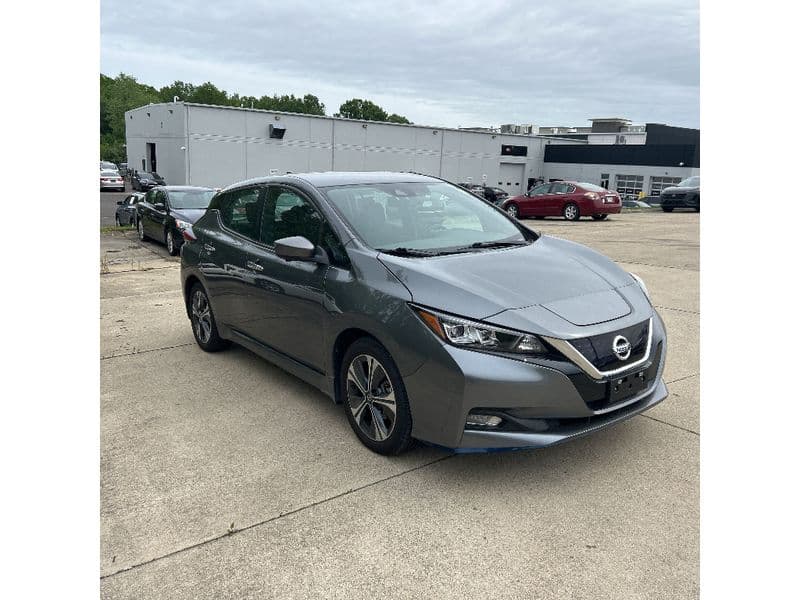
If you’re getting ready to sell a 2020 Nissan Leaf, you’ve probably noticed the values are all over the map. Some cars are listed under $10,000, others push well into the teens. The key to getting the right 2020 Nissan Leaf value is understanding how battery health, trim, and selling method interact, and then using that to your advantage.
Where 2020 Leaf prices sit today
Why 2020 Leaf values look strange right now
On paper, the 2020 Leaf should be a sweet spot: modern safety tech, decent range, especially in Plus trims, and a reasonable original price. In practice, several forces have pushed values down faster than many owners expected:
- Fast EV depreciation overall. Many mainstream EVs lose 60% or more of their value in the first five years as new models with longer range and faster charging show up.
- Shorter range versus newer EVs. Even the 62 kWh Leaf Plus can feel limited next to newer 250–300 mile crossovers, which caps what some buyers are willing to pay.
- Battery‑health anxiety. Shoppers have learned that some early Leafs degraded quickly. Even though the 2020 pack is better, buyers still want proof, not promises.
- Used‑EV price reset in 2023–2024. Rising new‑car incentives and more competition pulled used EV prices down across the board. The Leaf, already a heavy depreciator, got hit hard.
Don’t anchor on your original MSRP
Quick answer: what a 2020 Nissan Leaf is worth today
2020 Nissan Leaf value snapshot (U.S., 2025–2026)
Those ballpark figures capture where most 2020 Leafs land, but they hide huge variation. A high‑mileage base S with a tired pack might struggle to clear $7,000. A low‑mile SL Plus with a strong battery and clean history can still command the mid‑teens from the right buyer. The rest of this guide is about putting your car closer to that upper band.
How trim, battery and range impact 2020 Leaf value
Not every 2020 Leaf is created equal. Before you talk numbers with a dealer, or list it yourself, you need to know exactly what you have. For 2020, Nissan offered two basic versions:
2020 Nissan Leaf trims and typical value impact
Battery size and range are the backbone of 2020 Leaf resale value.
| Version / Trim | Battery | EPA range (approx.) | Value impact in 2025–2026 |
|---|---|---|---|
| Leaf S / SV / SL | 40 kWh | ~149 mi | Lower entry price; good city runabout but range limits appeal, especially in colder climates. |
| Leaf S Plus | 62 kWh | ~226 mi | Best range; shoppers like "max range" label, especially commuters and rideshare drivers. |
| Leaf SV Plus / SL Plus | 62 kWh | ~215 mi | Well‑equipped with ProPILOT Assist and nicer interiors; tends to bring the strongest prices. |
Plus trims with the 62 kWh pack command a clear premium over 40 kWh cars, especially with healthy batteries.
Double‑check your trim before you price
5 factors that move your Leaf’s price up or down
What buyers (and dealers) really pay attention to
Understanding these levers helps you defend a higher asking price.
1. Battery health
The single biggest driver. A 2020 Leaf with strong state of health (SoH) and all capacity bars intact will always be worth more than the same car with visible degradation.
Being able to prove battery health with a diagnostic report is one of the fastest ways to justify top‑of‑market pricing.
2. Mileage & use pattern
All else equal, buyers prefer 30,000 miles to 80,000. But how those miles were used matters: gentle commuting with regular charging looks better than years of DC fast‑charging and ride‑share use.
3. History & condition
Clean title, no airbag deployment, no major structural repairs, up‑to‑date recalls and basic maintenance, they all signal "safe bet" to a used‑EV shopper.
Cosmetic issues don’t kill a sale, but they do give buyers leverage to negotiate down.
4. Your local market
Leafs move faster and often fetch stronger prices in dense urban areas and on the coasts, where short‑range EVs make more sense and charging is easier.
5. Fast‑charging & options
Plus models with DC fast‑charge, ProPILOT Assist, and popular comfort features (heated seats, adaptive cruise) sit at the top of the demand curve.
6. How you sell
Trade‑ins and instant‑offer services are convenient but typically pay less. Consignment and well‑managed private‑party sales take more effort but can add meaningful dollars to your net.
Battery health is not optional anymore
Selling options: trade‑in, instant offer, consignment or private
Once you understand roughly what your 2020 Leaf is worth, the next question is how to turn that into cash, or equity toward your next EV. Each path has its own trade‑offs between price, effort, and risk.
Trade‑in at a dealer
- Pros: Fast, easy, tax benefit where applicable (you pay sales tax on the price after trade‑in on your next vehicle).
- Cons: Usually the lowest number on the table, especially if the dealer doesn’t specialize in EVs.
- Best for: Owners who value convenience over squeezing every last dollar out of the car.
Instant cash offer or online buyer
- Pros: Quick valuation, no strangers coming to your house, often better than a non‑EV‑savvy local dealer.
- Cons: Still wholesale‑oriented; they build in margin for auction or retail resale.
- Best for: Busy sellers who want a simple, predictable transaction.
Consignment with an EV specialist
- Pros: Professional photos, marketing, and test‑drive handling; access to EV‑educated buyers; potential to net closer to private‑party money without doing all the work.
- Cons: Takes more time; there’s usually a fee or commission.
- Best for: High‑spec or Plus‑trim Leafs where battery condition is strong and you want to showcase it properly.
- How Recharged helps: Recharged can list your Leaf on its marketplace, handle a Recharged Score battery report, buyer questions, and even nationwide delivery so you’re not limited to local demand.
Private‑party sale
- Pros: Often yields the highest price if you market the car well and are patient.
- Cons: You handle everything, screening buyers, test drives, payment, paperwork, and potential post‑sale headaches.
- Best for: Sellers comfortable with the process who have a clean, desirable car and some time to wait for the right buyer.
Where Recharged fits in
Ready to find your next EV?
Browse VehiclesPricing your 2020 Leaf step by step
A simple process to land on the right asking price
1. Nail down your exact trim and options
Confirm whether your car is a 40 kWh or 62 kWh Plus model and which package you have (S, SV, SL, S Plus, SV Plus, SL Plus). Note key features like ProPILOT Assist, DC fast‑charge, premium audio, and driver‑assist systems.
2. Gather odometer, VIN, and history info
Write down current mileage, your VIN, and any accident or repair history. Have service records handy, even if it’s mostly tire rotations and cabin filters, EV buyers like documentation.
3. Get a battery‑health report
Use an OBD‑II dongle and Leaf‑specific app, or work with an EV‑savvy shop or marketplace like Recharged to pull a battery health report. A <strong>Recharged Score</strong> combines this data with pricing benchmarks so you can see where you stand.
4. Check multiple value sources, not just one
Look at mainstream guides, actual local listings for 2020 Leafs, and, ideally, EV‑specific resources. Focus on cars that truly match yours in trim, mileage, and battery condition, not just any 2020 Leaf.
5. Decide on your selling channel first
Your asking price should reflect how you’re selling. Aim for the upper half of private‑party ranges if you’re selling yourself, or be realistic about the discount you’ll take for trade‑in convenience.
6. Build in realistic negotiation room
Most buyers expect a little back‑and‑forth. If your target net is $11,000, you might list at $11,900–$12,200, assuming your car presents well and battery health is strong.
Improving your 2020 Leaf value before you sell
You can’t change the EV market, but you can absolutely change how your individual Leaf looks within it. A few hours of prep often move a car from the bottom of the pricing band to the top.
High‑ROI ways to prep your Leaf
Focus on what photographs well and reassures EV buyers.
Detail inside and out
Have the car professionally cleaned or do a thorough DIY detail: wash, clay, wax, interior vacuum, plastics cleaned, windows spotless.
Clean EVs photograph better and signal careful ownership.
Fix obvious, cheap issues
Burned‑out bulbs, missing floor mats, scuffed hubcaps, windshield chips, these are small things, but buyers mentally add them up.
Fix the easy items so your car doesn’t feel neglected.
Organize records & recall proof
Print out your service history and proof that open recalls have been done.
If you’ve just replaced tires or a 12‑volt battery, highlight it in your listing.
Take honest, flattering photos
Shoot in soft light (early morning or late afternoon), include a full walk‑around, interior, cargo area, and close‑ups of the charging port and infotainment.
Present battery data clearly
Include a screenshot of the battery‑health report or capacity‑bar display in your ad. Circle or highlight the key number buyers care about.
Mention your charging context
Tell buyers how you used the car, "Daily 20‑mile commute, mostly Level 2 home charging" is far more reassuring than silence.
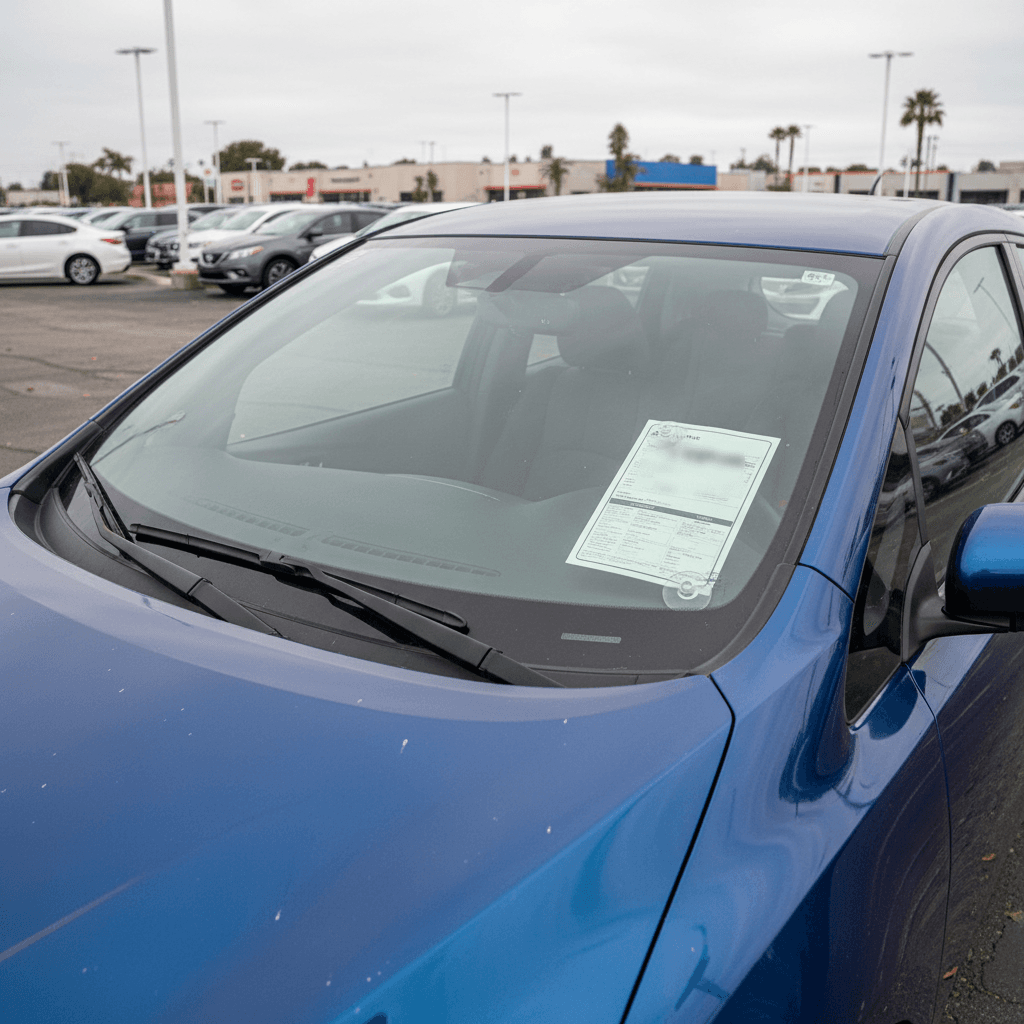
How Recharged evaluates and markets a 2020 Leaf
Because Recharged focuses on used EVs, we look at your 2020 Leaf a little differently than a traditional dealer might. Instead of just plugging mileage into a generic book value, we analyze the things that actually matter to EV shoppers.
- Recharged Score battery diagnostics. Every Leaf we buy or consign gets a battery‑health check, so the next owner can see verified capacity and fast‑charge behavior, not just the odometer.
- Fair market pricing for your specific car. We benchmark your Leaf against national and regional sales data for the same trim, similar miles, and comparable battery health, not just a generic 2020 Leaf average.
- EV‑educated buyer base. Our shoppers are actively looking for used EVs, so they understand what a healthy 2020 Leaf is worth, and why a well‑documented car deserves a premium.
- Flexible ways to sell. You can request an instant offer, trade into another used EV, or have Recharged list your Leaf on consignment, with nationwide delivery available from our Richmond, VA Experience Center and partner network.
Start with a no‑pressure value estimate
FAQ: Selling a 2020 Nissan Leaf
Common questions from 2020 Leaf sellers
Bottom line: when to sell your 2020 Leaf
The 2020 Nissan Leaf will never be a resale champion, and by 2026 most examples have already taken the bulk of their depreciation hit. That’s the bad news. The good news is that if your battery health is solid and your expectations are grounded in today’s market, you can still turn your Leaf into meaningful cash, or equity toward a longer‑range EV, without leaving money on the table.
If you’re ready to move on, start by confirming your trim and battery, getting a clear battery‑health report, and choosing the selling channel that fits your tolerance for effort and risk. Whether you decide to trade, go for an instant offer, sell privately, or explore consignment with an EV‑focused marketplace like Recharged, the same rule applies: the more clearly you can demonstrate your Leaf’s real‑world condition, the closer you’ll land to the top of the value range for a 2020 Nissan Leaf today.