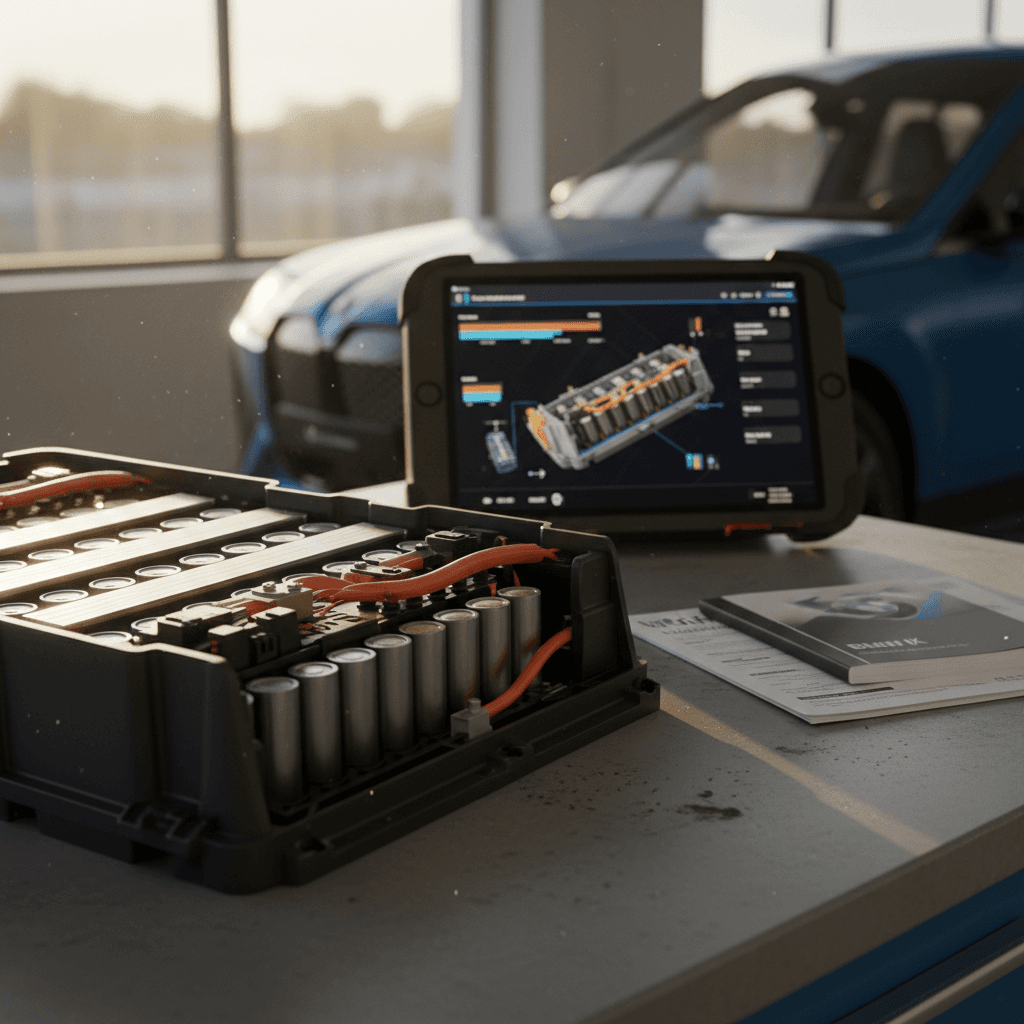
If you’re considering a Fiat 500e, or already own one, the **battery warranty details** matter as much as price, range, or styling. The high‑voltage pack is the heart of the car and the most expensive component to replace, so it pays to understand exactly how Fiat’s 8‑year/100,000‑mile coverage works, where it differs by model year, and what that means for you as a current or future used‑EV owner.
At a glance
Fiat 500e battery warranty overview
Fiat has offered two main generations of the 500e in the U.S.: the original 2013–2019 car and the new 2024‑on model. Across both, the pattern is similar to most EVs: a **shorter basic warranty** for everything on the car, and a **longer, separate warranty for the high‑voltage battery and electric drive system**.
Core Fiat 500e warranty numbers
Fiat 500e generations and battery specs
Understanding which 500e you’re dealing with is the first step to decoding its battery warranty. Fiat has used similar warranty durations but different pack designs between generations.
Fiat 500e generations, batteries, and baseline warranty
How the original and latest Fiat 500e compare on battery size and official battery warranty term.
| Generation / years | Battery type & size | Approx. EPA range | Typical HV battery warranty |
|---|---|---|---|
| 2013–2019 Fiat 500e (first gen) | Lithium‑ion, ~24 kWh air‑cooled | ~84–100 miles | 8 years / 100,000 miles high‑voltage battery |
| 2024+ Fiat 500e (U.S. relaunch) | Lithium‑ion, 42 kWh liquid‑cooled | ~141–149 miles (Fiat/ EPA estimate) | 8 years / 100,000 miles traction battery |
Warranty start dates are always based on the original in‑service date, not the model year printed on the registration.
Model year vs. in‑service date
How long is the Fiat 500e battery warranty?
Fiat’s high‑voltage battery warranty on the 500e is designed to reassure buyers that the pack won’t suffer major defects early in the car’s life. While the fine print lives in the owner’s warranty booklet, the high‑level terms are straightforward.
Core warranty terms on most Fiat 500e models
Battery coverage sits on top of basic and powertrain protection.
High‑voltage battery
- Duration: 8 years
- Mileage limit: 100,000 miles
- Applies to the traction battery and certain EV drive components
Basic (“bumper‑to‑bumper”)
- Varies by year and market
- Examples: 3 yr/40,000 mi or 4 yr/50,000 mi on 2024 500e
- Covers most non‑wear items, excluding the HV battery
Powertrain / drivetrain
- Often 4–5 years, 50,000–60,000 miles on recent 500e
- Covers motor, reduction gear and related components
- Separate from the dedicated battery warranty
The key number you care about is the **8‑year/100,000‑mile high‑voltage battery warranty**. It’s consistent with what many other EV makers offer and applies whether you lease or buy the car new. Remaining time and mileage generally transfer to subsequent owners, which is crucial if you’re shopping used.
State‑specific rules
What the Fiat 500e battery warranty actually covers
Battery warranties don’t promise a brand‑new pack if your range drops a little. Instead, they target **defects in materials or workmanship** and, in some cases, **extreme capacity loss**. Here’s how that typically translates on a Fiat 500e.
Typical coverage areas under the Fiat 500e battery warranty
1. High‑voltage battery hardware
Covers the main traction battery pack, internal modules, and battery management electronics if they fail due to defects, not accidents, flooding, or abuse.
2. Contactors and internal wiring
Includes many internal electrical connections that are part of the battery assembly and necessary for safe operation.
3. Battery control & monitoring systems
If a factory defect in the battery management system (BMS) or related sensors causes the pack to shut down or become unsafe, that’s usually considered a warrantable failure.
4. Safety‑related failures
Any verified defect that creates a fire risk, loss of isolation, or inability to safely charge or drive the car should be evaluated under the high‑voltage battery warranty.
5. Capacity loss beyond the threshold (where applicable)
Some EV warranties specify a minimum battery capacity (often around 70%) during the coverage period. Fiat’s documentation has been less explicit than, say, Nissan or Tesla, so you may face more negotiation around gradual degradation claims.
Defect vs. wear and tear
Common exclusions and denied battery claims
Where owners get frustrated is when a failing battery doesn’t neatly match what Fiat considers a “defect.” Forum threads and owner stories include cases where batteries failed inside the 8‑year window but replacement was delayed or denied, often after months of back‑and‑forth between dealer and corporate.
Typical battery‑warranty exclusions
- Accident or impact damage to the pack or underbody
- Flooding, immersion, or severe water intrusion
- Improper modifications to the high‑voltage system
- Neglected maintenance where Fiat required inspections or software updates
- Abuse or misuse, such as using the pack for non‑vehicle power without approval
Gray‑area situations
- Gradual capacity loss without a clear defect
- Cars left sitting for extended periods at 0% or 100% charge
- Mixed responsibility between dealer diagnostics and Stellantis (Fiat) approvals
- Older 500e packs where parts availability is limited
In several documented cases, owners have had to escalate to regional reps or legal counsel to resolve disputed claims, especially on first‑generation cars nearing the end of coverage.
Get everything in writing
Warranty differences: new vs. used Fiat 500e
From a warranty perspective, the big divide isn’t between new and used, it’s between **still under the 8‑year/100,000‑mile battery coverage** and **out of coverage**. But there are a few ownership‑status nuances to understand.
- The high‑voltage battery warranty generally remains in force for **subsequent owners** until the time and mileage limits are reached.
- Some warranty perks (like roadside assistance or free maintenance on other Fiat models) may apply only to the original owner or expire earlier than the battery coverage.
- CPO (certified pre‑owned) Fiat programs, where offered, typically extend **basic or powertrain coverage**, not the underlying 8‑year/100,000‑mile battery term.
- If a previous owner modified the car or skipped required service, Fiat could argue that those actions voided or limited portions of the warranty.
How Recharged handles used EV warranties
Ready to find your next EV?
Browse VehiclesReal-world issues and owner experiences
Paper warranties are one thing; real‑world experiences can look different. Owners of first‑generation 500e models (2013–2019) have reported a mix of smooth battery replacements and long, frustrating disputes, especially as these cars age and parts become harder to source.
“I had it towed to a dealer in July 2024, which confirmed that the 8‑year EV battery warranty was valid… Months pass with unreturned calls… The battery replacement is denied, but they refuse to provide a reason.”
Experiences like this don’t change what the warranty says on paper, but they’re a reminder to **document everything**, stay on top of communication, and escalate early if you feel a valid claim isn’t being handled properly. For the newer 2024‑on 500e, widespread battery‑warranty battles haven’t yet surfaced in volume, simply because these cars are still young, but the underlying terms are similar.
How to protect your Fiat 500e battery (and its warranty)
No warranty can erase all risk, but you can dramatically reduce both **battery stress** and the odds of a disputed claim with a few smart habits. The same best practices that keep lithium‑ion cells healthy also make it easier to show that you’ve been a responsible owner if an issue arises.
Practical steps to preserve your 500e battery and warranty
1. Avoid extended time at 0% or 100%
Try not to leave the car parked for days on end either fully depleted or completely full. For daily use, keeping the state of charge between roughly 20% and 80% is easier on the pack.
2. Use DC fast charging strategically
The 500e can DC fast‑charge at up to roughly 85 kW, but relying on fast charging for every session adds thermal stress. When you can, use Level 2 home or workplace charging for routine top‑ups.
3. Stay current on software updates
Battery management software updates can improve reliability and safety. Make sure your dealer applies required updates, and keep the service records, they’re useful evidence in any future warranty discussion.
4. Document range and warnings early
If you see battery warnings, sudden range drops, or charging failures, take photos, note dates and mileage, and schedule service promptly. Waiting months can make diagnosis, and a warranty claim, harder.
5. Don’t modify the high‑voltage system
Aftermarket tinkering with the pack, contactors, or high‑voltage wiring can give Fiat ammunition to deny coverage. If you’re tempted to retrofit or upsize anything, talk to a qualified EV specialist first.
6. Keep service and charging records
Service invoices, inspection reports, and even screenshots from your charging app help show a clear usage history if you ever need to argue that a failure is due to a defect, not misuse.
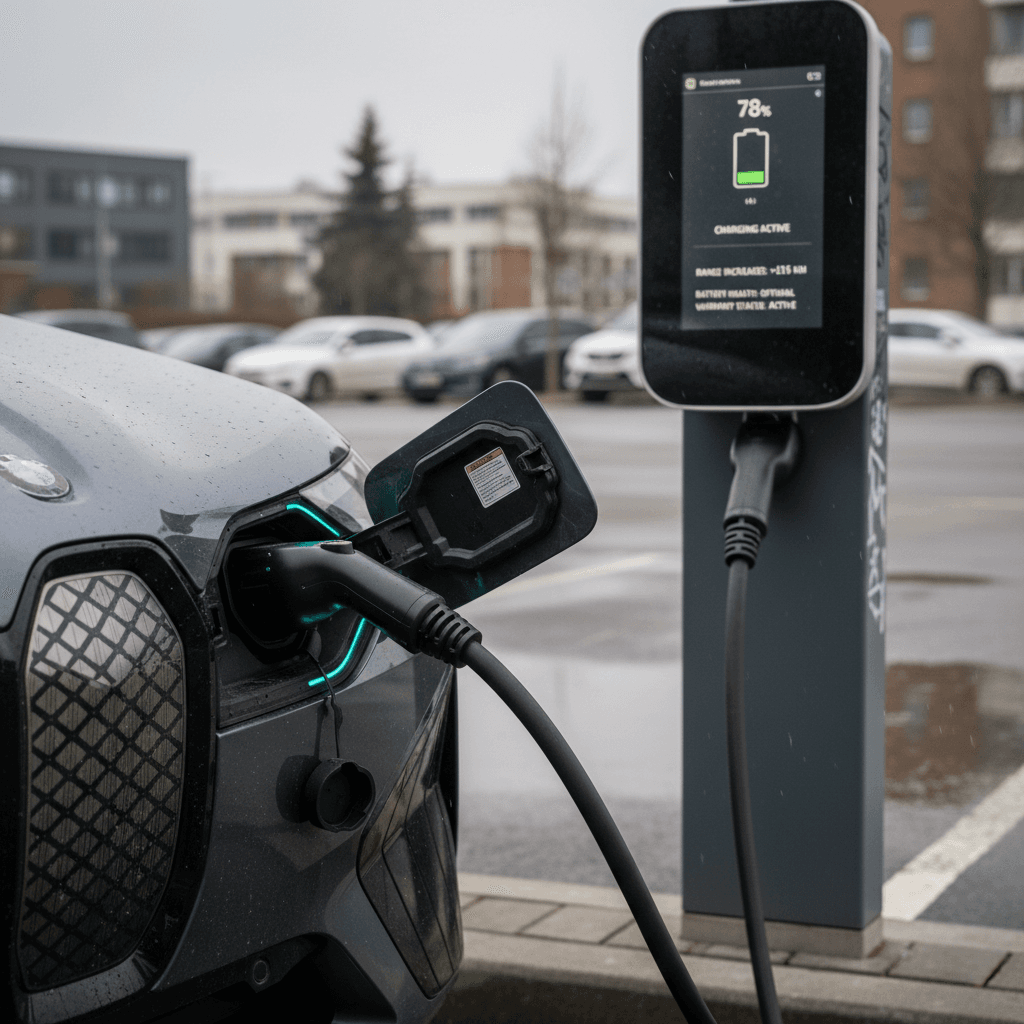
Buying a used Fiat 500e? What to check on the battery warranty
Used 500e prices can be tempting, especially for the earlier 2013–2019 cars that started life as compliance EVs. But a low price isn’t a deal if the battery is weak and there’s no warranty safety net. Here’s how to approach the shopping process.
Battery‑focused checklist for used Fiat 500e shoppers
A few phone calls and tests can save you thousands later.
Confirm original in‑service date and warranty status
Ask the seller for the original purchase paperwork or service printout showing:
- Date the car was first sold or leased
- Current mileage
- Any prior battery‑related repairs or replacements
If the car is more than 8 years past that in‑service date or over 100,000 miles, assume the high‑voltage battery is out of factory warranty.
Get an objective battery‑health assessment
Range alone doesn’t tell the whole story. Ideally, have a shop or marketplace that specializes in EVs pull **battery health data** from the car.
At Recharged, every vehicle comes with a Recharged Score Report that includes verified battery health metrics, not just a dashboard guess.
Ask about charging habits and storage
Questions to ask the seller:
- Was the car mostly Level 2 or DC fast‑charged?
- Did it sit unused for long periods?
- Was it stored in very hot or very cold climates?
Scan for trouble codes and warning history
A pre‑purchase inspection on a used 500e should include checking for stored high‑voltage fault codes and confirming that all open recalls and battery‑related service campaigns have been completed.
Leverage marketplace transparency
FAQ: Fiat 500e battery warranty
Frequently asked questions about Fiat 500e battery coverage
Key takeaways for Fiat 500e owners and shoppers
If you strip away the legal language, the **Fiat 500e battery warranty** boils down to this: you’re protected against major battery defects for the first **8 years or 100,000 miles**, and that protection usually transfers when the car changes hands. Where owners get tripped up is in the gray area between normal degradation and true defect, plus the practical reality of getting approvals from Stellantis when something goes wrong.
Whether you already own a 500e or you’re eyeing a used one, your best moves are to **treat the pack gently, document issues early, and insist on written answers** from dealers and Fiat when questions arise. And if you’d rather not decode all of this alone, shopping a used 500e through a specialist marketplace like Recharged means you get a **Recharged Score Report** with verified battery health and warranty status baked in, so you can enjoy the quirky charm of a 500e without guessing at the state of its most important component.