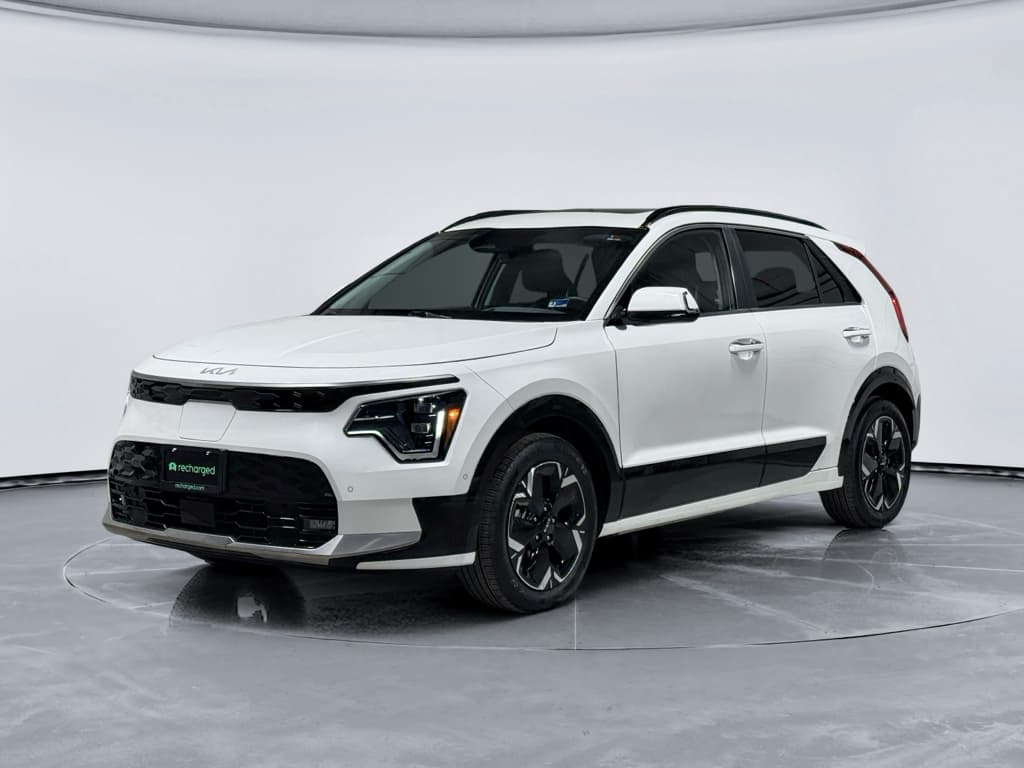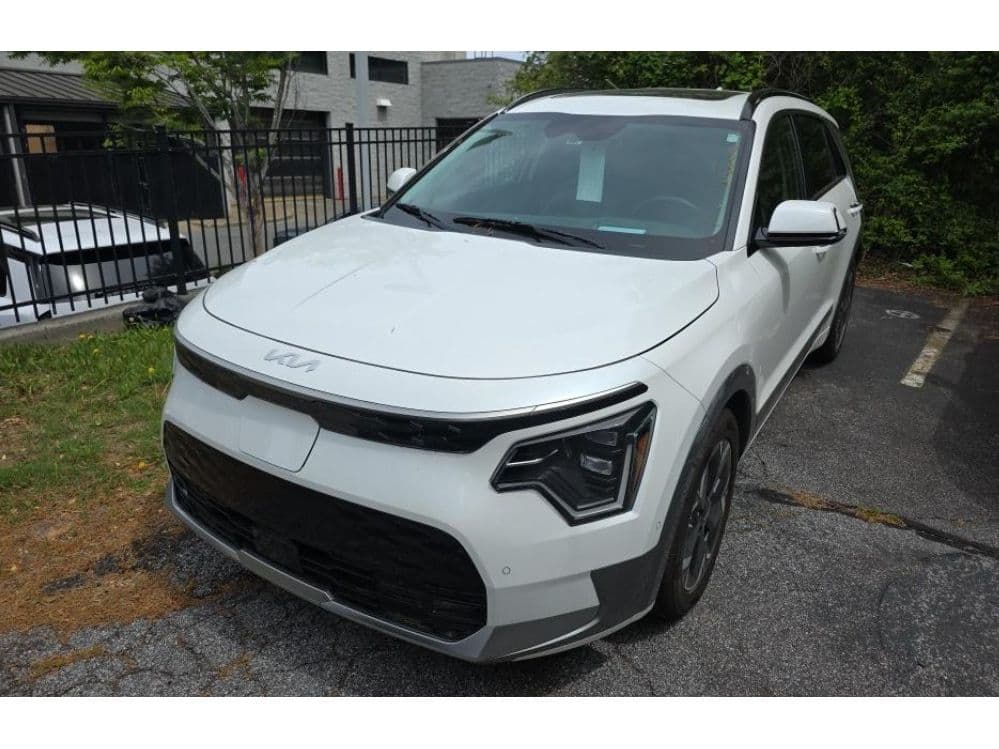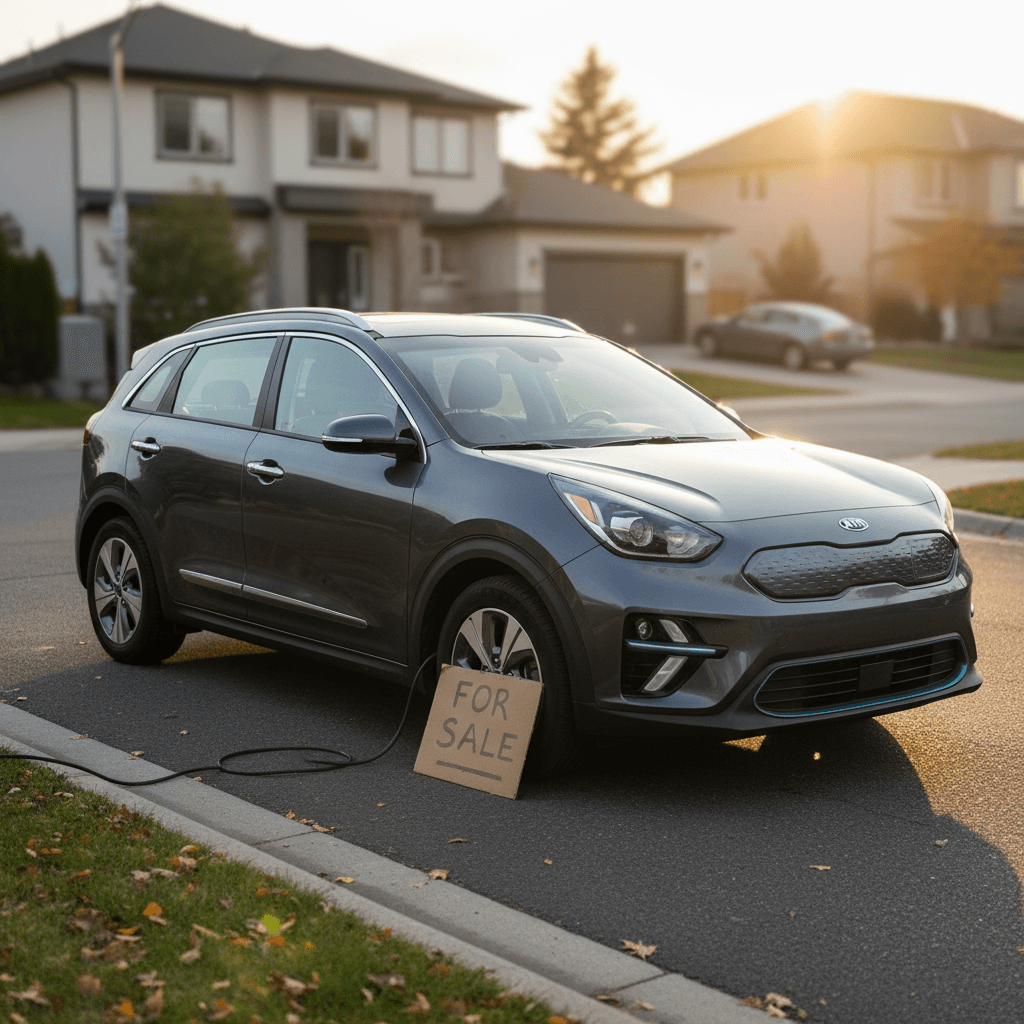
You bought the 2020 Kia Niro EV for its quiet competence, big range for the size, and that bulletproof Kia warranty. Now it’s 2025–2026, the odometer has climbed, and you’re wondering: what’s my 2020 Kia Niro EV actually worth if I sell it today, and how do I keep from leaving money on the table?
Model basics at a glance
Why 2020 Niro EV value matters now
Five‑year‑old EVs are the market’s awkward middle children: new‑car incentives have expired, but the cars themselves are still modern. For you as a seller, that’s good news. Depreciation has already done most of its dirty work, and buyers know the Niro EV’s real‑world strengths: reliable range, comfort, and relatively low battery‑degradation reports.
Why buyers like the 2020 Niro EV in 2025–2026
These demand drivers support your resale value
Useful real-world range
The 64 kWh pack and ~239‑mile EPA rating still clear many commuters’ needs with room to spare, especially versus cheaper city EVs.
Long Kia warranty
Original 10‑year/100,000‑mile EV powertrain and battery warranty means many 2020s still have meaningful coverage left for a second owner.
Value vs. new EVs
New compact EV crossovers can crest $40,000. A well-kept 2020 Niro EV undercuts that by tens of thousands while feeling similar behind the wheel.
What is a 2020 Kia Niro EV worth today?
Typical 2020 Niro EV values in 2025–2026 (U.S.)
Those numbers are ballparks, not verdicts. A low‑mileage 2020 Niro EV EX Premium in immaculate shape with fresh tires and great battery health can still crack the high teens. A high‑mileage base car with cosmetic damage or spotty history might slot closer to the $11,000–$13,000 range.
Sanity‑check your price
How depreciation has hit the 2020 Niro EV
When the 2020 Kia Niro EV was new, it typically stickered in the high‑$30,000s to low‑$40,000s before any federal tax credit. Today, the same car commonly changes hands in the mid‑teens. That’s roughly 55–60% of its original value gone in five years, pretty standard for an early‑generation EV.
2020 Kia Niro EV depreciation snapshot
Approximate value curve for a typical 2020 Niro EV in the U.S., assuming average mileage and clean history.
| Age & year | Odometer example | Typical market context | Approx. value |
|---|---|---|---|
| New in 2020 | 0 miles | MSRP before incentives | $39,000–$42,000 |
| 3 years old (2023) | 30,000–40,000 miles | Early used EV, still rare | $24,000–$27,000 |
| 5 years old (2025) | 50,000–70,000 miles | Mainstream used EV pricing | $15,000–$18,000 retail |
| 6 years old (2026) | 70,000–90,000 miles | Warranty still in play for many | $13,000–$17,000 retail |
These are illustrative figures, not guaranteed prices. Your specific car can sit above or below this curve.
How the Niro compares to other EVs
Factors that move your 2020 Niro EV value up or down
Main levers on your Niro EV’s value
Dial these in before you sell
Mileage
Under ~40,000 miles? You’re in the “low‑miles” sweet spot and can ask a premium. Over ~90,000? Expect buyers and dealers to push harder on price.
History & records
Accident‑free Carfax, regular service entries, and receipts for tire/ brake work all support a stronger number. Gaps or damage reports push it down.
Trim & options
EX Premium with features like heated seats and more driver‑assist tech typically commands more than a base EX, especially in colder markets.
Cosmetic condition
Clean paint, undamaged wheels, and a fresh interior can be worth thousands over a comparable car with curb rash, dents, or smoker’s interior.
Charging & accessories
Including a working Level 1/2 charger, both key fobs, and manuals reassures buyers and removes friction. Missing gear is a price‑cut waiting to happen.
Battery health
This is the big EV‑specific lever. A verified strong pack helps you defend a higher price; visible degradation gives buyers bargaining power.
Don’t ignore regional quirks
Battery health: the secret lever on EV resale
If depreciation is the weather, battery health is the microclimate. Many 2020 Niro EV owners report very modest degradation, often less than 10% capacity loss even past 100,000 miles, thanks to Kia’s conservative battery management. That said, buyers can’t see state‑of‑health (SOH) by eyeballing the car. You have to show them.
Why buyers care so much
- Range anxiety lives here. A pack that’s lost 15–20% of capacity turns a 239‑mile EV into a ~190‑mile EV. That’s still usable, but buyers will want a discount.
- Warranty math. The 2020 Niro EV’s battery and powertrain warranty is typically 10 years/100,000 miles for original owners, with coverage to ~70% capacity. If you’re well under those numbers, that’s a selling point.
How to prove battery health
- Professional diagnostics. A third‑party battery test or a platform like Recharged’s Score Report can provide a clear SOH number buyers can trust.
- Real‑world range notes. Document a recent full‑to‑low drive with miles and conditions. It’s anecdotal, but it helps buyers connect the dots.
How Recharged makes battery health an asset
Ready to find your next EV?
Browse Vehicles
Trade-in vs private sale vs EV marketplace
Once you know your 2020 Kia Niro EV’s value band, the next question is how you want to turn that into cash, or your next car. Each route has a different mix of price, effort, and risk.
Selling channels compared
Pick the path that fits your time, risk tolerance, and personality
Dealer trade-in
- Pros: Fast, simple, consolidates all paperwork into your next purchase.
- Cons: Typically the lowest dollar amount; EV‑skeptical dealers may lowball Niro EVs.
Private sale
- Pros: Often nets $1,000–$3,000 more than trade‑ins if priced and presented well.
- Cons: You handle listings, test drives, fraud screening, and paperwork yourself.
EV-focused marketplace
- Pros: Platforms like Recharged blend better pricing with expert guidance, battery diagnostics, and nationwide reach.
- Cons: May take a bit longer than an on‑the‑spot dealer check.
Use trade-in offers as leverage
How to price your 2020 Niro EV (step-by-step)
A practical pricing playbook
1. Start with the data
Pull values from multiple sources: dealer instant offers, valuation tools, and actual listings near you for 2020 Niro EVs with similar miles and trims. Ignore outliers and focus on the cluster.
2. Adjust for your mileage
If you’re 15–20k miles below the average cluster, lean toward the top of the range. If you’re well above average, assume you’re in the lower half unless condition is exceptional.
3. Layer in condition and options
Score yourself honestly: exterior, interior, tires, brakes, windshield, and tech features (EX vs EX Premium). Each major flaw (curb rash, cracked glass, worn tires) usually warrants a clear discount.
4. Bring in battery health proof
If you have a recent battery health report, especially from a third party like the Recharged Score, treat it as justification for pricing toward the upper end of comparable listings.
5. Decide your channel and cushion
For private sale, list a bit above your walk‑away number to allow negotiation. For a trade‑in or instant offer, focus on the net against your replacement vehicle’s out‑the‑door price.
6. Test and adjust
If you get no bites after 7–10 days and 100+ views, your price is probably too high or your photos/description aren’t selling the car. Change one variable at a time and watch the response.
Prep your 2020 Niro EV to sell like a pro
A 2020 Niro EV doesn’t sell on drama. It sells on quiet competence and the sense that it’s been cared for. Your job is to make that care unmistakable in person and online.
- Have the car professionally detailed, or meticulously clean it yourself, including door jambs, charge port, and cargo area.
- Fix small but obvious issues, burnt‑out bulbs, missing floor mats, low‑tread tires, before photos. Buyers mentally multiply repair costs.
- Gather service records, the original window sticker if you have it, and manuals in a neat folder.
- Photograph the car in soft daylight with a clean background, capturing all four corners, interior, screen on, odometer, and charge port.
- Include a photo or PDF snippet of your battery health report or Recharged Score if available.
Listing copy that actually works
Common mistakes that cost sellers thousands
Avoid these value-killers
- Hiding battery or charging quirks. A car that won’t fast‑charge properly or has a noticeably reduced range will be uncovered during inspection. Get a diagnosis and price accordingly instead of hoping no one notices.
- Underplaying accident history. A minor, well‑repaired incident that’s openly disclosed is far less damaging to value than a surprise on a history report.
- Letting the registration or inspection lapse. A car that can’t be test‑driven today is a car that feels neglected. Renew what you can before listing.
- Over‑customizing. Wild wraps, aftermarket wheels, or lowered suspensions rarely add value on a Niro EV. Most buyers want stock, or close to it.
- Accepting the first offer in a soft market. Take a beat. Get a second quote, especially from an EV‑savvy outlet. A few emails can be worth real money.
FAQs: 2020 Kia Niro EV resale value
Frequently asked questions about selling a 2020 Niro EV
Bottom line: when and how to sell
Your 2020 Kia Niro EV sits at an interesting crossroads: new enough to feel modern, old enough that depreciation has already done most of the damage. If you’re eyeing a newer EV, or just want to cash out, this is a rational window to sell your 2020 Niro EV for solid value, especially if the battery is healthy and the mileage reasonable.
The formula is simple, if not effortless: understand your value band, document the car’s story, particularly battery health, choose the right selling channel, and present the Niro like the quietly capable machine it is. If you’d rather not navigate that alone, Recharged can handle the heavy lifting with transparent pricing, Recharged Score battery health reports, financing options for your next EV, and even nationwide delivery. However you choose to sell, a clean, honest, well‑documented 2020 Niro EV will find its buyer, and you’ll feel better about the number on the check.