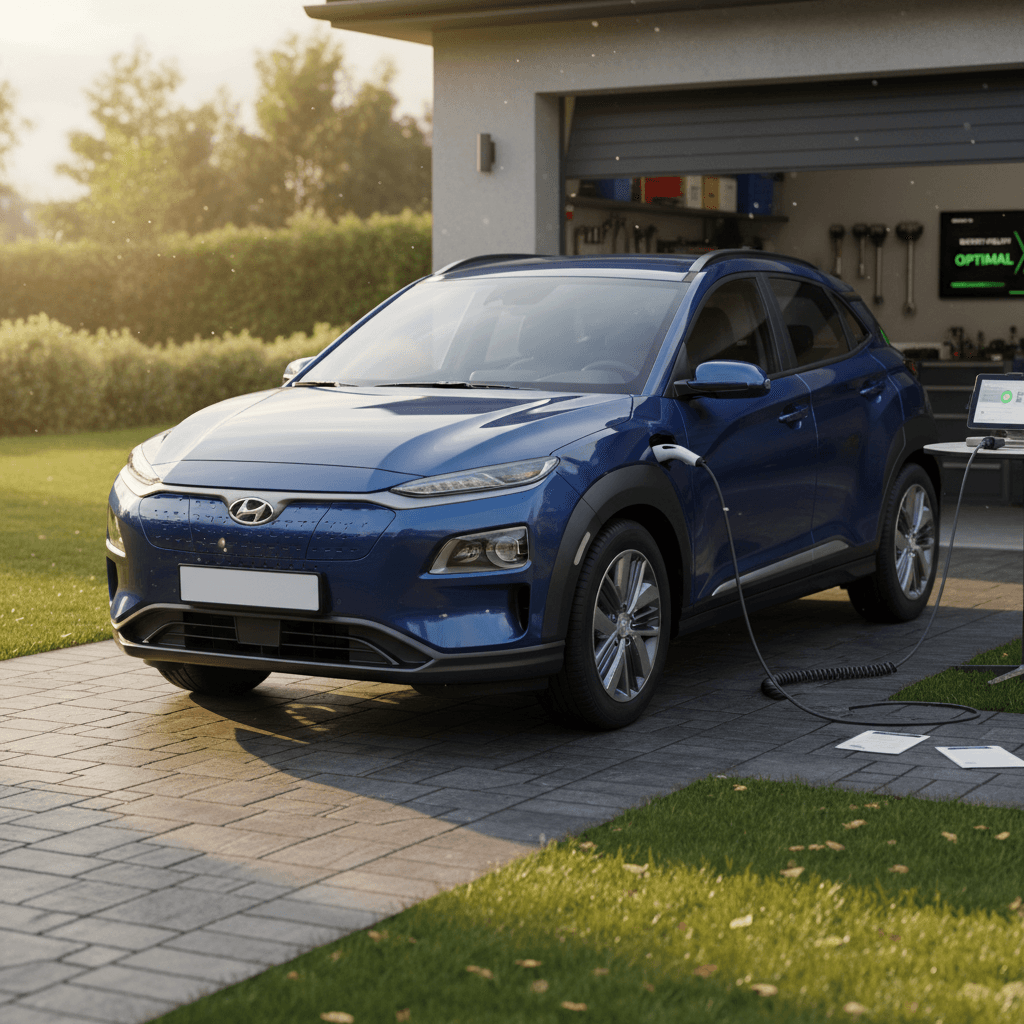
If you’re ready to sell your 2020 Hyundai Kona Electric, your biggest questions are probably **“What’s it worth?”** and **“How do I get the best price?”** The good news: even in a choppy EV market, the Kona Electric’s efficiency, warranty coverage, and practical size help it hold value better than many non‑Tesla EVs. This guide walks you through current 2026 pricing, what affects your car’s worth, and concrete steps to sell your 2020 Kona Electric for maximum value.
Quick snapshot: 2020 Kona Electric value in 2026
2020 Kona Electric resale basics in 2026
Where 2020 Kona Electric values typically land
The 2020 Hyundai Kona Electric launched with an MSRP in the high‑$30,000s to mid‑$40,000s depending on trim. Today, most examples have passed their factory basic warranty but still enjoy **long‑term high‑voltage battery coverage**, which helps reassure used‑EV buyers and props up resale value. At the same time, rapid improvements in newer EVs and higher interest rates have pushed **overall EV depreciation higher** than many owners expected, so going in with realistic numbers is crucial.
How much is a 2020 Hyundai Kona Electric worth today?
Exact numbers depend on your VIN, trim, mileage, location, and condition, but current guidebook data and real‑world transactions point to some **reasonable value bands** for a 2020 Kona Electric in the U.S. as of spring 2026.
Approximate 2026 value ranges for 2020 Hyundai Kona Electric
These are directional ranges for private‑party and dealer pricing on typical 2020 Kona Electrics with clean history. Your actual number will vary by region and condition.
| Trim / Condition | Mileage range | Private‑party price range | Dealer retail range | Likely trade‑in range |
|---|---|---|---|---|
| SEL – clean | 45,000–70,000 | $15,000–$18,000 | $17,000–$20,000 | $11,000–$14,000 |
| Limited – clean | 45,000–70,000 | $16,000–$19,000 | $18,000–$21,000 | $12,000–$15,000 |
| Ultimate – clean | 50,000–80,000 | $16,500–$20,000 | $18,500–$22,000 | $12,500–$15,500 |
| Any trim – high miles or cosmetic issues | 80,000–110,000+ | $12,000–$15,000 | $14,000–$18,000 | $9,000–$12,000 |
Use these figures as a starting point, then refine using a Recharged Score battery report or live offers.
These are guideposts, not offers
For a more precise picture, many owners cross‑check **Kelley Blue Book, Edmunds, and recent local listings** for the same model year, trim, and mileage. On top of that, a marketplace like Recharged can layer in your actual battery‑health data and live buyer interest to show what real shoppers are paying right now, instead of just giving you an algorithmic estimate.
7 factors that move your 2020 Kona Electric value up or down
What shoppers really pay attention to
Most Kona Electric buyers are value‑driven and cautious about risk. Here’s what they scrutinize first.
1. Mileage
2. Accident & title history
3. Maintenance records
4. Battery health & recall status
5. Warranty remaining
6. Trim, options & color
Don’t forget market timing
Battery health, recalls, and why they matter so much
If there’s one thing that can make or break what you get when you sell a 2020 Hyundai Kona Electric, it’s the **state of the high‑voltage battery** and any history related to the well‑publicized early‑production battery recall. Many 2019–2020 Kona Electrics had packs replaced under warranty; handled correctly, that can actually be a selling point rather than a red flag.
Battery warranty and buyer confidence
Hyundai’s EV battery warranty is one of the strongest in the market. For most U.S. 2020 Kona Electrics, the high‑voltage battery is covered for many years beyond the basic warranty, with protection against defects and excessive capacity loss. For a shopper comparing several used EVs, that remaining coverage can be the deciding factor.
Mention **in your listing** how much time and mileage are left on the battery warranty and, if you can, link to the official Hyundai warranty guide for your model year.
The recall twist: problem or plus?
Some early‑build Kona Electrics were subject to a battery recall due to potential fire risk. Many affected cars received an entire new pack under warranty. If your 2020 Kona Electric had its battery replaced, document it with service records.
From a resale standpoint, a professionally installed, newer‑build pack with documented paperwork can actually **boost value**, especially if the replacement restarted or extended parts of your battery coverage.
Battery documentation that helps you justify your price
Recent battery health report
If possible, get a **third‑party battery diagnostic** that shows estimated remaining capacity. Recharged’s <strong>Score Report</strong> includes this, giving buyers hard data instead of guesswork.
Recall and warranty paperwork
Gather any letters or service invoices related to battery recalls or replacements. Buyers love to see that Hyundai has already handled potential issues on your specific car.
Charging‑habit history
If you mostly **charged at home on Level 2** and avoided frequent DC fast‑charging, mention it in your listing. It signals gentle use and can ease buyer worries about long‑term degradation.
How Recharged can help here
Ready to find your next EV?
Browse VehiclesShould you trade in, sell privately, or use a marketplace?
The way you choose to sell your 2020 Kona Electric can swing your net proceeds by thousands of dollars. There’s no one “right” path for everyone; the best option depends on your priorities: time, convenience, and top‑dollar value.
Main ways to sell your 2020 Kona Electric
Compare your options on price, effort, and risk before you commit.
Dealer trade‑in
- Fastest and simplest if you’re buying another car.
- Usually offers the **lowest value**; dealers build in margin for reconditioning and risk.
- Can reduce sales‑tax on your new purchase in some states.
Private‑party sale
- Typically yields the **highest sale price**.
- Requires photos, listings, test drives, and handling paperwork.
- You handle buyer questions about EVs, charging, and battery life.
Specialized EV marketplace
- Platforms like Recharged combine expert EV pricing, battery diagnostics, and nationwide marketing.
- You can choose **instant offer, trade‑in, or consignment**, balancing speed vs. price.
- EV‑savvy staff help answer shopper questions and reduce back‑and‑forth.
Think in terms of net, not just price
How to price your 2020 Kona Electric realistically
Pricing too high means your listing sits; pricing too low leaves money on the table. The sweet spot is a number that reflects **real‑world transaction data** and positions your car competitively against the other 2020 Kona Electrics and similar EVs in your region.
- Start with 2–3 online price guides to get a baseline for your trim, mileage, and ZIP code.
- Search local listings for 2019–2021 Kona Electrics and similar‑range EVs (Niro EV, Bolt EUV, Leaf Plus) to see actual asking prices.
- Adjust for your exact mileage: add a bit if you’re well below average, subtract if you’re well above.
- Factor in condition honestly, curb rash, interior wear, and mismatched tires all affect how buyers perceive your price.
- Layer on your battery‑health story: a documented pack replacement or excellent health report can justify being near the top of the range.
- Set your initial ask a bit above your minimum acceptable price to leave room for negotiation, especially in private sales.
Using Recharged pricing tools
Simple prep steps that can add hundreds to your sale price
You don’t have to spend thousands reconditioning a 5‑ or 6‑year‑old EV, but a few strategic touches can dramatically improve how your 2020 Kona Electric looks in photos and in person. In my experience, **presentation is often the cheapest way to add real value**.
Pre‑sale checklist for your 2020 Kona Electric
Get a professional detail
A thorough interior and exterior detail, especially correcting minor paint swirls and deep‑cleaning the seats, can make the car feel newer and justify a higher price.
Fix cheap, obvious issues
Replacing a cracked windshield, burned‑out bulbs, or missing wheel caps before listing is almost always cheaper than the discount buyers will demand if they see those flaws.
Service and inspection
Have a recent multipoint inspection on file. If tires or brakes are marginal, be ready to either replace them or adjust your price accordingly.
Gather every key and accessory
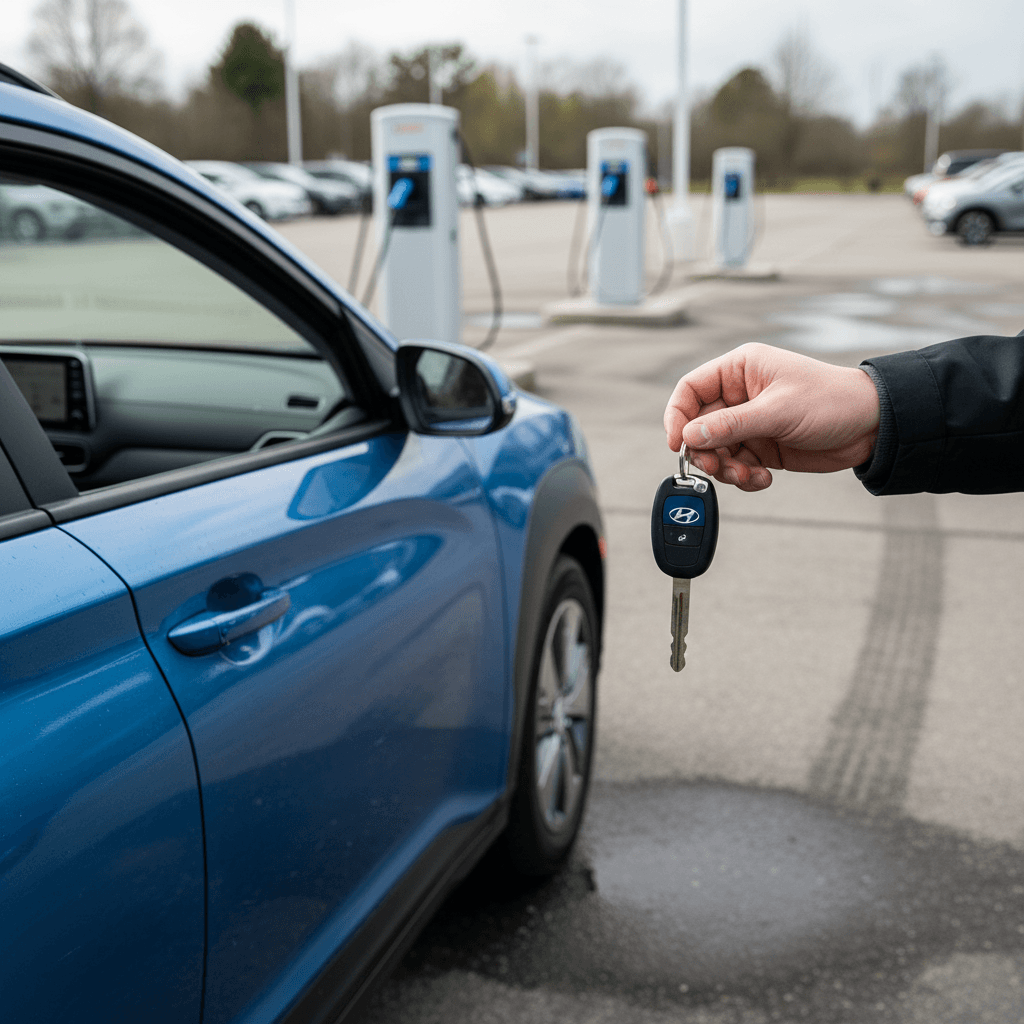
Buyers notice when both keys, original charge cable, manuals, and cargo cover are included. Missing items give people leverage to negotiate you down.
Take honest, well‑lit photos
Photograph the car clean, in daylight, from multiple angles. Include close‑ups of the odometer, tires, infotainment screen, and charge port.
Highlight EV‑specific perks
Call out your typical real‑world range, home‑charging setup, and any included EVSE or adapters. Many shoppers are first‑time EV buyers looking for reassurance.
Common mistakes that cost Kona Electric sellers money
Overpricing based on what you paid
Many owners anchor on their original out‑the‑door price and feel insulted by today’s offers. But EV pricing has changed dramatically since 2020. Clinging to a number that ignores market reality often means your listing goes stale and buyers assume something is wrong with the car.
Instead, focus on what **comparable 2020 EVs are actually selling for** in 2026 and adjust based on your car’s real strengths.
Ignoring battery documentation
Sellers sometimes spend money on cosmetic fixes and skip the one thing EV buyers care about most: proof that the battery is healthy and any recalls are handled.
A verified battery report and clear documentation can be worth more than a set of new floor mats or a last‑minute accessory. Don’t skip it.
Don’t hide known issues
Frequently asked questions about selling a 2020 Kona Electric
2020 Hyundai Kona Electric selling FAQ
The bottom line on getting strong value for your 2020 Kona Electric
Selling a 2020 Hyundai Kona Electric in 2026 means navigating an EV market that’s more complex than it was when you bought the car. But you’re not powerless. Understand the **realistic value ranges** for your trim and mileage, document your battery’s health and recall status, and choose the sales channel that fits your priorities. Present the car honestly, prep it thoughtfully, and price it based on current data, not memories of your original sticker price, and you’ll put yourself in position to earn a strong result.
If you’d like help translating all of this into a real‑world number, Recharged can provide a **Recharged Score Report** with battery diagnostics, a transparent pricing breakdown, and clear options for trade‑in, instant offer, or consignment. That way, you’re not guessing what your 2020 Kona Electric is worth, you’re working from the same data informed buyers use.