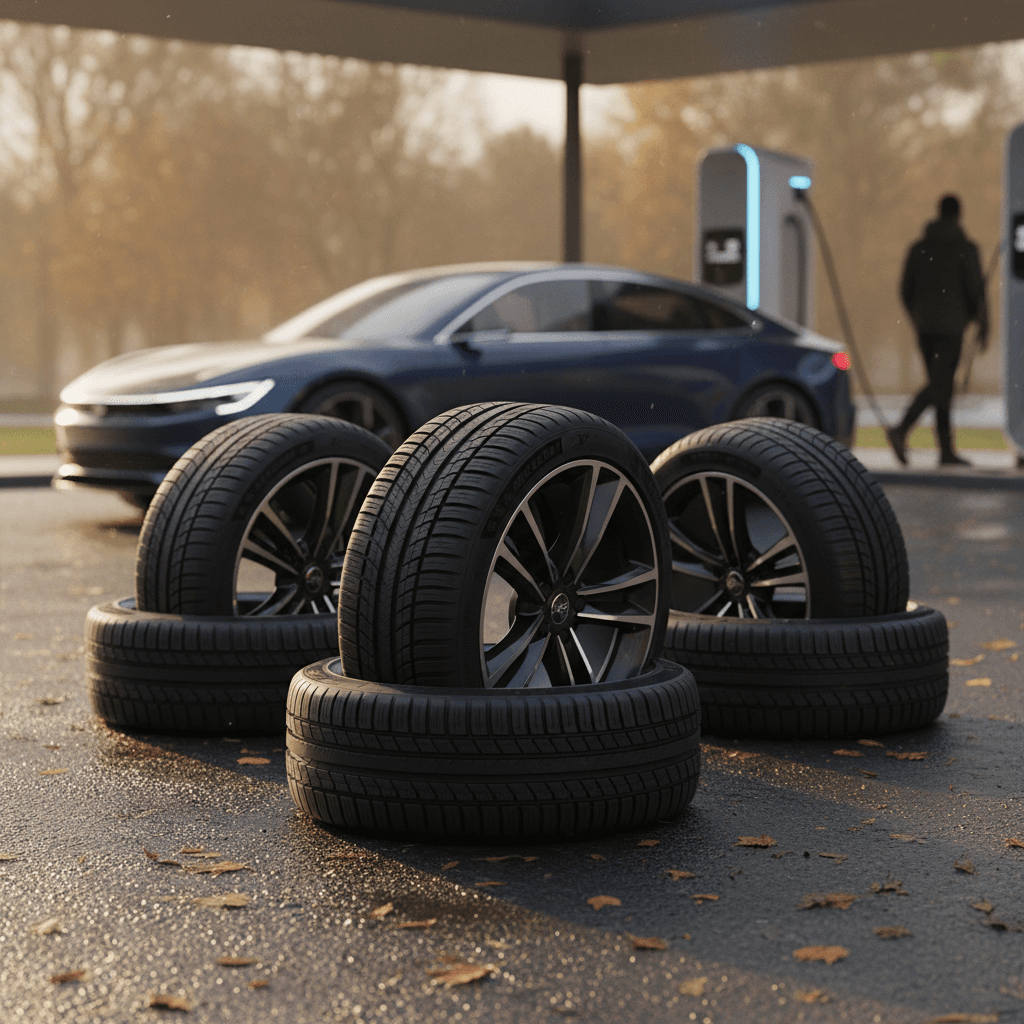
If you’re shopping for new tires for your EV, there’s a good chance the algorithm has already served you ads for Sailun eRange tires. They promise EV-specific technology, more range, quiet comfort and a long warranty, at a price that undercuts the big brands by a wide margin. The question is whether those claims hold up in the real world, and whether eRange EV is a smart choice for the way you actually drive.
Quick take
Why Sailun eRange tires are on EV drivers’ radar
What makes Sailun eRange interesting for EVs?
For EV drivers, tires are not just a safety item; they’re a range and refinement component. A quiet, low‑rolling‑resistance tire can feel like a software upgrade: more miles per charge, less cabin roar, and better efficiency at highway speeds. Sailun is leaning hard into this with the eRange EV line, positioning it as a way to get some of that premium EV‑tire behavior without premium‑tire pricing.
Think of tires as an EV upgrade
What are Sailun eRange EV tires, exactly?
Sailun eRange EV is an EV-oriented all-season touring tire. It’s designed to handle the extra weight and instant torque of electric and hybrid vehicles while keeping rolling resistance, and therefore energy use, low.
Sailun eRange EV at a glance
Key specs and positioning compared to a generic all-season tire
EV-focused construction
Reinforced sidewalls and higher load ratings are designed to cope with heavier battery packs and the spike of EV torque off the line.
Low rolling resistance
The compound and tread pattern aim to reduce energy lost to heat, helping your EV squeeze out more miles per kWh.
Comfort-biased tuning
Acoustic-optimized tread blocks and pitch sequencing target a quieter, smoother ride rather than aggressive performance grip.
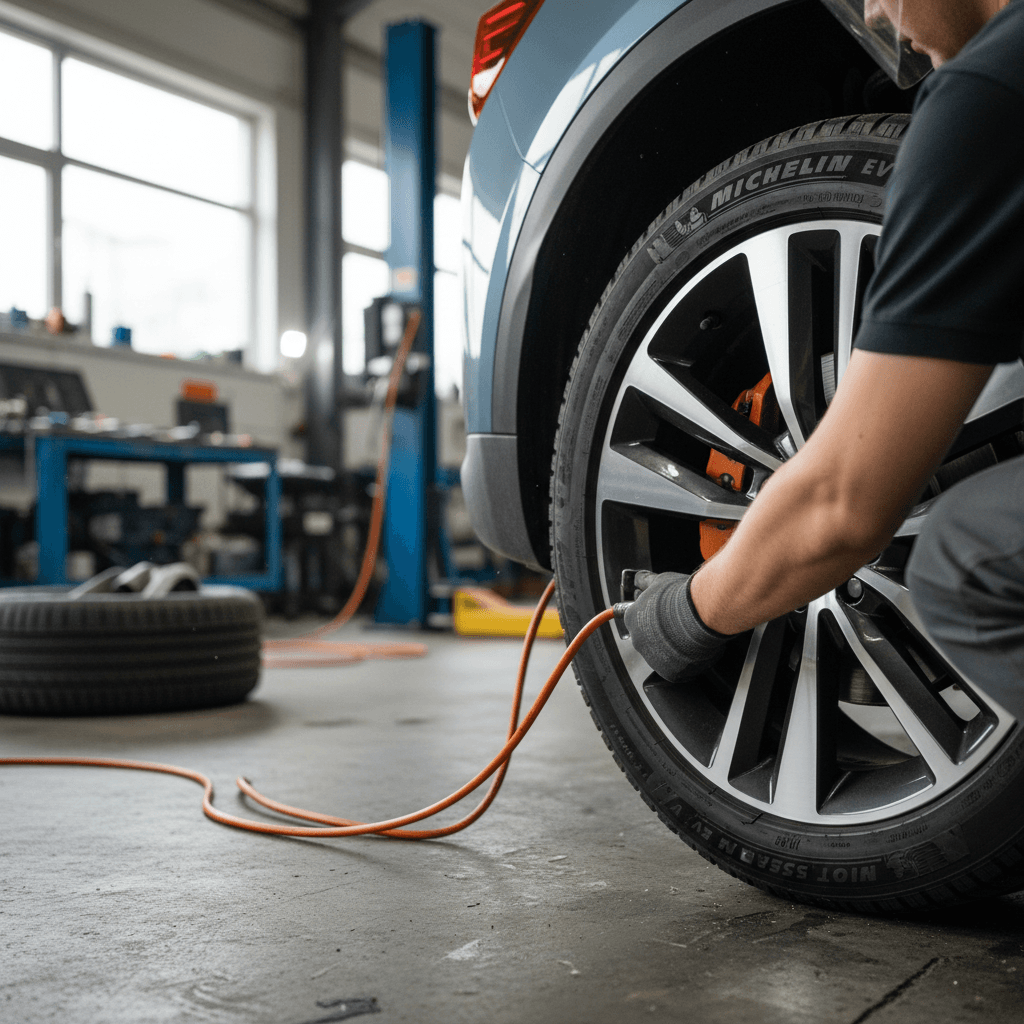
The eRange EV line is available in a wide range of 16–21 inch sizes commonly used on mass‑market EVs like the Chevy Bolt, Nissan LEAF, Hyundai Ioniq 5, Kia EV6, Tesla Model 3/Y and various compact SUVs. In North America, many listings show a 50,000‑mile treadwear warranty for EV fitment, and UTQG ratings in the neighborhood of 600 A A, signaling an emphasis on longevity and stability under heat.
Key technology: EcoPoint3, SilentTread and EV-focused design
Unlike generic low‑cost tires, Sailun is putting actual technology branding behind eRange EV. A lot of it is marketing language, but there are real engineering ideas underneath that matter if you’re in an EV.
Sailun eRange EV technology pillars
How the main design features translate into everyday EV benefits
| Technology | What Sailun says | What it means for you |
|---|---|---|
| EcoPoint3 compound | Liquid-phase mixing for long life and grip | More consistent rubber quality; helps balance low rolling resistance with wet traction and tread life. |
| SilentTread / variable pitch | Advanced tread pattern for quiet ride | Block shapes are staggered so road noise is spread across frequencies, reducing the “EV tire hum.” |
| Reinforced sidewall | Increased load-bearing capacity | Helps support heavy battery packs and sharp EV torque without feeling squirmy. |
| EV-specific tread pattern | Handles instant torque, diverse conditions | Should reduce wheelspin off the line and maintain stability in wet and dry, within the limits of an all-season tire. |
Tech claims vs. what you’re likely to feel on the road.
EV vs. ICE mileage warranty
Real‑world reviews: range, noise and ride quality
Lab specs are one thing; living with the tire is another. Looking across owner reports on EV forums, Reddit threads and independent write‑ups, a pattern emerges around noise, efficiency and overall feel.
Range and efficiency
- Several Tesla and Bolt drivers report modest but measurable efficiency gains versus their factory tires, often enough to notice on a familiar commute.
- One long-term test on a Tesla showed energy use dropping from roughly 152 Wh/km to under 150 Wh/km after switching to eRange EV, which is small but real over thousands of miles.
- Other owners, including some Bolt drivers, report no obvious range change compared with their previous tires. In other words, you should expect “at least as efficient as decent OEM tires,” not magic 30% gains.
Noise and comfort
- Across multiple owner reviews, reduced road noise is the most consistent upside. Drivers describe them as quieter than OEM all‑seasons, especially as speed rises.
- Ride comfort is generally rated as smooth and compliant, squarely in touring‑tire territory rather than sporty or razor‑sharp.
- A few drivers mention a mild droning resonance at certain highway speeds on specific vehicles, but not enough to be a deal‑breaker for most.
“These tires have been quiet, efficient and predictable… right there with the big names.”
The bigger picture: eRange behaves like a competent, comfort‑oriented touring tire that happens to be tuned for EV efficiency. If you’re expecting them to transform a thirsty, noisy vehicle into a luxury limousine, you’ll be disappointed. But if your benchmark is noisy OEM tires that are half worn, eRange can feel like a solid upgrade.
Safety, wet grip and why “all-season” doesn’t mean winter
Tires are ultimately a safety device. The question with any budget tire is whether you’re trading away too much grip, especially in bad weather. Here the evidence on Sailun eRange is mixed but generally reassuring, for the right climate.
- Wet traction: Many EV owners report equal or slightly better wet‑road grip than their OEM tires, with some noting more confidence in heavy rain.
- Dry grip: Sufficient for normal commuting and highway use. This is not a performance tire, and spirited drivers will feel its limits sooner than with a Michelin Pilot or similar.
- Snow and ice: Multiple owners and tire specialists caution that eRange, despite being branded as all‑season, is not a substitute for a true winter tire. In serious snow-belt conditions, think of it as a three‑season option at best.
Do not rely on eRange as a winter tire
For most U.S. EV drivers in milder climates, think much of California, the Pacific Northwest lowlands, the Southeast and mid‑Atlantic, eRange can deliver confident three‑season performance. If you’re in Colorado, Minnesota or upstate New York, you’ll want a winter set regardless, and that’s true whether you choose Sailun, Michelin or anyone else.
Treadwear, warranty and expected lifespan
Treadwear has historically been a weak point for many EVs; it’s easy to evaporate a set of soft‑compound tires in 25,000–30,000 miles when you combine instant torque with heavy curb weights. Sailun positions eRange EV as a long‑life alternative with EV‑specific warranty terms.
Treadwear and warranty snapshot
Real‑world EV owners often report eRange lasting roughly as long as, or modestly longer than, their OEM tires when driven similarly, especially when they stay on top of rotations and alignment. Reports in the 30,000–40,000‑mile range are common on heavier EVs, which is actually respectable given how hard EVs are on rubber.
Protect your warranty with basic maintenance
How Sailun eRange compare to premium EV tires
The real buying decision usually isn’t “Sailun or nothing,” it’s Sailun vs. premium EV tires from brands like Michelin, Continental, Bridgestone or Pirelli. Those options often cost hundreds more per set, so what are you giving up or gaining either way?
How to think about the trade
Are Sailun eRange a good choice for used EV owners?
If you’re running a new $80,000 luxury EV, the tire bill is probably just part of the cost of entry. For most buyers in the real world, especially those driving used EVs from Recharged or elsewhere, the calculus is different. Every thousand dollars you don’t sink into tires and maintenance is budget you can keep for charging or a future upgrade.
When eRange makes a lot of sense
- You own a used Bolt, LEAF, Model 3 or similar and want quiet, efficient tires without overspending.
- You mostly drive in mild climates and rarely encounter snow or ice.
- You’re range‑sensitive and care more about comfort and efficiency than pushing cornering limits.
- You want a fresh, warrantied tire on the car before a long‑term ownership stretch or after buying a used EV.
When to spend up for premium tires
- You regularly see heavy rain, standing water or mountain roads where higher-end wet grip pays off.
- You live in a snowy climate and want a truly four‑season or dedicated winter setup.
- You’re sensitive to subtle differences in steering feel, brake performance and high‑speed stability.
- Your EV is a performance model and you actually use the power.
How Recharged fits in
Ready to find your next EV?
Browse VehiclesSize, fitment and a practical buying checklist
Before you click “add to cart,” you’ll want to make sure Sailun eRange EV actually fits your car and your use case. A bit of homework here can prevent headaches later.
EV-focused checklist before buying Sailun eRange tires
1. Confirm the correct size and load rating
Use your door‑jamb sticker, not just what’s already on the wheels. Make sure the eRange size you’re considering matches or exceeds the original load index and speed rating for your EV.
2. Check for EV-specific notes
Double‑check that the part number and marketing copy clearly identify the tire as <strong>ERANGE EV</strong>, not a different Sailun model. Some retailers mix product descriptions.
3. Think honestly about your climate
If you see regular snow and ice, plan on a second winter set or look at tires with strong winter credentials. eRange is best treated as a three‑season option.
4. Compare total installed cost, not just tire price
Factor in mounting, balancing, TPMS service and an alignment if needed. Sometimes a premium tire with a bundled install deal isn’t as far off as it first appears.
5. Decide how you value noise vs. sharpness
Touring‑style tires like eRange prioritize a quiet, smooth ride. If you prefer razor‑sharp steering and don’t mind more noise, a sportier premium tire might be worth it.
6. Plan your first rotation
Add a reminder in your phone for the first rotation at 5,000–7,500 miles. EVs benefit more than most from disciplined rotations to keep wear patterns even.
FAQ: Sailun eRange EV tires
Frequently asked questions about Sailun eRange tires
Bottom line: should you buy Sailun eRange tires?
Sailun eRange EV tires occupy a pragmatic middle ground: they’re not halo products designed to win comparison tests, but they are a thoughtful, EV‑specific option that delivers quiet comfort, solid efficiency and reasonable tread life for a lot less money than the premium brands. For many daily‑driven EVs, especially used ones where the goal is to control total cost of ownership, they’re a rational, defensible choice.
If you live in a mild climate, drive mostly on pavement and value price plus comfort over maximum performance, Sailun eRange tires are worth serious consideration. If you’re in snow country, regularly tackle mountain passes or simply want the most polished driving dynamics money can buy, a premium four‑season or dedicated winter tire will still be worth the extra spend. Either way, pairing the right tires with a transparent battery‑health report, like the Recharged Score included with every vehicle on Recharged, is the best way to keep your EV efficient, safe and enjoyable for years to come.