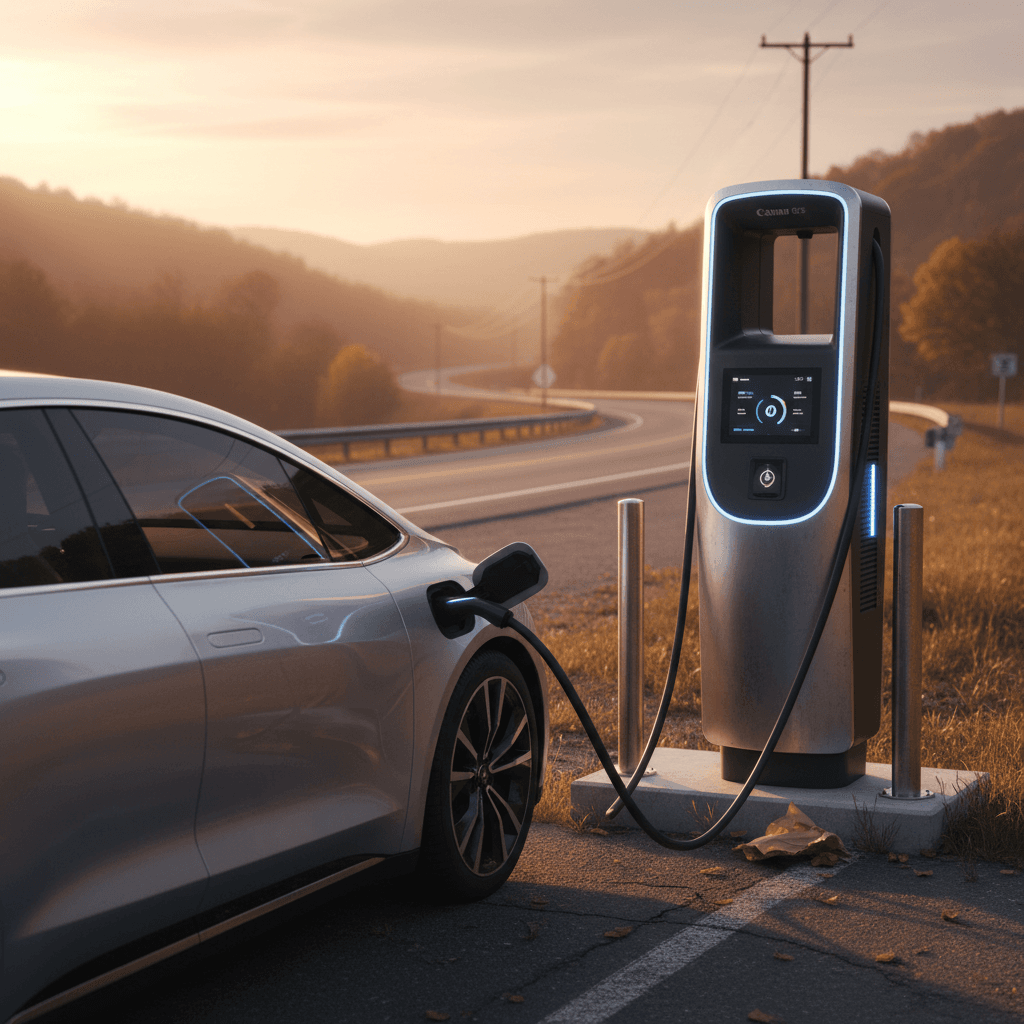
When people ask about roadside electric car charging cost, what they really want to know is simple: “If I take this EV on the highway, how much is it going to cost me compared with gas?” The answer in 2025 is that public fast charging is still more expensive than home charging, but with a little planning it can be predictable, and in many cases competitive with gasoline.
Roadside vs home, at a glance
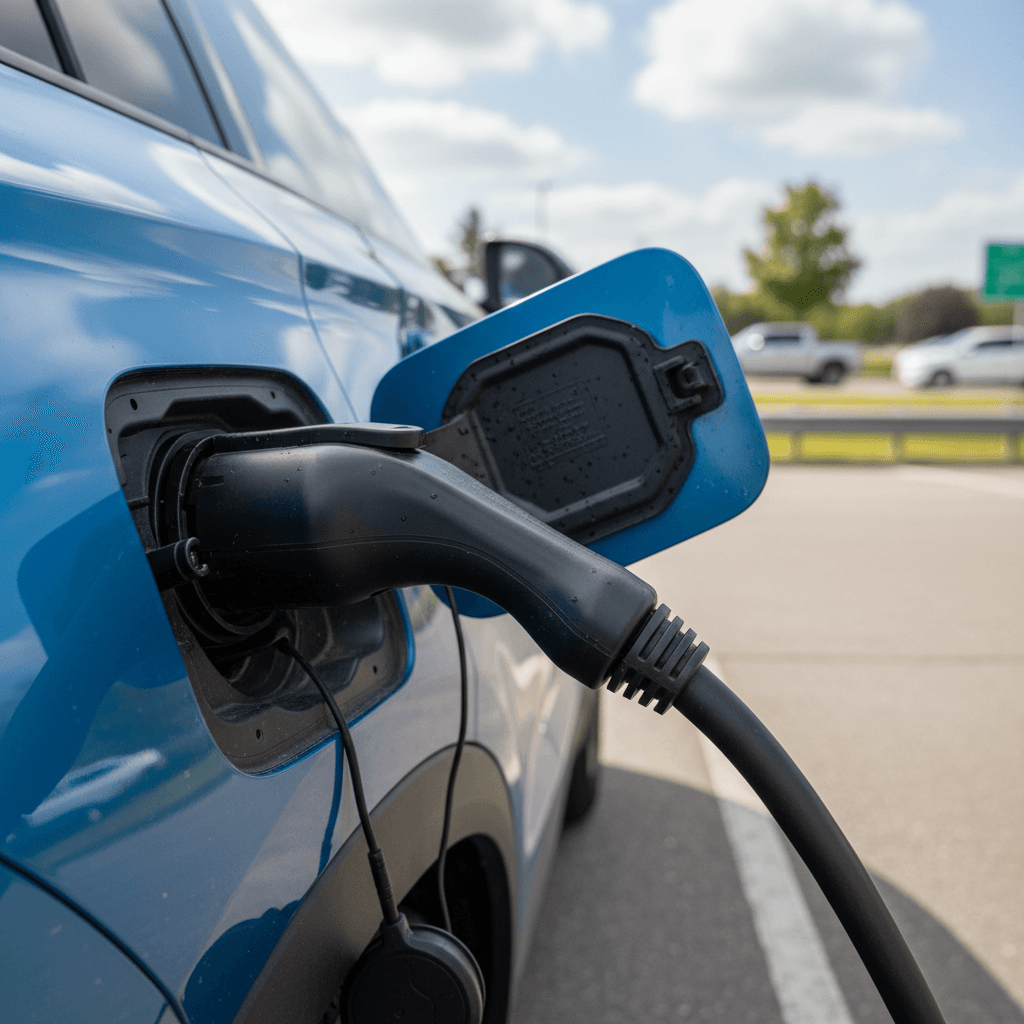
Why roadside EV charging costs more than home
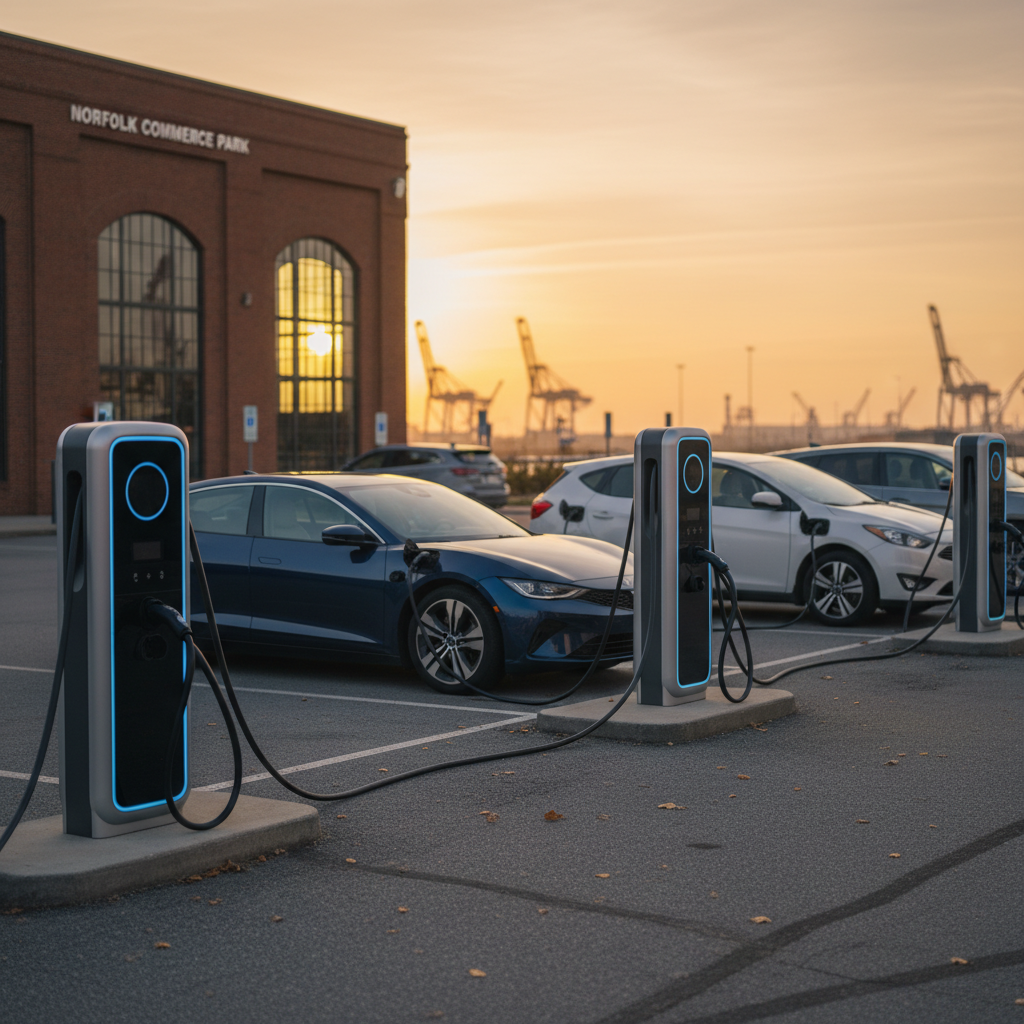
At home, your EV quietly sips power from the residential grid, usually overnight when demand is low. Roadside chargers, especially DC fast chargers, are a different animal. They pull a lot of power very quickly, live on expensive commercial utility rates, and sit on valuable real estate like highway exits or shopping centers.
Three reasons roadside EV charging costs more
It’s not just markup, there are real cost drivers behind those prices.
High power = higher demand fees
Prime locations
Hardware & maintenance
Home is your discount pump
Typical roadside charging costs in 2025
U.S. roadside EV charging cost snapshot (2025)
Numbers vary by state and network, but if you’re budgeting for a road trip, a reasonable rule of thumb today is that fast charging a typical EV on the road costs like driving a reasonably efficient gas SUV. You might beat gas in cheaper states or edge above it in expensive ones, but you won’t be wildly off either way.
- In lower‑cost states, some highway fast chargers land in the $0.40–$0.45/kWh range.
- In higher‑cost states, especially on the coasts, $0.55–$0.70/kWh for ultra‑fast chargers isn’t unusual.
- Slower public Level 2 chargers often fall between $0.25–$0.35/kWh, or use hourly pricing that works out similarly.
Don’t assume one nationwide price
How roadside EV charging pricing actually works
When you pull up to a charger, you’re not just paying for electricity. Most networks layer together a few pricing components. Understanding them helps you predict costs and avoid surprises.
Common roadside EV charging pricing models
Most public networks use one or a mix of these approaches.
| Pricing model | How it works | Where you’ll see it | Cost implications |
|---|---|---|---|
| Per kWh | You pay for the exact energy delivered, like your home power bill. | Most states that allow per‑kWh billing. | Most transparent; cost per mile is easy to estimate. |
| Per minute | You pay for time plugged in, regardless of energy delivered. | Some states with regulatory limits; some legacy plans. | Great if your car charges fast; expensive if it charges slowly or tapers early. |
| Per session | Flat fee per plug‑in, sometimes with time or energy caps. | Parking garages, hotels, small city networks. | Cheap if you arrive nearly empty; pricey for quick top‑offs. |
| Hybrid | Mix of per kWh and per minute, often with idle fees after a threshold. | Busy highway fast‑charging sites. | Encourages turnover; can spike costs if you linger after reaching 80%. |
Your effective cost per kWh depends on how long you’re plugged in and how fast your car can charge.
Why apps are finally showing clearer prices
Real-world cost examples for a road trip
Let’s translate all those cents‑per‑kWh numbers into something you can feel: dollars spent on a day’s drive. We’ll use a fairly typical modern EV that averages about 3 miles per kWh on the highway.
Scenario 1: 250-mile weekend getaway
You drive 250 highway miles in a day, starting near full and relying mostly on roadside DC fast charging.
- Energy used: ~83 kWh (250 ÷ 3)
- Fast‑charging price: $0.49/kWh (national average)
- Charging cost: ≈ $41
That’s comparable to burning roughly 13 gallons of gas in a 19 mpg SUV at $3.15/gallon.
Scenario 2: 600-mile road trip day
You’re knocking out a big interstate day, 600 miles with multiple fast‑charge stops.
- Energy used: ~200 kWh (600 ÷ 3)
- Fast‑charging price: $0.49–$0.55/kWh
- Charging cost: ≈ $100–$110
In a similar gas SUV, that 600‑mile day might cost $95–$115 in fuel. You’re in the same ballpark, but you can still save big on the rest of the year by charging at home.
The real EV advantage shows up at home
Fees to watch for: session, idle, and parking
The per‑kWh price is only part of your roadside electric car charging cost. Extra fees can quietly turn a reasonable stop into an expensive one if you aren’t watching the clock.
Three extra costs that can surprise you
Knowing these fees ahead of time can save real money on a long trip.
Session fees
Idle fees
Parking charges
Idle fees can hurt fast
Membership plans and subscriptions
Most major charging networks offer optional memberships that trade a small monthly fee for lower per‑kWh prices. If you road‑trip regularly or rely on a particular network near home, these can shave meaningful dollars off your roadside charging cost.
How memberships change roadside charging cost
Illustrative examples, always check current pricing in the app before you enroll.
| Plan type | Monthly fee | Discount benefit | Best for |
|---|---|---|---|
| Pay as you go | $0 | Standard per‑kWh and session fees. | Occasional road‑trippers; people who mostly charge at home. |
| Network member | ≈$4–$7 | Roughly 20–25% off per‑kWh rates. | Drivers who fast‑charge at least a few times per month on the same network. |
| Premium/subscription | ≈$10–$20 | Bigger per‑kWh discounts or bundled credits. | High‑mileage drivers without reliable home charging. |
Look beyond the per‑kWh discount: you want the right plan for how often you actually charge.
Do the math before you subscribe
Ways to lower your roadside charging costs
You can’t control utility rates or network pricing, but you do control how, when, and where you charge. A few strategic habits make roadside charging noticeably cheaper over the life of the vehicle.
Six strategies to cut roadside charging costs
Small decisions at every stop add up over years of EV driving.
Charge just enough, not to 100%
Stack home & destination charging
Avoid peak‑hour pricing
Compare stations in apps
Know your car’s peak rate
Drive a little smoother
Plan once, relax later
Planning a trip: roadside charging checklist
Pre‑trip roadside charging checklist
1. Check your route for fast chargers
Use your car’s navigation plus charging apps to confirm there’s at least one fast‑charging option within your comfortable range at each leg of the trip.
2. Review prices and fees in apps
Tap into each potential station and look for per‑kWh rates, session fees, and idle fees. Adjust your stops toward the better‑value stations.
3. Create or update network accounts
Set up accounts and payment methods for the main networks along your route. Download their apps now so you’re not searching at a dark rest stop.
4. Pack your charging essentials
Bring your included Level 1/2 cable, any adapters your EV needs, and a backup RFID card or two in case an app misbehaves.
5. Plan where you’ll charge overnight
Pick hotels, rentals, or friends’ houses that offer Level 2 charging so you can start each day with a full battery at near‑home rates.
6. Decide your ‘minimum arrival’ buffer
Choose the lowest state of charge you’re comfortable arriving with, often 10–15%. This reduces anxiety and gives you options if a station is busy or down.
How charging costs affect used EV buyers
If you’re shopping for a used EV, roadside charging cost shouldn’t scare you off, but it should shape what you buy and how you plan to use it. The same battery that saves you money at home is what you’re leaning on when you pull into a 150‑kW charger at 5% state of charge on a cold night.
Questions to ask before you buy
- Where will I charge most? If you have home or workplace charging, roadside costs will be a small slice of your budget.
- How often will I road‑trip? Occasional road‑trippers can treat fast‑charging costs as vacation expenses; frequent long‑distance drivers should run the numbers more carefully.
- What’s the battery’s real health? Degraded batteries charge slower and may require more stops, which can push roadside costs up.
How Recharged helps
Every vehicle sold through Recharged includes a detailed Recharged Score Report with verified battery health, estimated range, and fair market pricing. That makes it easier to:
- Understand how efficiently the car will use every roadside kWh.
- Budget realistically for road‑trip charging over the years you’ll own it.
- Compare one used EV to another on more than just sticker price.
You can browse vehicles fully online, explore financing, and even arrange nationwide delivery without leaving the couch.
Roadside EV charging cost FAQ
Frequently asked questions about roadside charging costs
Bottom line on roadside charging costs
Roadside electric car charging cost in 2025 isn’t a mystery once you know what you’re looking at: a higher per‑kWh price than home, plus possible session, idle, and parking fees layered on top. On road trips, you’ll likely spend about what you would in a comparable gas SUV, but you can still win big overall by charging at home the rest of the year, planning your stops, and avoiding unnecessary fees.
If you’re considering a used EV, don’t let highway charging prices scare you away. Focus on getting a car with a healthy battery, realistic range, and a charging strategy that fits your life. At Recharged, every vehicle comes with a Recharged Score Report, financing options, trade‑in support, and expert EV guidance so you can understand both the upfront price and the on‑the‑road charging costs before you ever hit “buy.”